Can Cats Eat Mackerel? Precautions & Advice


In this article
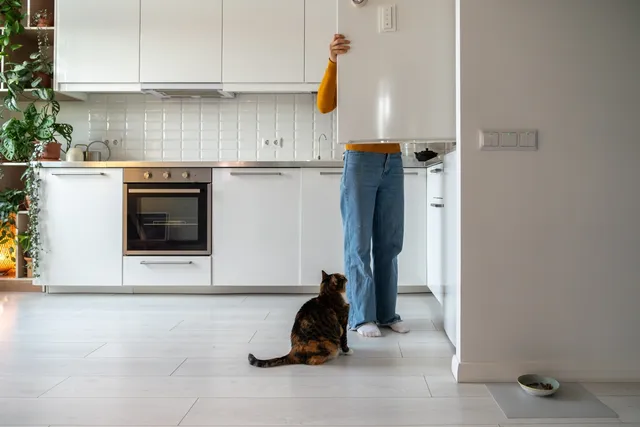
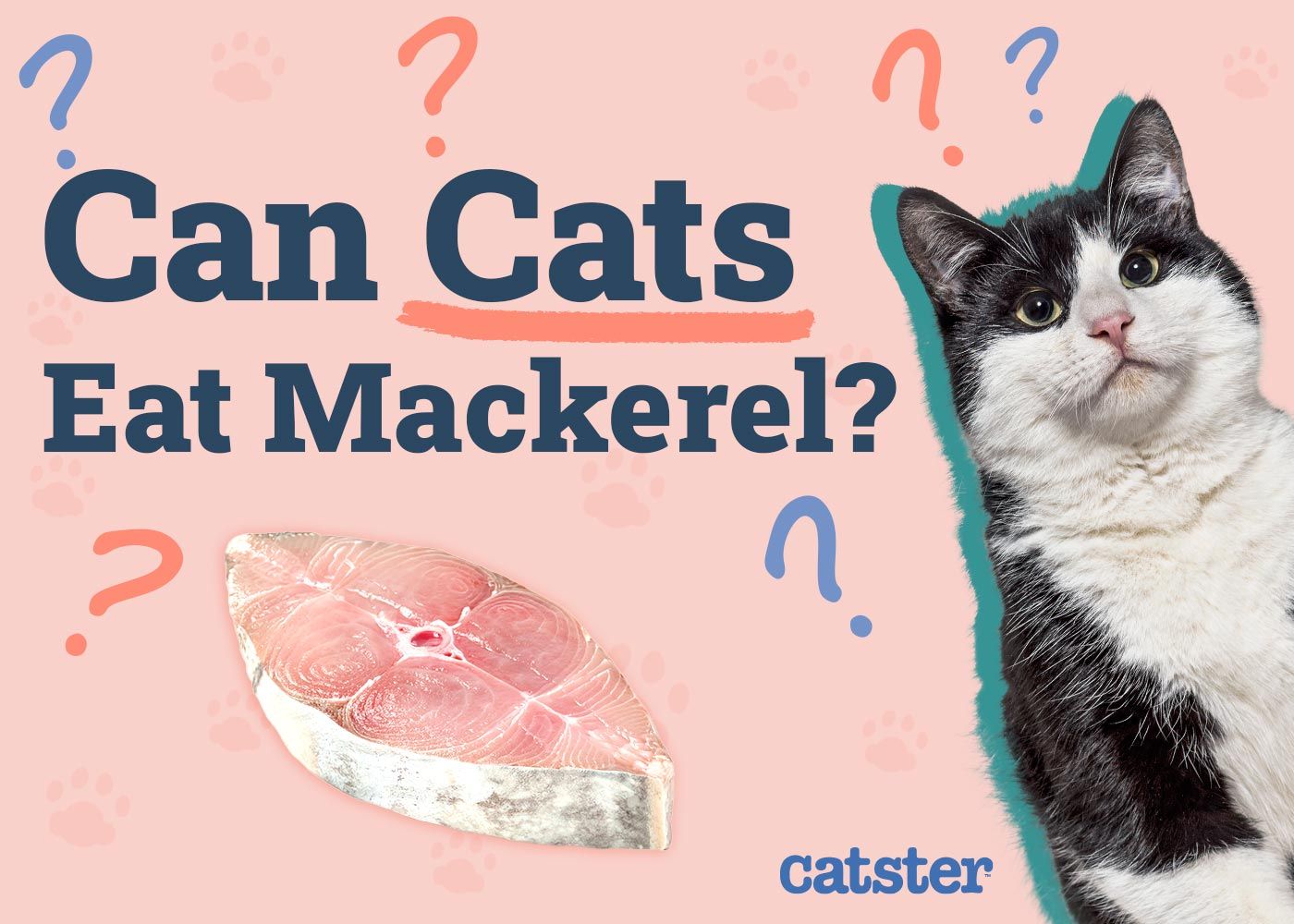
If you have cats and opened a can of mackerel around them, they have probably started meowing like crazy, trying to get you to feed them some. After all, it’s no secret that cats love fish despite fish not being the most common food source they eat in the wild. It can be tempting to give our feline friends a taste of human food that they find interesting. But is it safe and healthy for cats to eat mackerel?
Cats can eat mackerel as long as it is canned or cooked without seasoning. Mackerel is used in some cat food recipes. Mackerel contains several nutrients that cats need. However, eating too much of it can cause problems so it’s vital that you only feed it to your cat in moderation. Continue reading to learn more about why mackerel can be a safe and healthy cat treat.

Do Cats Like Mackerel?
Mackerel is very similar to tuna and salmon as far as how it is used in cat food and how it is consumed by humans. Cats love tuna and salmon, and many of them also love mackerel. However, mackerel is not most cats’ first food choice in the wild. Except for a few species, many cats, including feral ones, prefer to eat a diet of rodents such as mice and moles or other small animals such as birds, lizards, and even baby snakes.
For starters, small animals are a lot easier for cats to catch than mackerel and other types of fish. Mackerels are around a foot long, so they aren’t the easiest species for a cat to kill.
Cats also don’t need to eat mackerel in order to stay healthy, and they get plenty of nutrients from the other small prey that they kill. However, most cats will love it or at least want a bite if you’re eating it.

Is Mackerel Healthy for Cats?
Even though cats get all of their nutrients from their regular food and don’t necessarily need fish like mackerel to survive, mackerel can provide benefits for cats. It is high in protein, and cats need mostly protein to survive. However, all meats are high in protein, so what does mackerel contain that meat can’t provide?
One of the most significant benefits of mackerel, and fish in general, is that it is high in fatty acids. Fatty acids not only help your cat maintain muscle health, but they can also keep their coat looking shiny and its skin healthy. Fish is high in omega-3 fatty acids in particular, which aid in keeping several parts of your cat’s body healthy.
Omega-3 fatty acids provide energy and help keep your cat’s heart, brain, coat, and immune system healthy. One specific fatty acid, DHA, is found in mackerel and other fish and is essential for brain development and promoting healthy vision. Healthy vision is important for cats in the wild since it helps them hunt and see in the dark.
Another essential nutrient in mackerel is vitamin D, which helps regulate calcium levels and keeps your cat’s bones healthy. Mackerel also contains selenium, which is an antioxidant that can help prevent cell damage. Selenium also supports a healthy immune system and lowers the risk of your cat getting certain cancers.
Finally, mackerel contains taurine, which is an essential amino acid that supports brain, heart, and eye health.
Why Might Mackerel Be Bad for Cats?
In most cases, mackerel is not bad for cats as long as it is given to them in moderation. However, there are instances in which mackerel might cause problems for cats. For starters, mackerel does not contain all of the essential nutrients that cats need to survive, which is why it shouldn’t be the only food that your cat eats.
However, your cat’s regular food often contains many of the same nutrients found in mackerel, especially if it has fish ingredients. For example, cat food may already have fatty acids or taurine in it. If your cat eats mackerel too often or too much, especially if their other food already contains fish, it can lead to overconsumption of fish oil.
Although fish oil is healthy in small amounts, too much can cause negative impacts on your cat’s body. This is especially true since cats are smaller than humans, so it would take less to have an effect. Because of this you should always reach out to a veterinarian before you add anything new to your cat's diet.
Examples of problems that your cat may experience from eating too much mackerel include:
- Coagulation problems
- Delayed wound healing
- Diarrhea
- Vitamin A toxicity, which may lead to liver failure
Mackerel can also be bad for cats if they eat the wrong kind. Some species of mackerel are low in mercury, but king mackerel is high in mercury, which could lead to mercury poisoning if your cat eats too much. Mercury poisoning can cause problems in cats, such as:
- Blindness
- Loss of coordination (ataxia)
- Tremors
- Vomiting
- Diarrhea
- Gastrointestinal issues
- Convulsions
- Paralysis
- Shock
Finally, if you feed mackerel to your cat, even in small portions, it should be cooked or canned, never raw. This is especially true for kittens and older cats. Mackerel can carry parasites such as roundworms that can get transferred to your cat if they eat it raw.
Any parasites are killed when the fish is cooked, which is why cooked or canned mackerel is safe. Boiled or baked mackerel is preferable, but if you feed your cat canned mackerel, it should be low in sodium and free from spices or oils.
Final Thoughts
The bottom line is that if your cat wants a bite of the mackerel you are eating, it’s okay to give them some. However, cats should not eat raw mackerel, only cooked or canned. Cats should also only be given mackerel occasionally as a snack or treat. It can provide several health benefits to them in small amounts but can cause problems if they eat too much too often.
Related Reads:
Expert cat care, straight to your inbox
News, insights, and useful advice, delivered to you.

No spam — unsubscribe anytime.
By signing up, you agree to our Terms & Conditions and Privacy & Cookies Policy.
How useful was this post?
Click a star to rate. You can leave written feedback afterwards. (We read all feedback.)
Savannah started as a science teacher and is now a full-time freelance cat writer. She loves traveling, tending her garden, and writing about wildlife and nature. She's also the proud parent of a daughter, three cats (Thunder, Kittylina, and Bubba), a long-haired Chihuahua (Penny), and a turtle (Creek).