What Shots Do Kittens Need? Vet-Reviewed Schedule, Facts & FAQ


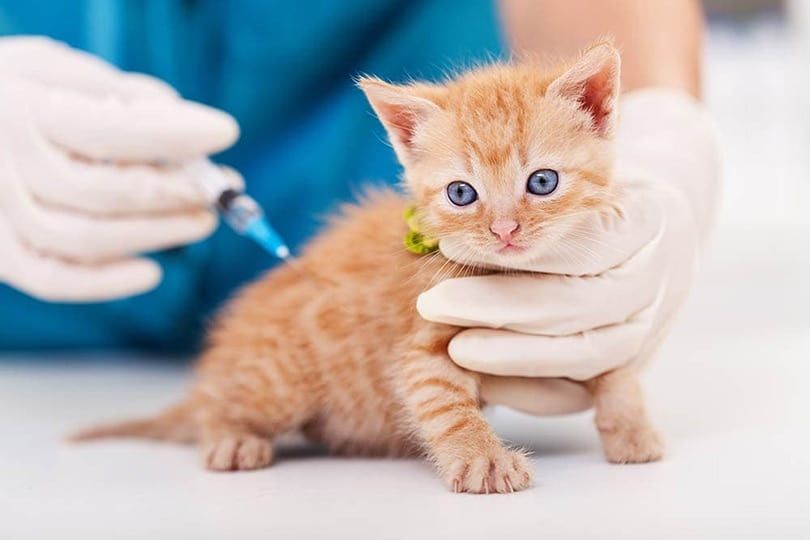
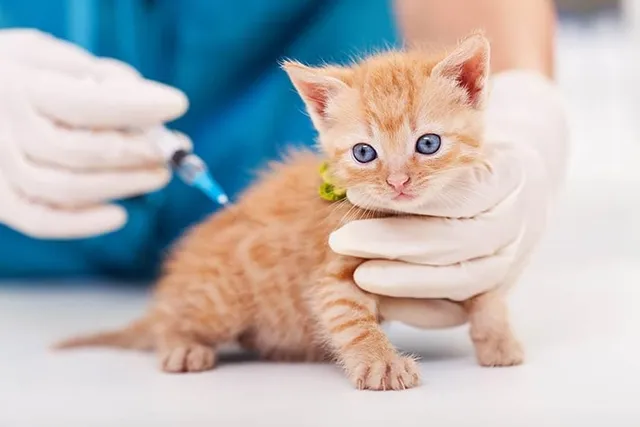
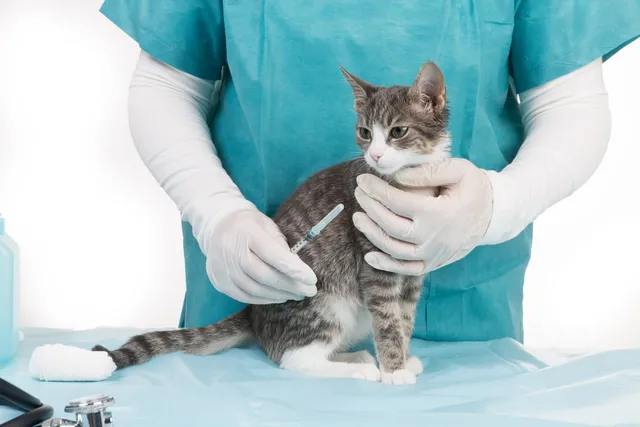
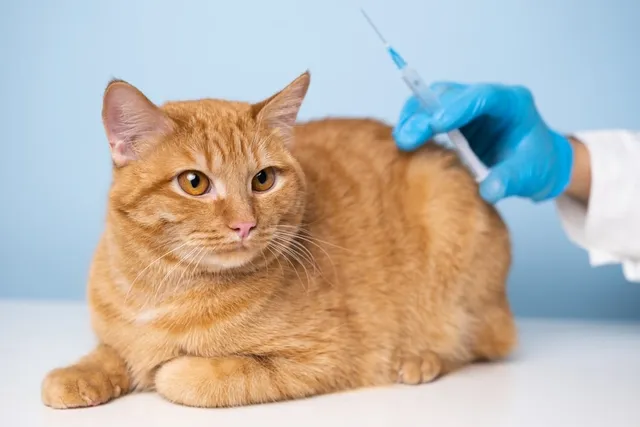
Kittens need several vaccinations to protect them from infectious diseases. All kittens are susceptible to these diseases, no matter what their breed is. Therefore, these vaccinations are highly recommended and a part of most kitten’s early vet care. Let’s look at the recommended vaccine schedule for kittens below.

Kitten Vaccines
Vaccines for a cat are divided into three categories: core, non-core, and not recommended. A core vaccination is considered essential and is strongly recommended. A non-core vaccine is great to have, and, depending on where you stay, might be considered mandatory too. A vaccine that is not recommended is one that should not be offered to a cat.
Core Vaccinations
These vaccines are considered as core vaccines for cats. Whenever possible, your cat should receive these vaccines:
- Feline panleukopenia virus (also known as cat parvo)
- Feline herpesvirus-1
- Feline calicivirus
All of these vaccines are administered to kittens when they are between the ages of 6-8 weeks, and repeated every 2-4 weeks until your kitten reaches the age of 16 weeks. The precise interval between shots will be determined by your veterinarian. An example of a vaccination schedule is provided further below.

Non-Core Vaccines
These vaccines are not mandatory everywhere but are often administered to cats
- Rabies
- Feline Leukemia Virus
- Feline Immunodeficiency Virus
- Chlamydia felis
- Bordetella bronchiseptica
The rabies vaccine is considered mandatory (core) only in areas where rabies is endemic, such as in the United States. In other countries or areas that are declared rabies-free, it isn’t considered a mandatory vaccine. In addition, it might be legally required if you intend to travel with your pet. In times of a rabies outbreak, the vaccine might be deemed mandatory; however, at times, pet cats are exempt from such requirements. The rabies vaccine for cats is a single shot, offered to kittens that are over 12 weeks of age. Cats are then revaccinated for rabies after a year.
The other non-core vaccines have their own unique schedules. Some of them (such as the feline leukemia virus vaccine) are only administered after a cat is tested for the virus and is confirmed negative. The vaccine has only two scheduled doses. As they are considered non-core, your veterinarian will determine if your cat needs these vaccines and what schedule is best suited to your kitten’s needs.
Not Recommended
The following vaccine is not recommended for cats.
- Feline Infectious Peritonitis (FIP)

Kitten Vaccination Schedule
Here’s a general schedule for a kitten’s core vaccinations. As you can see, it does depend on when the kitten gets their first vaccinations. When in doubt, always ask your vet:
| Your Kitten’s Age | Schedule #1 (Example) | Schedule #2 (Example) |
| 6 weeks | 6, 9, 12, 16 weeks, then boosters at 26 or 52 weeks | 6, 10, 14, 18 weeks, then boosters at 26 or 52 weeks |
| 7 weeks | 7, 10, 13, 16 weeks, then boosters at 26 or 52 weeks | 7, 11, 15, 19 weeks, then boosters at 26 or 52 weeks |
| 8 weeks | 8, 11, 14, 17 weeks, then boosters at 26 or 52 weeks | 8, 12, 16 weeks, then boosters at 26 or 52 weeks |
| 9 weeks | 9, 12, 15, 18 weeks, then boosters at 26 or 52 weeks | 9, 13, 17 weeks, then boosters at 26 or 52 weeks |
For information about your kitten’s non-core vaccines, you should refer to your veterinarian and follow their recommendations.
What Are the Side Effects of Kitten Vaccinations?
Kitten vaccinations are very safe, and side effects are rare. Most are very mild and don’t necessarily indicate that you shouldn’t vaccinate your kitten further. Most side effects don’t require treatment and go away on their own within a few hours to a couple of days.
The most common side effects of kitten vaccinations are:
It’s also important to note that many kittens are stressed after visiting the vet. Therefore, they may hide underneath the bed or another comfortable spot for a few hours or even a day after their vaccinations. This behavior doesn’t necessarily indicate that the cat isn’t feeling well from the vaccinations—it may just be a sign that they’re anxious about the whole ordeal.
Of course, serious reactions are possible. These include heavy breathing, diarrhea, vomiting, facial swelling, hives, and collapse. If your kitten develops these signs, you should contact your vet right away. Sometimes, these signs can indicate an allergic reaction.
What Are the Benefits of Vaccinating a Kitten?

There are many benefits of vaccinating a kitten, primarily to protect them from infectious diseases. Many of the conditions vaccinations prevent are deadly and difficult (or impossible) to cure. Therefore, vaccinations are the only protection your kitten may get.
Vaccinations also prevent your cat from passing these diseases to other cats. Rabies can be passed from your cat to many different animals, including humans. Your cat can also get rabies if they’re bitten by a rabid animal. Therefore, vaccinations can help protect you and your pet.
Furthermore, by preventing some diseases, you increase the chance of your kitten surviving other conditions. For instance, feline leukemia can affect your cat’s immune system, making them more likely to experience complications from other conditions.
Vaccinations are comparatively cheap to vet bills associated with each disease. While vaccination may only cost you $100, treating deadly conditions often costs thousands—and there is no guarantee any of these treatments will save your cat.
Therefore, it often makes sense to vaccinate your feline even if you don’t think they’re at high risk for the disease. The benefits far outweigh the potential consequences.
How Do I Care for My Kitten After Vaccination?
You don’t have to provide much special care for your kitten after a vaccination. In many cases, the kitten won’t act any differently or display any side effects. Some kittens will feel a bit sickly, though, and they may need some extra space in the 24 hours after their vaccination.
Always monitor your kitten for side effects and contact your vet right away if you notice any serious signs. Many kittens may hide or develop a low-grade fever after vaccinations; these are normal and don’t require any medication in most cases.
Keep your kitten indoors and away from other cats for at least 24 hours, especially if your other cats have compromised immune systems. Provide your kitten with their usual diet and clean water. However, don’t be surprised if your kitten doesn’t eat as much as normal. Some kittens may feel fatigued after vaccinations, so they may feel more sleepy than hungry. Furthermore, vet visits often cause anxiety for many kittens. Therefore, many kittens won’t eat for a day or so—even if they aren’t experiencing any side effects.
Give your kitten a comfortable place to rest after the vet visit. Don’t plan any outings for at least a day or so. Your kitten likely won’t want to do much for a few days. Some don’t like to interact when they’re feeling sickly, so expect some withdrawn behaviors like hiding underneath furniture.
Always follow your vet’s advice for after-vaccination care. However, this shouldn’t be much. As we’ve said, kittens often have very minor reactions, if they have any reactions at all.
Final Thoughts
Vaccinating your kitten is essential for their overall health. These vaccinations prevent conditions that are extremely serious and often associated with expensive vet visits. Some of these diseases, like rabies, can be spread to humans and other animals. Many incurable diseases can be prevented with vaccinations.
Vaccinations usually start at 6–8 weeks. Your kitten will need several rounds of boosters for their core vaccinations. The schedule for their non-core vaccines varies depending on the vaccine, your cat, and the circumstances surrounding your vet’s decision to recommend the vaccine.
When in doubt, we recommend speaking to your vet. Every kitten is different. Therefore, your kitten’s vaccination plan may not look exactly like the “usual".
Sources
https://www.petmd.com/cat/infographic/basic-vaccine-schedule-cats
https://www.petmd.com/cat/general-health/kitten-vaccination-schedule-and-costs
https://www.petmd.com/cat/centers/kitten/health/evr_ct_kitten_vaccination_schedule
https://vcahospitals.com/know-your-pet/vaccination-are-booster-vaccines-necessary-for-cats
Featured Image Credit: Ilike, Shutterstock
Expert cat care, straight to your inbox
News, insights, and useful advice, delivered to you.

No spam — unsubscribe anytime.
By signing up, you agree to our Terms & Conditions and Privacy & Cookies Policy.
How useful was this post?
Click a star to rate. You can leave written feedback afterwards. (We read all feedback.)
Kristin is passionate about helping pet parents create a fulfilling life with their pets by informing them on the latest scientific research and helping them choose the best products for their pets. She currently resides in Tennessee with four dogs, three cats, two fish, and a lizard, though she has dreams of owning chickens one-day!