My Cat Is Smacking Their Lips, What's Wrong? Vet-Verified Reasons & Advice


In this article
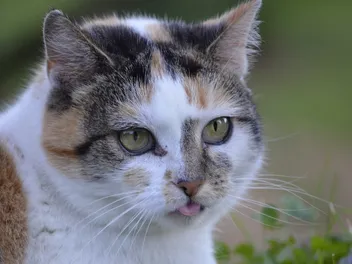
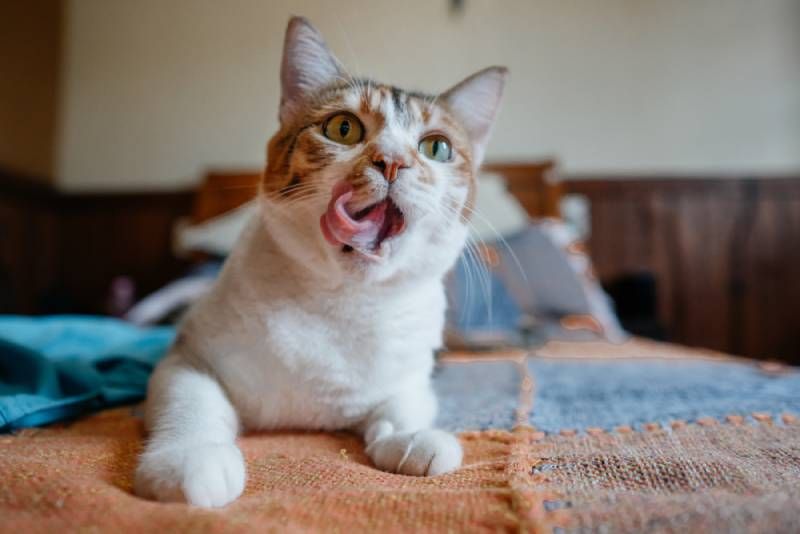
Like any other devoted pet owner, you’ve probably spent hours staring at your cat and studying their every move. Cats are unique and fascinating beings, and they exhibit some very strange behavior. You surely noticed your lovely feline smacking their lips occasionally.
Is it a weird ritual they have, or is it a reason for worry? Lip-smacking is usually an entirely harmless behavior that cats display after a delicious meal or during a cuddle. However, there are situations when lip-smacking can point to severe medical conditions.
Read more on this topic below to find out all the possible scenarios when a cat might smack their lips and whether you should be worried.

The 4 Possible Causes of Cats Smacking Their Lips
Every cat owner notices their cat’s small daily rituals; most of the time, the rituals are entirely normal. Lip-smacking is a normal behavior unless it becomes excessive. Below, you'll find some common reasons a cat may smack their lips, most of which are usually harmless.
1. After a Meal
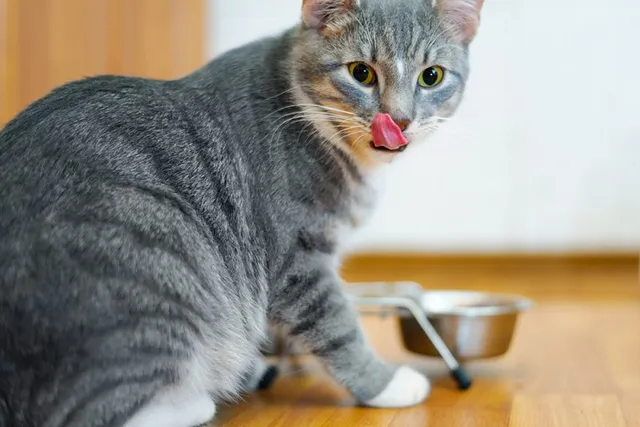
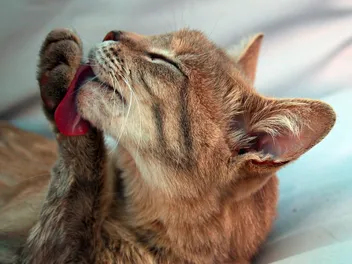
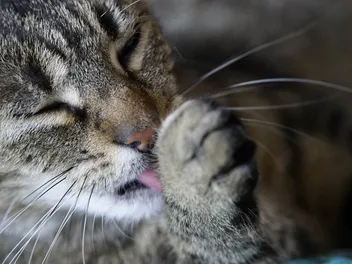
As you’ve probably noticed, dogs and cats adore showing you how delicious their meal was by grooming themselves afterward. This ritual includes smacking their lips and licking their gums to remove leftovers. Cats usually lick the fur around the lips, gums, and teeth as a regular grooming ritual after each meal, so a little lip-smacking is nothing to worry about.
2. During Petting
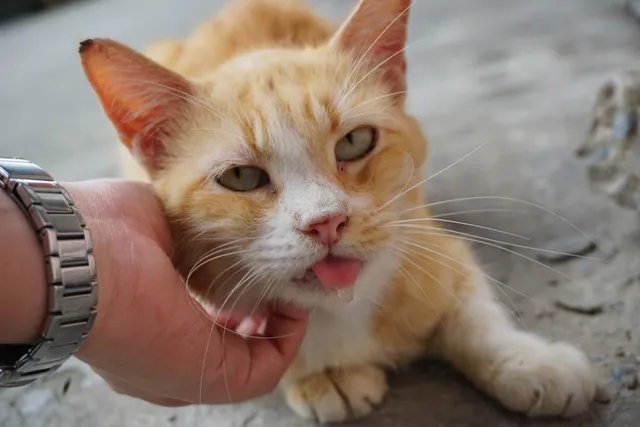
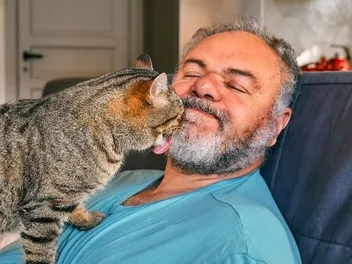
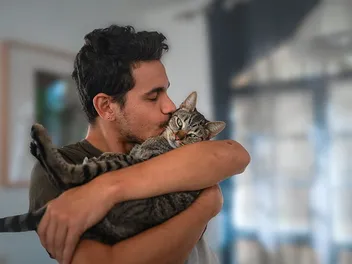
Cats habitually lick themselves and smack their lips when they are content. These habits are most likely to appear when petting or cuddling your cat, so if you see your cat licking their lips, don't worry about it. This is the cat's unique way of communicating their appreciation of all the attention received.

3. Dental Issues
Several unavoidable health complications in cats, such as dental diseases, occur when they're older. While plaque and tartar are undesirable conditions, they are not entirely unexpected in older cats.
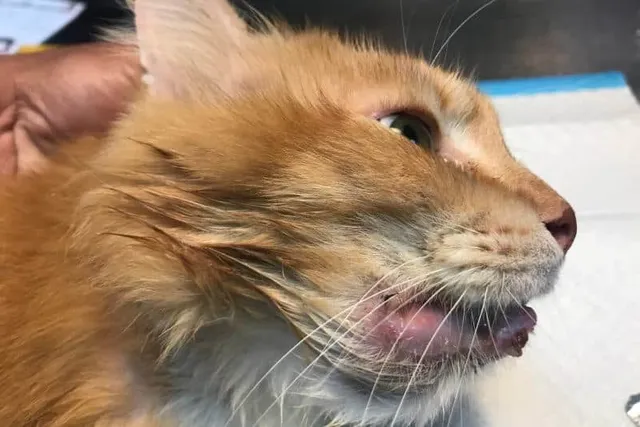
They can cause bacteria to develop, and you can expect your senior cat to do a lot of lip-smacking and licking if they have an oral issue causing excessive drooling.
4. Bad Taste
Since cats are natural predators, they may find insects and strange plants they'll want to play with and nibble on, so it's not uncommon for them to stumble upon a bad-tasting plant with a strong flavor. This unpleasant experience can cause the cat to produce more saliva and smack their lips.
This is typically harmless—as long as the plant they’re chewing on is non-toxic—and it's the cat's way of dealing with an unpleasant taste. Of course, it’s best to avoid letting your cat chew on any plants, no matter their toxicity.

When Should You Worry?
While we’ve mentioned the most common causes of cats smacking their lips, there are some moments when lip-smacking can be a cause of worry. If your cat smacks their lips excessively and displays other strange behavior, you may need to see a veterinarian.
Stress
Stress has one of the most harmful effects on your pet's body. When your cat is stressed, you may notice excessive vocalization, agitation, and aggressiveness. Sometimes, stress in cats can be very subtle, with only a few signs.
Excessive drooling, swallowing, and lip-smacking can result from a stressful situation. If you notice the behavior, try to remove the cause of the stress or remove your cat from the stressful situation.
Nausea
Feeling nauseous is a common reason for lip-smacking in cats because of the excess saliva their body produces. When you know your cat has stomach problems, you may notice them smacking their lips. While stomach problems are not normal, they are not always a cause of worry and can happen due to hairballs or changes in diet. However, if there is repeated lip-smacking, it’s time to speak with a vet.
Conclusion
Cats smacking their lips is usually a normal reaction to something they've eaten or a simple expression of satisfaction. The cause for the behavior can be as simple as a delicious meal or as complex as an underlying medical condition. Acquiring all the necessary information is vital to rule out the potential risks and confirm that your cat is simply grooming itself.
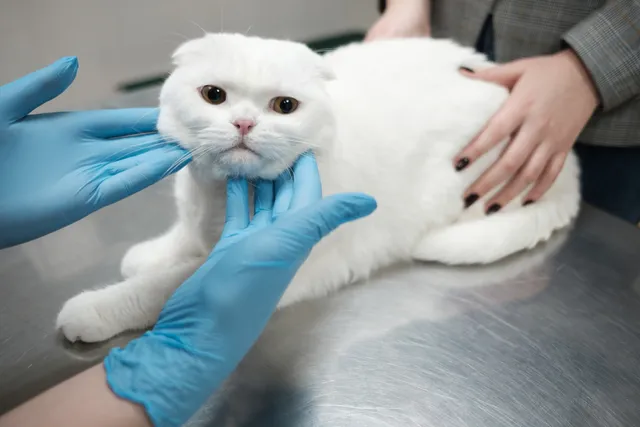
If you are still unsure and worried, you can always take your cat for a checkup at the vet.
See Also:
Sources
Featured Image Credit: Karina Chilanti, Shutterstock
Expert cat care, straight to your inbox
News, insights, and useful advice, delivered to you.

No spam — unsubscribe anytime.
By signing up, you agree to our Terms & Conditions and Privacy & Cookies Policy.
How useful was this post?
Click a star to rate. You can leave written feedback afterwards. (We read all feedback.)
Upon completing my degree from the College of Fine Arts, I embarked on a quest to find a platform to manifest my wild imagination. It was then that I discovered my passion for content writing, which swept me off my feet. As a freelance writer, I am always on the move, with an adventurous and restless spirit that propels me forward. When I am not typing away in my cozy writing nook, I spend my time honing my skills as a sculptor, painter, and woodworker in my workshop. Writing has become my primary medium of expression, and I plan to nurture this passion further, using it as a conduit for my never-ending creativity.