Why Do Cats Hold Their Mouths Open? 9 Vet-Approved Reasons


In this article
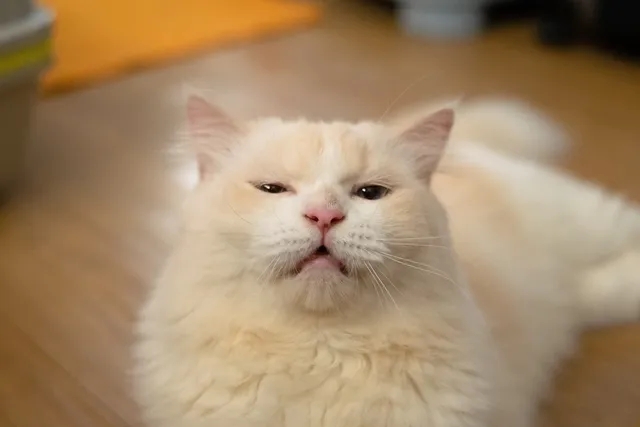
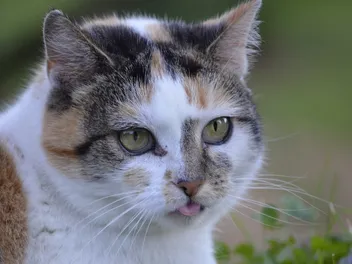
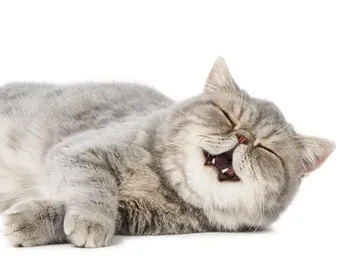
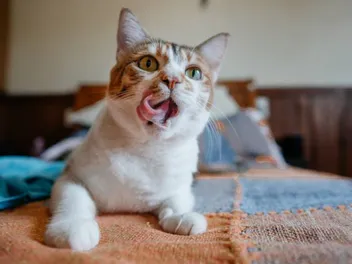
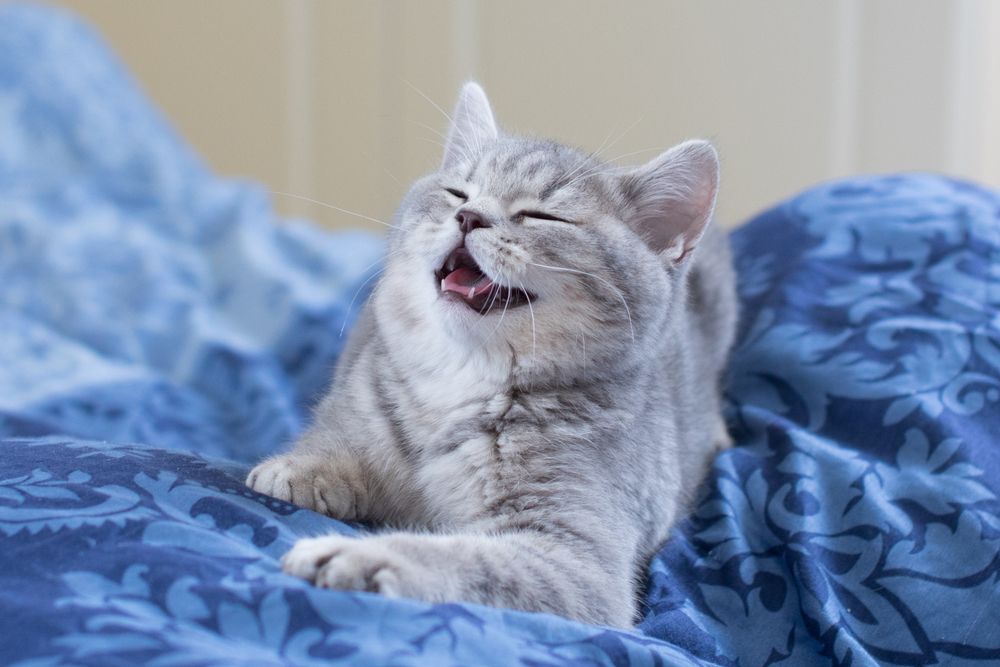
Cats have a special relationship with their five senses, which is partly behind the question of "Why do cats keep their mouth open?" It's called the Flehmen Response. Flehmen comes from a German verb that means "to bare the upper teeth or curl the lip." This term describes how cats gain an understanding of their surroundings by uniting the powers of smell and taste.
This isn't the only reason cats hold their mouths open, although it is the most common. We've put together a list of the typical reasons your cat's mouth is open long enough for you to notice.

The 9 Common Reasons Why Cats Hold Their Mouth Open
Identifying a Unique Scent
1. Urine Identification
Air in a cat's mouth passes across an organ called Jacobson's organ or the vomeronasal organ, which analyzes the odor using a combination of taste and smell. This means their mouths are much better at identifying scents than their noses are.
Male cats use urine to mark their territory, which is especially true when they are not neutered and is a common reason people neuter their cats. If you have more than one cat or several in your neighborhood, your cat might be guilty of urinating in your house to mark his territory.
This is not just something the males do. Both males and females spray because their urine has pheromones in it. The unique identifiers will alert other cats to their gender and age, amongst other things.

2. Mother and Kittens
A mother cat will use pheromones to identify her kittens. She releases pheromones from glands around her nipples that serve two purposes. They will calm anxious kittens down and act as a guide if the mother and kitten are separated. By remembering the pheromones in its mother's milk, a kitten can even follow the trail back to its mother.
3. Female in Heat
When a female is in heat, she will release pheromones to signal males in the area, and male cats use the Flehmen Response to locate females to mate with. This means if your male cat senses a mating signal, he may then use the Flehmen Response to figure out where the female is and get a better idea of whom the scent belongs to. This applies to cats that haven't been spayed, as spayed cats can no longer be in heat. Once a female becomes pregnant, she will stop producing the pheromones.

4. Food
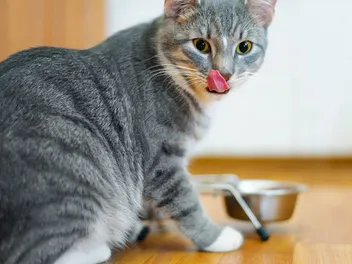
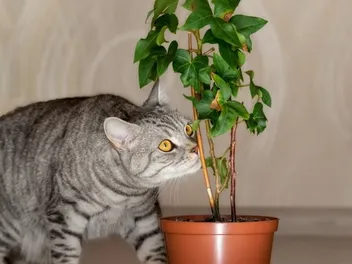
If a meal is far away, they're a little unsure, or they want a stronger whiff of food they are enticed by, a cat will use the Flehmen Response. This is also the case with catnip, which some cats can interpret as feline pheromones, and it explains why certain cats can respond to the herb in such an intense way.
Pain
5. Dental Disease
Sometimes, there's something less innocent at play that you need to be aware of. Your cat’s mouth being open may be because of pain. This action stops the teeth from touching, limits pain, and promotes airflow over wounds or inflamed gums. The three most common dental diseases in cats are gingivitis, periodontitis, and tooth resorption.
Signs of gingivitis:
If you notice any of these signs, it's essential to contact your vet as soon as possible.
6. Gingivostomatitis
Feline chronic gingivostomatitis is a condition where your cat will suffer from painful inflammation at the back of the mouth and gums. It's linked to an abnormal immune response to the dental plaque, the thin layer that coats the teeth.
Signs your cat is suffering from gingivostomatitis are:


Attempting to Verbalize
7. Communication or No Communication
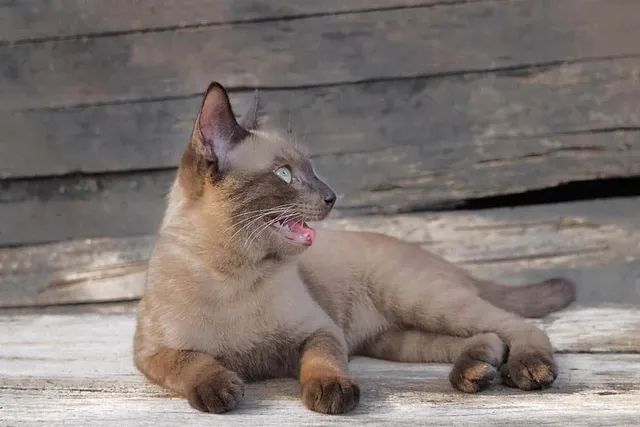
Cats communicate by hissing, meowing, and purring, and they open their mouths slightly to prepare to vocalize. You may notice this more if they open their mouth and stay silent. It could just be that your feline is just about to make a particular noise.

Aggression
8. Biting
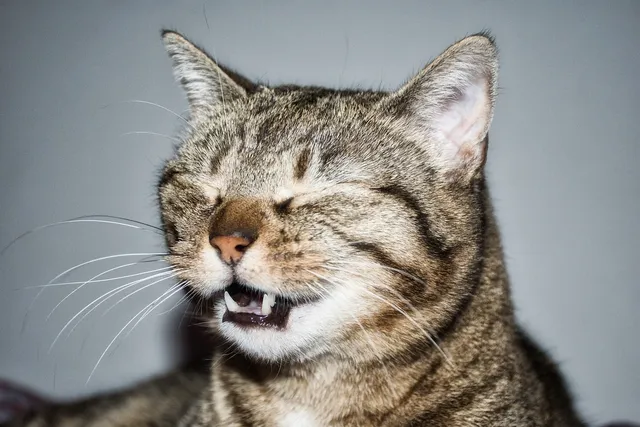
Some cats hold their mouth open when they are preparing to bite; you might notice the behavior if you are petting them. It could be a warning that the cat isn't having fun anymore, and they want you to stop. Other signs of aggression to look out for are fidgeting, hissing, tensing, or growling. Give them space if this happens until they calm down.
Health Problem
9. Trouble Breathing
It could be that your cat's nose is blocked, and it needs to use its mouth to breathe air. The blockage could be caused by allergies, an infection, or a tumor in the nose.
In other instances, your cat might have sudden respiratory problems caused by heart or lung disease, Feline Infectious Peritonitis (FIP), or an injury to their chest. They will start open-mouth breathing, which always warrants an urgent vet visit.
If you notice any of these signs, contact your vet immediately:
Conclusion
The answer is usually quite simple when determining, "Why do cats keep their mouth open?" Cats use their mouths to gain more information about their surroundings when their nose is not up to the job. There might be something more sinister at play, so if you have spotted any of the signs we've mentioned or are worried about your cat's condition, contact your vet for advice.
Sources
Featured Image Credit: Svitlana Sen, Shutterstock
Expert cat care, straight to your inbox
News, insights, and useful advice, delivered to you.

No spam — unsubscribe anytime.
By signing up, you agree to our Terms & Conditions and Privacy & Cookies Policy.
How useful was this post?
Click a star to rate. You can leave written feedback afterwards. (We read all feedback.)
Kerry-Ann lives in Scotland and would love to have a bigger garden so she could have her very own Highland cow. But her dogs probably wouldn’t like that idea very much. She has a La Chon called Harry who was sick with a liver shunt when he was a puppy. It wasn't likely he would make it into adulthood, which was difficult to comprehend, but he beat the odds and is a healthy old man now. She also has a Pug called Maddie who is a big foodie. She’s small, sassy, and every day she finds a new way to wind her brother up.
When she isn’t writing you can find Kerry-Ann going for long walks when it isn't raining, reading, or watching cartoons. She would one day like to be a tourist in her own country and travel through the Highlands with her family.