Can Cats Get Bitten by Mosquitos? Vet-Reviewed Risks & Preventions


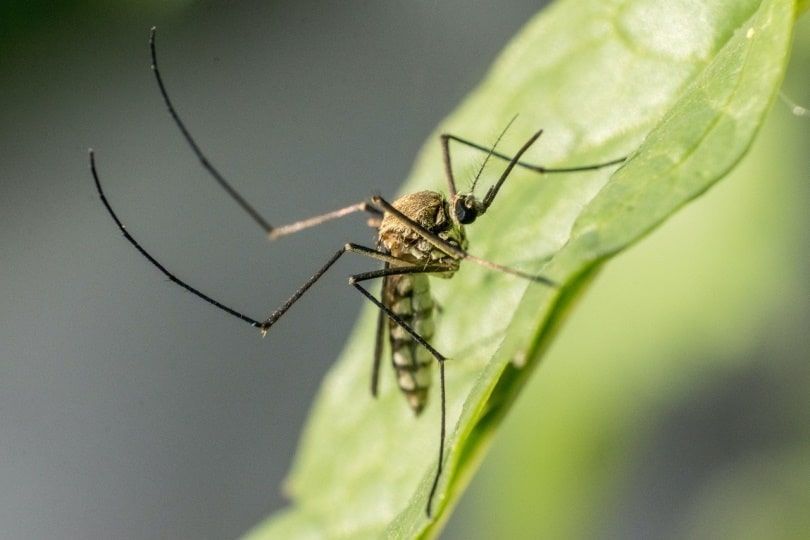
Pesky mosquitos can ruin a peaceful summer evening. As you swat and scratch your way through a swarm of these pesky insects, you might envy your pets’ protective fur coats. But is your kitty truly safe, or can cats get bitten by mosquitos?
Not only can cats get bitten by mosquitos, but they can also be infected with diseases passed on by the insects. In this article, we’ll discuss why mosquito bites can be uncomfortable and dangerous for your cat. We’ll also learn the best ways to protect your cat from these pests.

How Mosquitoes Bite Cats
While a cat’s fur provides some protection from mosquitoes, areas with thin coat coverage are vulnerable to bites, such as the ears and nose. Just as they do with humans, the mosquito spears the cat's skin with its sharp mouth called a proboscis.
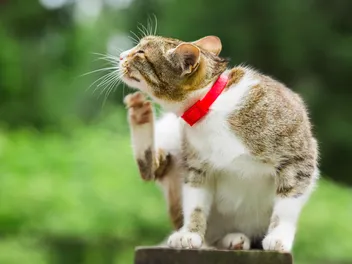
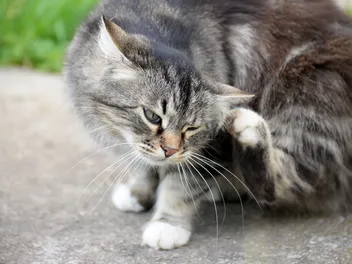
While sucking blood, the mosquito injects saliva into the cat’s body, causing them to react with itching and a bump. Outdoor cats are more likely to encounter mosquitos, but indoor cats aren't completely safe either. Mosquitos can easily enter the house and feast on its inhabitants, including the family cat.

The Dangers of Mosquito Bites for Cats
Like with dogs, the primary danger of mosquito bites for cats is developing heartworms.

Heartworms
What Are Heartworms?
Heartworms (Dirofilaria immitis) are parasitic worms that infest and damage the pulmonary arteries and hearts of infected cats. Mosquitos are the source of infection and the secondary host of these parasites. The insects become infested with immature worms known as microfilariae, which feed on an animal with heartworms.
The worms continue to develop in the mosquito until they are passed to a new host through a bite. After the young heartworms enter the bloodstream of a cat or dog, they migrate to the walls of the pulmonary arteries and the heart, where they finish their maturation cycle into the adult Dirofilaria immitis and begin reproducing microfilariae.
Heartworms grow 3–14 inches long, posing a life-threatening risk to their host. The worms can clog the blood flow from the heart or cause a deadly allergic reaction.
Cats & Heartworms
Dog owners are typically much more aware of the danger of heartworms because dogs are at higher risk of infection. Cats are believed to be somewhat resistant to the parasites, but recent research suggests that feline heartworm infections occur more often than previously thought.
About 1/3 of infections occur in indoor cats, which should serve as a wake-up call to those who think their pets are safe because they don’t go outdoors. Heartworm disease is hard to confirm in cats because available diagnostic tests do not catch every infection. The signs are also quite variable, and some severely infected cats are found dead without displaying any previous signs. Common signs of heartworms in cats include:
- Coughing
- Trouble breathing
- Weight loss
- Vomiting
- Lethargy
- Collapse
- Fast heart rate
- Neurological signs (incoordination or loss of balance)
Unlike with dogs, there are no suitable treatments for heartworms in cats. The few available treatments pose a significant risk to the cat. Because of that, vets recommend that cats receive heartworm-preventative medication, just like dogs.
Preventing an infection is much safer, more successful, and more cost-effective than attempting to treat heartworms in a cat.
Preventing Mosquito Bites in Cats
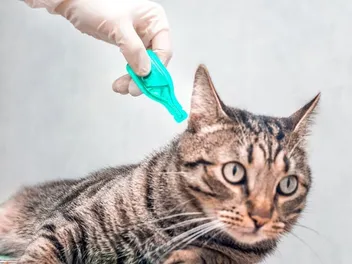
Unfortunately, most products used to repel mosquitos in humans are toxic to cats. These include bug sprays with DEET, citronella, and many essential oils. Because cats groom themselves, they can quickly ingest the products applied to their coat with dangerous results.
Some dog flea and tick preventatives also repel mosquitos, but they are not meant for cats and can be toxic to them. Never use products labeled exclusively for dogs on your cat.

Preventing mosquitoes in your home and yard will also help keep your cat safe. Removing any source of standing water—necessary for the insects to reproduce—in your yard is one of the most effective ways to limit mosquitos.
Commercial pest control is another option, but ensure your exterminator knows you have cats so they can take all necessary precautions. Several mosquito-repelling herbs like basil, rosemary, and lemon balm are safe for cats. You can plant them in a garden or grow them in pots to discourage mosquitos from staying in your yard.

Conclusion
Mosquitos bite humans and cats, both indoors and outside. Mosquito bites will not only make your cat scratch but could also put them at risk of developing life-threatening heartworm disease. Keeping your cat on a heartworm preventative will keep them safe from these mosquito-borne parasites. Because most mosquito repellents are toxic to cats, concentrate on preventing mosquitoes in the environment instead. Check with your vet before applying any new product to your cat.
Featured Image: Satheesh Cholakkal, Pexels
Expert cat care, straight to your inbox
News, insights, and useful advice, delivered to you.

No spam — unsubscribe anytime.
By signing up, you agree to our Terms & Conditions and Privacy & Cookies Policy.
How useful was this post?
Click a star to rate. You can leave written feedback afterwards. (We read all feedback.)
Elizabeth Gray is a lifelong lover of all creatures great and small. She got her first cat at 5 years old and at 14, she started working for her local veterinarian. Elizabeth spent more than 20 years working as a veterinary nurse before stepping away to become a stay-at-home mom to her daughter. Now, she is excited to share her hard-earned knowledge (literally--she has scars) with our readers. Elizabeth lives in Iowa with her family, including her two fur kids, Linnard, a husky mix and Algernon, the worldʻs most patient cat. When not writing, she enjoys reading, watching all sports, and spending time outdoors with her family.