Get

In Your Inbox

Catster is reader-supported. When you buy via links on our site, we may earn an affiliate commission at no cost to you. Learn more.

How to Stop a Cat From Scratching Themself: Vet-Approved Causes & Solutions

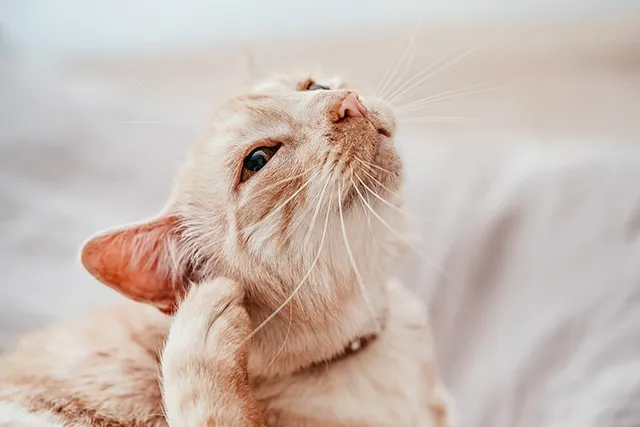
cat scratching behind head

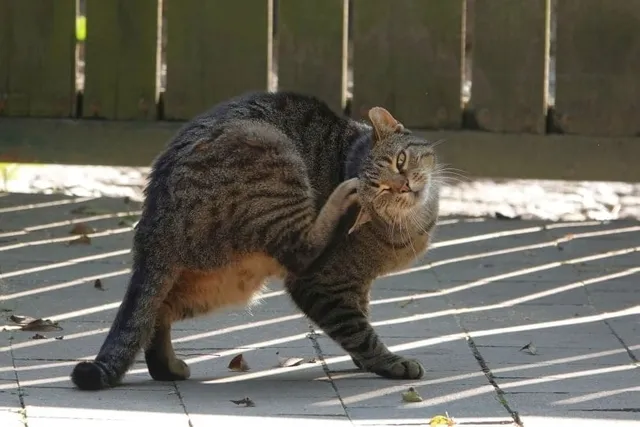
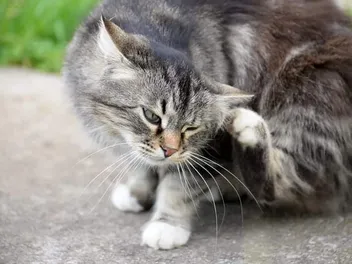
All cats scratch themselves at one time or another throughout their lives, and scratching is a natural response to irritants. Scratching should not be a regular or consistent occurrence, but occasional scratching is typically nothing to worry about. Excessive scratching, referred to as feline pruritus, is not normal and should not be overlooked.

There are a few reasons that your cat might be scratching themselves excessively. We’ll discuss the reasons and whether there is anything that you can do to alleviate your cat’s scratching.

divider 1 paws

Common Causes of Why Cats Scratch So Much & How to Stop It

1. Flea Allergies

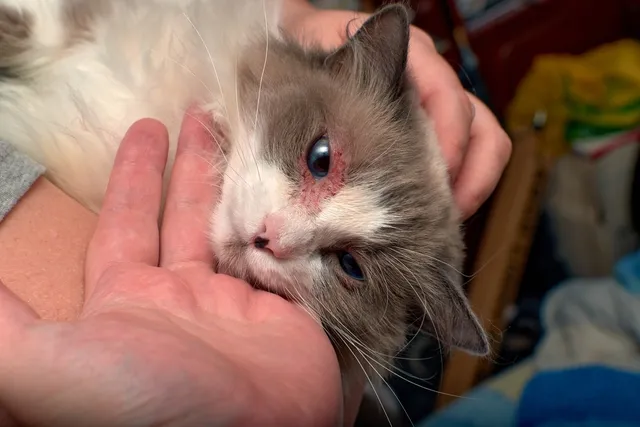
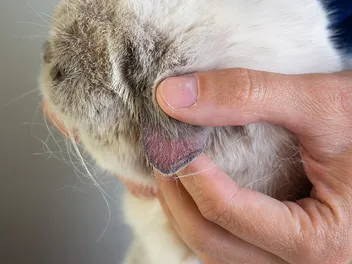
Many cats are allergic to flea saliva. When a flea bites them, and their skin and bloodstream are exposed to the flea’s saliva, their immune system overreacts. An overactive immune system can result in extensive and prolonged itching, licking, and scratching episodes. The scratching may be accompanied by other signs of flea allergies, such as skin rash, hair loss, scabs, sores, and raised bumps, often around the tail base, rump area, head, and neck.

Cats may lick so much that skin sores appear and hair falls out. Even cats not allergic to flea saliva will itch and scratch when infested with fleas, but their skin irritation won’t be as severe as in cats that are allergic.

What You Can Do About Flea Allergies
  • If you spot signs of flea allergies, you should be able to inspect your cat’s fur and skin and find at least a couple of fleas lurking about. You may get bitten and develop an itchy spot if you have a flea infestation. Often, you may find small black or brown tiny spots on your cat’s fur that resemble dirt but are flea poop, referred to as “flea dirt.”
  • If that is the case, consulting your vet, who can treat your cat for fleas but also help reduce the skin irritation they are experiencing, is the best way to get rid of their allergy signs.
  • You can use a flea comb to remove the adult fleas from the fur, but it’s essential to treat the cat and your home, too, due to the presence of flea eggs and larvae. Your veterinarian will also prescribe an appropriate monthly medication that will keep fleas from biting your cat for the long term.

If you need to speak with a vet but can't get to one, head over to PangoVet. It's an online service where you can talk to a vet online and get the advice you need for your pet — all at an affordable price!

PangoVet_Mention-in-Content for PangoVet2 save money


2. Airborne Allergies or Atopy

Another reason your cat might be scratching frequently is airborne allergies or atopic dermatitis. Cats can be allergic to pollen, other environmental allergens, and dust mites. In humans, atopy is commonly described as hay fever and exhibits runny eyes and sneezing, but cats typically show their discomfort by scratching themselves, sometimes incessantly.

What You Can Do About Airborne Allergies
  • The most effective way to deal with airborne allergies is to see a veterinarian and inquire about a dermatological workup. It may sound challenging, expensive, and time-consuming, but your vet needs to rule out the most common non-allergic skin diseases before performing allergy testing.
  • The diagnosis is sometimes based on exclusion, and a referral to a dermatologist may be recommended. Your vet and dermatologist will speak to you about managing the signs after atopic dermatitis has been confirmed, and hyposensitization therapy, alongside immunosuppressants, is available if the allergens are confirmed.
  • Your cat’s atopy can be managed with adequate therapy and regular checks. However, there can be flare-ups during pollen season, depending on the allergens they are sensitive to.
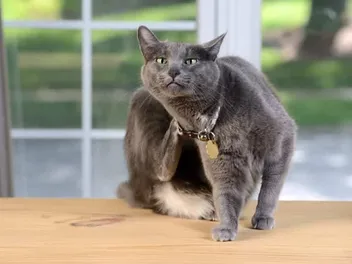
Cat scratching fleas
Image Credit: Maja Marjanovic, Shutterstock

3. Food Allergies

Food allergies can affect cats, and excessive scratching is a prime sign. Some cats are allergic to beef, while others are allergic to pork or chicken. The proteins in cat foods can be responsible for cats’ allergy reactions.

The signs of food allergies in cats include chronic skin inflammation and scratching, digestive issues, flatulence, upper respiratory signs, sneezing, coughing, ocular and nasal discharge, and others. Often, cats will suffer from a combination of allergic skin diseases, such as atopy and a food allergy, making it more challenging to manage their signs.

What You Can Do About Food Allergies
  • The food allergy signs in your cat will not go away on their own. The scratching, inflammation, and digestive or respiratory signs will stay active until the problem food is removed from your cat’s diet. Your veterinarian or a veterinary dermatologist can recommend food trials to try and identify the specific proteins your cat is allergic to so you know what to eliminate from their diet.
  • They can help you create an elimination diet to determine which foods your cat should not eat. This process may be slow, and your cat should not eat anything besides their special diet. Otherwise, the trial won’t be accurate and must start again.

4. Scabies

Scabies is a skin disease brought on by parasites called Notoedres cati in cats, but it may also be affected by the canine scabies Sarcoptes scabiei. It is incredibly contagious, and if left untreated, it can result in the development of crusty lesions starting on the ears, head, and neck and spreading over the whole body, along with consistent scratching.

This disease will not go away on its own, and until it is eradicated, the lesions and scratching will not only stick around but also worsen. Luckily, it is quite rare.

What You Can Do About Scabies
  • Your cat will need to see a veterinarian who can confirm the presence of the parasites and prescribe medication or topical solutions to kill the mites that are causing scabies. The process can take several days, if not a couple of weeks, to complete.


5. Other Mites

Ear and burrowing mites can cause scratching problems for your cat. Ear mites live inside the ear canal and can be highly irritating. The irritation drives cats to scratch their ears incessantly as time goes on. Burrowing mites eat the surface of a cat’s skin away, which causes irritation and scratching.

Both types of mites can be transferred to other animals and even humans, so your cat should be treated as soon as possible after the first sign of mites is noticed. Another species commonly seen in catteries and multi-cat households is Cheyletiella mites or walking dandruff. Scaling of the skin, crusts, and bumps are commonly present on the back of cats suffering from the mites. Some cats show no signs of infestation but transmit the mites to other pets and people.

What You Can Do About Mites
  • If you suspect your cat has a mite or any other skin parasite infestation or skin irritation, they must see a veterinarian as soon as possible. Skin issues can worsen quickly, and parasites can spread to pets and family members.
  • Trying to treat them at home is a waste of time and money since the condition will worsen without adequate veterinary care. Skin problems in cats are painful and very irritating for your kitty, so don’t delay getting them the treatment they need.

6. Stress Overgrooming

Cats are affected by minor changes in their routines or environment, such as a new pet, the arrival of a baby, changes in their litter box location or litter material, noise, new furniture, and more. This can cause some cats to hide, stop eating, or lick and groom themselves excessively to comfort themselves. It can lead to skin sores and wounds, hair loss, and, in some cases, skin infections.

What You Can Do About Stress
  • Get your cat checked out by the vet to rule out underlying causes for overgrooming, such as allergic or parasitic skin disease, pain in a specific area, or something else. Your vet may recommend a treatment to prevent further self-trauma, such as using an Elizabethan collar, in some cases, alongside corticosteroids or antibiotics.
  • Getting down to the root cause and identifying the stressor is crucial. Removing the cause of stress, using pheromone diffusers, and ensuring your cat has their privacy and a calm and quiet resting place, along with plenty of mental and physical stimulation and enrichment, are some of the ways to reduce their stress, anxiety, frustration, and stop this damaging behavior. A consultation with a feline behaviorist may also be required.
orange cat licking its back
Image Credit: ErikGlez, Shutterstock

7. Pyoderma

Pyoderma is a condition that involves puss buildup in the skin. The illness may result from various health conditions, including infections, allergies, and cancers. Luckily, it is not a common condition in cats, but any of the previously mentioned causes, such as allergies and skin parasites, through itching, licking, and self-trauma, may lead to pyoderma if left untreated. But if it does develop, it typically results in bacterial overgrowth on the skin and signs of scratching.

Hair loss and scaling, crusts, sores, bumps, and draining wounds on the back and the base of the tail are other signs of pyoderma to watch out for.

What You Can Do About Pyoderma
  • Veterinary attention is necessary to treat the onset of pyoderma in cats. A simple visit to your veterinarian’s office will provide you with an official diagnosis, and your vet will clip and clean the affected areas on the skin and prescribe appropriate antibiotics based on culture testing. Signs of scratching should start to dissipate within a few days.

divider 1 paws

Conclusion

There are many reasons that your cat might be scratching. It is essential to schedule a checkup with your veterinarian as soon as possible so you can get to the bottom of the problem once and for all. Your vet will prescribe your cat the appropriate and prompt treatment based on their diagnosis so they can finally feel better and their skin can recover.

You should speak to your vet before considering home remedies that have not been proven to work in cats, as they may worsen their skin issue and delay getting the treatment they need.


Featured Image Credit: Susan Santa Maria, Shutterstock

Want content like this delivered to you?

Sign Up For Our Newsletter

News, insights, expert advice, and everything cat

* By submitting, you agree to our Terms & Conditions and Privacy & Cookies Policy.

How useful was this post?

Click on a star to rate (you can leave written feedback after clicking submit)

Help us improve Catster for pet parents!

Your feedback really matters.

What did you like about this post? Also how can we improve it?

Join the conversation

Leave a Reply

You’re very welcome to leave a comment or question. Please know that all comments must meet our community guidelines, and your email address will NOT be published. Let’s have a positive and constructive conversation.

Talk With A Vet Online

Peace of mind,
anywhere, anytime

Affordable vet advice

Over 120,000 lbs of Donated Pet Food Delivered to Hurricane-Affected Communities Thanks to Pets Global & Locals

Pets Global, along with local college students, retailers, rescue organizations, and volunteers, have united and distributed over 120,000 lbs of donated cat and...

When To Give Up on Cats Getting Along: Facts & Tips to Introduce Them Safely

Experts generally agree that it can take up to a year for cats to forge any kind of relationship, even if it is...

How to Tell Whether a Male Cat Is Fixed: Vet-Verified Facts & Neuter Info

There is no centralized organization maintaining an accurate headcount of cats in shelters, so the best numbers we have for the total shelter...

Does Vinegar Keep Cats Away? Vet-Reviewed Facts & FAQ

Cats are wonderful creatures and one of the most popular pets in the world. Unfortunately, they can be rather destructive, causing damage to...

More related

Can Cats Eat Quinoa? Vet-Reviewed Facts to Know

Quinoa has become known as a superfood for humans. We can add it to just about anything to enhance the texture and nutrients...

Meditation and Cats: A Reflection

Hi, I’m Dr. Lauren! Read my introduction to learn more about me and my two adventurous cats, Pancake and Tiller. I have lived...

400+ Arabic Cat Names: Great Ideas for Your Cool Cat

If you want an unusual name for your feline, choosing an Arabic cat name is a great way to go. There are many...

46 Cat Jokes for Kids to Tickle Your Whiskers

If you want to entertain the cat-loving kids in your life, telling a few jokes is always a crowd-pleasing option. Sure, they might...

Keep reading

Is It True That All Cats Have Carpal Whiskers on Their Legs? Feline Anatomy Explained

There’s no question that cats are unbelievably adorable. Everything from their gorgeous eyes to their tiny little paws is nothing short of cuteness galore. But one often overlooked feature that adds to this cuteness is the whiskers. Everyone knows that...

Close up to a ginger cat paws and claws scratching carpet

8 Best Cat Foods With Taurine (2025) – Reviews & Top Picks

When it comes to selecting the best cat food for your precious feline, it can seem like there are way too many options to choose from. While most of us know that a high protein diet is important for our...

tabby cat eating from a bowl outside

Do Cats Hold Grudges? Vet-Reviewed Feline Behavior & FAQ

Few things are more upsetting to a cat owner than when their pet acts as if they were angry with them after they unintentionally hurt their pet, like stepping on their tail. While hiding under the bed after getting their...

portrait of an emotional angry cat

Can Cats Eat Frogs? Vet-Reviewed Safety Facts

If you have a rambunctious feline with a strong prey drive, you have likely come across them playing with something strange or unsavory. Cats are incredible hunters, and they will hunt almost anything smaller than themselves. In many climates, that...

Can Cats Eat Frogs

6 Natural Home Remedies to Treat Ringworm in Cats

If you own cats long enough, sooner or later, you might see them: little lesions all over the animal’s skin, right below the fur. That’s ringworm — and if you’re not careful, this highly infectious disease can spread all over...

closeup of a cat with ringworm

How to Prepare Your Cat for a New Baby: 7 Vet-Approved Tips

Cats are not fond of change, which makes it important to help prepare your cat for it. Bringing home a new baby is exciting, but all the sudden changes could be stressful for cats. There will be all sorts of...

pregnant woman sitting with cat

Do Indoor Cats Need Flea Treatment? Vet-Reviewed Facts, FAQ & Tips

There are a great number of benefits to keeping cats indoors, especially with all the dangers they could face when out and about. However, believe it or not, house cats can still get fleas, so they still need to be...

cat having flea treatment

Do Cats Eat Turtles? Vet Approved Facts & Concerns

If you have a cat in your home, you may find yourself constantly on guard against the random creatures they are known for bringing through the door. One animal found in your backyard, that may also interest you as a...

Turtle