How to Stop a Cat from Scratching Furniture: 4 Vet Approved Methods


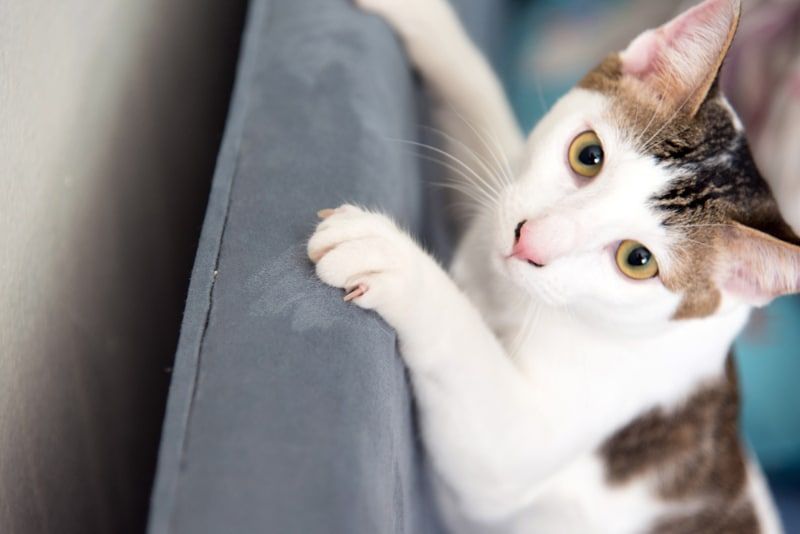
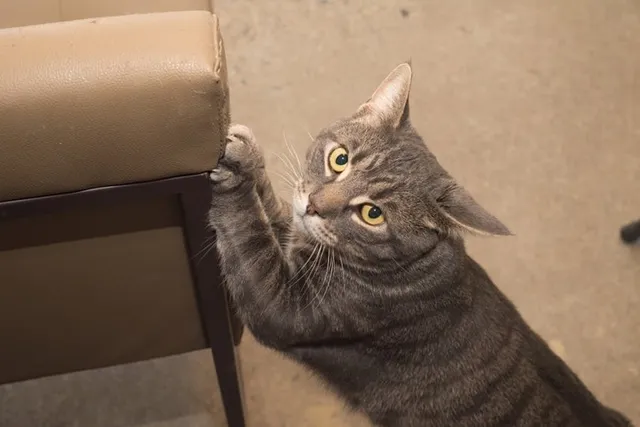
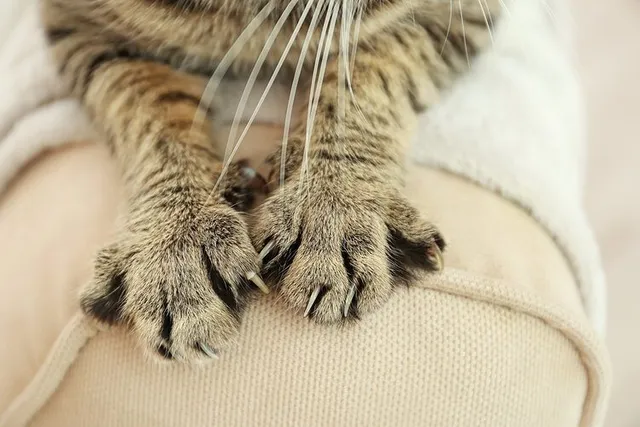
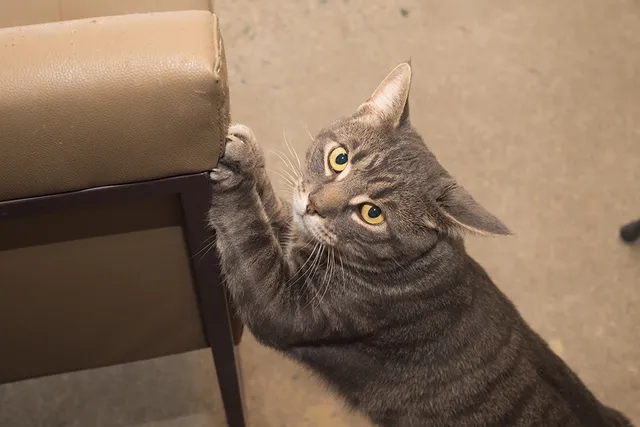
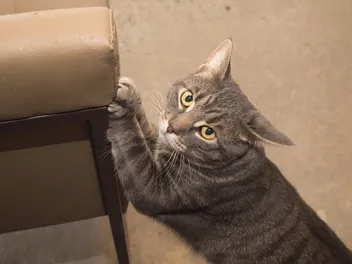
Cats are great pets, but they do have some features that can be undesirable. There is nothing more frustrating than watching your cat scratch up your furniture. Cats’ claws are extremely sharp, and they can make quick work of upholstery, wood, and leather furniture. If a cat continues to scratch furniture, it can lead to damage. Before you get upset with your cat, keep in mind that scratching is a natural behavior in cats that has to be redirected, not punished.
Here are four effective methods to stop your cat from damaging your furniture.

The 4 Ways to Stop Your Cat Scratching the Furniture
1. Keep Claws Trimmed
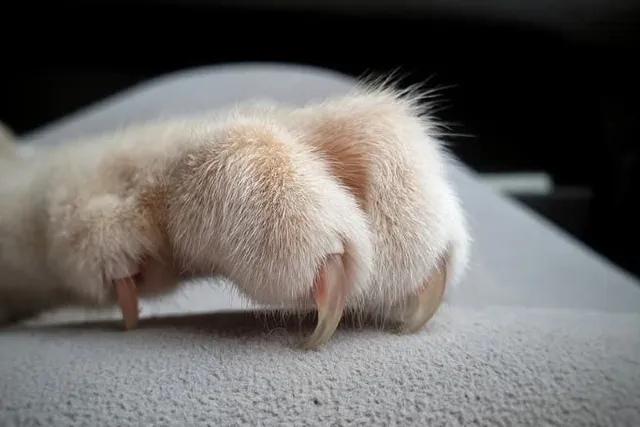
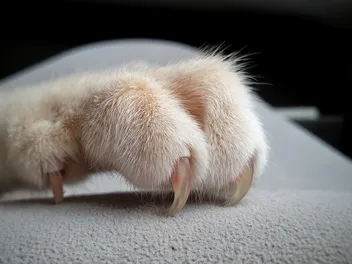
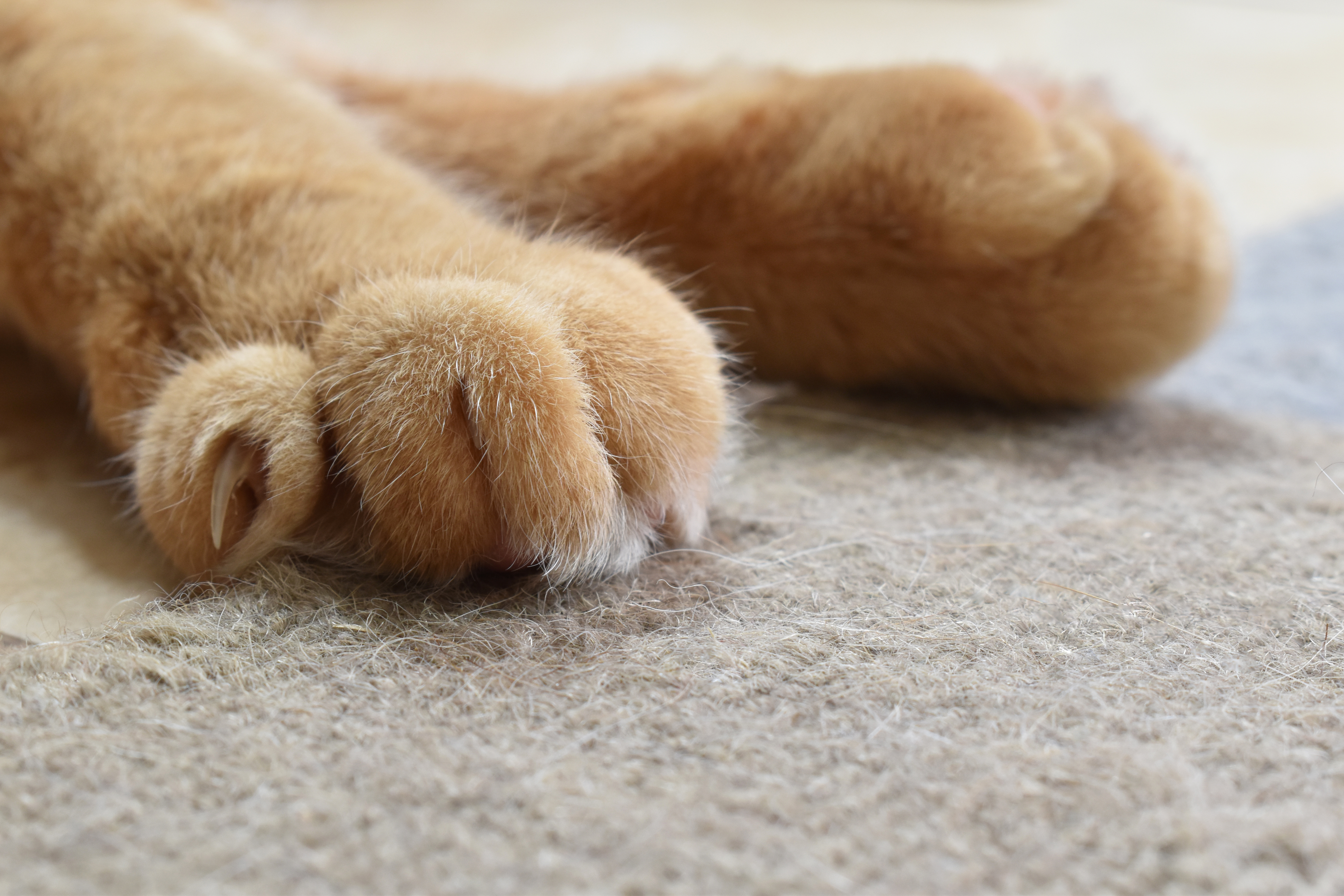
One of the best ways is to trim the nails regularly. When a cat’s nails are trimmed, the ends are blunt and can’t do as much damage when the cat chooses to scratch. You can learn to trim your cat’s nails at home with a pair of trimmers you can pick up online or in the store.
If you are not comfortable trimming your cats’ nails, you can also have them trimmed by a professional. A veterinarian can trim your cat’s claws, and many groomers will also offer nail trims as a service. Having your cat’s nails professionally trimmed does cost money, but it usually does not cost much.

- Complete Set - These cat nail clippers include both a large and small pair, meaning it works well as a kitten claw trimmer when they're a small kitty, and then before you know it, as a cat nail cutter
- Razor Sharp Stainless Steel - The most comfortable cat nail clippers for indoor cats provide a fast and clean cut. And for rough residuals remaining, the free cat nail file included can smooth it all.
- Safety First - With a safety nail guard and locking spring, you can make sure every grooming cut is stress free for you, and pain free for your purry pal
Trimming your cat's nails at home can be hard, but having a professional do it can be expensive. With the help of great tools like Hepper's Cat Nail Clipper Set, you can easily and quickly trim your cat's nails at home. This set includes two pairs of stainless steel clippers with safety guards and locking mechanisms, plus a built-in nail file and a convenient pouch.
At Catster, we’ve admired Hepper for many years and decided to take a controlling ownership interest so that we could benefit from the outstanding designs of this cool cat company!
2. Provide a Scratching Post
Another thing you can do to prevent your cat from scratching your furniture is to provide your cat with a high-quality scratching post or scratching pad. These products are designed to be scratched, and once your cat knows how they work, they will often prefer to scratch the scratching post rather than your furniture.
Cats can be trained to exhibit certain behaviors and redirecting them from the furniture to the scratching post is something your cats can learn over time. They might not scratch the post right away if they like scratching the couch, but if you redirect them to the post over and over again, they will eventually learn. Products like catnip and treats can attract your cat to the scratching post, making them more likely to use it.
Make sure you get a good scratching post or pad that will hold up over time. You don’t want to get a low-quality product that will not last very long. If your cat chews up a scratching pad too quickly, you will be left with a mess and be looking for replacements in no time. It is a good idea to invest a little bit upfront for a product that you know will last rather than one that will fall apart in a matter of days. That way, your cat will not return to scratching your furniture very quickly.
Another excellent way to help your cat maintain their nails is by introducing them to a cat scratcher. The Hepper Hi-Lo is the perfect alternative to a regular scratching post or cat tower and doubles as a fun and exciting way for them to keep their nail length at bay. Cardboard is the main attraction, because we all know how much cats can't resist it, and the scratcher itself was created to encourage play with its multi-position design.
If you are looking to keep nail trims to a minimum and your cat entertained for hours, the Hepper Hi-Lo Cat Scratcher is a must-have.
At Catster, we’ve admired Hepper for many years, and decided to take a controlling ownership interest, so that we could benefit from the outstanding designs of this cool cat company!
3. Remove the Cat from Furniture When They Start Scratching
If you find your cat in the middle of scratching furniture, simply pick them up and remove them from the furniture. It is a good idea to place them on a scratching pad or in an area where they are allowed to scratch instead.
You can also restrict cats from accessing their favorite furniture pieces to scratch on, cover the furniture with plastic or aluminum foil, or spray the furniture with a little deodorant, which might deter your cat. Scratching has a scent-marking component, making cats more likely to re-scratch areas they have been using; use an odor-remover to remove these attractive scents.

4. Train Your Cat
One effective way to keep your cat from scratching furniture is to deter them. This does not mean yelling at them or rough handling them, as this will scare but not teach them. Punishments, like spray bottles and loud noises, usually don’t teach cats but rather teach them to fear you. Instead, reward your cat with treats for using the scratching post.
If you need guidance on training your cat, we suggest you speak to a professional trainer or a vet.

Why Do Cats Scratch So Much?
Scratching is an instinct. Cats scratch as a way of looking after their claws. They also do it to mark their territory, and it is a sign of confidence. In the wild, cats leave marks on trees to let other animals know that there is a cat in the area. The claws also leave their scent on the tree. To this day, tigers do this and leave very visible wounds that let others know that this is tiger territory.
Your cat does the same thing but inside of your home. Leaving scratch marks on furniture is a visible way to let anything coming into the house know that there is a cat around. A scratching post that shows signs of scratching will help your cat fulfill this instinctual need to mark territory.

What About Declawing?
Declawing cats used to be more popular in years past. Declawing was a procedure in which a cat’s claws were surgically removed, along with the last phalanx of each digit. This would prevent your cat from scratching anything, but is now widely considered to be controversial, even unethical, because it is invasive, done for human convenience, strips a cat of natural behavior, and can lead to long-term problems.
It is not recommended that you look into the procedure. It is now recommended to manage a cat’s scratching instead of declawing.

Conclusion
Cats that scratch furniture can be highly frustrating for people, but the cat doesn’t think they are doing anything wrong. The good news is that there are several methods that can be employed to get them to direct this natural behavior onto more appropriate objects. These methods are all effective and will help your cat learn to stop scratching furniture.
These four methods work best when used together. Remember to be consistent and never punish them. Over time, your cat will stop scratching your couch and start scratching their scratching post (or whatever you landed on for an approved scratching item).
Sources
Featured Image Credit: Yimmyphotography, Shutterstock
Expert cat care, straight to your inbox
News, insights, and useful advice, delivered to you.

No spam — unsubscribe anytime.
By signing up, you agree to our Terms & Conditions and Privacy & Cookies Policy.
How useful was this post?
Click a star to rate. You can leave written feedback afterwards. (We read all feedback.)
Grant is a freelance writer with years of experience writing about a diverse range of topics. He currently lives in his home state of Florida with his wife. His days are spent writing, raising a rambunctious son, and caring for eight animals (two horses, two donkeys, two goats, and two dogs). In his free time he enjoys slowly carving out a quaint hobby farm from the Southern scrub.