How to Stop a Cat From Scratching Your Couch: Vet-Reviewed Guide


In this article
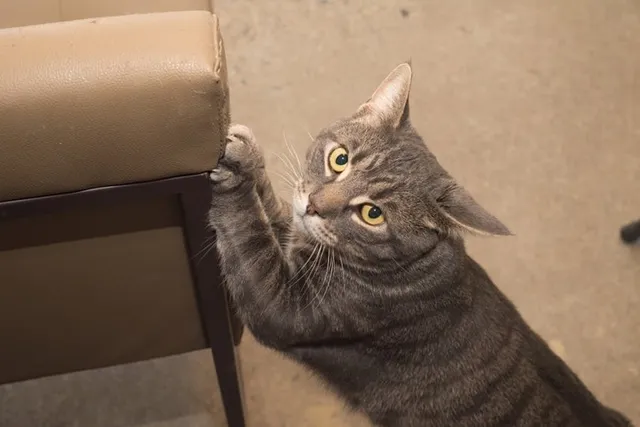
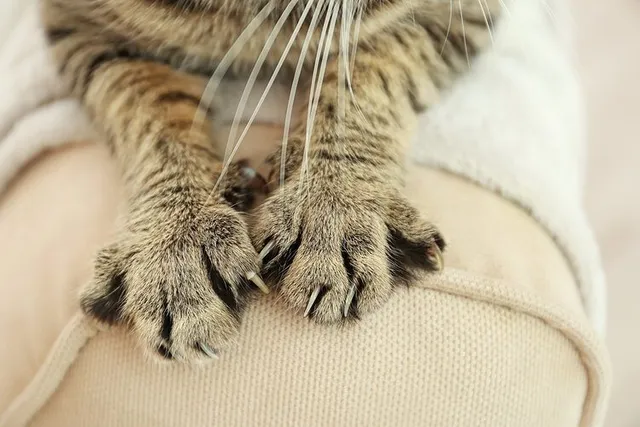
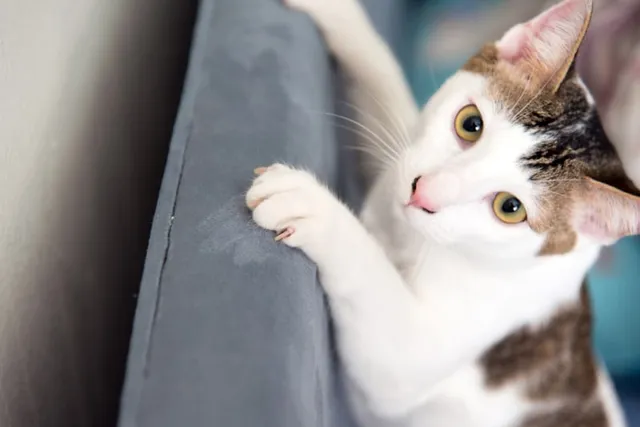
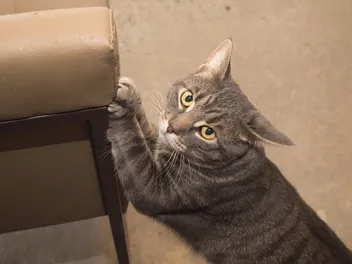
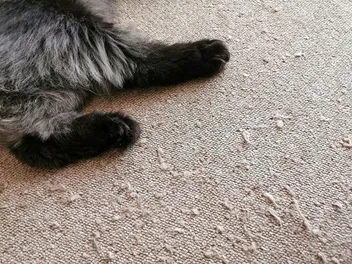
If you’ve just invested in a beautiful new couch, seeing your cat raking their claws down the side can be a little horrifying. Scratching is an instinctive behavior for cats, so you’ll never be able to stop your cat from scratching, nor should you. What you can do, however, is redirect their behavior to something other than your couch! There are a few ways to stop your cat from scratching your couch or any other piece of furniture. But first, it makes sense to figure out exactly why your cat is carrying out this behavior. That way, you can tailor your solution to meet their needs, which should equal success!

Why Does My Cat Scratch the Couch?
Possible Causes Your Cat Is Scratching
How Can I Stop My Cat from Scratching My Couch?
It’s essential that cats have somewhere to scratch since it's an instinct that they can’t control. Take a good look around your house. Have you provided your cat with other surfaces to scratch on? If not, the couch is probably their only option! We recommend a two-pronged approach to prevent your couch from getting scratched, which includes:
- Offering your cat a variety of other surfaces to scratch on
- Making the couch a less desirable place to scratch
It’s essential to deal with the first step because, without providing an alternative surface, your cat will still use the couch, even if you make it less attractive to your cat. Let’s take a closer look.
1. Offering Your Cat a Variety of Other Surfaces to Scratch On

Scratching is an instinctual behavior. Your cat is always going to want to scratch, no matter what. The key is providing surfaces that you don’t mind them scratching! Adding scratching posts and making them more appealing than your couch is the way to go. We recommend:
- A tall scratching post (or two!)
- A horizontal scratching pad or one with a gentle incline
- A hanging scratcher
It's best to experiment with different scratching surfaces to see which ones your cat likes the most. Take note of how your cat angles themselves when they scratch, and look for a scratching surface that mimics that shape.
Cats who love reaching high with their claws and then dropping their bodies down will appreciate a tall, upright scratching post. Other cats that love to get down low to scratch will probably prefer a horizontal or gently angled surface. These are often made from cardboard and are less expensive.
One of our preferred scratchers, the Hepper Hi-Lo Modern Cat Scratcher, is a surefire way to keep your kitty out of trouble (or at least away from scratching the things they should not!). It's not only stylish, but it's functional as well. It's made of sturdy cardboard with a durable plywood and metal frame and can be set up in three different ways – high, low, or lower. The different positions encourage maximum engagement, exercise and stretching, and of course, intense scratching (they can throw their whole body into it).
With the Hepper Hi-Lo, your cat gets to have a blast scratching like a maniac, and you don't have to worry about them causing so much chaos or scratching your stuff. There are even replacement cardboard pieces available, so you really can let your cat go to town on this, and know that it will be long lasting. Click here to learn more about this awesome scratcher.
At Catster, we’ve admired Hepper for many years, and decided to take a controlling ownership interest, so that we could benefit from the outstanding designs of this cool cat company!
You can also make a DIY scratching post.
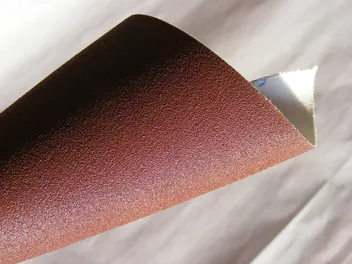
Scratching posts are often covered with or made from:
A Warning on Carpet Scratching Posts You may see scratching posts covered with carpet, but they can be problematic. Using a post covered with carpet can teach your cat that carpet is an acceptable surface to scratch. This may be fine on the scratching post, but probably not if your cat starts scratching your new bedroom carpet. How are they supposed to know the difference? Unless you have a house with no other carpeted surfaces, scratching posts covered in carpet can send mixed messages to your cat. Choose the Right Size Scratching Post for Your Cat Cats prefer tall and sturdy scratching posts because they want to reach up as high as possible and lean their whole weight onto the post. If you bought a small and flimsy post that falls over the first time your cat tries to use it, they’ll likely never go near it again! A scratching post for an average-sized cat must be at least 31 inches tall. For larger breed cats, like Maine Coons, go even taller!
You might also be interested in: Best Cat Booties to Stop Cats from Scratching During Grooming & Vet Care
Make the New Scratching Post Attractive to Your Cat Once you have your new scratching post, it’s time to make it your cat’s new favorite place! Sprinkle it with catnip, spray a pheromone spray like Feliway on it, and place a few of your cat’s toys or treats on it. Encourage your cat to come over and investigate. When they do, offer them treats and plenty of praise.
2. Making the Couch a Less Desirable Place to Scratch
Couches are a natural place for cats to scratch because the arms are usually a good height, and the couch is sturdy enough that your cat knows it won’t topple over on them. Once your new scratching surfaces are in place, it’s time to break your cat’s habit of scratching your furniture. You can do this by making it less pleasant or available for your cat to use. First, place a new scratching post directly in front of the area your cat used to scratch the most. Hopefully, with catnip and toys on the post, your cat will go for it first. If they’re still using the furniture, there are a few other things to try, including:
- Covering the arm of the couch with a sheet or tin foil
- Using a tape like Sticky Paws Furniture Strips. It has an unpleasant texture that cats don’t like to touch

Keep Your Cat’s Nails Trimmed
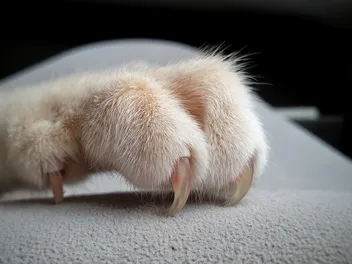
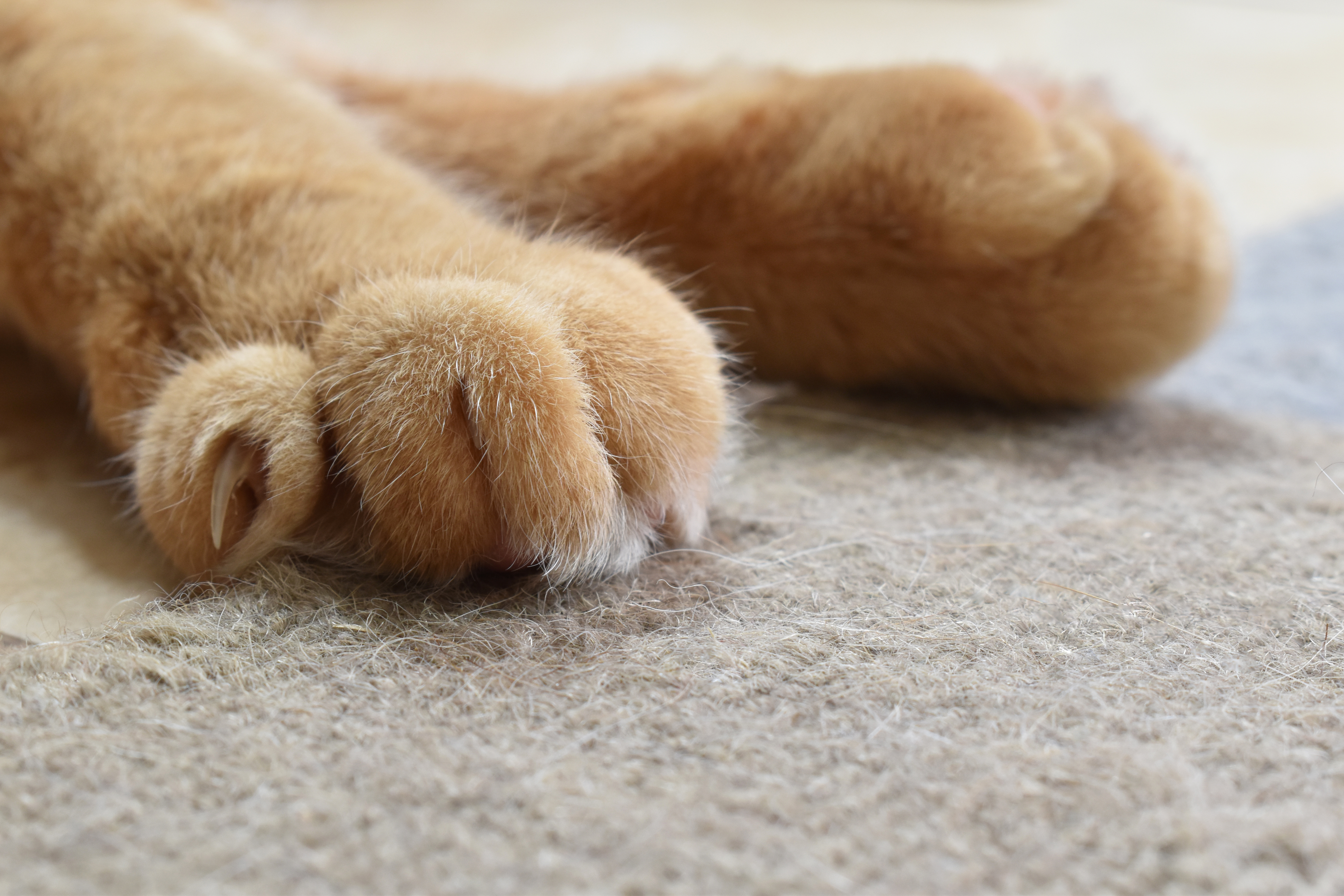
The sharp end of your cat’s nail usually does the most damage to furniture. So, keeping their nails trimmed regularly can reduce damage if your cat has a momentary lapse and heads for the couch.

- Complete Set - These cat nail clippers include both a large and small pair, meaning it works well as a kitten claw trimmer when they're a small kitty, and then before you know it, as a cat nail cutter
- Razor Sharp Stainless Steel - The most comfortable cat nail clippers for indoor cats provide a fast and clean cut. And for rough residuals remaining, the free cat nail file included can smooth it all.
- Safety First - With a safety nail guard and locking spring, you can make sure every grooming cut is stress free for you, and pain free for your purry pal
Stopping your cat from scratching can be tricky, but keeping their nails trimmed can help. Hepper's Cat Nail Clipper Set can make it easier, with sharp stainless steel blades for precision clipping and ergonomic, non-slip handles. The built-in safety guard and locking switch will keep you and your cat safe, and the two different sizes of clippers will allow you to handle any size or angle of nails.
At Catster, we’ve admired Hepper for many years and decided to take a controlling ownership interest so that we could benefit from the outstanding designs of this cool cat company!
What About Declawing?
Some people used to suggest that you have your cat declawed if they keep scratching your couch. This procedure is an actual amputation, and the last third of your cat’s toes, the section containing the claw and the underlying bone, is what gets removed. This is a highly invasive and painful surgery for cats. Declawed cats can’t defend themselves from predators, so they should never be allowed outside. They can also suffer from litter box problems, aggression, and chronic pain.
Many humane associations, including the ASPCA, now condemn declawing, and it should never be used as a solution to a behavioral problem. It is even banned and considered illegal in many states and countries across the world, raising awareness about the serious downsides of this procedure. The steps outlined in this article will be far more effective and ethical with your cat’s welfare in mind!
The Changes Will Take Time
Remember that transitioning from your cat using the couch to scratch to using a new, more appropriate surface can take time. Spending 15-20 minutes several times per day playing with your cat near their new scratching surface can encourage them to view the area as a nice place where they will want to hang out.
Be patient, and before long, your cat should be happy using their new scratching surfaces, and your couch will no longer be the object of their attention!
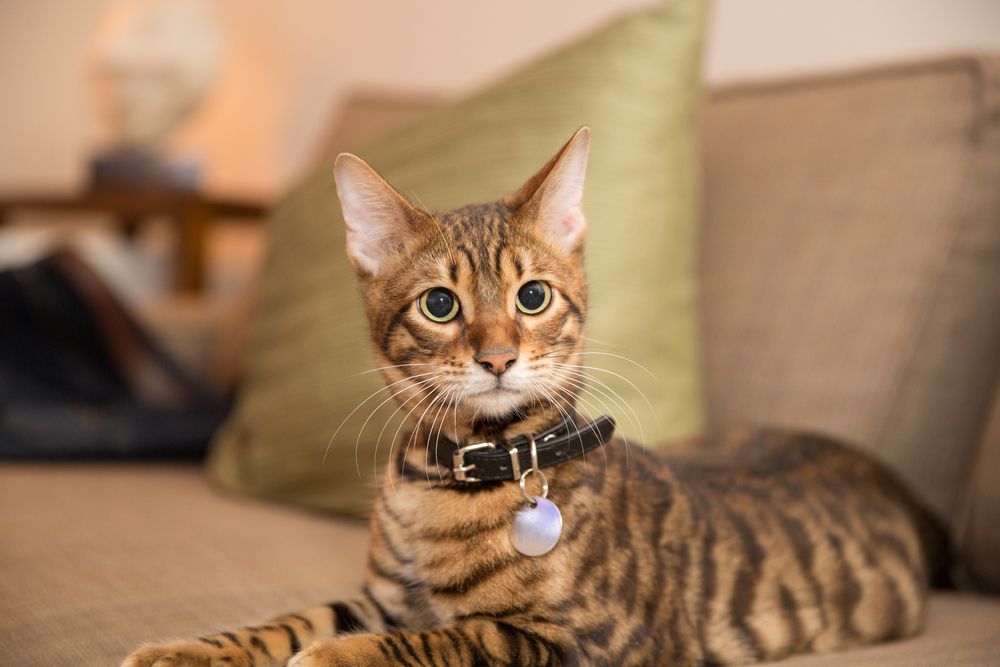
Featured Image Credit: stockelements, Shutterstock
Expert cat care, straight to your inbox
News, insights, and useful advice, delivered to you.

No spam — unsubscribe anytime.
By signing up, you agree to our Terms & Conditions and Privacy & Cookies Policy.
How useful was this post?
Click a star to rate. You can leave written feedback afterwards. (We read all feedback.)
Emma is a freelance writer, specializing in writing about pets, outdoor pursuits, and the environment. Originally from the UK, she has lived in Costa Rica and New Zealand before moving to a smallholding in Spain with her husband, their 4-year-old daughter, and their dogs, cats, horses, and poultry. When she's not writing, Emma can be found taking her dogs for walks in the rolling fields around their home...and usually, at least some of the cats come along, too! Emma is passionate about rescuing animals and providing them with a new life after being abandoned or abused. As well as their own four rescue dogs, she also fosters dogs for re-homing, providing them with love and training while searching for their forever homes.