How to Stop Your Cat Scratching the Sofa: 7 Vet-Approved Ways


In this article
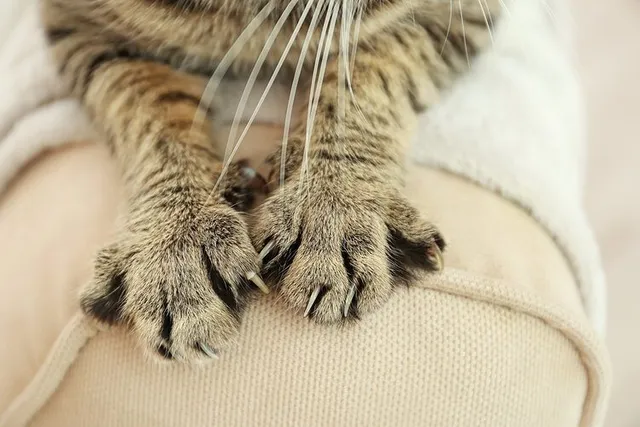
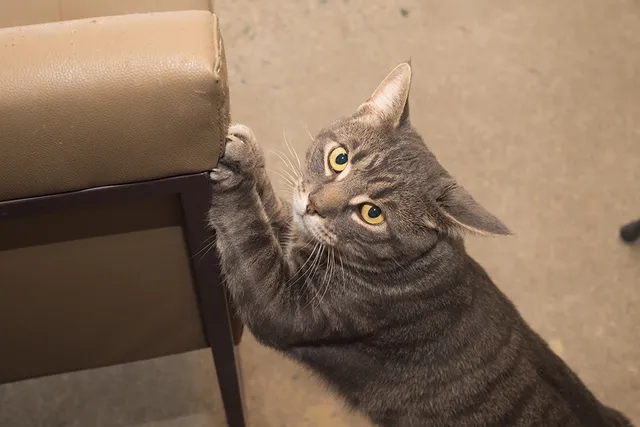
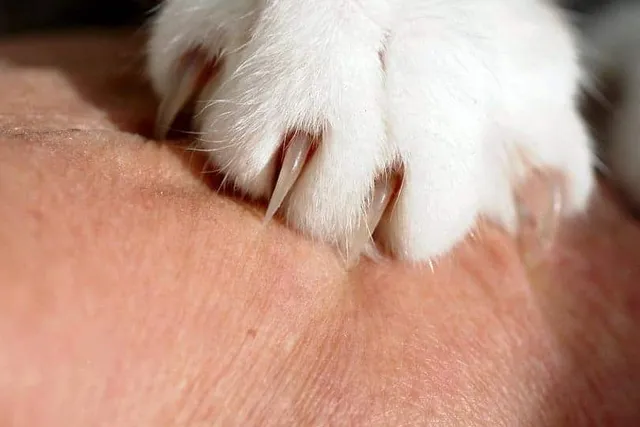
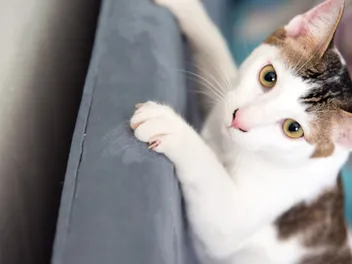
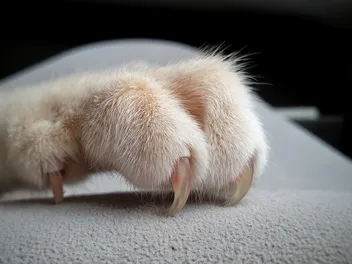
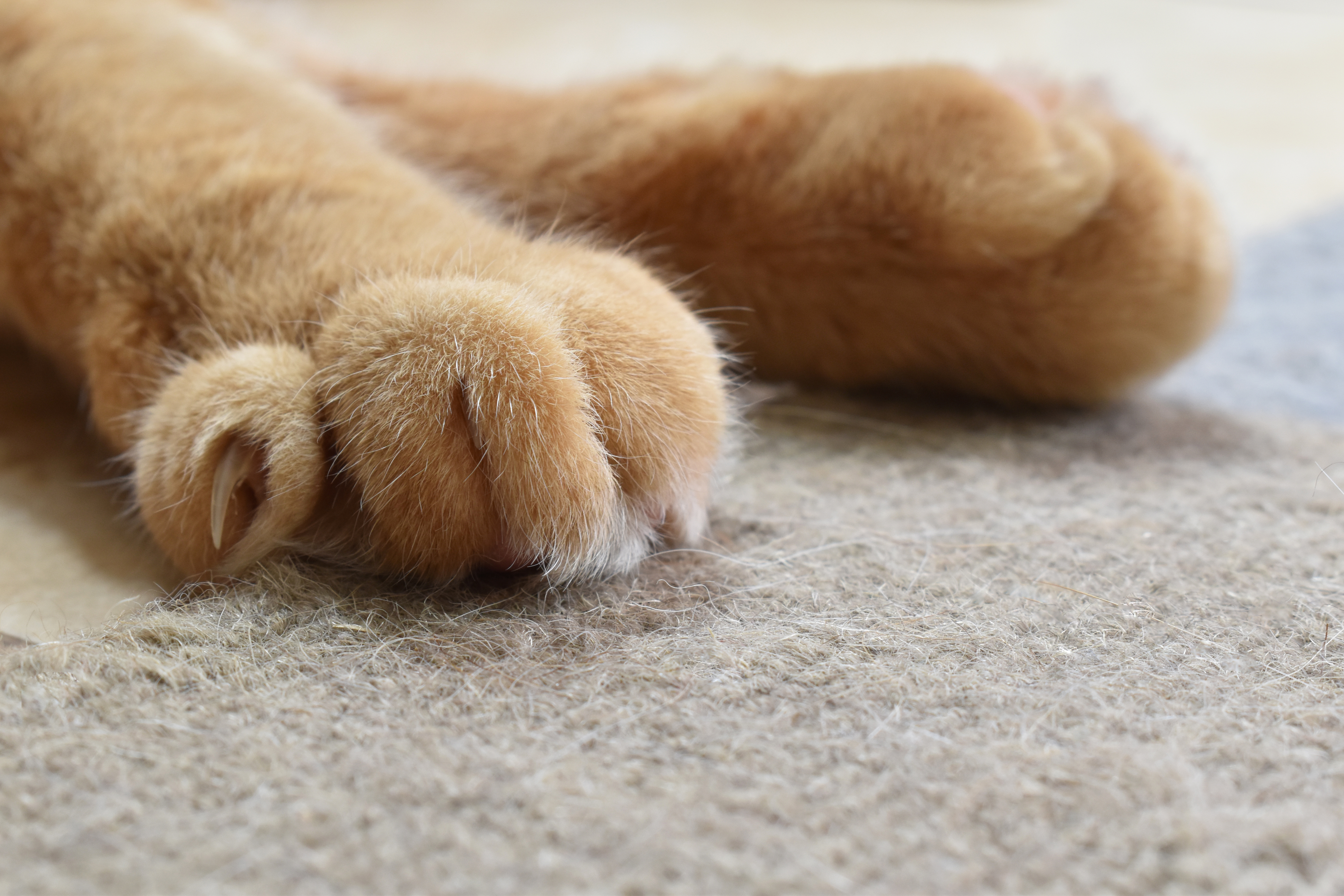
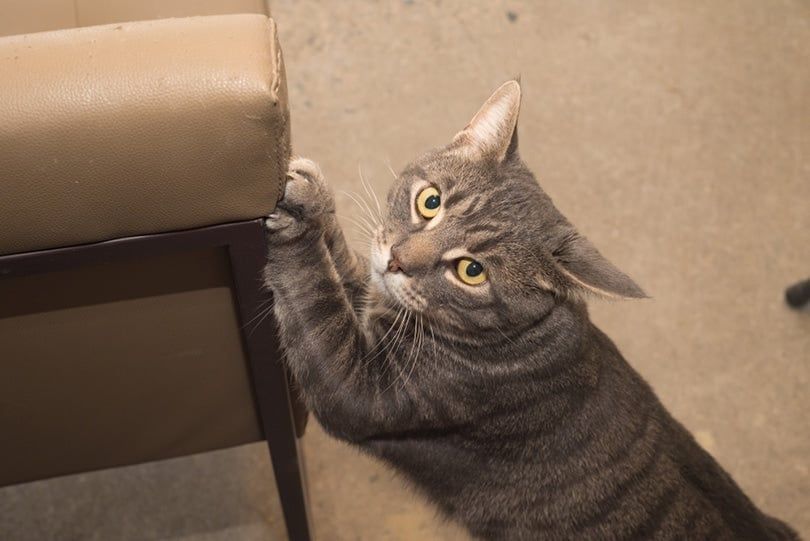
We love our cats, but that doesn’t mean that we love their habits. One of the behaviors that many cat owners complain about is furniture scratching. Scratching is a natural behavior that cats engage in to mark their territory, relieve stress, and maintain their nails. When you catch your cat scratching the sofa, they aren’t trying to upset you–they’re just engaging in normal behaviors that are good for them.
Stopping your cat from scratching is not good for them, as they need to scratch. However, you can prevent your cat from scratching your furniture. In this article, we will provide seven tips and tricks to stop your cat from scratching the sofa.

The 7 Ways to Stop Your Cat Scratching the Sofa
1. Offer Your Cat an Alternative
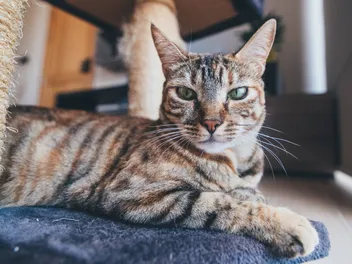
When trying to prevent your cat from scratching up the sofa, the first step is to make sure they have several suitable scratching posts around the house. Scratching products, such as Hepper’s Hi-Lo Scratcher, are a great way to engage in your cat’s natural scratching behaviors in a non-destructive way.
Once you’ve placed a scratcher for your cat, try sprinkling a bit of catnip on it to attract their attention and encourage them to use it.

At Catster, we’ve admired Hepper for many years and decided to take a controlling ownership interest so that we could benefit from the outstanding designs of this cool cat company!
2. Find the Perfect Place for Your Cat’s Scratcher
Don’t just put your cat’s scratcher anywhere. Instead, you should place it in a prime location that will make your cat much more eager to scratch it than your furniture. It’s a good idea to place a scratcher near the furniture that your cat loves to dig their claws into. Similarly, cats enjoy when their scratchers are located near other household members, as they are social animals. Putting the scratcher in a living room or other commonly populated area will set you and your cat up for success.
3. Use DIY Sprays
If your cat is taking a while to adjust to the scratcher, you can take steps to make your furniture less enticing to them. One way to do so is to spray your furniture with DIY or commercial pet-safe cat repellent sprays. Combining equal parts apple cider vinegar and water into a spray bottle and spraying your furniture can keep it safe from your pet. To ensure that this spray doesn’t harm your furniture, you should test it on a small area before spraying everywhere.
It is important to note that you should never spray your cat with a DIY repellent spray. These sprays are not designed to be used on your cat and can be quite harmful.

4. Make Furniture-Scratching Unpleasant With Tape
Another way to repel your cat from the furniture is to use double-sided tape. Cats don’t like the stickiness of double-sided tape, so stick it all over your victimized furniture and watch how quickly your cat begins to avoid it. While your cat may attempt to scratch the furniture a few more times, eventually, they will associate the furniture with the unpleasant sensation of tape and move on to scratch other, more pleasant things (hopefully the scratcher).
5. Take Advantage of Pheromones
Pheromone products can be useful not only for helping cats feel calm but also for managing unwanted scratching. Feliway Feliscratch mimics the natural pheromones cats deposit when scratching to mark their territory. By applying it to the desired scratching posts, you can encourage your cat to scratch there instead of your furniture.
At the same time, using other Feliway products (such as diffusers) can help create a more relaxed environment, which may further reduce stress-related scratching behaviors.

6. Clean Up Their Favorite Furniture
Cats are drawn to areas where they have scratched before, meaning they are liable to scratch there again. To try and break up their pattern, you can clean your furniture to throw them off the scent–literally.
When cats scratch furniture, they are depositing pheromones onto the fabric. With a specialized enzyme cleaning product, you can neutralize the odor and discourage your cat from returning there for more scratching action. Your cat may still be lured in by the memory of scratching those spots, though, so this method may be best used in combination with others on this list.
7. Protect Your Furniture
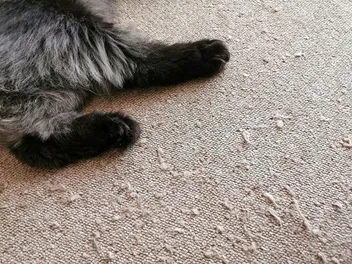
Even with training and scratching posts, some cats may still occasionally turn to the sofa. A simple way to protect your furniture is to use a durable sofa cover or throw. These covers not only prevent scratches and snags on the upholstery but are also much easier to clean and replace if needed.
Choosing a tightly woven or textured fabric can make the surface less appealing for scratching. You can also combine this approach with regular nail trimming and positive redirection to scratching posts to reduce the risk of damage even further.

What Not to Do When Your Cat Scratches Furniture
Although dealing with scratched-up furniture can be frustrating, you must keep a level head. When confronting this issue, there are a few things that you should not do.
Firstly, you should never have your cat declawed. The process of declawing your cat includes the removal of the claw and the first toe bone, which involves an unnecessary and painful amputation. Their inability to engage in scratching may lead to behavioral issues.

Secondly, do not punish your cat. As mentioned throughout this article, scratching is a normal and instinctual behavior in cats. Punishing your pet for a behavior that they should perform for their own well-being will only serve to break your bond and induce anxiety in your cat.
Finally, you should not force your cat to use a scratcher. While scratchers are useful and important for cats to have, forcing your cat to use them by physically moving their paws up and down on them will only make the scratcher seem threatening and unappealing. Furthermore, you may strain your cat’s trust in you.
Conclusion
No one likes to come home to see their furniture has been destroyed. Thankfully, your cat’s scratching behavior doesn’t have to escalate to that point. While you cannot (and should not) prevent your cat from scratching, you can redirect their behavior to a scratcher by making the scratcher more appealing than the furniture. Through a combination of the methods listed above, your cat can transition from using nails on furniture to a scratcher.
Sources
Featured Image Credit: Melissa Sue, Shutterstock
Expert cat care, straight to your inbox
News, insights, and useful advice, delivered to you.

No spam — unsubscribe anytime.
By signing up, you agree to our Terms & Conditions and Privacy & Cookies Policy.
How useful was this post?
Click a star to rate. You can leave written feedback afterwards. (We read all feedback.)
Cats are Jordyn’s passion. Whenever she has the opportunity she loves to learn about animals and share her knowledge with everyone. She is devoted to her sassy tabby cat named Jack and works hard to buy him his favorite treats and toys. Discovering new ways to better care for her cat is always on her to-do list, and she is eager to help pet parents everywhere. In Jordyn's spare time, she loves to write, read, and take long walks. She has a creative spirit, which often helps her to come up with funny cat names.