How to Remove Cat Litter Smell From a Room: 8 Vet-Verified Tips & Tricks


Cat owners love their cats; there's no denying that. But not one has ever remarked how much they love the smell associated with owning cats.
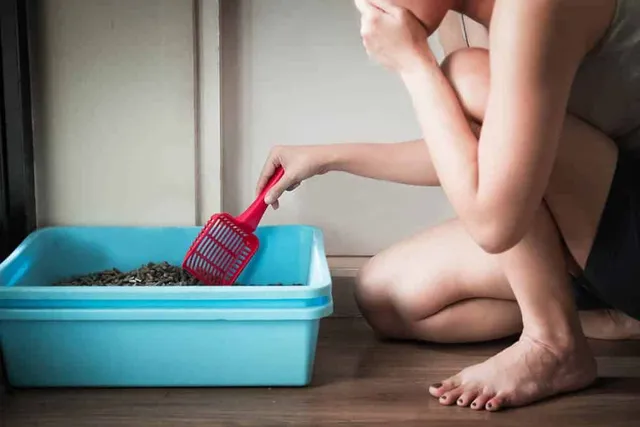
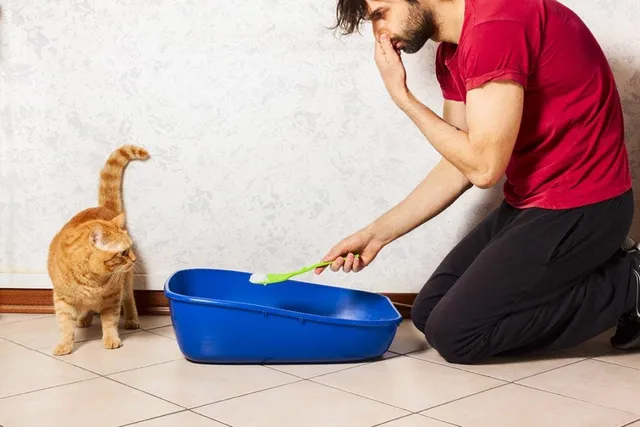
There is nothing worse than the scent of cat litter taking over your home. If your cat's litter box stinks up your spaces, you need to reevaluate the litter box system, placement, and cleaning regimen you have in place. Read on to find nine helpful tips and tricks for ensuring your home doesn't smell like cats live there.

The 8 Tips on How to Remove Cat Litter Smell From a Room
1. Choose the Right Litter Box
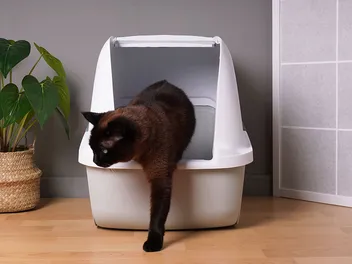
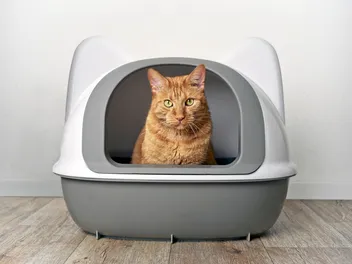
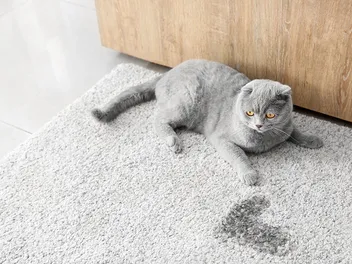
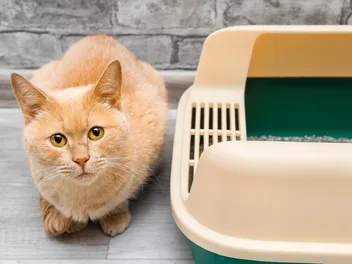
While it might seem that litter and waste make your cat's box smell, it could actually be due in part to the box you're using. Cats are incredibly finicky creatures, especially when it comes to their toileting habits. A box that's too small can result in messes and behavioral issues, like eliminating in other places around your home and spreading the odor everywhere.
The litter box should be sized appropriately to accommodate your kitty comfortably. A good rule of thumb is to choose a box at least 1.5 times the length of your pet and as wide as your kitty is long. This ensures you're not only managing the litter and waste odors but also keeping your cat comfortable.

2. Avoid Using Harsh Chemicals or Heavily Fragranced Cleaners When Washing
Cats are very sensitive to smells, so avoid using any chemical or heavily fragranced cleaner on their litter box. An overpowering chemical scent may make them less likely to return to the box to do their business. Use a cleaner that is not overwhelming. A great tip is to clean the box with a non-scented enzymatic spray cleaner after the wash. This will ensure there is no lingering smell left behind.
Our Favorite Enzyme Cleaner
The Hepper Advanced Bio-Enzyme Pet Stain & Odor Eliminator Spray is our favorite enzyme cleaner out there. It permanently removes even the very worst kitty stains and smells, leaving your home fresh and clean! Click here to learn more about this amazing product and get yourself a bottle.

- ADVANCED ENZYMATIC CLEANER - Penetrates the most stubborn smells and stains at the deepest molecular levels to dissolve any pet mess you encounter and lift it away at the source.
- FOR ANY MESS, ON ANY SURFACE - This pet odor eliminator cleans your carpets, floors, furniture, fabrics, and more. Whether it's urine, feces, vomit, or drool, you can erase all foul spots and smells!
- FRESH, NATURAL ODOR - Our unique formulation doesn't rely on dangerous or unpleasant chemical fragrances to get the job done. We eradicate smells and stains, not just cover them up.
At Catster, we’ve admired Hepper for many years, and decided to take a controlling ownership interest so that we could benefit from the outstanding products of this cool cat company!
3. Scoop Litter Daily
We don't leave our toilets unflushed all day long, as it's not only gross, but it'll get smelly, too. The same applies to your cat's litter.
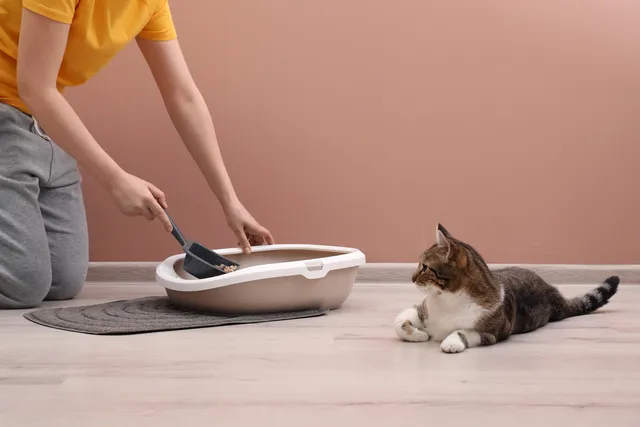
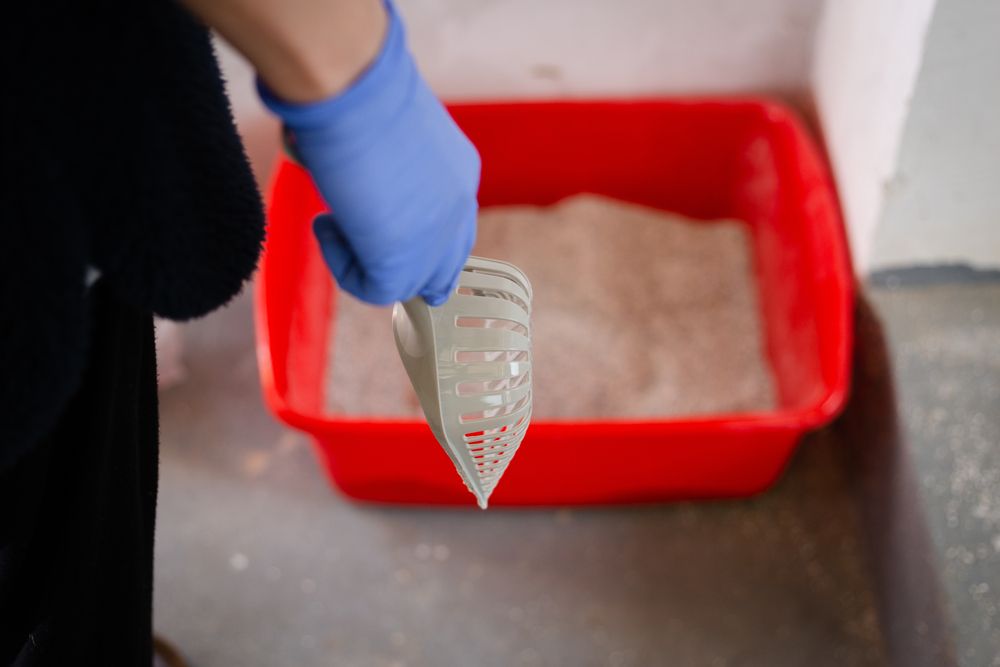
Make it a point to scoop the litter in the morning and before bed. This will cut back on odors and make your cat happier, as they're much more likely to use a fresh litter box than one filled with clumps of old pee and poop.
4. Use a Litter Additive
Litter additives are an excellent tool for controlling litter box scents. They're typically formulated with active charcoal or baking soda that helps to absorb and remove the unwanted scents, and since some are fragrance-free, they won't just mask the odor with an artificial scent. There are litter additives that work with all types of litter, regardless of whether you use traditional clay style, crystal, corn, non-clumping, etc.
5. Replace the Litter Often
Unfortunately, scooping away the waste and adding fresh litter on top of the old stuff isn't an effective way to manage odors. You'll need to completely replace the litter in your kitty's box at least once weekly to reduce the smells.
When the box is emptied, clean it thoroughly with a soapy solution and warm water.
6. Bypass Scented Litters
While it might seem as if a scented litter will be the answer to keeping your cat's litter box smelling fresh, these aren't the best types to use. Most cats don't like strong scents, which may make them more likely to avoid using their box if you're using heavily scented litter.
7. Reconsider Your Litter Box Placement
Where you place your litter boxes in your home can have a significant effect on how well the scents carry throughout your spaces. It is especially true to consider your litter box placement when you have multiple cats.
The ideal place for the box is somewhere with good ventilation. There should be one box on every level of your home so they have access regardless of where their day's adventures take them.
You might need to put your litter box in an area you can block off or keep doors shut, such as a laundry room or garage. You'll need to install a kitty door so they still have access, though.
Try to avoid areas with heavy foot traffic or excess noise to ensure your cat feels safe and comfortable when doing their business.
Pro Tip:

8. Store Used Litter Properly
How you dispose of your cat's used litter can have a significant impact on the odors in your home. Scooping it directly into your garbage can may not only cause awful scents to linger, but the weight of the waste can poke holes in your bag. This may mean you end up with litter particles sitting in the bottom of your can, smelling up your home.
Instead, scoop the litter into the garbage or compost bags and tie the ends in a knot. Take them immediately to your outside trash bin.
You can also invest in a litter disposal system, like the Litter Genie. They come in multiple sizes and can hold up to 4 months' worth of litter.
Final Thoughts
There is nothing worse than walking into someone's home and knowing immediately that they have cats, thanks to that tell-tale litter scent. With our eight tips above, you can not only ensure your home won't fall into that category, but you can also keep your cat healthy and happy with proper litter box hygiene and a regular cleaning schedule.
Featured Image Credit: Robert Petrovic, Shutterstock
Expert cat care, straight to your inbox
News, insights, and useful advice, delivered to you.

No spam — unsubscribe anytime.
By signing up, you agree to our Terms & Conditions and Privacy & Cookies Policy.
How useful was this post?
Click a star to rate. You can leave written feedback afterwards. (We read all feedback.)
For Chantelle, writing and animals are the two driving forces in her life. Growing up on the Canadian prairies surrounded by pets, she now shares her home with five cats, two guinea pigs, and a bearded dragon. Chantelle, her husband, and their child pride themselves on being dedicated pet parent, even spending a fortune on wall-mounted cat shelves to provide their cats with an indoor jungle gym. When she's not snuggling with her cats or photographing their humorous moments, Chantelle is exploring the Rocky Mountains, rewatching her favorite Netflix series, and reading up on various random subjects.