Get

In Your Inbox

Catster is reader-supported. When you buy via links on our site, we may earn an affiliate commission at no cost to you. Learn more.

How to Dispose of Used Cat Litter: 4 Vet-Approved Suggestions

Share

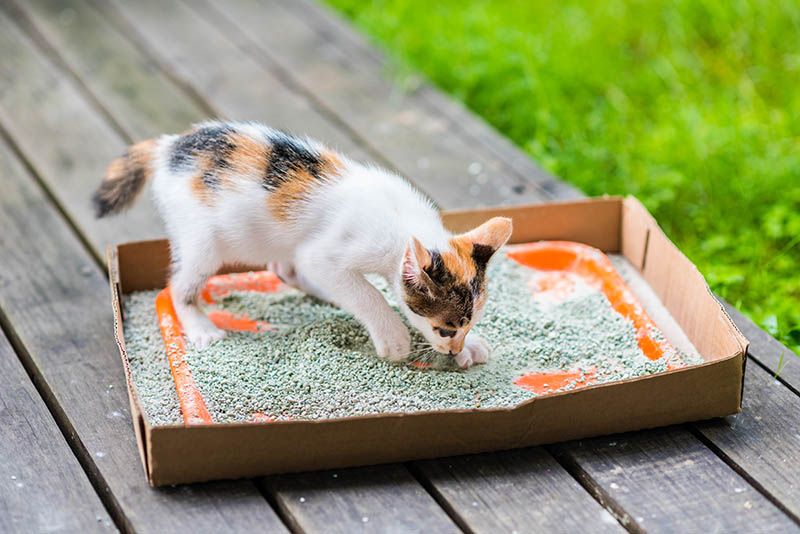
cat on a disposable litter box

No matter how much you love your cat, there is nothing fun about scooping out their litter box. It’s smelly, but you have to do it at least twice a day, and depending on how many cats you own, used litter can be heavy.

There’s also the matter of disposal. Used cat litter isn’t just stinky; it can also pollute the environment and cause damage if you’re not careful. In this article, we talk about the safest options when it comes to disposing of your cat’s used litter.

divider cats oct 2024

The 4 Ways to Safely Dispose of Used Cat Litter

1. Bag and Bin It

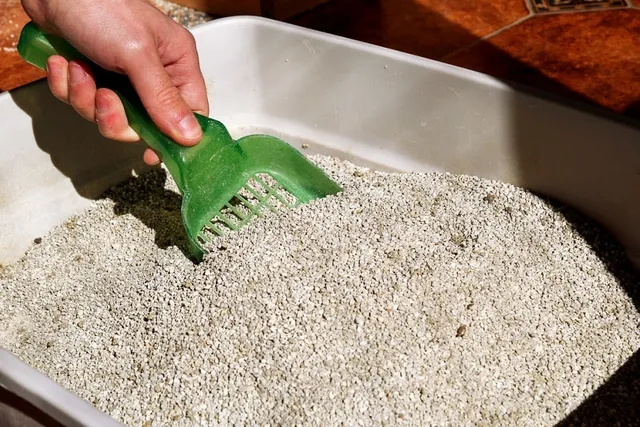
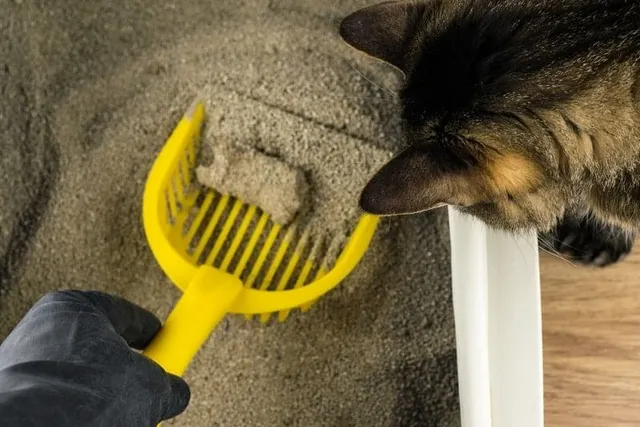
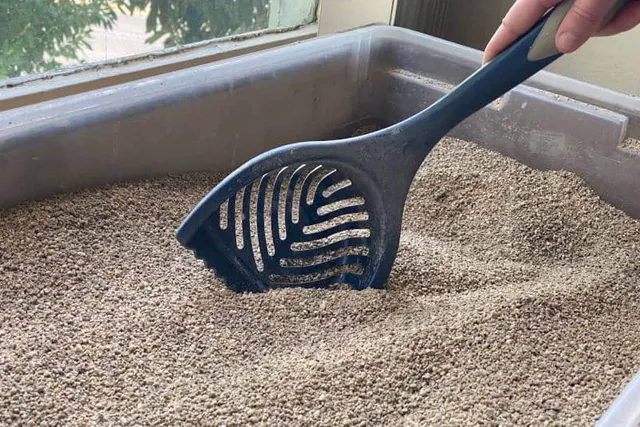
The classic and most straightforward method for disposing of used cat litter is to bag it up and toss it in the trash. Use biodegradable or compostable bags to reduce your environmental impact. Simply scoop the soiled litter into the bag, tie it securely, and place it in your garbage bin—done!

A person placing clumped cat poop in a disposal bag
Image By: Anciens Huang, Shutterstock

2. Compost It (With Caution)

Certain types of cat litter are made from biodegradable material that can be composted because it can break down better compared to clay or synthetic types. However, remember to create a separate compost pile for pet waste, as cat feces can contain harmful parasites. Never use this compost on edible plants or in vegetable gardens. It’s best suited for ornamental plants or flower beds.

If you’re interested in compostable cat litter, look for products made from these materials:

  • Sawdust
  • Wood shavings/pellets
  • Walnut shells
  • Other plant-based options, like wheat, grass, straw, tofu, corn, and paper

3. Try Vermicomposting

Vermicomposting is a process that uses worms to break down organic waste, including certain types of used cat litter. To do this, set up a separate worm bin with bedding and food scraps for the worms. Add the soiled biodegradable litter, and let the worms work their magic. As with regular composting, it’s important not to use this compost on anything you plan to eat.

compost box filling up
Image Credit: Antranias, Pixabay

4. Look For a Green Waste Bin

Some communities offer green waste bins for yard trimmings and other compostable materials. If your cat litter is biodegradable, you may be able to dispose of it in your local green waste bin. Be sure to check your local regulations, as policies on pet waste disposal can vary.

divider cat faces 2 oct 2024

Why You Should Never Flush Used Cat Litter

Being able to flush used litter would make life so easy, wouldn’t it? Unfortunately, doing it will only cause trouble.

Cat litter, especially the clumping clay kind, is highly absorbent, so it can swell up and clog your plumbing. Even litter marketed as flushable may not break down fully, so you probably shouldn’t take the risk.

There is also the environmental risk to think about. Cat feces can contain tons of bacteria and parasites. Flushing them down the toilet directly introduces these contaminants to your local waterways. Aside from harming aquatic life, they can also pollute water sources like rivers and lakes.

Feline excrement in cat litter box with silica gel filler
Image Credit: Al More, Shutterstock

Environmental Impact of Cat Litter

Different types of cat litter can affect the environment in different ways. Let’s take clay cat litter as an example. It is affordable and great for clumping. However, it is very bad for the environment due to destructive mining practices and high energy use to produce, not to mention its accumulation in landfills since it is not biodegradable.

Better alternatives are made from renewable resources like wood, corn, recycled paper, and wheat. These are more sustainable cat litter options because they are broken down more naturally and reduce waste. Opt for plant-based, biodegradable cat litter materials that are sustainably sourced for a small but impactful way to reduce your ecological footprint.

divider cat faces 2 oct 2024

Conclusion

Disposing of used cat litter is a necessary evil of owning these furry cuties. No matter what kind of litter you use, the easiest way to do get rid of it is by bagging the used litter and throwing it in the trash. If you have the time and inclination to do so, you can also try composting your used litter, as long as it’s biodegradable.

No matter what you do, never flush used cat litter down the toilet. You are not just destroying your plumbing, but you will wreak havoc on your surroundings too.

Related Reads:


Featured Image Credit: Mr.Piya Meena, Shutterstock

Want content like this delivered to you?

Sign Up For Our Newsletter

News, insights, expert advice, and everything cat

* By submitting, you agree to our Terms & Conditions and Privacy & Cookies Policy.


How useful was this post?

Click on a star to rate (you can leave written feedback after clicking submit)

Help us improve Catster for pet parents!

Your feedback really matters.

What did you like about this post? Also how can we improve it?

Join the conversation

4 Responses

  1. I currently use cat litter lightweight general type no dust
    but after removing the cat waste
    should I dispose of the used litter into a seperst bag and put in garbage for regular pickup days ???

    1. Yes Celestia, you should absolutely scoop the cat waste and any clumps into a separate, small plastic bag, tie it tightly to seal in odors and bacteria, and place it directly into your regular household garbage can for standard pickup days. Never flush lightweight clay litter down the toilet, as it is designed to expand and absorb moisture, which will quickly clog your plumbing and severely damage septic or city sewage systems. Additionally, because cat waste can carry a microscopic parasite called Toxoplasma gondii that survives wastewater treatment and harms local marine wildlife, sealing it securely in a trash bag destined for a landfill is the absolute safest and most environmentally responsible method of disposal.

  2. Can I pour used Scoop Away (Costco) kitty litter along the base of our fencing in order to discourage small animals from coming into the yard?

    1. It is not recommended. Cats are the definitive host of Toxoplasma gondii a microscopic parasite shed in the feces of even healthy-looking cats, that can infect various animals, including humans. This poses a particular risk to wildlife and individuals with compromised immune systems. Besides, cat urine smell might repel mice if they are not infected with Toxoplasma gondii, but it may also attract other wildlife like Raccoons, opossums, or skunks. The clay itself will mess with your garden's ecosystem.

Leave a Reply

You’re very welcome to leave a comment or question. Please know that all comments must meet our community guidelines, and your email address will NOT be published. Let’s have a positive and constructive conversation.


Catster's Digital Magazine is Back!

Vet-approved health & behavior advice

Real cat stories & community features

Chatting About the Importance of Spaying/Neutering, Cat Retail Shopping Ban & Red-Level Storms | Chatty Cattys, Episode 30

In this episode of Catster’s Chatty Cattys podcast, Nicole and Dr. Karyn are celebrating a major legal win for pets before diving into...

Is Your Cat Happy? Here’s How You Can Tell

Cats have a reputation for being indifferent, even inscrutable. But despite their seemingly ambivalent appearance, cats experience many emotions, including happiness, and they...

Human Brains Age Like Cats – New Study Debunks the 7-Year Rule

If you’ve ever caught your senior cat staring blankly at a wall, wandering the halls at 3 am, calling out for no clear...

Chatting with Devin About Here! Have a Kitten, Fostering, & Why Two Are Better Than One | Chatty Cattys, Episode 29

In this episode of Catster’s Chatty Cattys podcast, Nicole & Dr. Karyn sit down with Devin, the founder and one-woman show behind “Here...

More related

9 Best Cat Window Perches & Beds in 2026 – Reviews & Top Picks

Cat window perches and beds give pets comfortable places to survey the world outside. They allow cats to enjoy watching birds fly by...

Vestibular Disease vs. Stroke in Cats: What’s The Difference? Vet-Approved Insights

Strokes in cats are very rare. The symptoms that cat owners most often associate with a “stroke” in cats result from vestibular disease....

10 Facts About Fat Cats & Feline Obesity (Vet-Approved)

Obesity is a major problem in domestic cats. Their food, which is naturally high in calories, is readily and freely available to them,...

5 Signs of Aggression in Cats: Vet-Reviewed Behavior Problems to Watch For

Aggression is a relatively common feline behavior problem, and it can have several causes, from pets getting a bit too carried away while...

Keep reading

Are Coffee Plants Toxic to Cats? Vet-Reviewed Houseplants Examined

The coffee tree, Polyscia guilfoylei, is an attractive species that makes an excellent potted indoor plant. Note that it is not related to the coffee plants used for making coffee beans, such as Coffea arabica. It flowers in springtime, with...

Catster_Are Coffee Plants Toxic to Cats

Why Did My Cat Throw Up? 8 Vet-Reviewed Likely Reasons

When your cat throws up, it can send your mind into overdrive: What’s going on? Do I need to take them to the vet? What can I do for them? The solution starts with identifying why your cat is vomiting...

a cat that feels sick and seems to vomit

Why Do Cats Rub Their Faces on You? 3 Vet-Reviewed Reasons

A cat rubbing their face on you is one of the highest compliments you can receive from your furball, and it’s seriously adorable to boot. This behavior is called “bunting,” and it’s a common way cats greet their human companions,...

Gray cat licking owners face

How to Retrain a Cat to Use a Litter Box: 13 Vet-Approved Tips

Inappropriate elimination can be difficult to deal with, resulting in ruined belongings and strained relations between cats and their favorite people. It’s one of the most commonly reported behavioral problems in cats. Litter box issues are often caused by stress,...

Ginger cat in blue litter box

Snowshoe Cat Lifespan: How Long Do They Live? Average Lifespan Data & Facts

You may not be familiar with the Snowshoe cat, but it’s a breed that is a mix between Siamese and the American shorthair. These felines are sociable, fun, playful, and affectionate, but if you are considering adopting one, you should...

Snowshoe cat lying on woven mat

Can Cats Eat Cookies? Vet-Reviewed Facts & FAQ

While a nibble of your cookie is unlikely to kill your cat, cookies are far from healthy for cats and absolutely should not be fed to your cat regularly. Human sweets are incredibly unhealthy and sometimes very dangerous for cats....

Can Cats Eat Cookies

Can Cats See Fire? Explaining Feline Vision & FAQ

Cats have long fascinated humans with their enigmatic behaviors and extraordinary senses. We are often told that cats have superior senses compared to us, enabling them to perceive the world in a unique way. One intriguing question that often arises...

Glass Fireplace

Can My Cat Wear a Harness All the Time? 4 Vet-Reviewed Risks & Safety Tips!

Who says you can’t walk a cat? Admittedly, not all felines are willing to be harnessed and leashed to go outside with you for a nice walk, but many do enjoy the activity. Getting a harness on and off a...

black and white cat in a harness standing outdoors

Love Cats? So Do We! Join the Catster Community

Stay informed with expert pet care insights delivered straight to your inbox! Discover professional guidance on animal behavior, feeding tips, trusted product picks, and much more.


Sign up for the Catster Email Newsletter

Stay informed with expert pet care insights delivered straight to your inbox! Discover professional guidance on animal behavior, feeding tips, trusted product picks, and much more.