Composting Cat Poop: Vet-Verified Guide & Tips


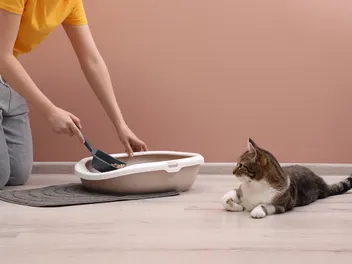
Owning cats has several impacts on the environment. From the toys you provide your little hunters to the food you offer them, everything you buy for your little feline freeloader will ultimately impact the environment. As a responsible and environmentally conscious pet owner, you want to do everything you can to minimize your footprint. Composting your pet’s waste is one way you can save space in your local landfill, but it does require a lot of planning and work.
Read on to find our step-by-step guide to composting cat poop.

Before You Begin Composting Cat Poop
Composting is a great way to recycle organic matter into valuable fertilizer for your garden. However, before you begin composting your cat litter, there are some things to remember:

Switch to a biodegradable litter.
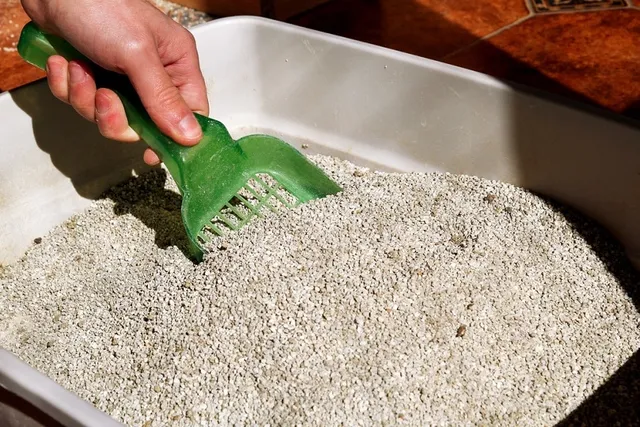
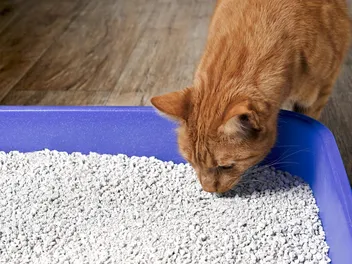
Not all cat litter is suitable for composting at home. Traditional clay litter cannot be composted as it isn’t biodegradable and may contain chemical additives. Additionally, silica litters are not compostable either, as they’re made of artificial silica gel.
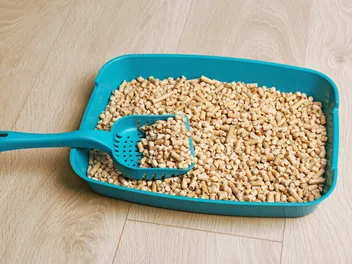
Suitable litters are plant-based, so they’ll break down properly during the composting process. These include litter such as recycled paper, coconut, pine cobble, wheat, and grass seed.
Educate yourself on the science of composting.
Composting requires four “ingredients” for success: nitrogen, carbon, oxygen, and water.
Since all compostable materials contain carbon and varying amounts of nitrogen, the solution for successful composting is to find the right combination of materials to achieve the ideal ratio of carbon to nitrogen while still maintaining the proper amount of oxygen and water.
Carbon sources will come from “brown” materials, while nitrogen sources are provided by “green” materials. A healthy compost pile will always have more brown material than green.

The 8 Tips for Composting Cat Poop
1. Build or buy a compost bin.
There are many different types and sizes of compost bins out there, so choose one that suits your budget and lifestyle best. Wooden bins, for example, are inexpensive and easy to DIY, but they generally are not suitable for larger volumes of compost. Plastic bins are affordable and ideal for smaller spaces, but it can be challenging to turn the compost. Hot compost bins can produce compost in as little as three months, but they’re the most expensive option.

2. Consider compost bin placement.
Composting any material can create heat and gases like methane and carbon dioxide, so be mindful of where you place your compost bin. Put it in a well-ventilated area to avoid gas combustion, which may lead to fires in confined areas.
3. Add in organic & brown material.
Begin building your pile by using absorbent brown materials like dried leaves, eggshells, sawdust, and straw. For an enclosed compost bin, begin with around two to four inches of brown material to cover the entire base of the bin.
Before adding in your green materials, chop them up to help speed up the decomposition process. Then, put in alternating layers of your green and brown materials. Add your first batch of cat litter at the top center of your pile, and then top it off with another brown material layer.

4. Turn your compost periodically.
Composting requires the perfect balance of heat and oxygen to ensure proper breakdown of the brown and green materials. As your pile sits, the layers begin to settle and compact, limiting the oxygen flow necessary to keep the microbes alive. Turning your compost with a spade or shovel reintroduces oxygen into your pile, allowing microbes to multiply to break your compost down faster.
Check your compost every other week to turn it.
5. Keep the pile moist.
Biological activity will slow if your compost dries out and can cease altogether if it dries out entirely. Depending on how dry your climate is, you might have to lightly water your pile occasionally to keep it damp. If your area is experiencing bouts of heavy rainfall, you should cover your compost to prevent it from getting too wet.

6. Add in more brown material if it starts to smell bad.
If your pile starts to smell bad, add more dry brown materials to your mix. Layer them in and fluff up your pile.
7. Know when your compost is ready.
Once your compost has turned dark and soil-like, it will be ready to use. It should have a rich, earthy scent, look moist, and have a loose, well-aerated texture.

8. Do not use pet waste-containing compost in food gardens.
The parasitic diseases that may be present in your pet’s feces will not be eliminated through normal composting, making pet waste-containing compost unsuitable for edible gardens. Compost made of pet waste can safely be used on your lawn or non-edible crops, so long as they are far away from your vegetable garden.
Frequently Asked Questions
How to Compost Cat Waste in Your Municipal Bins
If you’re not interested in having a compost bin in your yard, you still might be able to compost your cat’s litter in your municipal bin. Rules vary from city to city, however, so it’s best to reach out to your municipality directly to find the rules for composting pet waste and cat litter in your area.
For example, my city provides its citizens with green carts for composting purposes. They accept pet products like kitty litter (of any kind) and pet waste so long as they are put in compostable bags.
Are There Risks Involved With Composting Cat Litter?
As we alluded to above, the biggest risk with composting your cat’s litter and waste is that their feces could contain parasites. Toxoplasma gondii is one of the most common parasites. Cats can get toxoplasmosis by eating infected prey or raw meat. Humans can contract the disease by coming into contact with the feces of an infected cat. The parasite can also spread through soil and into your crops, which is why we don’t recommend using cat litter-containing compost in or near your edible crops.
Can’t I Just Flush My Cat’s Poop?
As convenient as it would be to be able to flush your cat’s feces down the toilet, this should absolutely be avoided. Not only could your pet’s feces contain the parasite that causes toxoplasmosis, but the litter could very well sit in your line and clog your drains.
Final Thoughts
Composting your pet’s waste is a great way to enrich your compost pile and dispose of your cat’s litter and waste in a sustainable and eco-friendly way. You’ll send less waste to the landfill while also enriching your home’s garden with a nutrient-rich fertilizer. If you don’t have the time or patience to keep up with a compost bin but are still interested in being a more environmentally-conscious pet owner, we recommend contacting your municipality to see if they’ll accept your pet’s waste as part of their composting program.
Sources
Featured Image Credit: Lipskiy, Shutterstock
Expert cat care, straight to your inbox
News, insights, and useful advice, delivered to you.

No spam — unsubscribe anytime.
By signing up, you agree to our Terms & Conditions and Privacy & Cookies Policy.
How useful was this post?
Click a star to rate. You can leave written feedback afterwards. (We read all feedback.)
For Chantelle, writing and animals are the two driving forces in her life. Growing up on the Canadian prairies surrounded by pets, she now shares her home with five cats, two guinea pigs, and a bearded dragon. Chantelle, her husband, and their child pride themselves on being dedicated pet parent, even spending a fortune on wall-mounted cat shelves to provide their cats with an indoor jungle gym. When she's not snuggling with her cats or photographing their humorous moments, Chantelle is exploring the Rocky Mountains, rewatching her favorite Netflix series, and reading up on various random subjects.