Get

In Your Inbox

Catster is reader-supported. When you buy via links on our site, we may earn an affiliate commission at no cost to you. Learn more.

How to Dispose of Used Cat Litter: 4 Vet-Approved Suggestions


Share

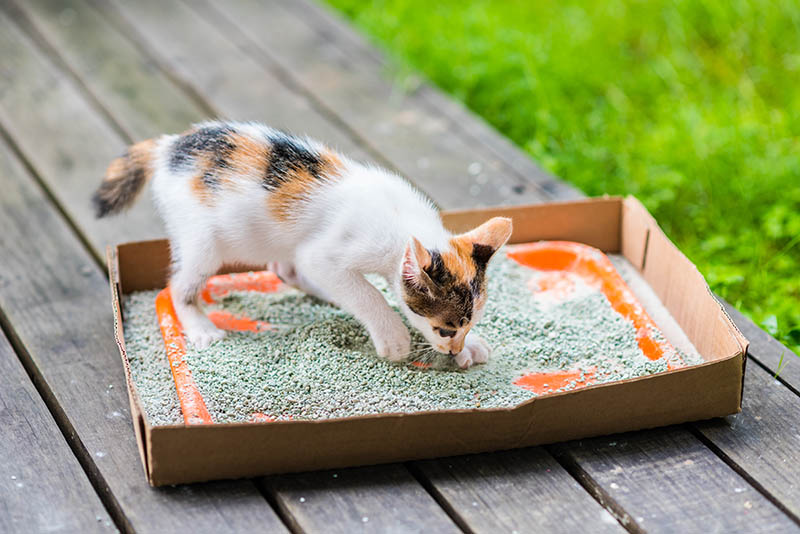
cat on a disposable litter box

No matter how much you love your cat, there is nothing fun about scooping out their litter box. It’s smelly, but you have to do it at least twice a day, and depending on how many cats you own, used litter can be heavy.

There’s also the matter of disposal. Used cat litter isn’t just stinky; it can also pollute the environment and cause damage if you’re not careful. In this article, we talk about the safest options when it comes to disposing of your cat’s used litter.

divider cats oct 2024

The 4 Ways to Safely Dispose of Used Cat Litter

1. Bag and Bin It

The classic and most straightforward method for disposing of used cat litter is to bag it up and toss it in the trash. Use biodegradable or compostable bags to reduce your environmental impact. Simply scoop the soiled litter into the bag, tie it securely, and place it in your garbage bin—done!

A person placing clumped cat poop in a disposal bag
Image By: Anciens Huang, Shutterstock

2. Compost It (With Caution)

Certain types of cat litter are made from biodegradable material that can be composted because it can break down better compared to clay or synthetic types. However, remember to create a separate compost pile for pet waste, as cat feces can contain harmful parasites. Never use this compost on edible plants or in vegetable gardens. It’s best suited for ornamental plants or flower beds.

If you’re interested in compostable cat litter, look for products made from these materials:

  • Sawdust
  • Wood shavings/pellets
  • Walnut shells
  • Other plant-based options, like wheat, grass, straw, tofu, corn, and paper

3. Try Vermicomposting

Vermicomposting is a process that uses worms to break down organic waste, including certain types of used cat litter. To do this, set up a separate worm bin with bedding and food scraps for the worms. Add the soiled biodegradable litter, and let the worms work their magic. As with regular composting, it’s important not to use this compost on anything you plan to eat.

compost box filling up
Image Credit: Antranias, Pixabay

4. Look For a Green Waste Bin

Some communities offer green waste bins for yard trimmings and other compostable materials. If your cat litter is biodegradable, you may be able to dispose of it in your local green waste bin. Be sure to check your local regulations, as policies on pet waste disposal can vary.

divider cat faces 2 oct 2024

Why You Should Never Flush Used Cat Litter

Being able to flush used litter would make life so easy, wouldn’t it? Unfortunately, doing it will only cause trouble.

Cat litter, especially the clumping clay kind, is highly absorbent, so it can swell up and clog your plumbing. Even litter marketed as flushable may not break down fully, so you probably shouldn’t take the risk.

There is also the environmental risk to think about. Cat feces can contain tons of bacteria and parasites. Flushing them down the toilet directly introduces these contaminants to your local waterways. Aside from harming aquatic life, they can also pollute water sources like rivers and lakes.

Feline excrement in cat litter box with silica gel filler
Image Credit: Al More, Shutterstock

Environmental Impact of Cat Litter

Different types of cat litter can affect the environment in different ways. Let’s take clay cat litter as an example. It is affordable and great for clumping. However, it is very bad for the environment due to destructive mining practices and high energy use to produce, not to mention its accumulation in landfills since it is not biodegradable.

Better alternatives are made from renewable resources like wood, corn, recycled paper, and wheat. These are more sustainable cat litter options because they are broken down more naturally and reduce waste. Opt for plant-based, biodegradable cat litter materials that are sustainably sourced for a small but impactful way to reduce your ecological footprint.

divider cat faces 2 oct 2024

Conclusion

Disposing of used cat litter is a necessary evil of owning these furry cuties. No matter what kind of litter you use, the easiest way to do get rid of it is by bagging the used litter and throwing it in the trash. If you have the time and inclination to do so, you can also try composting your used litter, as long as it’s biodegradable.

No matter what you do, never flush used cat litter down the toilet. You are not just destroying your plumbing, but you will wreak havoc on your surroundings too.

Related Reads:


Featured Image Credit: Mr.Piya Meena, Shutterstock

Want content like this delivered to you?

Sign Up For Our Newsletter

News, insights, expert advice, and everything cat

* By submitting, you agree to our Terms & Conditions and Privacy & Cookies Policy.


How useful was this post?

Click on a star to rate (you can leave written feedback after clicking submit)

Help us improve Catster for pet parents!

Your feedback really matters.

What did you like about this post? Also how can we improve it?

Join the conversation

2 Responses

  1. Can I pour used Scoop Away (Costco) kitty litter along the base of our fencing in order to discourage small animals from coming into the yard?

    1. It is not recommended. Cats are the definitive host of Toxoplasma gondii a microscopic parasite shed in the feces of even healthy-looking cats, that can infect various animals, including humans. This poses a particular risk to wildlife and individuals with compromised immune systems. Besides, cat urine smell might repel mice if they are not infected with Toxoplasma gondii, but it may also attract other wildlife like Raccoons, opossums, or skunks. The clay itself will mess with your garden's ecosystem.

Leave a Reply

You’re very welcome to leave a comment or question. Please know that all comments must meet our community guidelines, and your email address will NOT be published. Let’s have a positive and constructive conversation.


Talk With A Vet Online

Peace of mind,
anywhere, anytime

Affordable vet advice

Why Chicken Bones Are More Dangerous for Cats Than Most Parents Realize

Chicken bones seem harmless enough, but for cats, they can cause serious damage quickly. Whether your cat swiped a piece off the counter...

Fantastic Pet Pantries and Where to Find Them

Let’s face it: times are really tough right now, and those of us in the 99% are struggling with the cost of just...

Ask Dr. Paola – Help! My Cat Refuses to Drink Water! (April 13, 2026)

Welcome to our “Ask Dr. Paola” series, where every Monday we bring expert advice straight from Dr. Paola Cuevas (MVZ) to help our...

Why Healthy Cats Still Vomit Sometimes (And How to Respond)

A cat that just vomited needs a specific kind of care, and the feeding decisions you make in the next few hours actually...

More related

Why Is My Cat Sneezing? 8 Vet-Approved Reasons Behind the Behavior

Cats do all sorts of weird things. They’ll run around the house at 2 a.m., chasing nothing in particular. They’ll stop right in...

Cat Owner’s Manual for Pain Part 2: Misconceptions and Treatments

Hi, I’m Dr. Lauren! Read my introduction to learn more about me and my two adventurous cats, Pancake and Tiller. In the continuation...

Hypertrophic Cardiomyopathy in Cats (HCM): Signs, Diagnosis & Treatment (Vet Answer)

Hypertrophic cardiomyopathy (HCM) is the most common type of heart condition witnessed in cats. When hypertrophic cardiomyopathy occurs, the muscle of the heart...

25 Useful Alternatives for Cat Litter

It may never have occurred to you to use cat litter for anything other than its intended purpose. As it turns out, however,...

Keep reading

Can Cats Eat Rotisserie Chicken? Vet-Approved Risks & FAQ

Rotisserie chicken is a delicious and versatile food that many humans regularly consume. Just the smell of fresh, warm rotisserie chicken brings most cats running, but is it okay for cats to eat? While plain chicken is a healthy protein...

Can Cats Eat Rotisserie Chicken

My Cat Ate a Dryer Sheet! Vet Reviewed Information & What to Do!

As cat parents, we all know that cats are curious, mischievous, and can get into any number of things they shouldn’t. That includes toxic chemicals, toxic plants, and even dryer sheets. Fabric softeners, both in liquid and dryer sheet form,...

My Cat Ate a Dryer Sheet

Can Cats Eat Gum? Vet-Approved Facts & FAQ

Chewing gum comes in several flavors, and the scent can pique a cat’s curiosity, especially if it’s wrapped in shiny foil. So, it’s pretty easy for cats to accidentally take a bite or get it stuck on their face and...

Can Cats Eat Gum

Why Is My Cat Purring All the Time? 5 Vet-Reviewed Reasons

In popular media, cats are depicted as quirky for their independent nature, hilarious dislike for water, and their ability to slide underneath even the narrowest door opening. Another thing that’s synonymous with our furry felines is their ability to purr....

woman holding and stroking a cat purring

Why Is My Cat So Jumpy All of a Sudden? 8 Vet Reviewed Reasons 

It can be alarming to see your cat act jumpy all of a sudden, especially out of nowhere. Cats cannot tell us exactly how they feel, which is why cat owners should pay close attention to their cat’s body language....

scared British blue-point cat hiding under the bed

How to Put On a Cat Collar in 4 Easy Steps

Getting your cat into a collar doesn’t have to be traumatic for you or your pet, and outfitting your cat with the proper collar is essential to maintaining their health and safety. A well-fitting collar with identifying information, including your...

Breakaway Red Collar Cat

Can Cats Eat Beef Jerky? Vet-Approved Health and Nutrition Advice

Jerky has been around in human diets for millennia. Civilizations spanning the globe all have methods and recipes for drying and curing meat. It’s a great way to ensure that meat doesn’t spoil and lasts for extended periods. While jerky...

Can Cats Eat Beef Jerky

Why Do Cats Chirp? 3 Vet-Reviewed Reasons for This Behavior

Cats are known for meowing and hissing, but they can also chirp. This is a communication noise that most people are not aware of unless they have experience as cat parents. Chirping, or chirruping, is a normal noise for cats...

cat outside the window

Love Cats? So Do We! Join the Catster Community

Stay informed with expert pet care insights delivered straight to your inbox! Discover professional guidance on animal behavior, feeding tips, trusted product picks, and much more.


Sign up for the Catster Email Newsletter

Stay informed with expert pet care insights delivered straight to your inbox! Discover professional guidance on animal behavior, feeding tips, trusted product picks, and much more.