How to Tell If My Cat Has Ear Mites: 5 Vet-Reviewed Signs To Look For


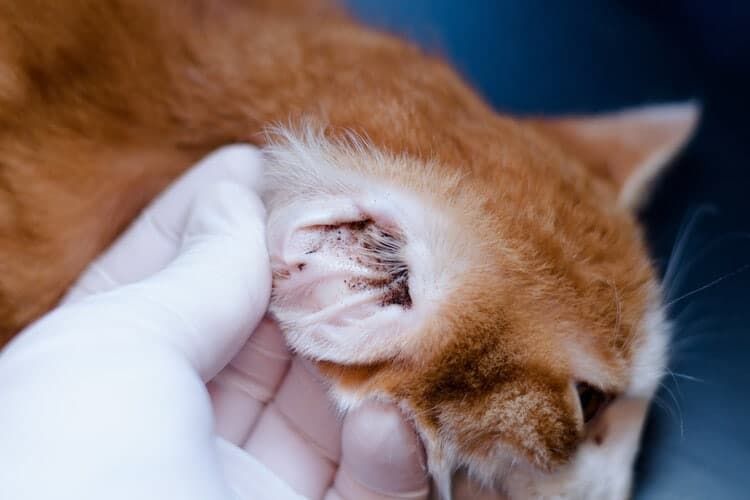
Ear mites are small parasitic creatures that can cause significant damage to cats' ears. Left untreated, ear mites can lead to a serious infection and even deafness in cats. If you suspect that your cat has ear mites, take them to the veterinarian for treatment as soon as possible.
Ear mites are a common cause of ear problems in cats and can be treated with prescribed medications or special ear-cleaning treatments. See your veterinarian and get the right treatment as quickly as possible, because left untreated, ear mites can lead to permanent hearing loss in your cat.
Let’s look at the signs you need to watch out for.

The 5 Ways to Tell If a Cat Has Ear Mites
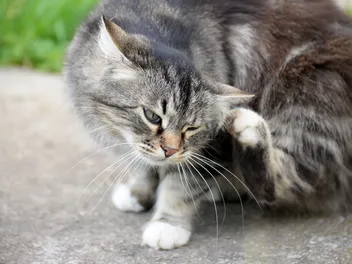
1. Scratching

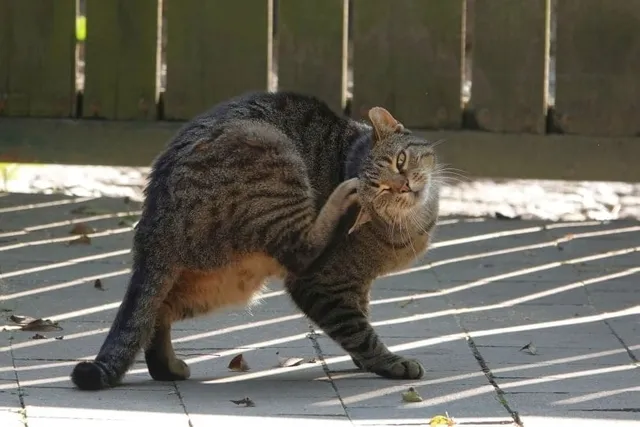
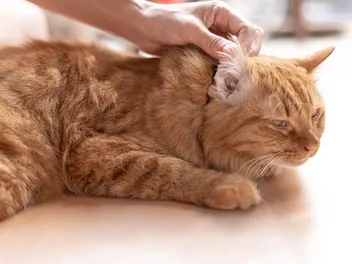
Ear mites are tiny parasites that can infect the ear canals of cats and other animals. They feed on the wax and skin cells in the ear canal, and their presence can cause severe scratching and irritation. They cause a cat to scratch its ears constantly because the mites make the ears itch. The scratching can also cause the cat to develop an ear infection.
2. Head Shaking
Ear mites in cats can cause head shaking due to the intense irritation the mites cause. The mites live in the ear canal and consume the wax and skin cells, causing inflammation and irritation in their wake. This can lead to a head-shaking habit as the cat desperately tries to find relief for their ears to try to relieve the itch.
3. Ear Discharge

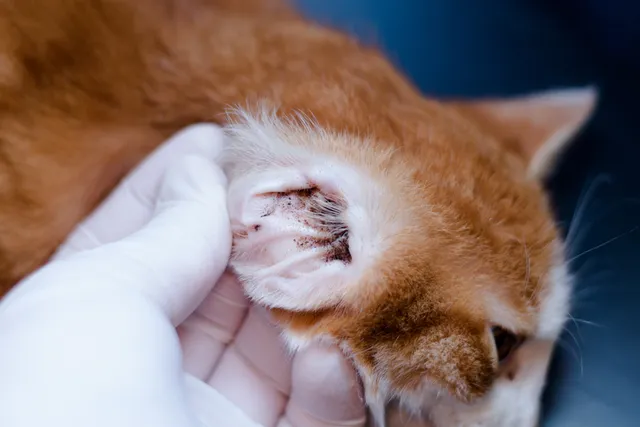
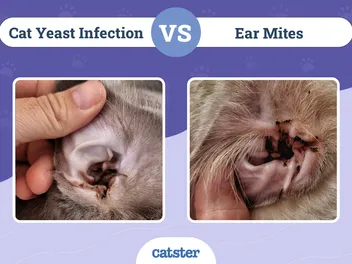
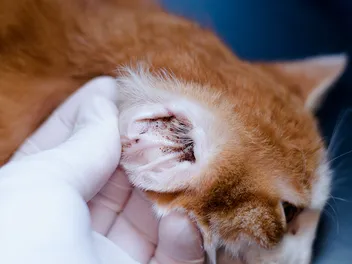
Ear mites can cause a lot of irritation and result in a discharge from the ears. The discharge is typically thick, dark, crumbly, dry, and crusty. As a mixture of earwax, blood, and mite secretions, the discharge resembles coffee grounds. Ear discharge in cats is most commonly caused by ear mites, although it can also be due to other parasites, infections, or allergies.
4. Bad Odor
The ear discharge can sometimes give off a bad smell. An ear mite is a tiny, parasitic, and quite common cause of stinky odors in feline ears. The mites feed on the oil and wax in your pet's ears, and their waste produces a smelly dark discharge that not only looks bad but smells even worse!
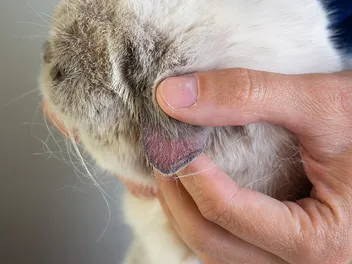
5. Skin Crusting & Scaling
When an infestation goes on, the mites will spread throughout the cat's body, causing extreme itchiness. In severe cases, the mites can also cause skin infections. You may see skin crusting and scaling on your cat's neck, hindquarters, and tail as ear mites spread to other areas of its body. This is often accompanied by generalized scratching and itchiness.
Frequently Asked Questions (FAQ)
How Do You Get Rid of Ear Mites in Cats?
There are a few different ways to get rid of ear mites in cats. The best way to rid a cat of ear mites is to use medication prescribed by your veterinarian which is often a topical treatment. This treatment will kill the ear mites. If there is a secondary bacterial or yeast infection, the vet will likely prescribe ear drops as well. This medication is a topical solution that is applied directly to the cat's ears.
How Can You Tell if Your Cat Has Ear Mites or Just Dirty Ears?
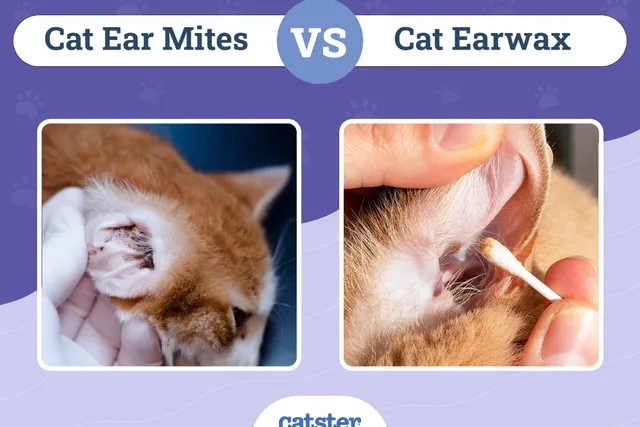
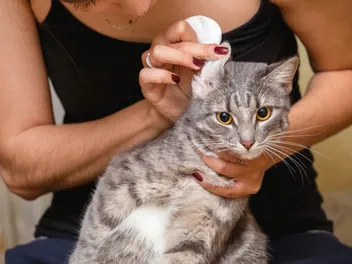
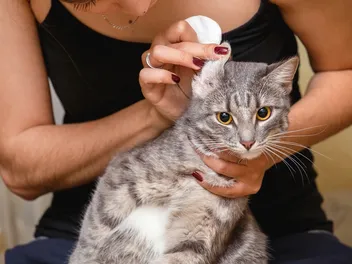
There are a few ways to determine if your cat has ear mites or just dirty ears. One way is to clean inside your cat’s ears and then wait a few days. A cat’s ears won’t get full of brown-black discharge unless they have ear mites.
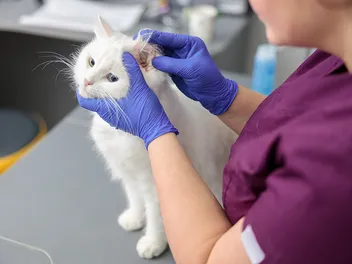
Your veterinarian can confirm the presence of ear mites with an otoscopic exam or an ear mite scan under the microscope.
Can an Indoor Cat Get Ear Mites?
Yes, an indoor cat can get ear mites. Ear mites are very common in cats and can be spread from one cat to another through contact with the ears or through shared bedding, food bowls, or toys. They are most commonly found in kittens but can affect cats of any age. Indoor cats are at risk of getting ear mites if they come into contact with another infected animal.
Do Cat Ear Mites Go Away on Their Own?

Ear mites may be treated with medication or other remedies to be eradicated. It is important to seek veterinary advice if ear mites are suspected to receive a diagnosis and the most appropriate course of treatment.
If left untreated, they can cause a great deal of irritation, secondary infection, and even permanent damage and deafness in the ears of affected cats. Ear mite treatment typically involves the use of an ear-cleaning solution and/or medication, which can eliminate the mites and prevent any further problems.
Final Thoughts
In conclusion, if you are concerned that your cat may have ear mites, there are a few ways to tell. One is to look for the presence of black or brown discharge in the ear canal. You can also use a magnifying glass to look for the mites themselves, which are tiny and pale-colored.
If you suspect your cat has ear mites, take them to the vet for treatment. Early detection is key to preventing your cat from developing a more severe case of ear mites.
Featured Image Credit: Todorean-Gabriel, Shutterstock
Expert cat care, straight to your inbox
News, insights, and useful advice, delivered to you.

No spam — unsubscribe anytime.
By signing up, you agree to our Terms & Conditions and Privacy & Cookies Policy.
How useful was this post?
Click a star to rate. You can leave written feedback afterwards. (We read all feedback.)
Christian started writing for a local newspaper as a teenager, and he's been involved in the publishing industry for most of his adult life. Combining his love of writing with a passion for animals, he is currently the Director of Editorial at Pangolia and the Editor-in-Chief at Catster.
Christian lives in the Philippines with his wife, son, and four rescue cats: Trixie, Chloe, Sparky, and Chopper.