Are Savannah Cats Hypoallergenic? Vet Approved Facts & Allergy Prevention Tips


In this article
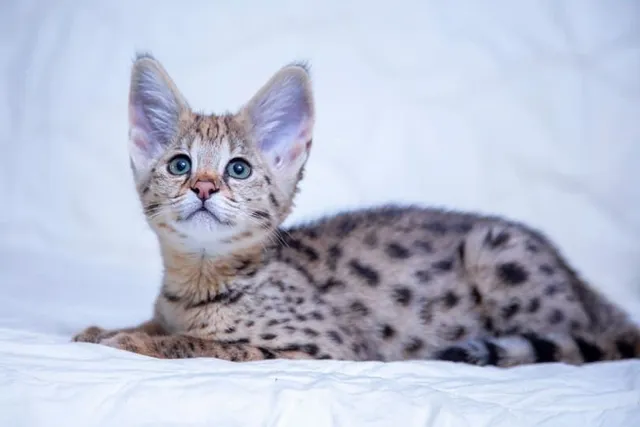
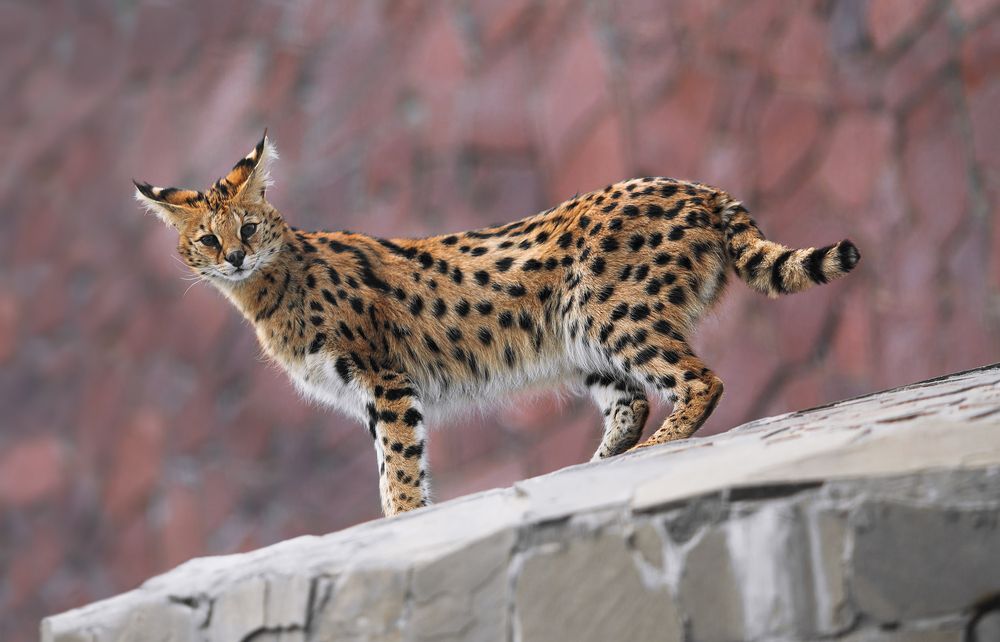
As a hybrid between wild African Servals and domestic cat breeds, Savannah cats are gorgeous animals with unique personalities. Because they shed less than many other breeds, you might wonder if Savannah cats are hypoallergenic. Unfortunately, Savannah cats are not considered hypoallergenic, nor does a 100% genuinely hypoallergenic cat exist.
In this article, we’ll tell you why Savannah cats aren’t hypoallergenic, including details on what triggers an allergic reaction in people. We’ll also give you tips on minimizing the allergens your Savannah cat spreads around the house.

Why Savannah Cats Aren’t Hypoallergenic
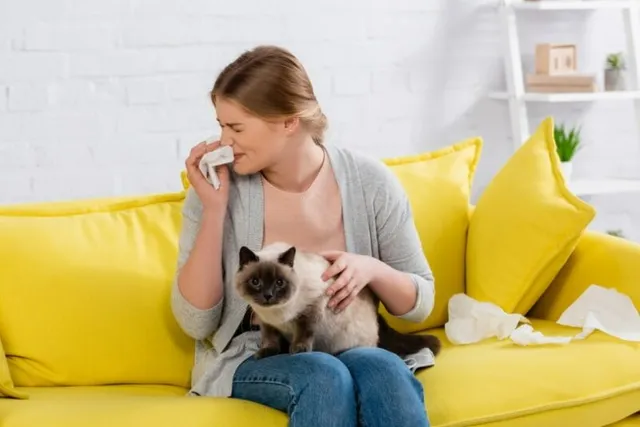
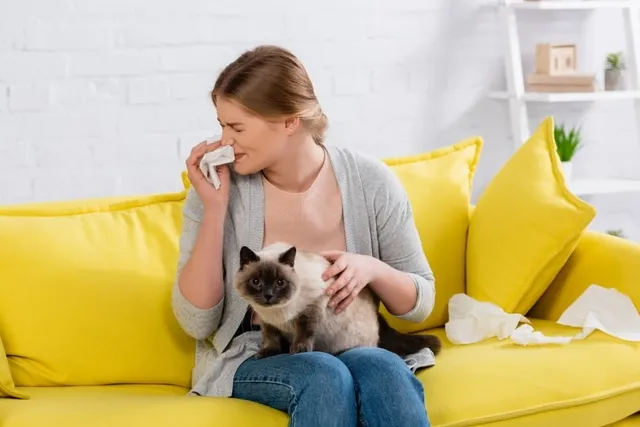
While it is generally true that Savannah cats don’t shed heavily, a cat’s hair isn’t the trigger for allergies, contrary to common belief. The most common source of cat allergies is a protein in the saliva and skin. While grooming, the Savannah spreads the proteins onto their fur. As the cat sheds, the allergy-coated hair disperses into the environment, in this case, your house.
Dander is another common trigger for cat allergies. Its particles are small enough to spread through the air and be carried on human clothing and hair. Even if you keep your Savannah well-brushed, dander can still make its way onto the furniture and carpet, triggering allergies.


Top 5 Cat Allergy Prevention Tips
According to one estimate, 15% to 30% of people with allergies react to pets, and cat allergies are twice as common as those to dogs. However, many allergy-suffering cat lovers can still share their home with kitties like the Savannah by taking some precautions. Here are some tips to help you live more comfortably with your cat if you have allergies.
1. Create a Cat-Free Zone
The more time a cat spends in a location, the more allergens they leave behind in the environment. By keeping your cat out of certain rooms in your house, you'll keep the allergens to a minimum. For example, keeping your cat out of your bedroom is a good idea.
2. Reduce the Allergens on Your Cat
Spayed or neutered cats generally produce fewer allergens, which adds to the list of good reasons to get this surgery for your kitty. If your cat tolerates bathing, a monthly bath with a pet-safe shampoo can significantly reduce the allergens on their skin and coat. Savannah cats may enjoy the water more than many other breeds, so this may be a beneficial option.

3. Clean the House Regularly
If you have cat allergies, cleaning can aggravate them by stirring up settled dander and hair, so consider wearing a mask or letting someone else take on the chore. You can also vacuum frequently using a machine with a filter designed to trap allergens.
Avoid sweeping and dusting since they can push more particles into the air. Instead, use wet or static-cling cleaning products. Use an allergen-reducing filter in your central heating and cooling system, and consider using an air purifier.
4. Replace the Carpet

Controlling allergens on smooth surfaces like tile and hardwoods is much easier. Carpet traps and holds a high percentage of particles released by your cat. If possible, replace the carpeting with other flooring options.
5. Talk to Your Doctor
Many medications and therapies help control your allergies and allow you to enjoy owning a Savannah cat. Talk to your doctor about your options, or ask for a referral to an allergy specialist. It’s vital to determine whether it’s your cat causing your symptoms rather than another allergen.
Conclusion
If you suffer from allergies, a Savannah cat will likely trigger your symptoms just as any other cat would. Before adding one to your household, spend time around other cats to see how your immune system reacts. However, remember that reactions can vary widely between individual cats, even those of the same breed. If you’re considering a Savannah cat, you’ll need to double-check state and local laws since they're not legal to own in all locations.
Related Reads:
Sources
Featured Image Credit: AY Amazefoto, Shutterstock
Expert cat care, straight to your inbox
News, insights, and useful advice, delivered to you.

No spam — unsubscribe anytime.
By signing up, you agree to our Terms & Conditions and Privacy & Cookies Policy.
How useful was this post?
Click a star to rate. You can leave written feedback afterwards. (We read all feedback.)
Elizabeth Gray is a lifelong lover of all creatures great and small. She got her first cat at 5 years old and at 14, she started working for her local veterinarian. Elizabeth spent more than 20 years working as a veterinary nurse before stepping away to become a stay-at-home mom to her daughter. Now, she is excited to share her hard-earned knowledge (literally--she has scars) with our readers. Elizabeth lives in Iowa with her family, including her two fur kids, Linnard, a husky mix and Algernon, the worldʻs most patient cat. When not writing, she enjoys reading, watching all sports, and spending time outdoors with her family.