Why Is My Cat Running Sideways? 7 Vet-Reviewed Reasons


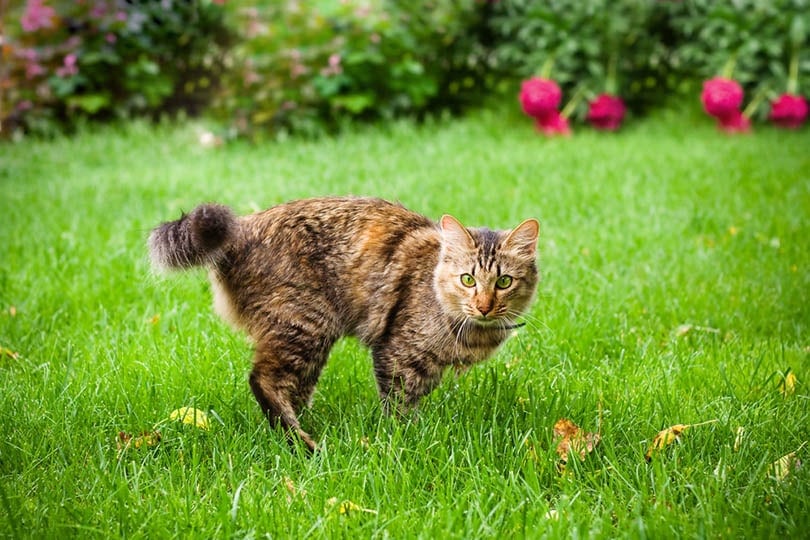
Cats are fascinating pets and behind their every action, there is a myriad of reasons and impulses driving them. Cat’s sideways movement, often called “crab walking”, is no different and encompasses a variety of behaviors with similar movement patterns. Most likely a cat will stiffen their legs, arch their backs, and fluff up their tail before either hopping or skipping sideways. Although the reasons your cat runs sideways are different, they all exhibit this basic posture of stiff legs, arched back, and fluffed tail before initiating this movement.
Read on to understand what your cat may be up to when they skitter to the side.

The 7 Reasons Why Your Cat is Running Sideways
1. Having Fun
Young cats and kittens, like other developing animals, can be very playful. Often there is an object at the center of their attention—it might be a person, another cat or dog, or even a toy. As they approach it, they will assume the position: straightening their legs almost as if they are standing on tiptoes, flexing their backs upwards, and bringing their tail up over their backs while puffing out the fur. From there they might circle the thing they want to play with, moving sideways before eventually darting in at an angle to engage and play.
When in this mode your cat is probably already excited by the prospect of a game and is ready to be a bit silly. The move is similar to a dog’s universal dip-and-bow-before-play signal. Your cat is telegraphing that they are ready for fun and want to engage.
2. Excessive Energy
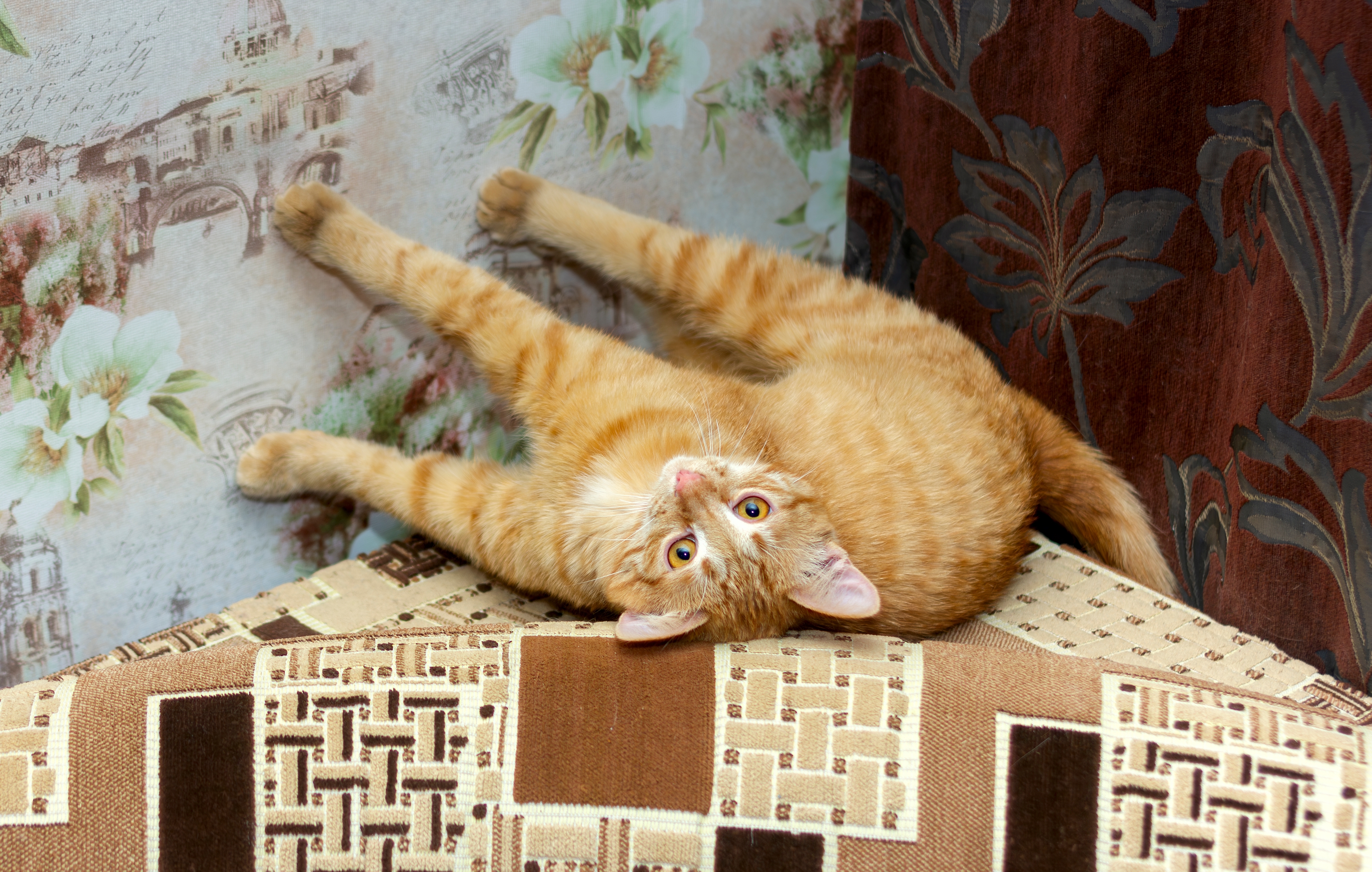
Sometimes felines have a surplus of energy—an abundance of bounce—that they need to burn off. This is especially true for young cats and kittens as they can be especially boisterous when they play with each other. When they are in this mood they race around the room, tearing from one side to the other, and bouncing off the walls, all with no apparent purpose or plan. It’s as if you’ve wound up a spinning top and released it to randomly careen around your home!
This behavior looks like play, and your cat might be having fun, but what distinguishes this frenzy from play is its random, chaotic nature without a central target or fixation. This type of activity is often called the “zoomies” after the fact that the cat zooms around the room. During the zoomies, cats often include a bit of sideways running and jumping; it’s all part of the excitement.

3. Attention Seeking
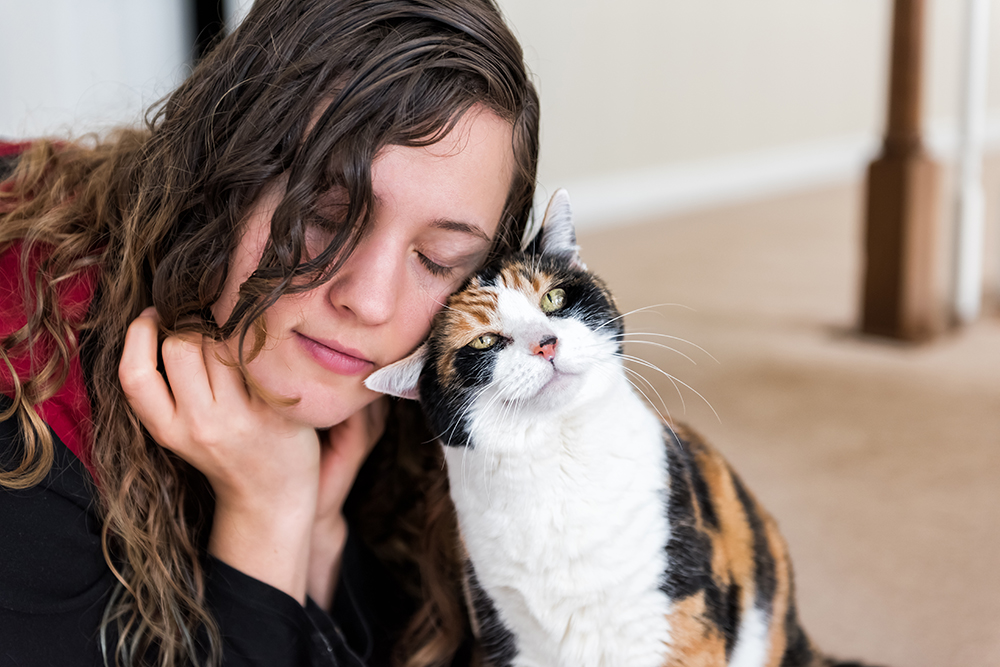
Sometimes cats love you and can’t get enough of you. For example, if you are typing on your laptop, they may want to sit on your keyboard. And at other times cats just want to be on their own and don’t want to be petted or snuggled. One way they may show you that they want attention is to perform a slow sideways walk; this is often the case if you’ve responded to such a display in the past with attention. Usually, the walk is initiated when they are already close to you before moving in even closer.
The defining characteristics of this attention-seeking sideways walk are the arched back and long tail followed by them leisurely bumping into you and rubbing their back on you, most likely on your legs. If you are the recipient of such an approach your cat is probably telling you that they want to be close to you and would appreciate some of your special rubs.
4. Fear
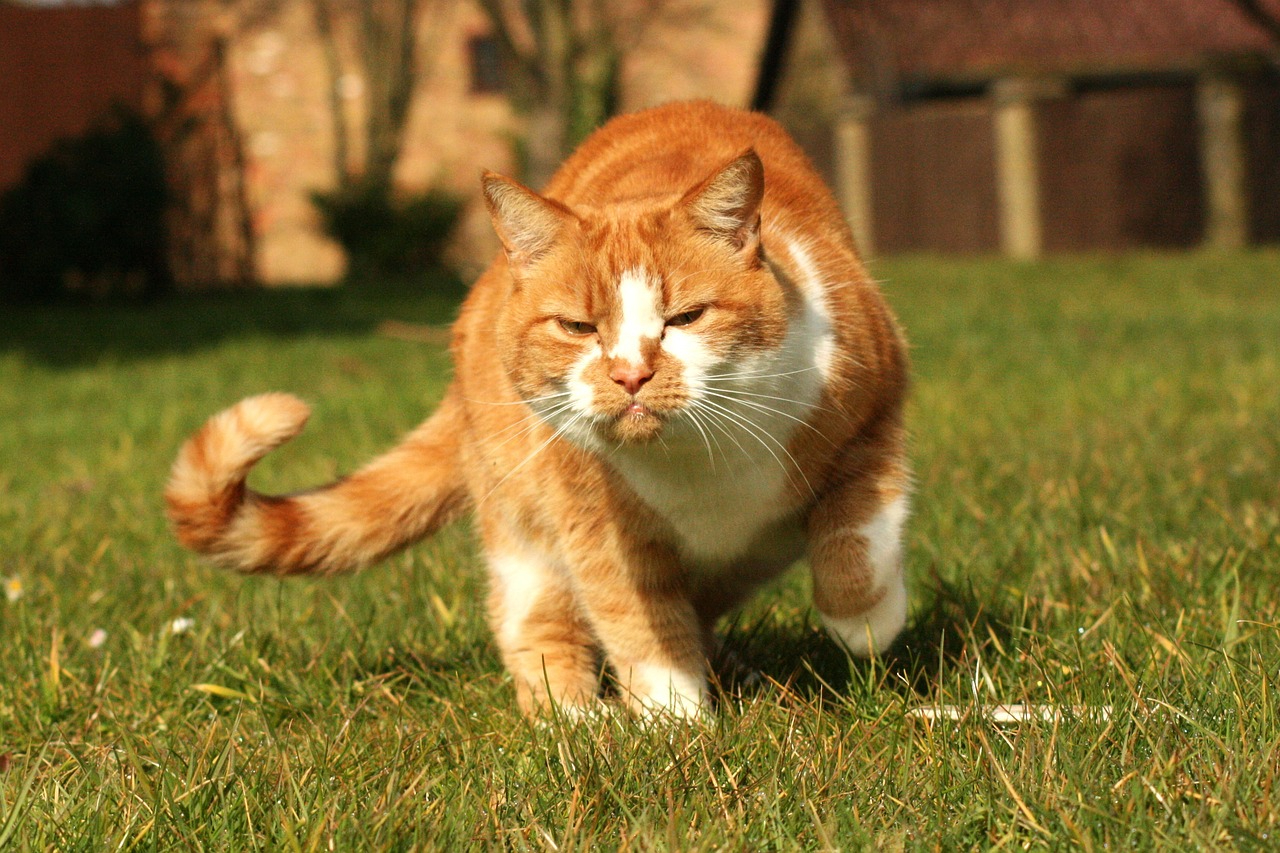
Strange as it seems, in felines, similar body language can have very different meanings. When a cat feels threatened and insecure, they often react with a variation of sideways movement. Firstly, they want to discourage the threat by presenting themselves as a tough adversary. They do this by making themselves look larger by arching the back and extending their legs, pushing their little frame to the extreme to demonstrate how large they could become. Likewise, their tail will fan up and stiffen. When you see a terrified cat it’s almost as if they have been electrified, and even their claws are extended to give them that little bit of extra lift.
Having demonstrated to the potential threat why taking them on is a bad idea, cats may then try to put some distance between themselves and the source of their fear by moving sideways away. Generally, the movement is measured and controlled; the cat does not want to trigger a response. Instead, they will wait until they have put some distance between themselves and the threat before suddenly turning tail and fleeing.

5. Wary of Strangers
The body language triggered by the wariness of strangers is less extreme than the posture of a fearful cat. When a cat meets a stranger, particularly in their home, they may be cautious until they work out how to react to the person. As a precaution, they might start moving into their preparatory stance, and slowly move sideways, making themselves both bigger and ready to skedaddle should the need arise. Without a direct threat, your cat probably won’t stay in this stance for long.
They will either decide to leave the area until the stranger has gone away or they will relax their guard a bit whilst maintaining a healthy distance giving themselves time to react should the stranger do anything sudden or unexpected.
6. Anger
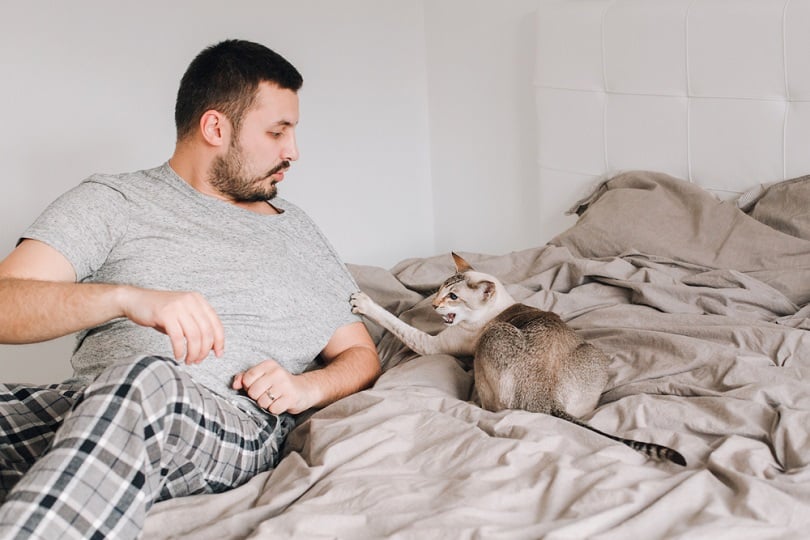
An angry cat that responds with a sideways walk is in some ways similar to a cat responding through fear. Obviously, something has made the cat upset, but in this case, the cat feels (or, is attempting to appear) dominant. Like a fearful cat they want to first warn their enemy that they are not to be messed with; they go through the same routine of making themselves large by straightening their legs and tail and arching their back. But often there is a sense of menace to the cat’s action.
Their tail, instead of just being ramrod straight might be flicking slightly signaling annoyance and their stare is more intent. Their body language doesn’t say they plan to run away, rather it says keep doing what you're doing, and I’ll attack. It’s unlikely that you will see your cat exhibiting this behavior towards you but when you do see it pay attention to what is the object of your pet’s ire. Then you can work with a veterinarian and come up with a plan how to fix this behavior.
7. Neurological Issues
Finally, at times, neurological issues can lead to abnormalities in your pet’s gait, and your pet may seemingly walk sideways as a result of such issues. These instances of a sideways walk are not associated with other forms of body language. This is because, in these circumstances, your cat is not necessarily trying to convey a specific message but rather trying to walk or move (albeit unsuccessfully and abnormally). Cerebellar hypoplasia is an example of a neurological issue that can lead to an abnormal gait; your cat may appear to take wonky, uncoordinated steps when afflicted with this ailment. If you suspect that your cat’s sideways walk is bizarre and happens for no apparent reason, have them looked over by your veterinarian promptly.

Is It Normal for Kittens to Run Sideways?
As discussed above there are several reasons a cat or kitten might run sideways and they are all very normal. As kittens play, either together or by themselves, it is very common to see them raise themselves up, arch their back, and then either hop, bounce, or prance sideways as part of the fun time they are having. Being very small and vulnerable, kittens are also prone to feeling fear when they encounter things for the first time, or through their lack of experience find themselves in situations they should have avoided.
At these times you will see kittens exhibit nervous and fearful reactions that may include “crab” movements.
Conclusion
When a cat runs sideways it can be because the cat is either experiencing positive or stressful emotions. Pay attention to how your cat is moving and what is in their immediate environment. If your cat is having a good time, then maybe all you need to do is watch and enjoy the moment.
However, if your cat is afraid or angry, consider whether you should intervene to help your cat out or take away the source of their frustration. Likewise, if your cat seems to walk bizarrely for no apparent reason, you should have them looked over by your veterinarian to ensure that they don’t have a neurological issue.
Featured Image Credit: YuliaPodlesnova, Shutterstock

Expert cat care, straight to your inbox
Vet-reviewed advice, behavior tips, and the best of Catster. Free, and you can unsubscribe anytime.
By signing up, you agree to our Terms & Conditions and Privacy & Cookies Policy.
Christian started writing for a local newspaper as a teenager, and he's been involved in the publishing industry for most of his adult life. Combining his love of writing with a passion for animals, he is currently the Director of Editorial at Pangolia and the Editor-in-Chief at Catster.
Christian lives in the Philippines with his wife, son, and four rescue cats: Trixie, Chloe, Sparky, and Chopper.
Join the conversation
Ask a question, share your story, or send private feedback.