Why Does My Cat Kick the Wall? 8 Vet-Reviewed Reasons


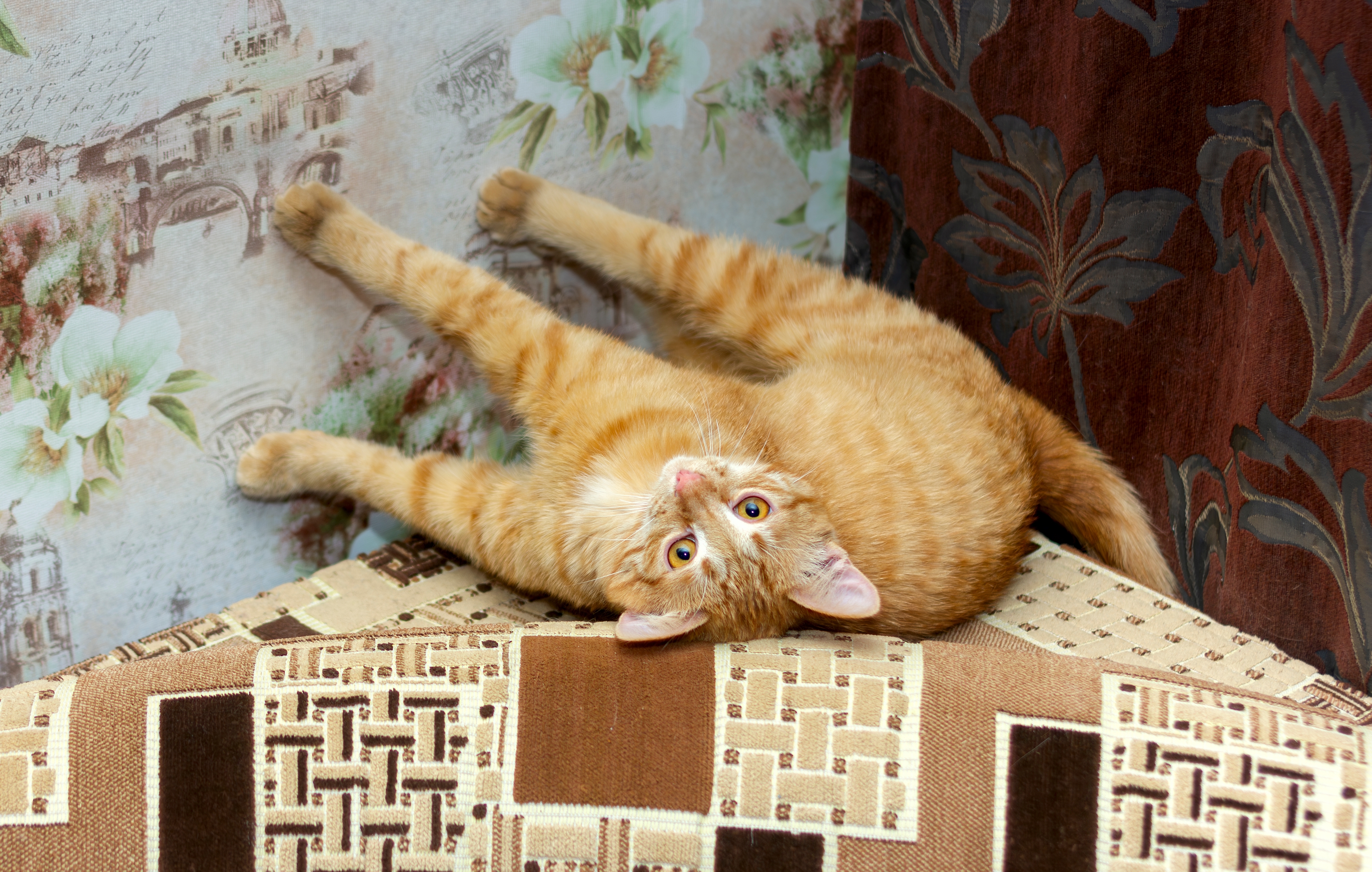
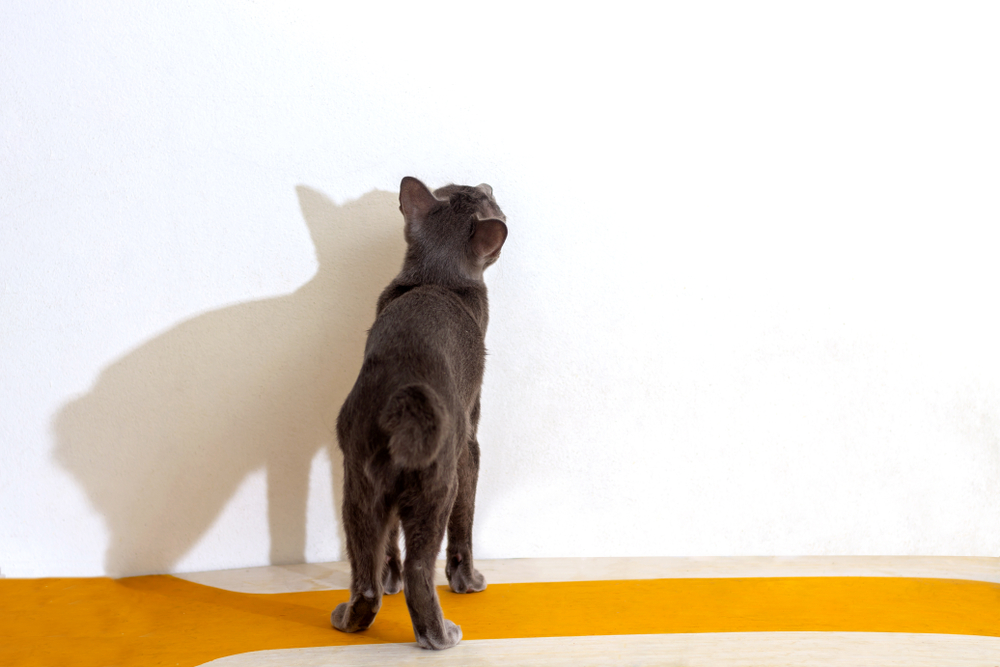
Cats are masters of odd behaviors, and it’s one of the reasons that we love them so much. But what's so interesting about dust motes? Why are they zooming around the apartment at 3 a.m. as if their tail was on fire? Why are they staring at the wall?
It may seem as if cats know so much more about the world than we mere humans do, so we tend to chalk up many of their odd behaviors to them just being their wonderfully weird kitty selves. One cat behavior that mystifies many owners, though, is the wall kick.
Cats could be exhibiting this behavior for a multitude of reasons. Read on to learn why your cat may be kicking the wall and if you should be concerned.

The 8 Possible Reasons Why Your Cat Kicks The Wall
1. Bunny Kicking
There are some cat behaviors that puzzle their owners and seem to make no sense. Bunny kicking is one such behavior. It often appears during play, and it can also be utilized when chasing potential prey or a toy.
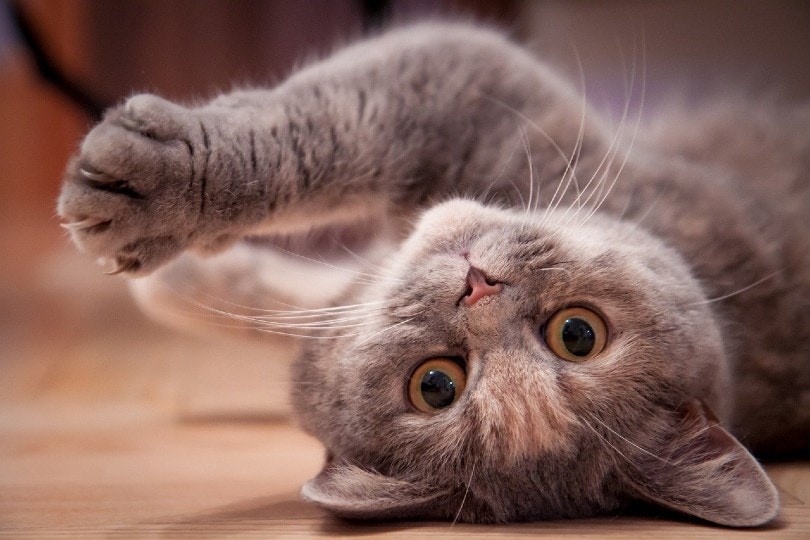
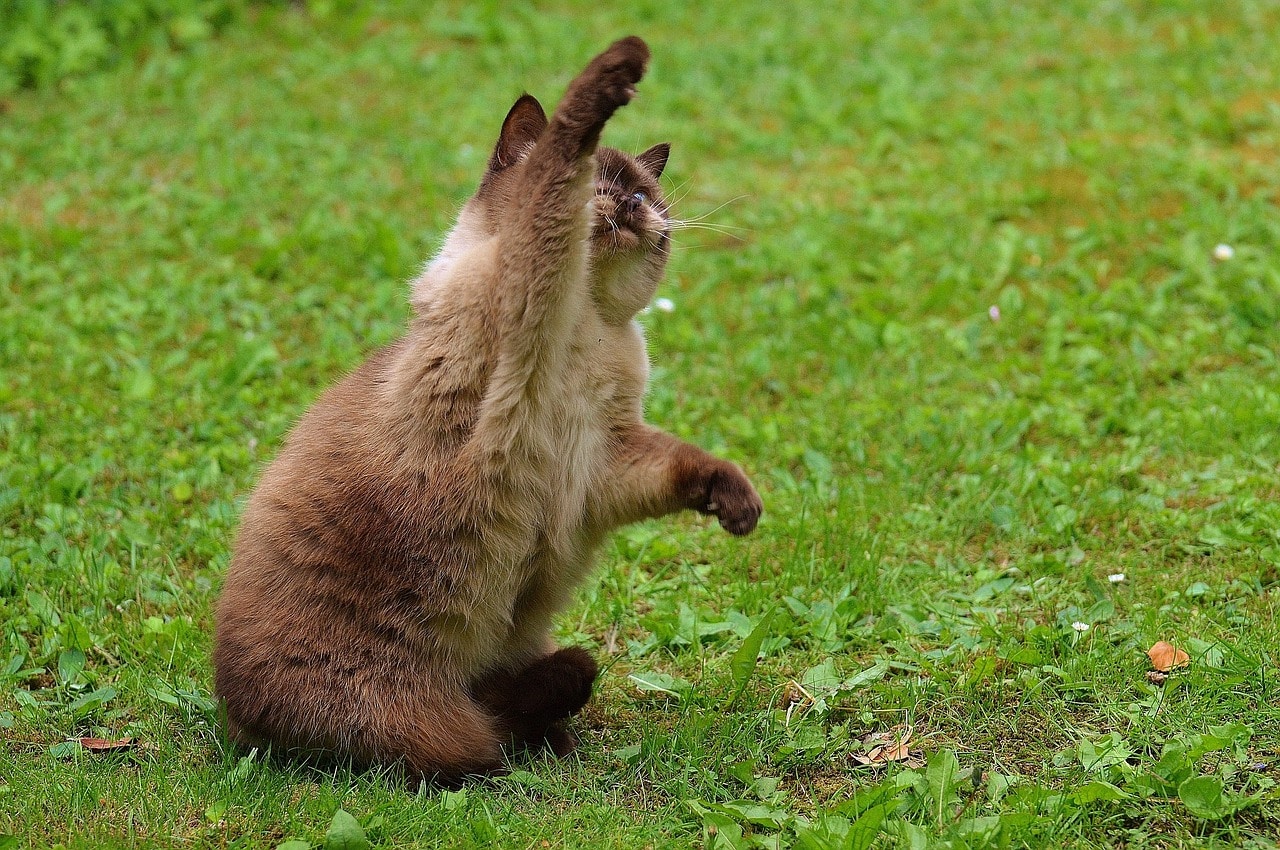
What exactly does bunny kicking look like? The signature start of the bunny kick is the cat wrapping their front paws around their target (e.g., toy, another cat, possible prey, etc.), followed by sharp kicks with the back legs at their target. This behavior is often used as a way to stun prey so they can play with or kill it.
Should this behavior be of concern to you as a pet owner? Not really, as it’s natural feline behavior. It only becomes a bit of a nuisance if your cat is beginning to use the bunny kick on you, as you'll soon discover that scratching and biting are part of the whole bunny kick package. No one likes getting kicked, bitten, or scratched—so watch out for the warning signs: flattened ears, dilated eyes, and increasingly rough play. Redirect your cat's attention to a favorite toy when you see these signs to lower the likelihood that you become the victim of their bunny kicking.
2. Working Off Excess Energy
Cats can have an excess of energy that results in energetic behaviors. Cats can also get the zoomies (just like dogs), typically characterized by fast running around your home and bouncing off your furniture and the walls. If your cat is kicking the walls during this display of excess energy, there’s not much cause for alarm. Keep an eye on your cat while they’re running around, and if they do happen to injure themselves despite your best efforts, take them to the vet.
3. Marking
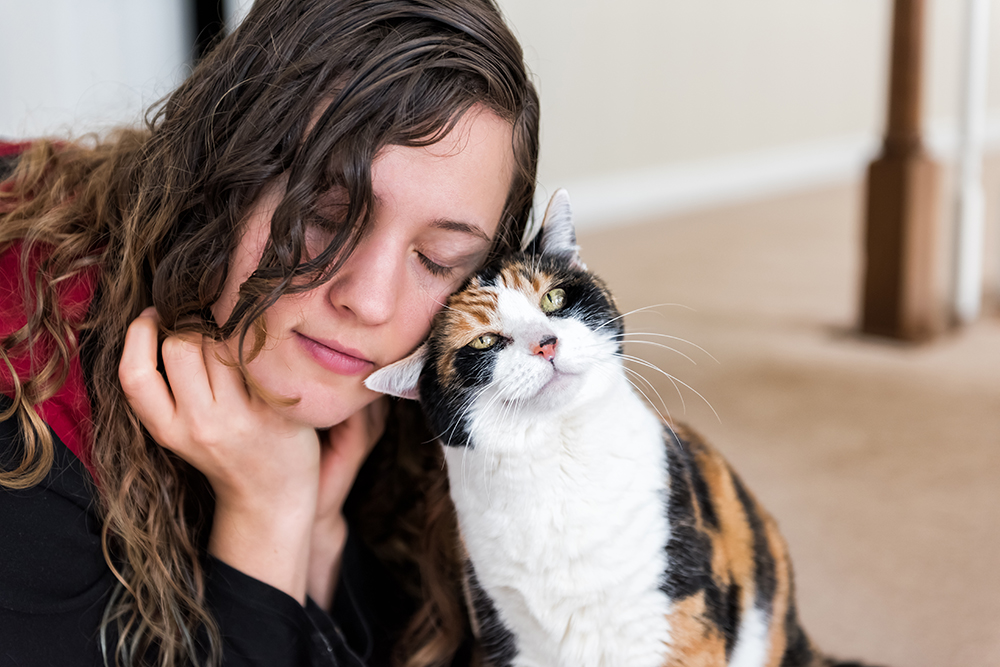
Cats use subtle cues to communicate, and one of them is marking. One type of marking is when your cat rubs their head against something, such as your legs or furniture, or kneads their claws into a surface, such as the blanket on your lap. Cats have scent glands in their cheeks and paws, and they transfer pheromones from their glands to favorite surfaces to help them feel comfortable and familiar in their territory.
Another type of marking is urine spraying, most often performed by intact males or less commonly by females in heat, which is characterized by cats spraying urine in an area to establish a boundary, state their presence, or announce that they’re ready to mate. Male cats typically spray the urine on a vertical surface by standing, backing up to where they want to mark, lifting their tail, quivering, and then spraying the urine. They will also spray urine if they’re stressed and unsettled about something, such as a dirty litter box, a new pet in the house, or not enough playtime. Spraying may appear as if your cat is kicking the wall, so do check it for a wet stain afterward.
If your cat’s behavior is indeed spraying, it’s time to get your cat neutered or spayed if they haven’t been done already, identify causes for their behavior, such as household stress or litter box inadequacy, or speak to a vet about a possible underlying medical issue causing this behavior.
4. Seeking Attention
Cats, just like any pet, require a certain amount of attention to feel loved and valued. Some felines may start to show undesirable behaviors if they’re feeling neglected or bored. If your cat is spending more time zooming around, kicking walls, and taking names, it's usually a cry for attention on the part of your pet. Pay some extra attention to them, make sure they get plenty of physical exercise through interactive playtime and an enriched environment, and you'll head off more destructive tendencies at the pass, such as urine spraying, shredding antique furniture, etc.
5. Fulfilling Scratching Needs
Scratching is an instinct in cats that urges them to maintain their claws, deposit their scent, have a good muscle stretch, and remove the translucent sheath from their claws. Some cats like to scratch horizontal surfaces, such as your carpet, while others are vertical scratchers, taking their clawing to your drapes. Some cats may even experiment with kicking the walls to give them a try—to see if they're worth a good scratch. To prevent any damage to your walls, carpet, or drapes, determine whether your cat is a vertical or horizontal scratcher, and then buy them an appropriate scratching post.
Alternatively, if you want to surprise your cat with something cool, check out the Hepper Hi-Lo Cat Scratcher. It's not just a scratcher; it's a piece of modern furniture that your cat can play on. It's got a curvy design that's perfect for stretching and moving, and it's built tough with strong birch plywood and thick B-flute cardboard. You can adjust it to three different heights, which keeps cats entertained. Plus, it won't break the bank! Our cats love it, and we do too.

- Premium Materials - Hepper's cardboard scratcher is made with dense, B-flute cardboard, and a metal core. Encased in a 1/2" plywood frame with gloss coating. Stable and beautiful, use after use
- High, Low and Lower - A single cat scratch pad won't keep your cat engaged. 3 unique positions keeps them coming back, and back, and back again. Finally, something to get them away from the couch!
- Activates Muscles - The Hi Lo isn't just a cat nail file to stop the chief cat couch scratcher. The deep cat scratcher wave encourages maximum musculoskeletal activation for a healthier workout
At Catster, we’ve admired Hepper for many years, and decided to take a controlling ownership interest, so that we could benefit from the outstanding designs of this cool cat company!
6. Stretching to New Heights
As any cat owner knows, cats love to stretch. Just like in humans, stretching helps cats to relieve tension in the muscles, as well as to reduce stiffness. Stretching also helps cats to relax, which is why you'll often see them stretched out enjoying the sun in apparent kitty bliss. Cats often find unique ways of stretching, and some have even been known to back up against a wall to try to get a stretch, which may result in the appearance of kicking walls.
7. Relieving Paw Pain or Discomfort
Cats often get pieces of litter stuck between their toe pads and may have trouble dislodging it on their own if they're stuck in fur or deep within the space between the toes. The irritation may cause some odd behaviors in your cat, such as kicking with its back legs, which may occur next to the wall as they tries to dislodge the offending material. The same happens if they get their paws wet.
8. Exhibiting Neurological Conditions
There are a variety of neurological disorders that can cause weird behavior, such as kicking the walls. Some of them may affect young cats, while others cause unusual signs in older and geriatric cats. If your cat seems to lose control of their body, kick the wall, have an exaggerated gait, seems disoriented, is trembling or shaking uncontrollably, walking in circles, bumping into things, or head pressing against a wall, neurological conditions may be the culprit. If you have concerns that your cat may have a neurological condition, make an appointment with a vet as soon as possible.

Conclusion
Many cat behaviors are a mystery to their owners, but they’re often harmless, including the wall kick. Reasons for this behavior may include attention seeking, paw discomfort, stretching, scratching, or trying to work off excess energy with some serious zoomies. Other reasons for kicking the wall may include the bunny kick, territory marking, and neurological disorders. If you're concerned about your cat's behavior, contact a vet and make an appointment to discuss the issue.
Featured Image Credit: Maxena, Shutterstock

Expert cat care, straight to your inbox
Vet-reviewed advice, behavior tips, and the best of Catster. Free, and you can unsubscribe anytime.
By signing up, you agree to our Terms & Conditions and Privacy & Cookies Policy.
Shana grew up in a large family with lots of pets including tiny hamsters, a bossy cat, and several loyal dogs. A former librarian, Shana now uses her experience to write about pets and help other pet owners. In her free time, Shana enjoys reading, crocheting, and researching new topics. Currently, Shana lives in the Pacific Northwest with her partner and their dog.
Join the conversation
Ask a question, share your story, or send private feedback.