Can Cats Drink Chocolate Milk? Vet Approved Facts & FAQ


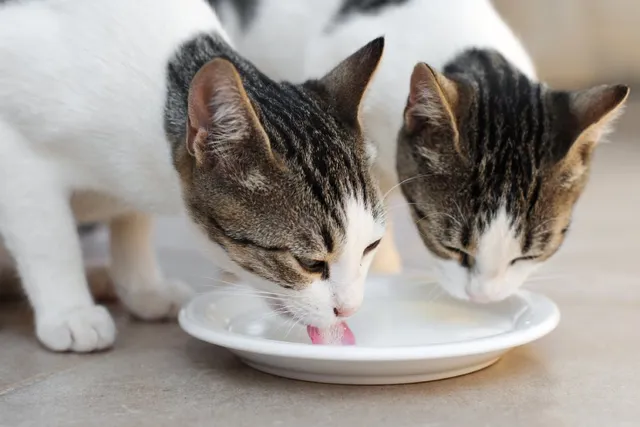
There have been images and videos of cats drinking milk for decades. As such, the habit perpetuates, and most owners believe that it is acceptable to give their cats milk. However, the truth is that milk is bad for cats. Most adult cats are lactose intolerant, and vets agree that they should not be given any flavored milk, including chocolate milk.
Unfortunately, the milk contains a lot of fat and sugar, which is what attracts them, and it is high in calories. However, there are several healthy alternatives that won’t leave you having to clean up after a lactose-intolerant cat that has had too much milk.

Is Milk Safe For Cats?
During the first 2 months of their lives, cats consume all of their nutrients through their mother’s milk. Once this change occurs, they can no longer process the sugar in milk. Their bodies do not produce the required enzyme because they no longer need it. That is what causes lactose intolerance, and basically, every cat suffers from it after a few months of age.

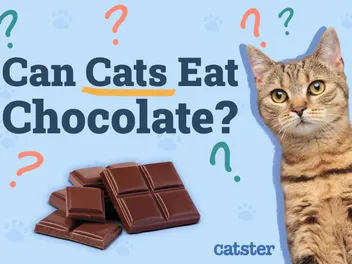
If your cat drinks milk, they can suffer from vomiting, diarrhea, and gastrointestinal discomfort. Your cat may be able to stomach a few mouthfuls of milk, but they will not process it properly. Milk is also packed with calories. While your cat will likely recover after drinking a few sips, as a one-off, the regular feeding of chocolate milk can lead to obesity, and chocolate is poisonous to cats.
Chocolate milk does not contain much cocoa (depending on the product, anywhere from 1% to 25%), but it can certainly increase the risk of toxicity in cats if they drink enough of it. Consuming too much fatty and sugary food can lead to obesity, which is as dangerous in cats as it is in people.
Obesity in cats can increase the risk of your cat developing:
Cats are not attracted to the chocolate flavor of chocolate milk. They don’t have a sweet tooth like dogs. They are attracted to the fat in the milk, which is why they love ice-cream products.
Other Ways to Add Calcium to Your Cat’s Diet
People are encouraged to drink milk because it is a great source of calcium. It is also an essential nutrient for cats, which means that they need to get this mineral in the food they eat.
Calcium and phosphorus levels in the body are maintained at a fine balance, by the parathyroid hormone. However, there are other great sources of calcium that your cat can benefit from. Other sources include a complete commercial diet formulated based on AAFCO guidelines, rich in animal protein. Healthy cats will not need additional calcium, and supplementation may lead to adverse effects, so always consult with your vet before giving your cat any food supplements.
Alternatives To Milk
If the goal of feeding milk to a cat is to provide hydration, they only need water, and they may be getting a lot of their water requirements from wet food. Whatever your cat eats, ensure that they have a supply of fresh water available to prevent the adverse effects of dehydration.
Plant alternatives to cow milk also risk giving your cat an upset stomach, so consult your vet before considering any type of milk for your cat.
- Almond milk is used as an alternative to cow’s milk by people who are lactose intolerant, and it is considered suitable for cats. However, cats are carnivores. They would not eat nuts in the wild and would likely turn their noses up at almonds. Almond milk contains no lactose and is high in protein, but your cat may not like it. Either way, it should not be a regular part of their diet.
- Rice milk is another alternative. It is naturally sweet and is made from brown rice and sugar. Your cat does not benefit from the sweetness because they cannot taste it. Because of the high caloric and sugar content, rice milk should only be served occasionally.
- Coconut milk is another alternative milk that does not contain lactose. It is high in fats, and it should ideally be avoided or only offered occasionally as a special treat.
- Cat milk is made by several brands, and it is lactose-reduced milk. It still contains some lactose, and if your cat is especially sensitive to it, they can suffer gastrointestinal distress after drinking just a small amount. It's also high in calories. It should be fed in moderation but can be used to supplement the diet of an undernourished, underweight cat or for feeding orphaned kittens.
Flavored milk has ingredients that may be toxic, and they could cause a lot more harm than ordinary milk. Again, consulting your vet and doing a detailed check of the ingredient list is crucial before considering even the tiniest amount of milk for your cat. The only safe option is to stick to water since your cat does not need milk in any form.
Is Chocolate Milk Safe For Cats?
Chocolate milk is not safe for cats. It contains lactose, and cats are lactose intolerant after 2 months. They can suffer an upset stomach and vomiting in the short term. In the long term, the high fat and calorie levels of chocolate milk can also lead to obesity, which is common in cats and can cause long-term and debilitating illnesses. Although present in a very small amount, the chocolate in the milk is toxic to cats.
Although milk is high in calcium, cats can get enough of the essential minerals from their daily diet. There is no reason to give milk to a cat, especially since they do not have a sweet tooth. Some milk alternatives, including coconut and almond milk, might be suitable but should be fed sparingly.
Even cat milk, available from most pet shops, should only be served occasionally in small portions. However, fresh water is the only liquid cats need to consume to stay healthy.
Sources
Expert cat care, straight to your inbox
News, insights, and useful advice, delivered to you.

No spam — unsubscribe anytime.
By signing up, you agree to our Terms & Conditions and Privacy & Cookies Policy.
How useful was this post?
Click a star to rate. You can leave written feedback afterwards. (We read all feedback.)
Christian started writing for a local newspaper as a teenager, and he's been involved in the publishing industry for most of his adult life. Combining his love of writing with a passion for animals, he is currently the Director of Editorial at Pangolia and the Editor-in-Chief at Catster.
Christian lives in the Philippines with his wife, son, and four rescue cats: Trixie, Chloe, Sparky, and Chopper.