My Cat Is Not Eating But Acting Normal, What’s Wrong? 7 Vet-Reviewed Issues


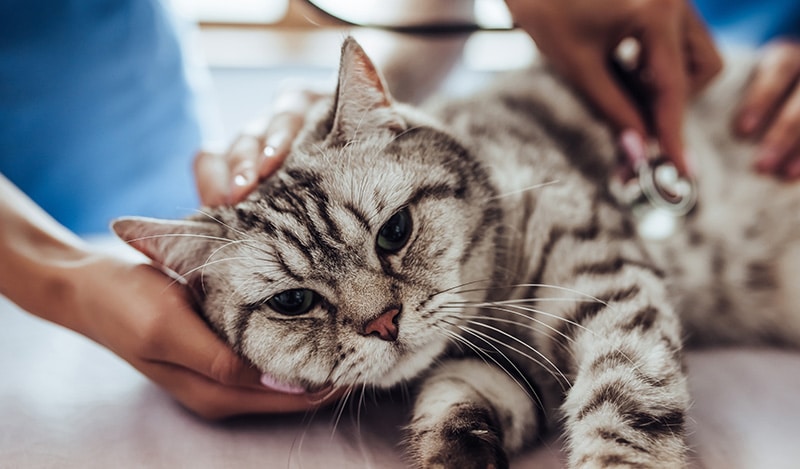
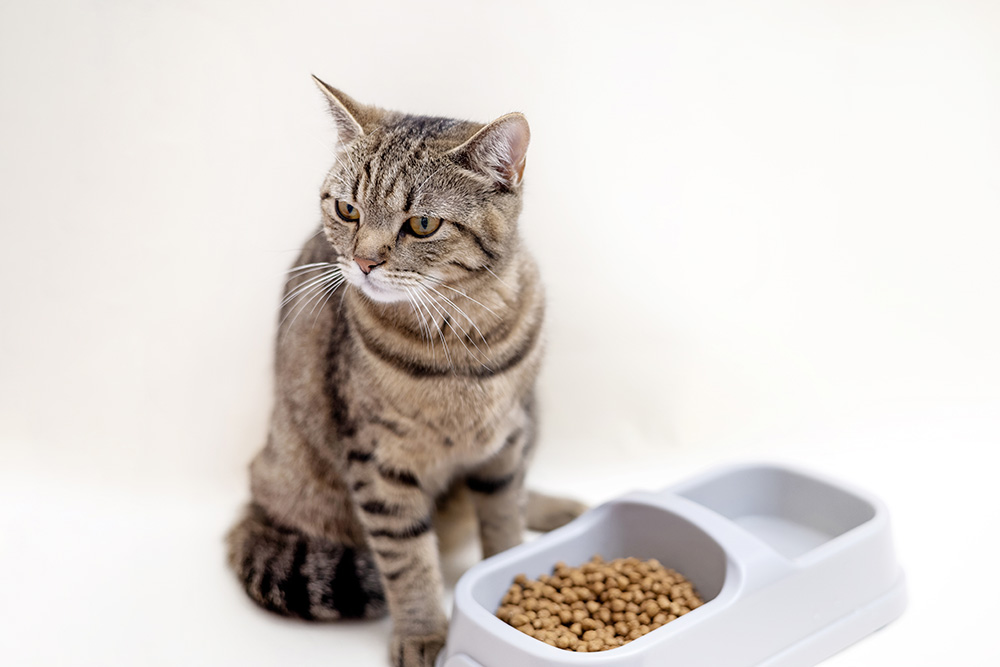
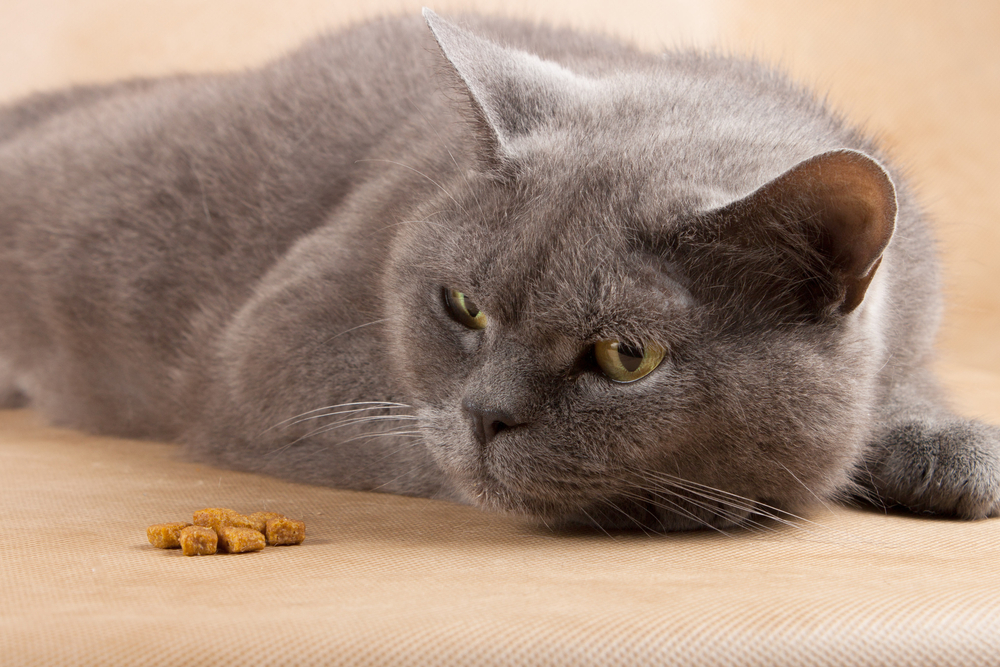
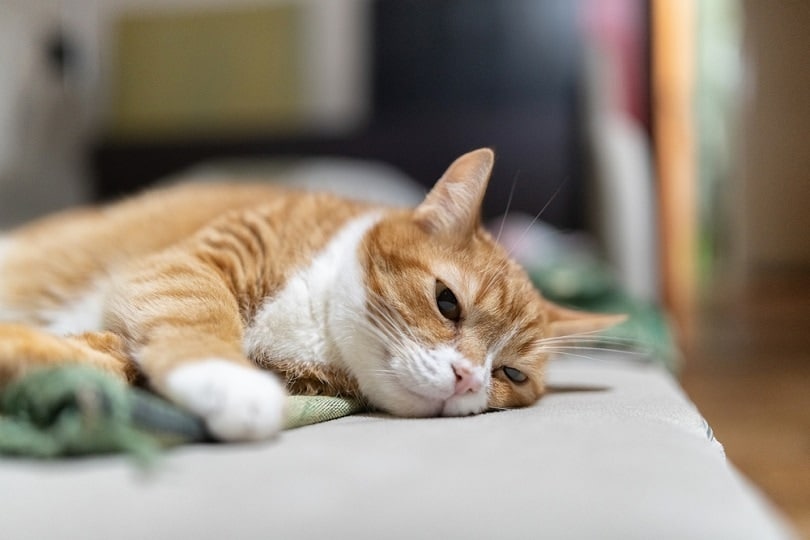
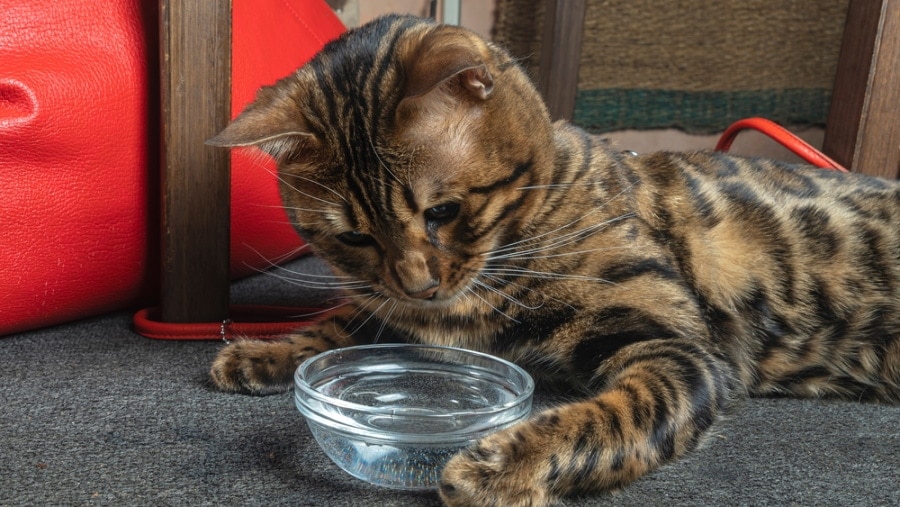
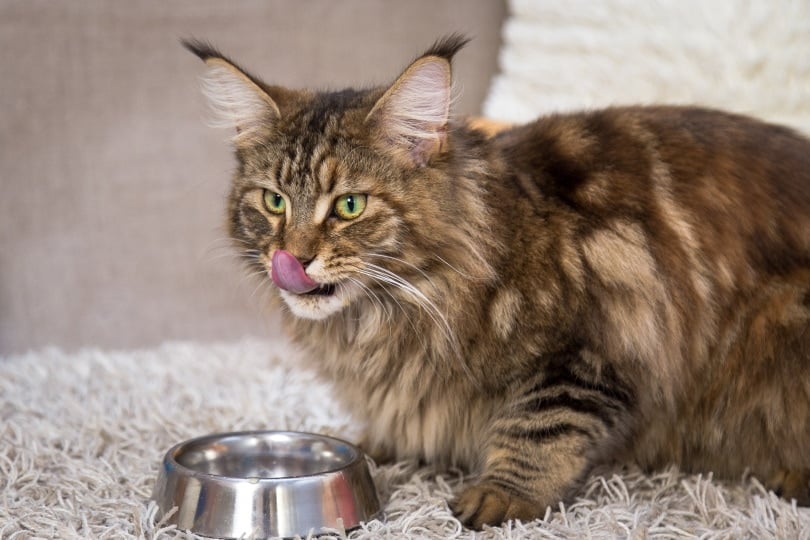
It is understandable to feel worried if your cat is not eating much but acting normal. Although cats can be finicky about mealtimes and their food preferences, a poor appetite could indicate that something is wrong. There are various reasons why your cat could be eating less food than usual but still acting normal.
Not all cats clearly show their discomfort from illnesses or stress, which is why cat parents are encouraged to monitor any changes in their cats’ behaviors. Changes in your cat's eating habits should not be overlooked, as there might be an underlying issue that needs addressing.
This article will discuss the seven likely issues behind your cat’s reduced appetite and otherwise normal behavior.

The 7 Reasons Your Cat Isn't Eating But Acting Normal
1. Stress
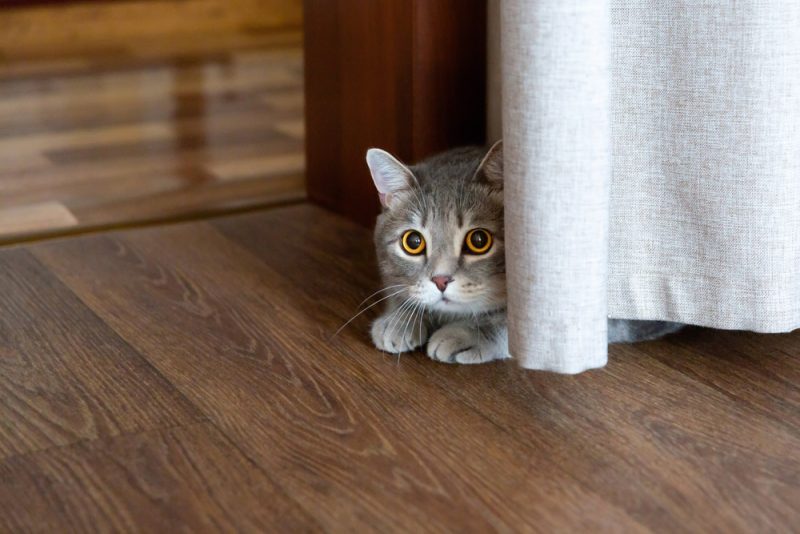
Just like humans, cats can be sufferers of stress too. However, the reasoning behind our stress versus our cats is different. Rather than stressing about work or money worries, cats can become stressed from things like a new pet or baby in their home or other environmental disruptions. Cats do not handle stress well, so you will start seeing changes in their behavior.
If your cat is not eating much it could be feeling stressed or generally feels unwell. Other signs that could indicate your cat is stressed are changes in their litterbox or sleeping habits.

2. Age
As cats begin to age into their senior years, you might notice their appetite starts decreasing. They may otherwise act normal, but you might notice subtle changes in their activity levels. It can be normal for a cat to eat a bit less the older they get because of reduced activity and a slower metabolism.
If your cat is eating less food because of their age, the changes will be more subtle than if it were from stress or certain illnesses. Older cats can also experience changes in their food preferences.
However, you should first rule out pain and medical conditions as reasons behind your cat's poor eating habits. Older cats are more likely to be suffering from pain due to conditions such as arthritis or dental disease, and many have other long term diseases which may suppress their appetite. Senior cats that are refusing to eat any food for 24 hours should be taken to an emergency veterinarian for a health evaluation.
3. Health Problems
If your cat is feeling ill, they may start refusing food or eat less than usual. This could be from pain or nausea that is making it difficult for them to keep food down. Various health problems can cause changes to your cats’ eating habits, such as kidney disease and pancreatitis. Anything that causes nasal congestion and affects a cat’s sense of smell can also reduce their appetite. If you suspect that your cat’s appetite changes are caused by a health problem, they should be taken to a veterinarian.
A cat not eating much but still acting normal is quite common as they can hide their health problems well so that they don’t appear vulnerable. So, if they start refusing food or eating less than usual, it can be a sign that they are not feeling well and you should talk to a vet as soon as possible.
4. Sudden Dietary Changes
Cats can be picky about the food they eat and are not fond of dietary changes. If you have recently switched your cat to a new food or changed up their usual diet, your cat might not show much interest in eating it yet.
It can take a while for cats to adjust to the different flavors and textures of the new food, and they might not enjoy it as much as their old food. It is better to gradually introduce new foods into your cats and allow a transitioning period of 7 to 10 days. This will be much easier on your cat’s digestive system and give them time to adjust to new foods. This gradual transition period is especially important for felines with sensitive stomachs or picky eating habits.
Unfortunately, some cats struggle to adjust to new foods if they have a strong preference for their old diet. Your cat is probably not fond of the new flavors or prefers either the wet or dry food that they previously ate.
5. Certain Medications
If your cat is on medication, whether acute or chronic, a decreased appetite could be a side effect. Medications such as antibiotics can have side effects like nausea and an upset stomach that can make it difficult for your cat to eat normally. It is important to discuss with a veterinarian any changes in your cat's behavior and appetite on their medication.

6. Dental Issues
Dental issues are common in cats and can impact how they eat. Gingivitis, stomatitis, mouth ulcers, periodontal disease, or tooth infections are some of the dental issues that can affect cats. It can be painful and difficult for cats to eat their food if they have dental issues.
Not all cats show obvious signs of dental disease until they are evaluated by a veterinarian, so a decreased appetite might be the first sign to look out for. If you suspect that your cat is not eating much food because of dental issues, you will need to get them checked out by a vet.
Otherwise, some cats won't eat for a few hours after getting dental surgery or teeth cleaning. This could be from any swelling and discomfort in their mouth that is making it challenging for them to eat. A veterinarian might recommend feeding them wet or soft foods until your cat recovers.
7. Gastrointestinal Problems
Like humans, cats can have gastrointestinal problems like nausea and stomach pain that can affect their appetite. They could have eaten food earlier that didn’t agree with their stomach, or perhaps they have acid reflux or irritable bowel disease. This can cause your cat to lose their appetite and not eat much until their gastrointestinal problems ease up.

Conclusion
If your cat is reluctant to eat their food but still acts normally, don’t hesitate to contact a veterinarian. Cats should never go more than a couple of days without eating any food because of the risk of hepatic lipidosis (fatty liver disease), a common cause of liver failure in cats. It is not a good sign for cats to start eating less food or refusing food entirely.
Even if your cat seems otherwise normal, the reduced appetite is a sign that they are not. It’s advisable to have them checked out by a vet as soon as possible
Related Read:
Sources
Featured Image Credit: 4 PM production, Shutterstock

Expert cat care, straight to your inbox
Vet-reviewed advice, behavior tips, and the best of Catster. Free, and you can unsubscribe anytime.
By signing up, you agree to our Terms & Conditions and Privacy & Cookies Policy.
Sarah Psaradelis is an avid young writer with dual passions for literature and animals. She enjoys sharing knowledge of animal care and helping others. Sarah has over 8 years of writing experience and is currently studying veterinary science. She resides in South Africa where she takes care of fish, aquarium snails, dogs, and rodents. Sarah is a passionate vegan activist and animal rescuer pursuing her path to make the world a better place for humans and animals alike.
Join the conversation
Ask a question, share your story, or send private feedback.