Is Patchouli Safe for Cats? Vet-Reviewed Health Facts


Humans have used essential oils for eons—as long ago as 4500 B.C. in Ancient Egypt, where they were used in ointments and cosmetics.
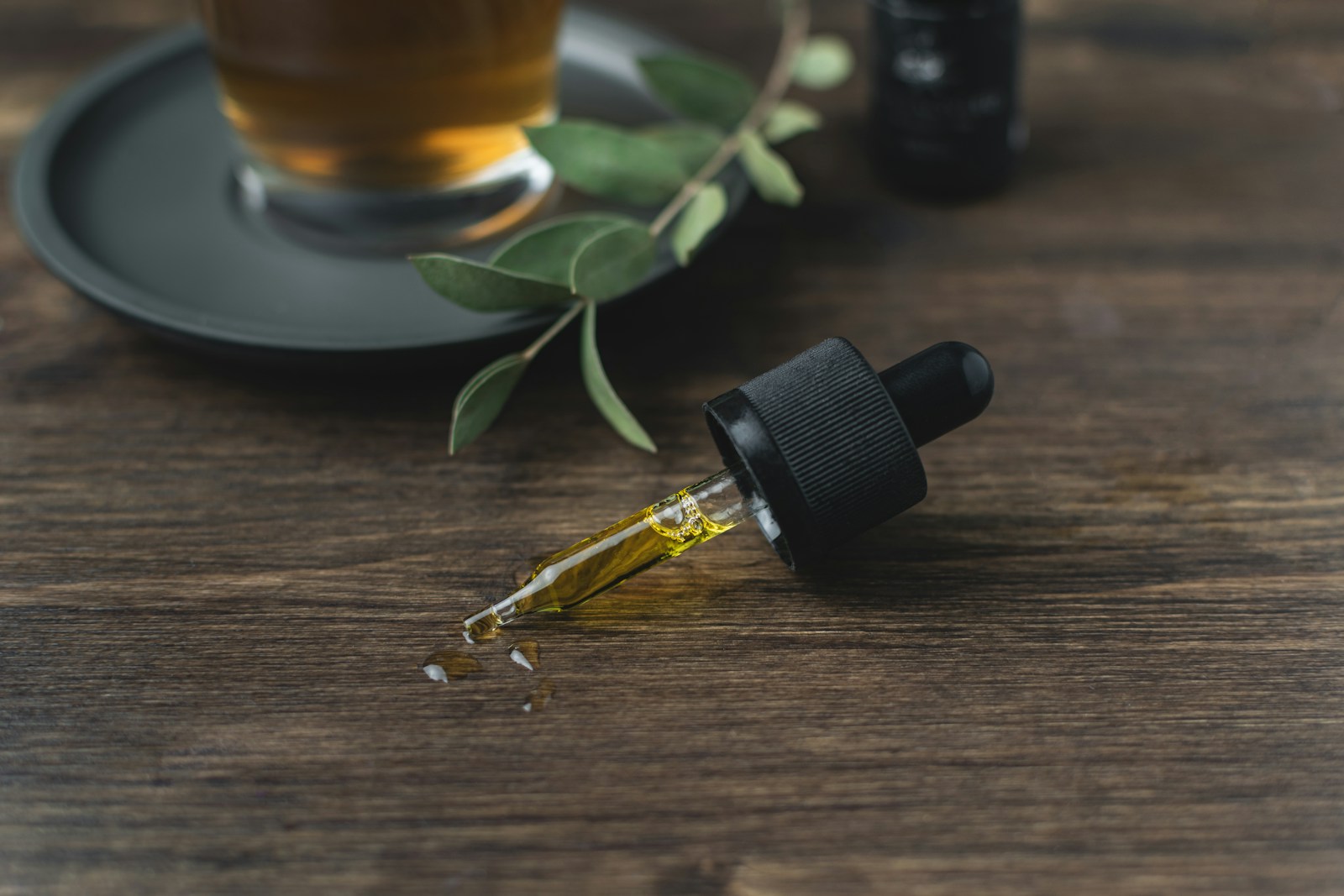
Today, essential oils are used as part of aromatherapy and to help with minor health conditions. But there are questions regarding the safety of using essential oils like patchouli around our cats.
While patchouli oil is not considered highly toxic, there is still a considerable risk of using it on or near pets, particularly cats.
In this article, we dig deep into everything essential oils, but with a focus on patchouli and whether it is safe for our cherished felines.

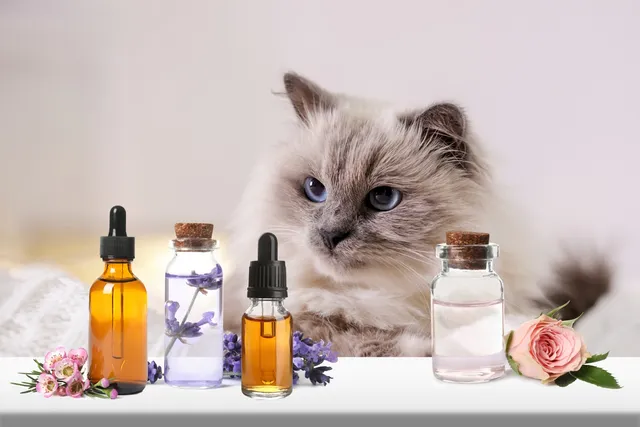
A Little About Essential Oils
Essential oils are obtained through a distillation method by steam and/or water or by cold pressing. The process of squeezing out the “essence” of the plant gives us the natural smell (and flavor, though these oils are not meant to be ingested).
They are used in various ways, such as in perfumes and other items meant to emit a scent, like candles and soaps. They have also been used to induce a mood, such as lavender helping to create a calm space, or to rub into the skin to help treat skin conditions.
There is controversy surrounding the effectiveness of essential oils, particularly with health conditions. But the scent does seem to have a mental benefit for some people.

A Little About Patchouli
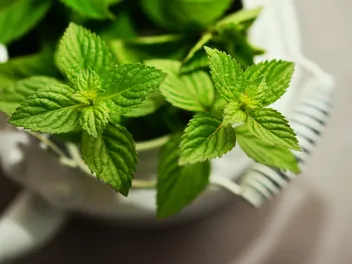
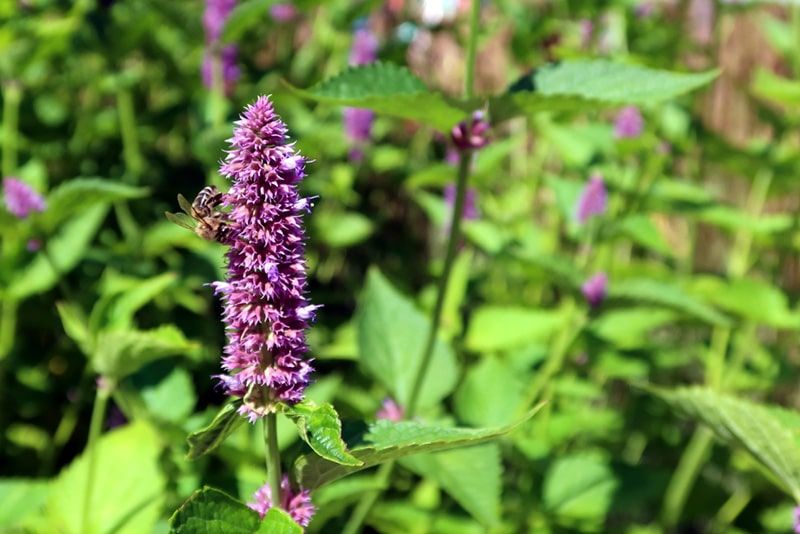
Patchouli is a kind of aromatic herb, and it’s from the plant that the essential oil is derived from. Once you’ve had a whiff of patchouli, there’s no mistaking it! It’s described as spicy, sweet, and woodsy and is commonly used in cosmetics, perfumes, and incense.
It’s said that patchouli can treat skin conditions like acne and dry skin and helps relieve stress and depression. Patchouli has also been used as an antibacterial, antifungal, and insecticide, as well as to control appetite.
The Issue of Essential Oils and Cats
Essential oils and cats don’t mix! Essential oils can be absorbed quite quickly via the skin and orally and through inhalation. They are then metabolized by the liver. But cats don’t have an enzyme in their liver that helps metabolize and eliminate specific toxins like essential oils.
Certain essential oils, including patchouli, contain phenols and phenolic compounds, which cats are also susceptible to. So, if a cat inhales, ingests, or has essential oils put on their skin, their body cannot process it, and it can prove fatal. This is particularly true if the essential oil is at its most concentrated, at 100%.
The essential oils that are the most dangerous to cats are:
- Wintergreen
- Sweet birch
- Citrus (d-limonene)
- Pine
- Ylang Ylang
- Peppermint
- Cinnamon
- Pennyroyal
- Clove
- Eucalyptus
- Tea tree
While patchouli is not on this list, it does contain phenol compounds and will likely make your cat quite sick.

Signs of Essential Oil Poisoning
The signs of essential oil poisoning entirely depend on the type of oil and what kind of exposure occurs. They can include:
- Drooling
- Vomiting
- Tremors
- Wobbliness
- Respiratory distress
- Low heart rate
- Low body temperature
- Liver failure
If your cat was exposed to any essential oils and exhibits any of these signs, take them immediately to your vet or closest emergency clinic!
Signs that your cat inhaled essential oils are:
- Labored breathing
- Fast breathing
- Panting
- Coughing
- Wheezing
If your cat looks like they are about to throw up a hairball but doesn’t, this merits an immediate vet visit!
If you need urgent veterinary advice, consult a vet online.
Protecting Your Cat
If you use patchouli essential oil in the home or any other oils, you’ll need to put them in a safe place that your cat can’t access. If they are adept at opening cupboards and jumping to high and hard-to-reach areas, you’ll want to thoroughly cat proof the hiding place. You might also want to seal the patchouli oil in a resealable plastic bag, especially if you can smell it without even opening the bottle.
When using the patchouli, make sure you only spray it or light the incense when your cat is out of the room, and don’t let them back in until the potency has faded. Don’t use essential oil reed diffusers in rooms that cats have access to. Diluted essential oils are better because the more concentrated the oil is, the more dangerous it is for your cat.
Never spray essential oils on or near your cat. Beyond the inhalation problem, if any of it falls on your cat’s fur, it can be absorbed through the skin, and your cat will also ingest it through grooming. This includes washing your hands before petting your cat if you’ve put on lotion scented with essential oil. It’s likely quite diluted, but it’s better to be safe than sorry.


Conclusion
Patchouli essential oil is not thought to be as toxic as some other essential oils, but it does contain phenols, which can pose a danger to your cat. It’s dangerous if your cat breathes it in or if it’s put on their skin and fur. So, while using essential oils can prove to be of benefit for us, particularly if you’re in love with a scent, they’re not safe for use around cats. Play it safe, and only use patchouli when your cat isn’t in the room, and ensure that it’s quite diluted. If you’re still worried, you probably shouldn’t use it at all.
Related Reads:
Sources
Featured Image Credit: PaulSat, Shutterstock

Expert cat care, straight to your inbox
Vet-reviewed advice, behavior tips, and the best of Catster. Free, and you can unsubscribe anytime.
By signing up, you agree to our Terms & Conditions and Privacy & Cookies Policy.
Kathryn was a librarian in a previous lifetime and is currently a pet writer. When she was a child, she hoped to work in ZOOs or with wildlife in some way, thanks to her all-consuming love for animals. Sadly, she's not strong in the sciences, so she fills her days with researching and writing about all kinds of animals and spends time playing with her adorable but very naughty tabby cat, Bella. Kathryn is hoping to add to her family in the near future – maybe another cat and a dog.
Join the conversation
Ask a question, share your story, or send private feedback.