Feline Hepatic Lipidosis - Fatty Liver Disease in Cats: Signs, Causes & Care
In this article
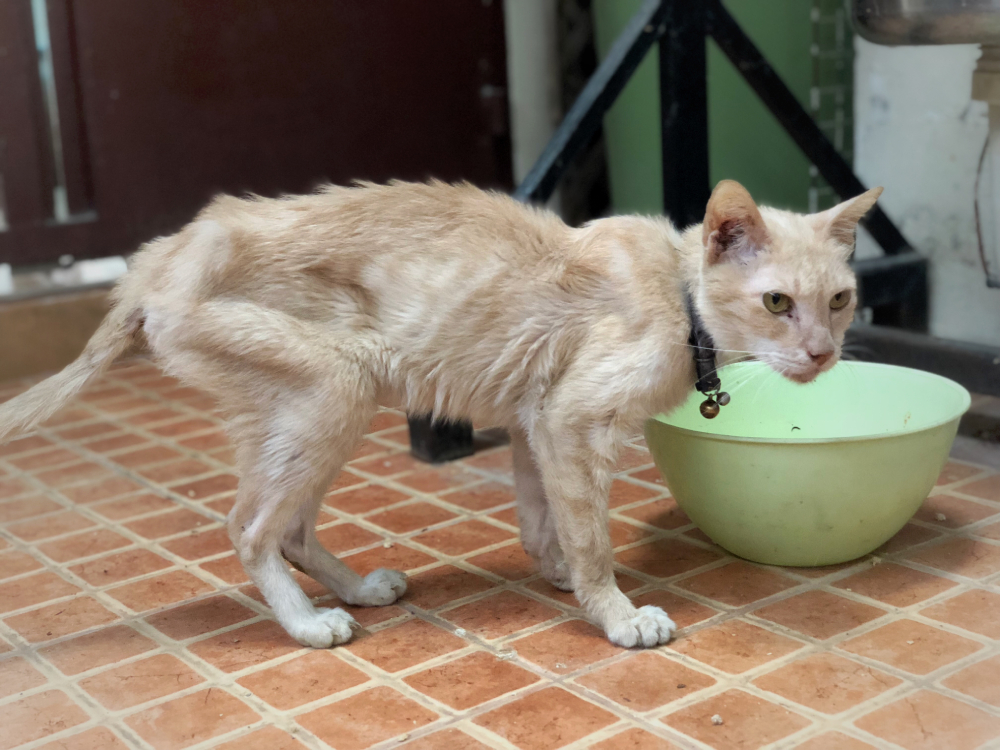
Hepatic lipidosis, more commonly known as fatty liver disease, is the most frequently seen form of severe liver disease in cats. The liver performs many complex functions, including the production of bile, which is necessary for digestion and the detoxification of the body. It also plays an important role in metabolism. Because of its vital importance, the body has no way of compensating when the liver fails.

Causes
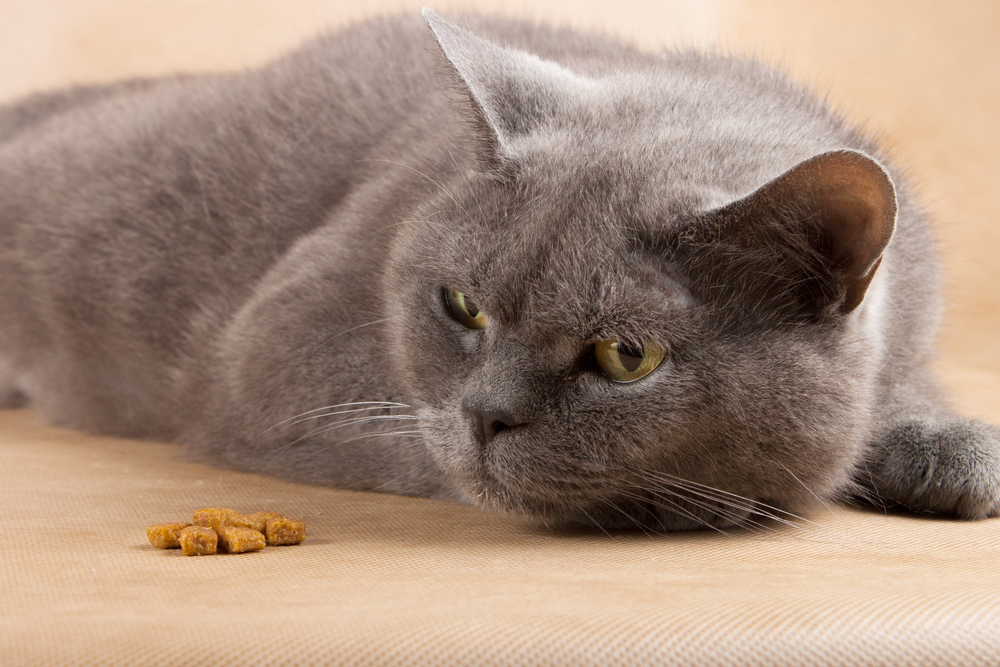
Hepatic lipidosis is often characterized as being idiopathic, which means the specific cause is not known, but it is almost always preceded by anorexia, a cat's nearly total avoidance of food. When a body is undernourished or starved, it starts to metabolize its own fat reserves for energy. Cats are unable to convert large stores of fat, so when a cat is in starvation mode, fat released into the bloodstream accumulates in the liver, impeding liver function.
Hepatic lipidosis is usually a secondary cause of an underlying or already present condition such as diabetes, cancer, hyperthyroidism, pancreatitis, kidney disease, or another type of liver problem. Obese and overweight cats are more susceptible to this condition than those of a lean body weight.
Signs
- Anorexia. Whenever a cat goes for more than 24-48 hours without food, this is cause for concern.
- Lethargy
- Vomiting and/or diarrhea
- Depression
- Jaundice (yellowing of the skin, eyes, and mucuos membranes) - aka icterus
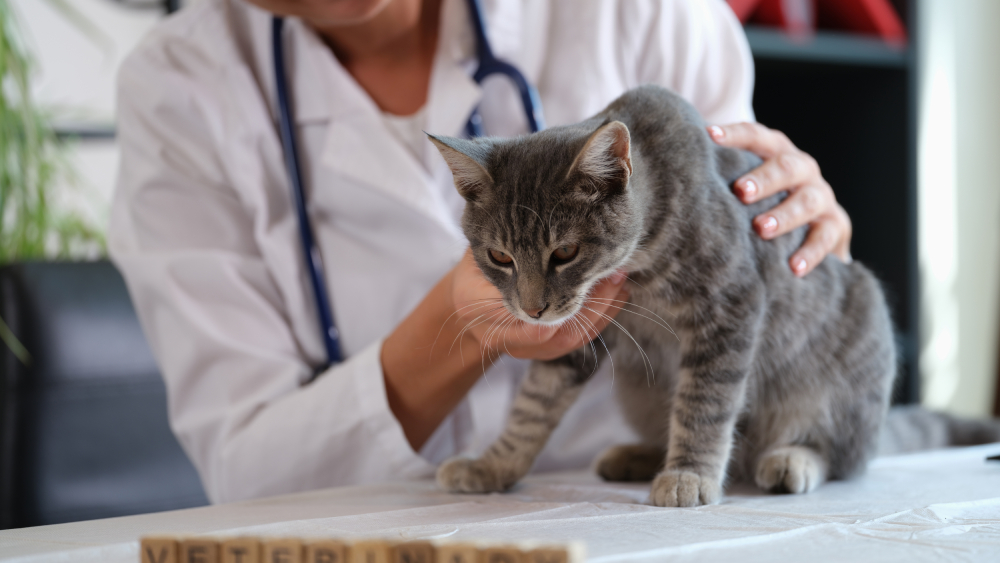
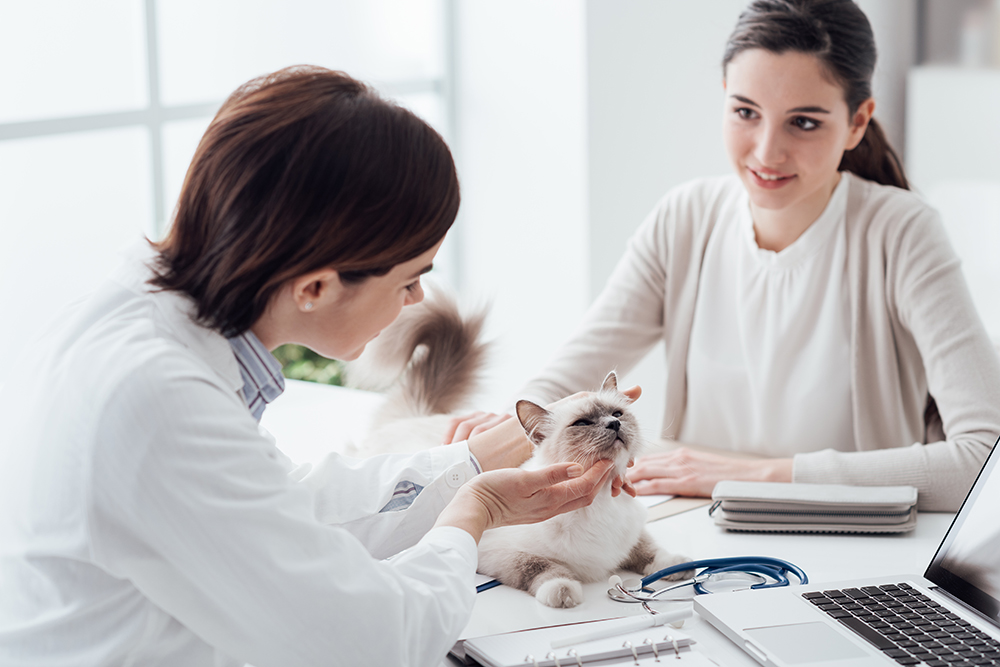
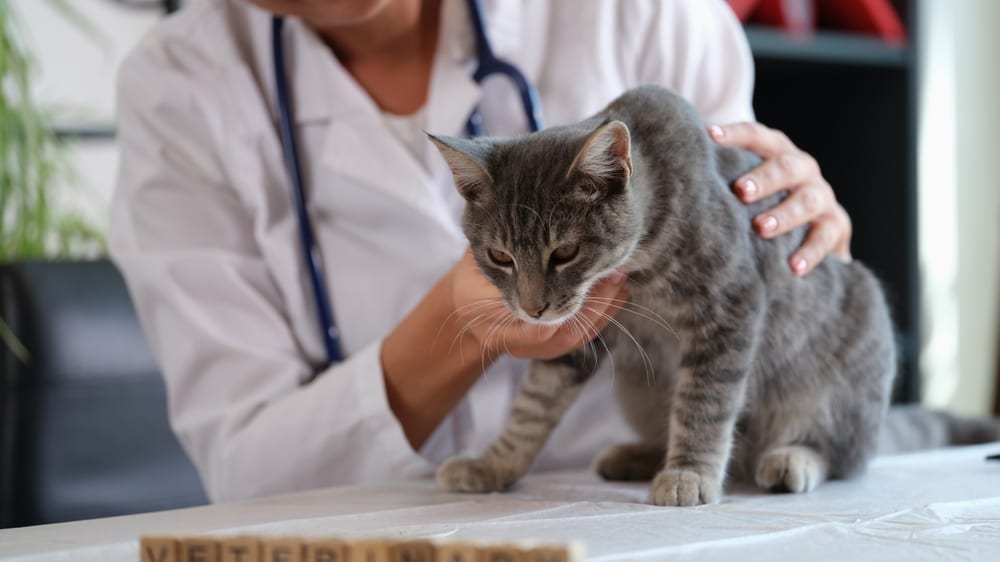
Cats showing any of the above signs should be examined by a vet as a matter of urgency.
Diagnosis
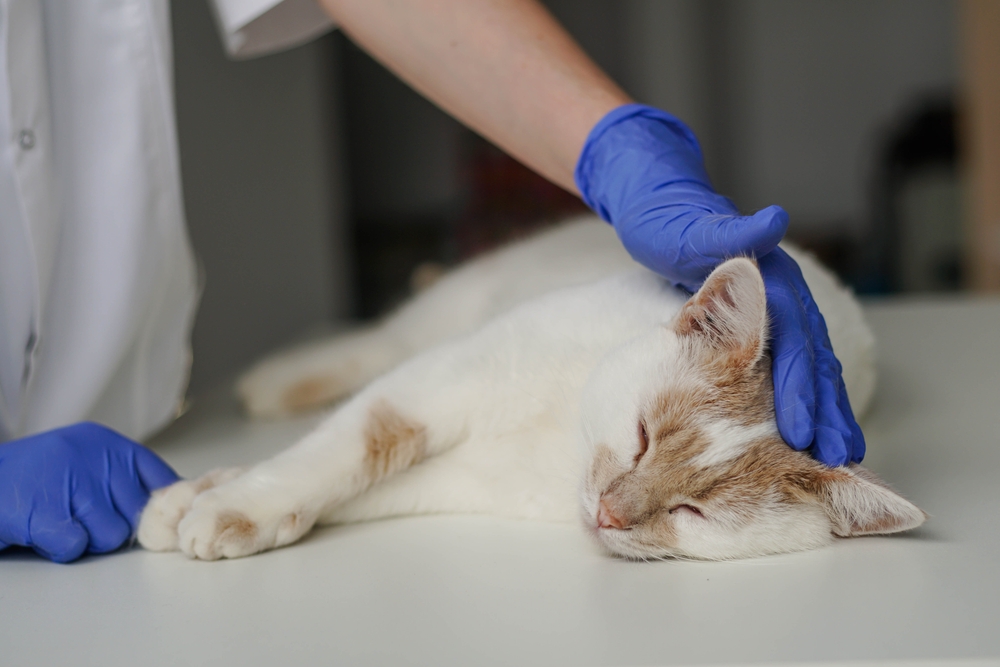
Diagnostics will include a complete blood count, blood chemistry, urinalysis and abdominal imaging. Typically, blood test results will show elevated liver enzymes and bilirubin, and may also reveal abnormally sized red blood cells. High levels of bilirubin may also be present in the cat's urine. X-rays and ultrasound may show inflammation and enlargement of the liver. Your vet may also want to obtain biopsies of liver tissue.
Treatment
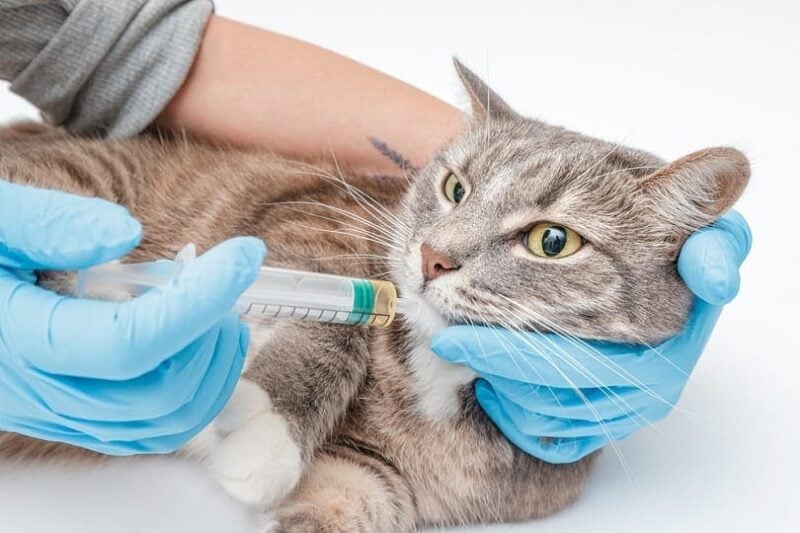
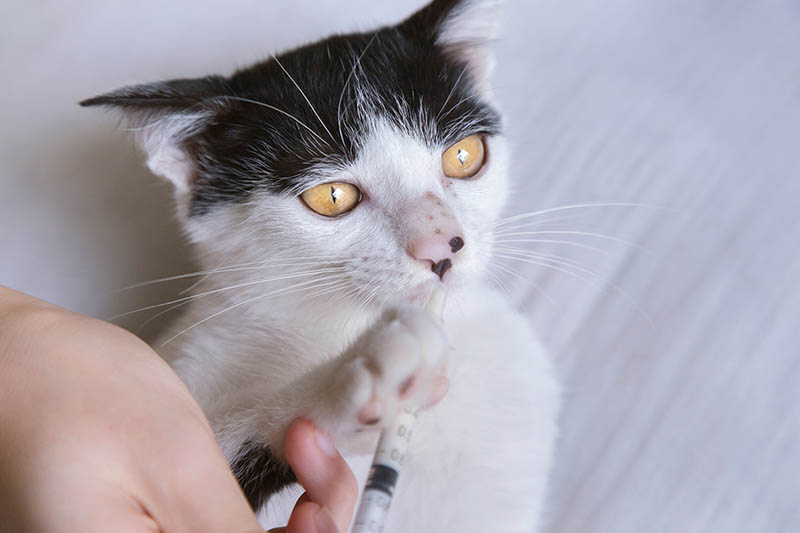
The goal of treatment is to nourish the cat immediately by giving IV fluids, vitamins and concentrated nutrition. The cat may initially be hospitalized for several days. While syringe feeding may be possible, in most cases, cats require a feeding tube. This may sound extreme, but it is usually a better solution than force-feeding via syringe, especially if, as is not uncommon, assisted feeding needs to continue for an extended period. Forcing food into a cat’s mouth risks aspiration (inhaling food), stress, and can prolong recovery by creating food aversion. Once a feeding tube is in place, many cats can be tube-fed at home.
At the same time, it is also critical that the underlying cause of the hepatic lipidosis is identified, so appropriate treatment can be initiated without delay.
Prognosis
If diagnosed early, and if the cat survives the first few days of aggressive treatment, the prognosis for a full recovery is excellent. If left untreated, the condition is often fatal. The good news is that, provided the underlying problem is addressed, most cats who survive an episode of hepatic lipidosis usually don't have a relapse.
There are many reasons why careful monitoring of food and preventing excessive weight gain are important for your cat’s health, and this is just one more.
Featured Image Credit: Elpisterra, Shutterstock
Expert cat care, straight to your inbox
Vet-reviewed advice, behavior tips, and the best of Catster. Free, and you can unsubscribe anytime.
By signing up, you agree to our Terms & Conditions and Privacy & Cookies Policy.
Ingrid King is an award-winning author, former veterinary hospital manager, and veterinary journalist who is passionate about cats.
Join the conversation
Ask a question, share your story, or send private feedback.