Can You Save a Cat With Kidney Disease? Our Vet Explains Prognosis & Lifespan

In this article
Sadly, kidney disease in cats is nearly 100% fatal. There is no reversing it in most cases, and treatment consists of managing it rather than fixing it. But that doesn’t mean some cats with kidney disease can’t live relatively normal and long lives. It all depends on the severity of the disease and the treatments that are undertaken.

Can You Reverse Kidney Disease in Cats?
You may have heard that the liver can regenerate itself, and indeed it can—to a point.1 It’s an incredible organ, and so are the kidneys, but they lack the regeneration ability that the liver possesses. This means that once damage occurs, it’s permanent.
The major issue with this is that once a kitty starts showing signs of kidney disease, significant damage has already been done. The kidneys tend not to show signs of distress until they’re very distressed.
So, any kidney function cannot be regained once it’s been lost. However, that doesn’t necessarily mean your cat is doomed. Some cats can survive with reduced kidney function for weeks, months, and even years with proper management. This management isn’t reversing kidney disease per se, but it’s supporting the remaining kidney function and helping slow the disease’s rate of progression.

How Can I Save My Cat From Kidney Failure?
To be clear, there’s no “saving” cats from kidney failure or kidney disease. Once they have it, they have it forever. But if you’re looking to “save” your cat from some of the discomfort that may accompany the condition, there are a few ways that you and a vet can go about it.
If your cat is in the early stages of kidney disease, thevet may look into treating the underlying cause, if possible. With any luck, a simple infection is the culprit and may require a course of antibiotics and supportive therapy. More often than not, though, this isn’t the case, which means the kidney disease has progressed beyond this point, or there isn’t a treatable underlying cause. Either way, the vet’s next step will be supportive care.
This may look different for every kidney disease patient but may include a combination of any of the following:
- A kidney diet with decreased protein, phosphorus, and sodium and increased vitamins, potassium, fiber, calories, and fatty acids
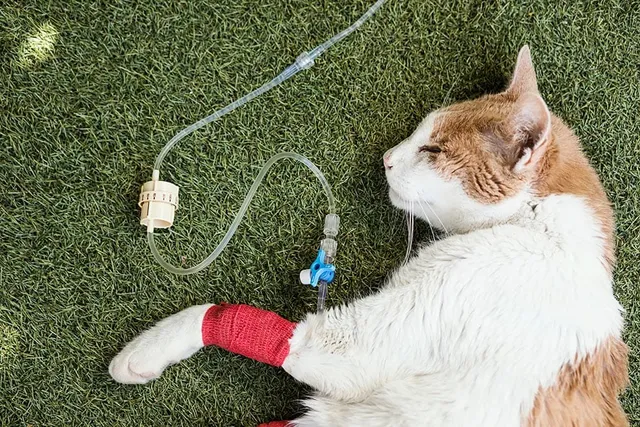
- Fluid therapy to flush toxins and hydrate the body
- Medications to help with things like protein in the urine, blood pressure, red blood cell count, and electrolyte imbalances
- Monitoring, affection, and an understanding that you’ll do the best that you can for as long as your kitty is comfortable
The management protocol is going to vary on a case-by-case basis and should always be considered flexible. What your cat needs today won’t be the same as what they need next week, so frequent check-ins with the vet are essential.

How Much Does It Cost to Treat a Cat With Kidney Disease?
There is a great deal of variation in the costs of treating a feline with kidney disease. Every cat is different and every timeline is different. What may have worked for a previous pet may not work for your current one. However, a vet is a great resource for you to tap into if you’re concerned about the long-term costs of managing a cat with kidney disease. Based on your specific pet, they may be able to give you a rough estimate of what the medications, diets, and therapies will look like and what they may cost you every month.
That said, a veterinarian isn’t a fortune teller, so they don’t know what lurks around the next corner, so be sure to give them grace on cost and timeline estimates.
If you are concerned or have questions about your cat's health, you can also speak to a vet from the comfort of your own home to help make a plan. They can determine when an in-clinic vet visit should be made.

Conclusion
Kidney disease in cats is a terrible issue that has no cure. Once a cat experiences kidney damage, it’s there forever. But in most cases, some options can help your cat live their best life for as long as possible. Make a veterinarian a partner in your cat’s kidney disease journey to help ensure that you’re giving them as high a quality of life as you can.
Featured Image Credit: megaflopp, Shutterstock

Expert cat care, straight to your inbox
Vet-reviewed advice, behavior tips, and the best of Catster. Free, and you can unsubscribe anytime.
By signing up, you agree to our Terms & Conditions and Privacy & Cookies Policy.
Dr. Chyrle Bonk DVM (Veterinarian)
On top of healing animals and writing for veterinary publications, Dr. Chyrle Bonk owns a small cattle herd! When she’s not busy with those things, she can be found somewhere in the Idaho outdoors with her husband and two kids.
Chyrle has practiced in a mixed animal clinic for over 10 years. She also writes for various veterinary websites and magazines, like Catster!
Dr. Chyrle Bonk received her Doctor of Veterinary Medicine (DVM) from Oregon State University in 2010.
Join the conversation
Ask a question, share your story, or send private feedback.