Do Cats Eat Less in Summer? Vet-Approved Seasonal Feeding Guide


In this article
Have you ever noticed that when winter comes, you start to eat more and crave heartier foods, while when summer rolls around, you move more and eat less? Believe it or not, cats may also eat less food in the summer.
Although eating less is more prominent in outdoor cats, the decrease in food intake does also occur in indoor cats, with a study indicating that most cats eat approximately 15% less food in the warmer months. There are a few reasons that cats eat less in the summer, so here’s what you should know.

Why Do Cats Eat Less in the Summer?
There are a couple of reasons that your cat may eat less in the summer. Warmer temperatures can have an inverse effect on hunger levels. During the summer, cats also don’t physiologically need as many calories as they might in the winter.
Cats have a higher baseline body temperature than humans, so they require more energy to maintain a safe body temperature. In the colder months, cats need energy to produce body heat and stay warm. However, in the warmer months, they no longer need extra energy to produce body heat since the warmer temperatures help them maintain their internal temperature.

Summertime Feeding Guide
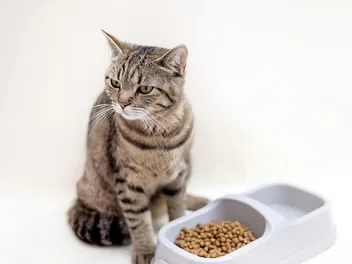
In general, you likely won’t need to make adjustments to your cat’s feeding schedule during the summer months unless they are noticeably eating less food. It’s important to keep your cat’s food fresh, so if your cat isn’t finishing what you’re giving them by the end of every day, you may need to cut back. Don’t reduce your cat’s daily intake by more than 10–15% per day without veterinary guidance.
It can be difficult to encourage cats to eat enough during the summer. The lower calorie intake may lead to unintentional weight loss. If your cat is overweight, you should talk to your vet about a weight loss plan instead of relying on the warmer weather to help out. If your cat is at a healthy weight, then it’s important that you keep them eating during the summer.
A great tool for understand how many calories per day your cat needs is a calorie calculator like the one below.
Cat Calorie Calculator
Recommended Daily Calories

Our recommended product
Smalls Fresh Bird Human-Grade Cat Food
The exact amount of calories an individual animal needs to maintain a healthy weight is variable and influenced by many factors including genetics, age, breed, and activity level. This tool is meant to be used only as a guideline for healthy individuals and does not substitute veterinary advice

The 4 Tips for Encouraging Your Cat to Eat During the Summer
Here are some ways to encourage your cat to eat during the summer.
1. Keep Food Fresh
If your cat eats kibble, you should give them fresh kibble at least once daily. Keep their food stored in an air-tight container to prevent it from going stale. If your cat eats wet food, then it’s important that you don’t leave it out for more than a couple of hours. Wet food will grow bacteria much faster than dry food at room temperature. If you have leftover wet food, store it in the refrigerator in an air-tight container for around 2–5 days, depending on the food’s freshness.

2. Keep Food Out of the Sun
If your cat’s food is located in direct sunlight, they may be less inclined to eat. The warm spot may cause your cat’s natural desire to eat less in warm weather to kick in. Keeping their food in a shady spot that’s away from cool air vents is likely to keep your cat comfortable and encourage them to eat.
3. Offer Room Temperature Food
Although we often pull wet food straight out of the refrigerator and offer it to our cats, many cats prefer food at room temperature. This may require you to open a new can of food every time you feed them. Alternatively, you can leave the food out for an hour or two for your cat to eat before taking it away.
Cat food can be microwaved to warm it up, but it should be put in a microwave-safe container. It’s easy to heat it up too much, so always check the internal and external temperature of the food before feeding it to your cat.
4. Maintain a Comfortable Temperature
If your house is too warm or too cool, your cat may be less inclined to eat. A cold cat may prefer to find a warm spot to cuddle, while a warm cat may simply want to eat less. By maintaining a comfortable internal temperature that’s free of major temperature swings, you’ll support your cat’s appetite.


In Conclusion
Cats often naturally eat less during the summertime, so you may need to make adjustments to the amount of food you offer to them during the warmer months. If food is being left in the bowl, then you may need to reduce the amount that you’re feeding to your cat. For cats that don’t need to lose weight, you may need to take steps to maintain their appetite and encourage them to eat.
Featured Image Credit: Svetlana Rey, Shutterstock

Expert cat care, straight to your inbox
Vet-reviewed advice, behavior tips, and the best of Catster. Free, and you can unsubscribe anytime.
By signing up, you agree to our Terms & Conditions and Privacy & Cookies Policy.
Brooke Billingsley, a former veterinary assistant for nine years, became a nurse in 2013. She lives in Arkansas with her boyfriend of five years, surrounded by her beloved pets: three dogs, two cats, five fish, and two snails. Brooke has a soft spot for special needs animals, caring for a three-legged senior dog and a widely known cat with acromegaly and cerebellar hypoplasia. She has developed a keen interest in fish keeping and is always learning how to provide the best environment for her aquatic pets. In addition to her passion for animals, Brooke enjoys gardening and maintains a vegetable garden during the summer. She stays active with yoga and received her 200-hour yoga teacher certification in 2020. Brooke also hosts a podcast that delves into folklore and myth, dedicating her spare time to research and writing. She embraces the philosophy that every day is an opportunity for learning and growth, continually working to acquire new skills and knowledge.
Join the conversation
Ask a question, share your story, or send private feedback.