Kitten Teething: Vet Reviewed Signs, Timeline & FAQs


In this article
A kitten’s first few months are full of milestones. They go from tiny balls of fur with closed eyes to playful kittens who are weaned and ready for their new homes. One step all kittens go through is teething. Below, you'll learn more about the teething process, including what to expect, your kitten’s signs, and how to care for a teething kitten.

What Is Kitten Teething?
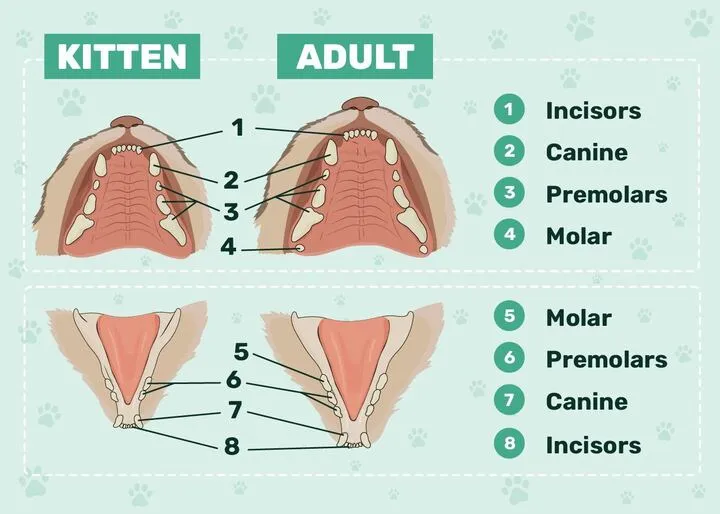
“Teething” is the same for cats as it is for humans: the development and eruption of new teeth. Kittens will teeth twice before their first birthday. A kitten’s baby teeth are a major developmental milestone. This first set of teeth, also called “milk teeth,” come in between 3 weeks and 8 weeks of age.
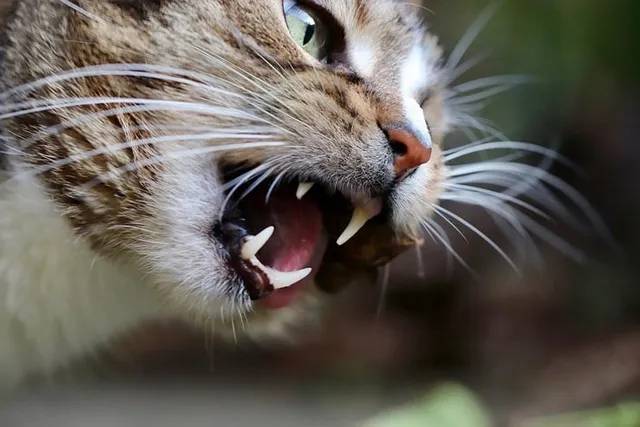
These teeth allow kittens to wean and transition to kitten food. The first teeth to appear are the incisors in the front of the mouth, followed by canines and pre-molars. Kittens normally have 26 baby teeth.
Kittens do not have their baby teeth for very long. They will start losing this first set of teeth around 3 ½ to 6 months old when their adult teeth come in. A kitten’s baby teeth are tiny, and you may never see the lost teeth. Most kittens swallow their baby teeth during mealtimes.
Some kittens will not lose their baby teeth despite adult teeth erupting, which is a condition called retained deciduous teeth. A vet can remove retained baby teeth so that the adult teeth can come in normally. Once the teething process is complete, a cat has 30 adult teeth.
What Are the Signs of Kitten Teething?
Some teething kittens paw at their mouths. You may notice they eat less than usual due to discomfort, but red gums and slight bleeding are normal. You can serve wet or softened food if your kitten has a decreased appetite while teething.
It is also common for teething kittens to chew and bite more. This is the perfect time to develop good habits and deter unwanted behaviors. Offer them toys they can chew on. Don’t let your kitten play bite you or chew on things like furniture. This behavior won’t be cute when they’re adults, and you’ll be glad you set boundaries now.
What Are the Causes of Kitten Teething?
Teething is the process of teeth erupting past the gumline. A kitten’s first set of baby teeth allows them to wean from their mother or a bottle and start eating kitten food. And then, just like humans, kittens lose this first set of teeth as their larger adult teeth come in.

How Do I Care for a Kitten That Is Teething?
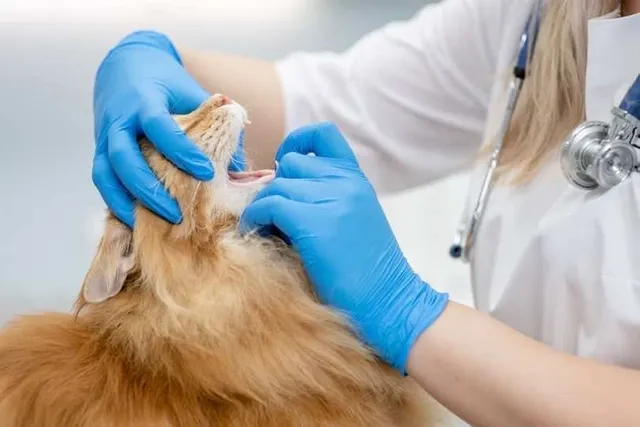
Teething is a normal process for kittens. Most will not need any special care or attention from you. A vet will check your kitten’s teeth during their routine wellness exams.
You can moisten your kitten’s food or offer wet food if they have discomfort during teething. A loss of appetite can signify something other than normal teething. Contact a vet if your kitten stops eating or loses weight.
The desire to chew or bite while teething is normal, and you can give your cat chewing toys to satisfy the urge. Now is the time to clarify that biting you, even play biting, is unacceptable.
Frequently Asked Questions (FAQs)
Below, we'll answer some of the most commonly asked questions people have about their kitten’s teeth.
Is It Normal for Adult Cats to Lose Teeth?
No, the loss of adult teeth in cats is not normal and warrants a call to the vet. A cat will have all their adult teeth around 5 to 6 months of age. A vet can confirm whether your cat is done teething or is still losing baby teeth.

How Long Does Kitten Teething Last?
The process of teething varies for each kitten. It typically takes around a month for a kitten’s baby teeth to erupt. Most kittens have their first set of teeth by the time they are 2 months old.
Kittens will then lose their baby teeth as their adult teeth emerge. Most older kittens have all their adult teeth by the time they are 6 months old. Talk to a vet if you have any concerns about the teething process.
Should I Brush My Kitten’s Teeth?
Yes! The best time to get a kitten used to teeth brushing is when their first baby teeth surface. You can start by covering one of your fingers with gauze and gently wiping down the teeth. You can also use a cotton swab. As your kitten gets older and bigger, you can switch to a cat finger toothbrush or a small pet toothbrush.

You don’t have to brush your kitten’s teeth perfectly when you start. The idea is to get them used to opening their mouth and tolerating brushing. While it’s ideal to brush your cat’s teeth every day, that’s not practical for many people. Aim for a few times a week.
Never use toothpaste or mouthwash meant for humans on your cat. Fluoride can be toxic for cats. Many pet-safe toothpastes come in flavors that appeal to cats, like poultry.
Conclusion
Kittens teeth twice, just like humans. Most kittens have a complete set of baby teeth by the time they are 2 months old. This first set of teeth falls out tooth by tooth until they have all of their adult teeth. A kitten’s adult teeth should emerge by the time they are 6 months old.
However, some kittens retain their baby teeth longer than normal. A vet will examine your kitten’s mouth during their wellness exams, and baby teeth that don’t come out on their own may need to be pulled to make room for adult teeth. The average kitten won’t require special care during teething. You can soften their dry kibble or offer wet food if eating causes pain.
Sources
Featured Image Credit: Garmasheva Natalia, Shutterstock
Expert cat care, straight to your inbox
News, insights, and useful advice, delivered to you.

No spam — unsubscribe anytime.
By signing up, you agree to our Terms & Conditions and Privacy & Cookies Policy.
How useful was this post?
Click a star to rate. You can leave written feedback afterwards. (We read all feedback.)
Cassandra is a professional writer living in the Upper Midwest of the U.S. Much of her writing centers around animals and family life, but she's been known to dabble in fiction. Her favorite topics to write about are cats, dogs, parenting, and food. Cassandra shares her home with two rescue pets: Harley, a beagle, and Liam, a Siamese mix.