My Cat Lost a Tooth, Should I Be Worried? Vet-Reviewed Facts & Advice

In this article
Losing our baby teeth was a part of growing up. However, when people lose their teeth in adulthood, it is a sign for concern. But is it the same for animals? What about cats? If my cat loses a tooth, should I be worried?
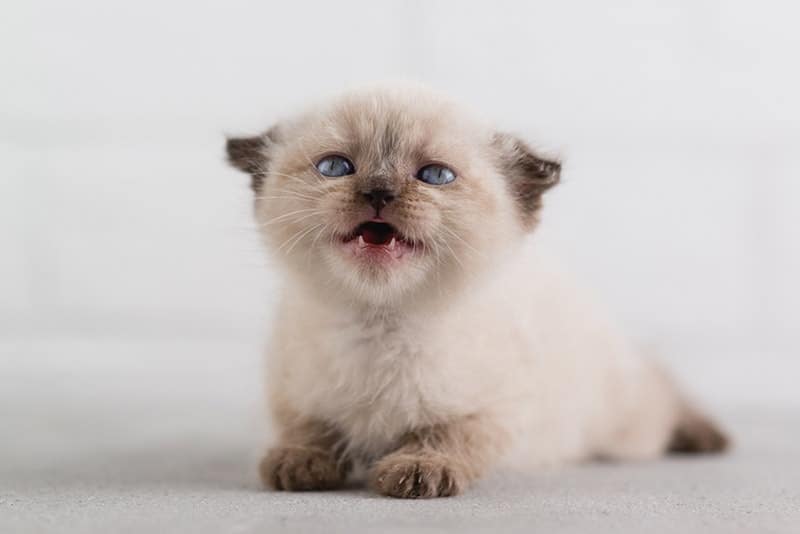
It all depends on the age of your cat. If they are a kitten, losing teeth is normal. Like our teeth, the baby teeth fall out to make room for the adult teeth.
However, if you notice that your adult cat lost a tooth, this is something you should not ignore. An adult cat losing a tooth isn’t normal and is a sign of advanced and painful dental problems.
In this article, we explore various implications of a cat losing teeth and ways to handle the situation. Keep reading to learn more.

Signs of Tooth Loss in a Cat
Cats are excellent at hiding any pain they may have. So, it is good to know some of the signs that indicate your cat may have lost a tooth or is suffering from a dental issue. Here are some of these signs you need to observe.
- Excessive drooling
- Halitosis (bad breath)
- Weight loss and loss of appetite
- Preference for wet food over dry
- Awkward chewing
- Dropping food from the mouth
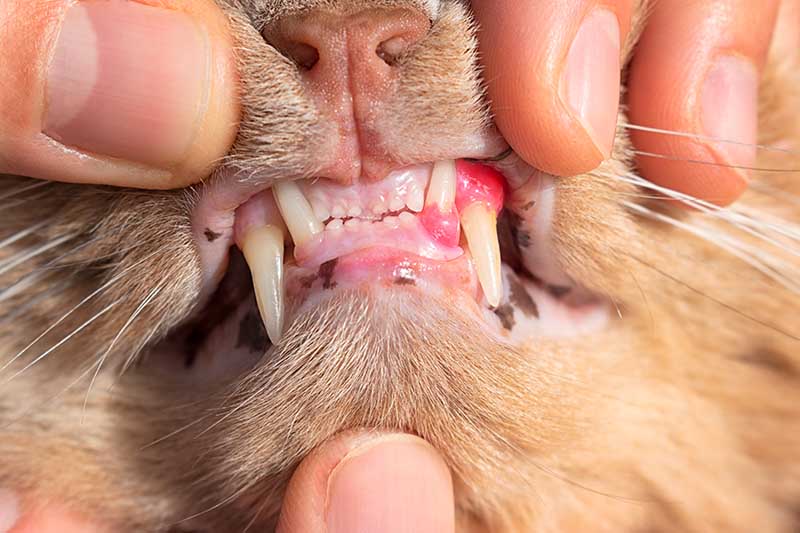
- Excess tartar or plaque on the teeth
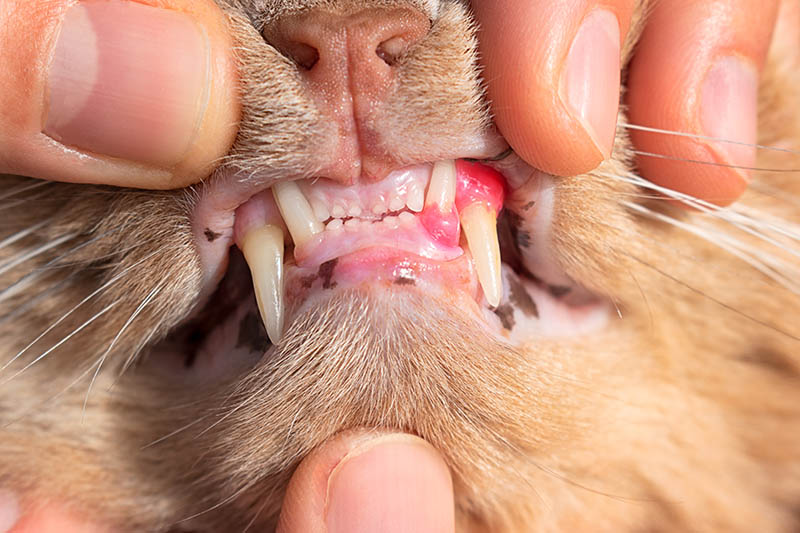
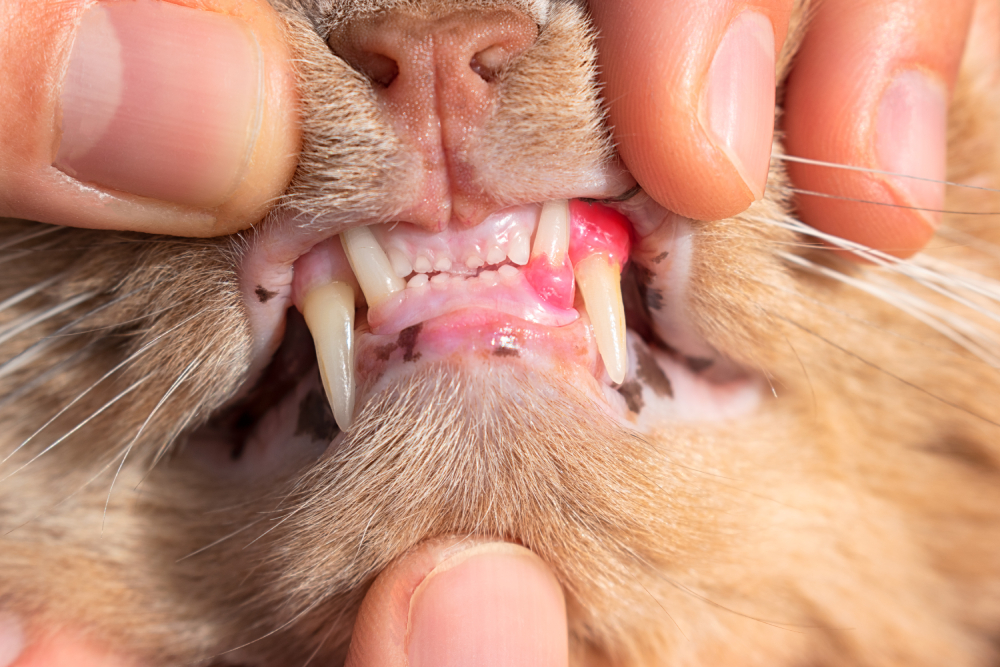
- Inflamed, bleeding, or red gums
- Receding gum line
- Teeth discoloration
- Cracks on the teeth
- Pus in the mouth along with the teeth or gums
- Excess pawing at their mouth
- Behavioral changes including aggression, avoidance, and hiding
You need to be worried when you find that your cat has lost a tooth, since serious and painful health concerns may be causing the issue.


Why Did My Cat Lose a Tooth?
1. Physical Injuries
At times, the tooth may get knocked out or broken due to physical injury. The injury may occur when cats are fighting or even playing. A tooth may break when your cat is chewing items that might be too hard for them. Falls and road traffic accidents can also cause mouth and teeth injuries. A vet can remove the tooth if there is an indication for it, such as pulp exposure, pain, tooth fracture, instability, or root disease, or perform surgical repair on the gum if that’s the site of damage and the tooth is otherwise healthy and stable, depending on the situation.
We recommend consulting a veterinarian if you have any questions or concerns about your pet's health and wellness.
2. Cat Tooth Resorption
Feline odontoclastic resorptive lesion, or FORL, is also a major cause of cat dental disease, including teeth loss. A cat affected by the condition has lesions on the teeth that look like holes or cavities in your cat's tooth along the neckline. It can cause your cat a lot of pain and require professional vet treatment immediately.
Tooth loss may result if you fail to attend to the condition immediately and it progresses. Once your cat is affected by FORL, chances are high that they will develop this condition on their other teeth. So, you need to perform regular oral and dental checkups at a vet’s office and observe good dental hygiene for your pet.
3. Periodontal Disease
Your cat's loss of tooth or teeth can also be caused by periodontal disease that progressed from gingivitis. Gingivitis is the inflammation of the gum due to plaque build up. The disease is influenced by many factors, including poor dental hygiene. If your cat is affected by this disease, it involves the inflammation of tissues surrounding the teeth and may cause following issues, such as bone changes and loss, abscess formation, and more.
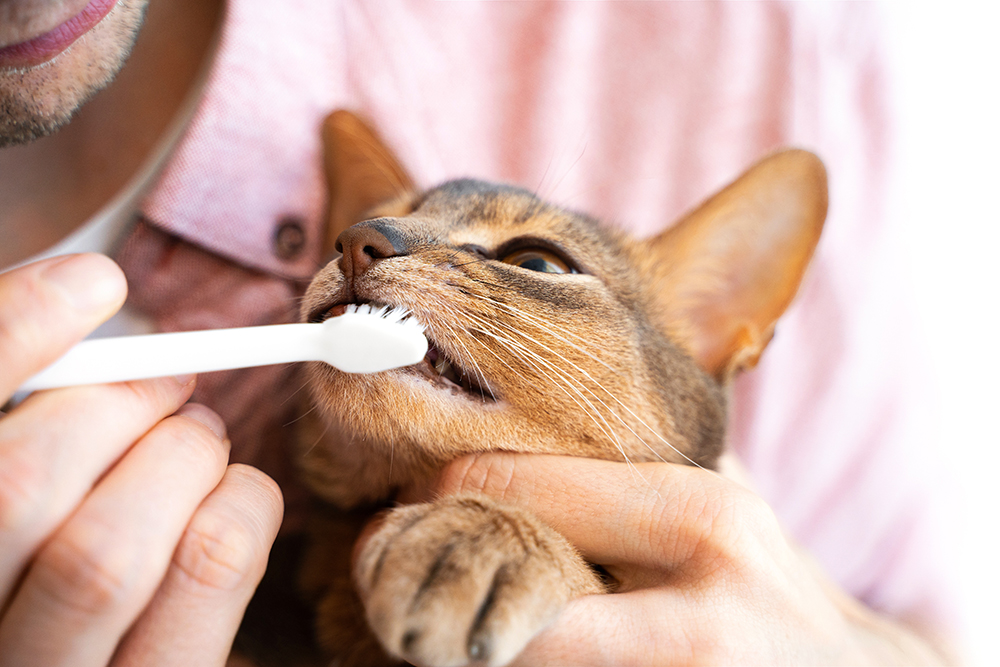
The best way to ensure that your cat doesn't get affected by periodontal disease is by brushing your cat's teeth and having them checked regularly by a vet. Keeping your cat's teeth clean, vaccines up to date, and overall health good is the perfect way to prevent gum and tooth diseases or to be able to pick up any signs of dental disease early on.

4. Old Age
When a cat is ten to eleven years or older, they are considered senior cats. At this stage, the aging process may take a toll on your cat, and you may start seeing old age-related issues such as weakened oral health, including tooth loss.
5. Diet
The diet you feed your cat can affect their dental and oral health, and on the other hand, there are diets specifically formulated to help with dental health. Thus, you should feed your cat food that is complete and balanced and that contains nutrients to maintain strong teeth, encourage chewing, and reduce plaque build up. If you note that your cat is losing teeth or has any signs of dental disease, speak to a vet immediately. They will recommend appropriate treatment and prevention, while discussing various kibble types and sizes, and other products approved by the Veterinary Oral Health Council that your cat may benefit from.

How Does a Toothless Cat Cope?
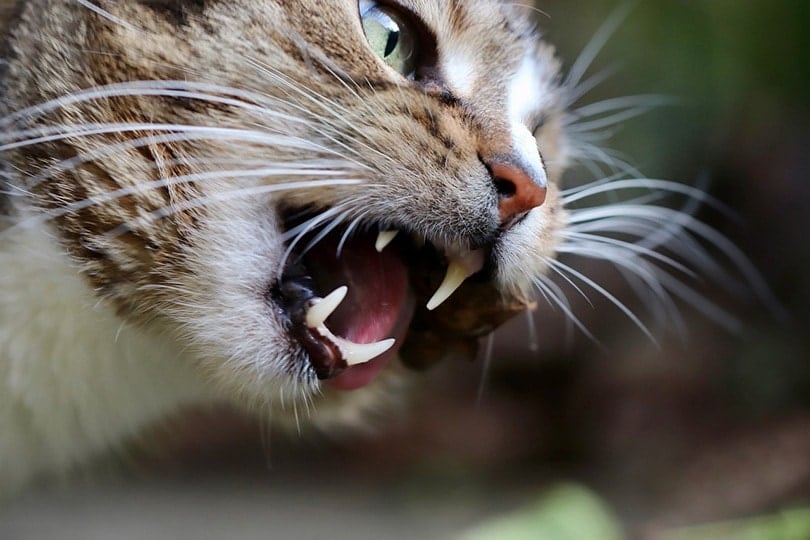
Your cat's front teeth are pointed and are mainly used for shearing and grabbing instead of grinding or chewing. The tongue is fully covered with papilla that helps propel food to the back of their oral cavity before swallowing.
When cats suffer from dental disease, they will try not to use the affected tooth or teeth as much, as it causes them pain. If your cat has lost a tooth due to various causes or underlying health issues listed above, the pain and inflammation at the time may cause your cat to eat less or choose wet food over dry, to chew awkwardly, drool, or drop food from their mouth. However, after the condition has been treated by a vet, most cats go back to normal eating routines after they have fully recovered.
Even with a lost tooth or teeth, the cat usually moves the food into the oral cavity without chewing it. For this reason, most cats will not have any significant issues eating their food, even if they are missing many of their teeth. If your cat does not have a lot of teeth left, or is due to have them removed for health reasons, speak to a vet about food options during their recovery. The pain associated with dental disease is a much larger cause for putting cats off their food than lack of teeth afterward, when the source of pain and inflammation has been removed.
Foods to Give a Cat with a Lost Tooth or Teeth
You can offer your cat soft food if they can’t chew or they have a painful mouth. However, you might find your cat trying to continue eating kibble despite having no teeth. In this case, your cat uses the tongue to move the food to the back of the throat for swallowing, not really needing to use their teeth.
You can mix kibble with canned food for a chunkier consistency that makes it perfect for your cat to swallow. Note that the texture and shape preferences vary from one cat to the other. So, you need to consider what your cat prefers in the process.
Immediately after your cat loses the tooth or teeth, usually after undergoing a dental procedure at the vet, they might be less fond of their food. You can offer them some treats such as white fish or tuna to make them interested in eating again. Another good option is to mix your cat’s dry food with gravy or water to soften it, or to offer gravy-rich food they can just lick off. If it is still a problem, you can also mix wet food with dry food or give them wet cat food.
Consider getting special food that focuses on dental care. Usually, these foods require a prescription, so speak to a vet about whether this food could help your cat.

How to Prevent Your Cat Losing Teeth
1. Keep the Teeth Clean
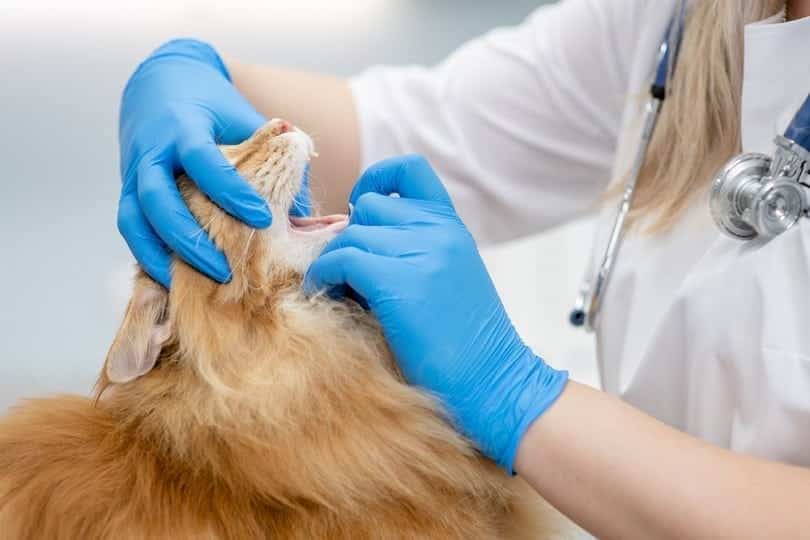
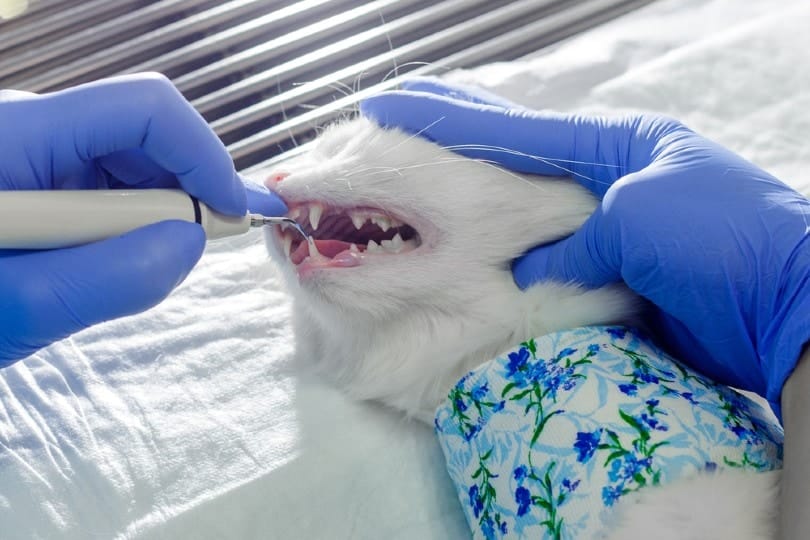
Cats develop plaque on their teeth, leading to tartar formation and periodontal disease. Bacteria accumulation on your cat's teeth can enter the bloodstream in severe cases leading to other organ diseases. You need to schedule regular health checks where a vet can assess your cat’s teeth and clean them if required on top of your regular daily cleaning routine. If you are unsure about how to clean your cat’s teeth, ask a veterinarian for advice.
2. Regular Vet Visits
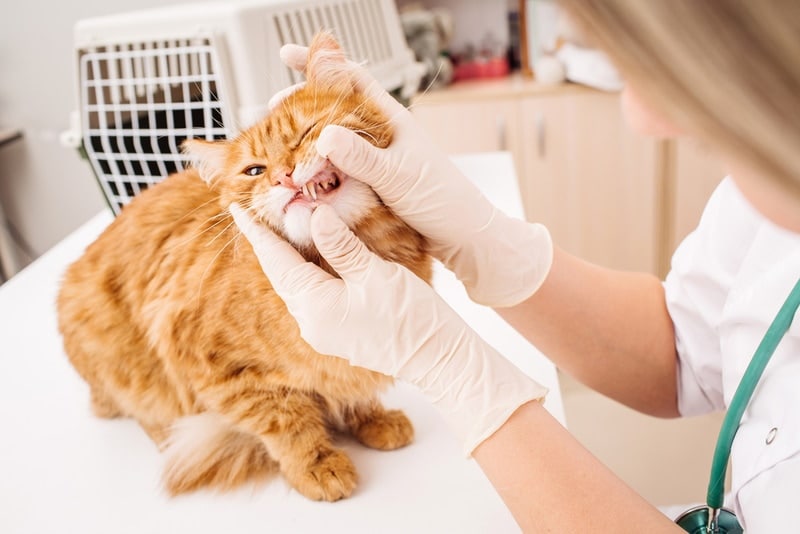
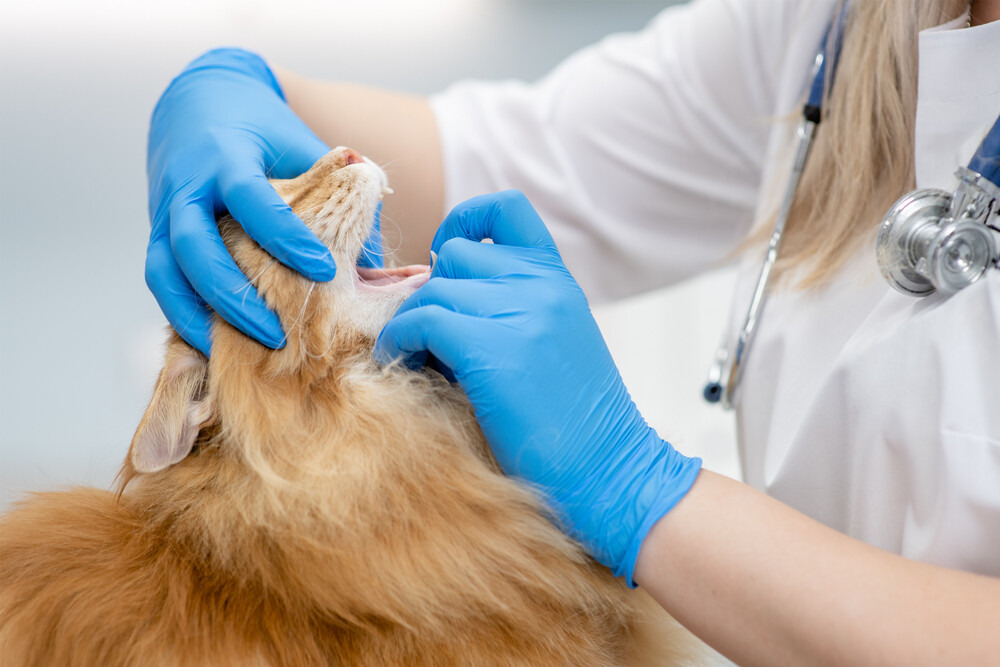
You should also schedule regular vet visits for your cat. This helps identify any health issue with your pet in the early stages before escalating to major issues. The vet will check your cat’s weight, their mouth and teeth, listen to their chest, feel their abdomen and observe for any changes, as well as administer the necessary vaccines and internal and external parasite treatments.
Conclusion
From the article, it is evident that if your adult cat loses a tooth, you need to be worried because this can indicate significant underlying health problems. Tooth loss caused by different reasons is painful and can lead to serious consequences for your cat.
Cats losing teeth will inevitably cause eating problems, and you don't want to see your cat in such a situation. Having them checked regularly by a veterinarian can make a big difference in catching dental disease on time and acting before it progresses to an irreversible situation.
See also:
Sources
Featured Image Credit: Nils Jacobi, Shutterstock

Expert cat care, straight to your inbox
Vet-reviewed advice, behavior tips, and the best of Catster. Free, and you can unsubscribe anytime.
By signing up, you agree to our Terms & Conditions and Privacy & Cookies Policy.
Christian started writing for a local newspaper as a teenager, and he's been involved in the publishing industry for most of his adult life. Combining his love of writing with a passion for animals, he is currently the Director of Editorial at Pangolia and the Editor-in-Chief at Catster.
Christian lives in the Philippines with his wife, son, and four rescue cats: Trixie, Chloe, Sparky, and Chopper.
Join the conversation
Ask a question, share your story, or send private feedback.