Get

In Your Inbox

Catster is reader-supported. When you buy via links on our site, we may earn an affiliate commission at no cost to you. Learn more.

Can Cats Die from Tooth Resorption? Vet Reviewed Facts & FAQ

Share

cat teeth resorption

Naturally, one of the first questions that come to mind when our pets are diagnosed with a health condition is “can my pet die from (insert condition)?” In the case of tooth resorption1, a common dental disease in cats, the good news is that over the course of our research, we found no evidence to suggest that this condition in itself can kill cats. Tooth resorption is a treatable condition.

The bad news is that left untreated, tooth resorption can become incredibly painful for cats and can cause other oral issues and behavioral issues. In this guide, we’ll explain the basics of what tooth resorption is, how it affects cats, and how the condition is treated.

divider 2 cats

What Is Tooth Resorption?

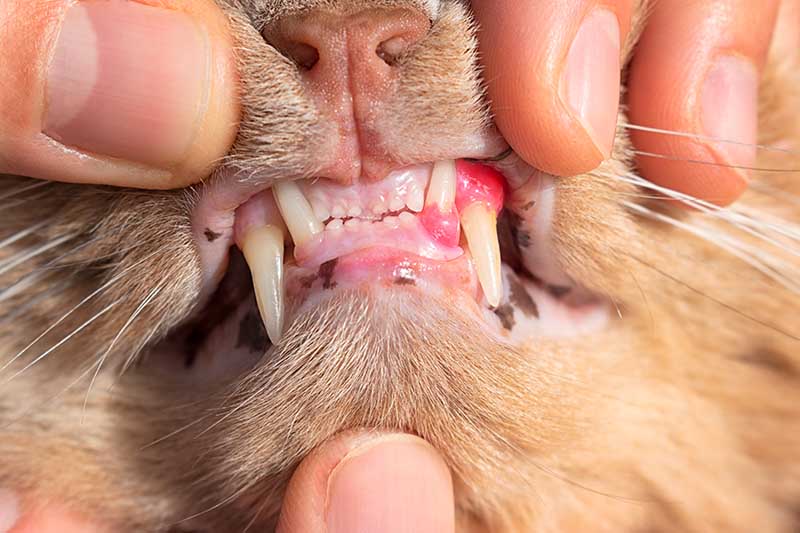
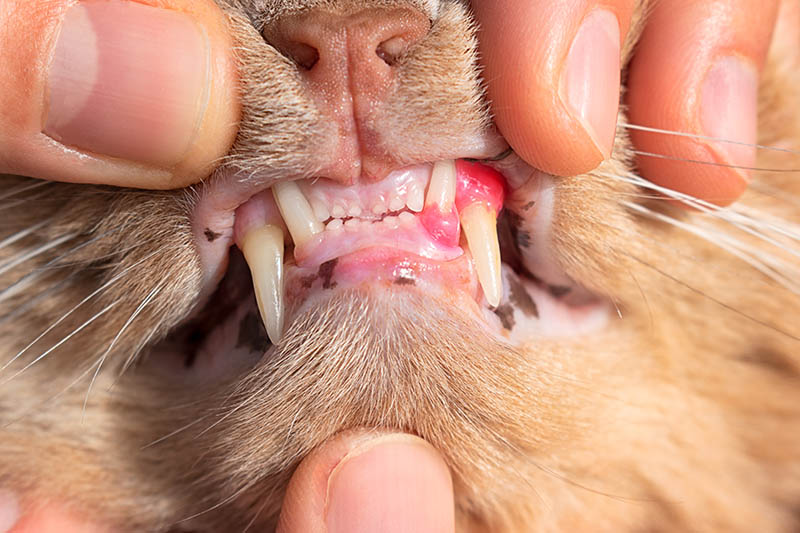
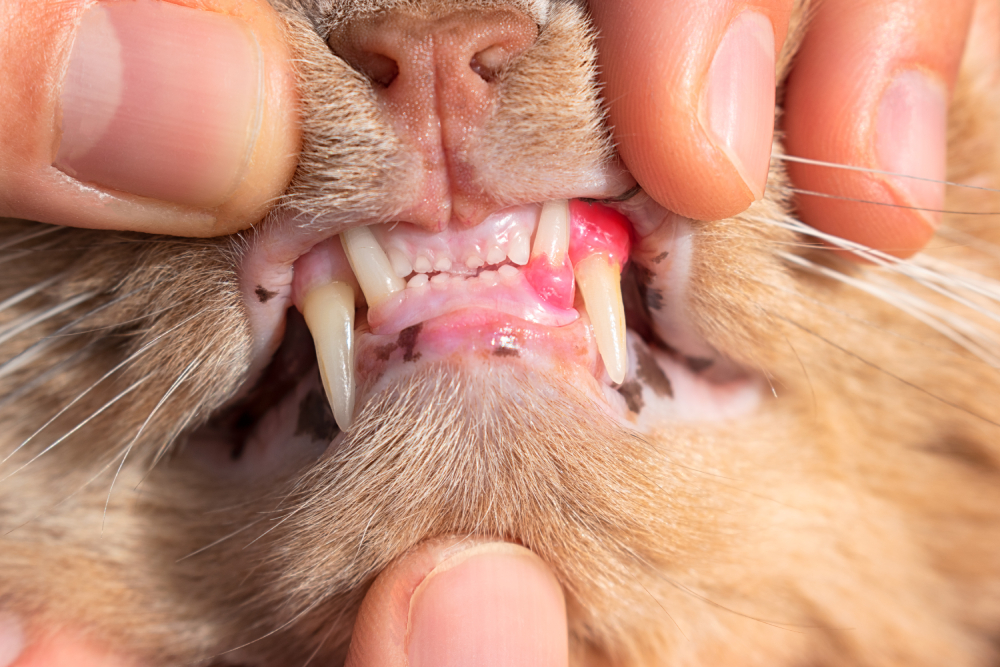
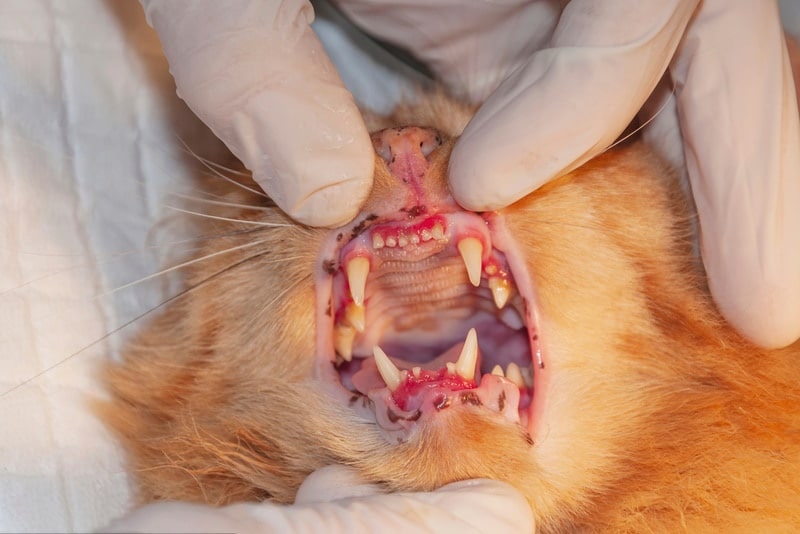
Tooth resorption is a complex dental disease that is still being researched. It occurs when the tissue, called cementum, which covers the roots, starts to be eroded by tooth digesting cells called odontoclasts. With time, the dental structures are destroyed by this process. The affected tooth will almost completely disappear, leaving behind only a raised bump where it used to be. In some cases, the affected tooth develops a hole—these resemble cavities but they’re not the same thing.

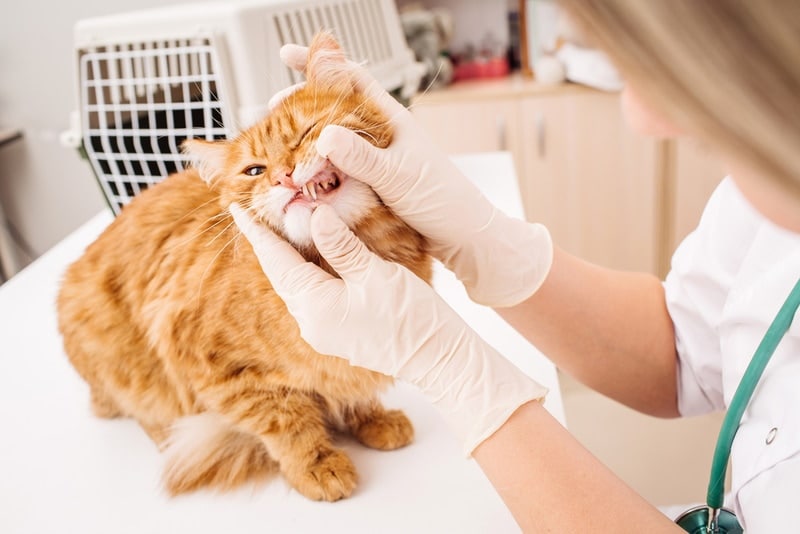
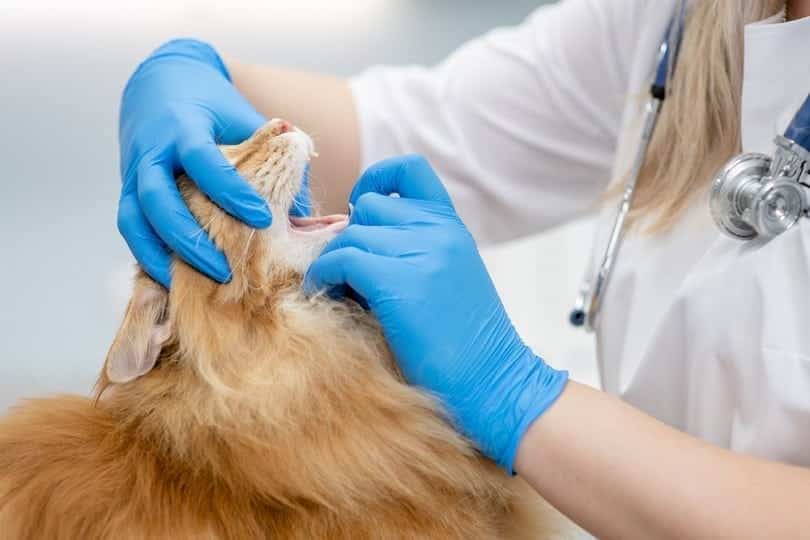
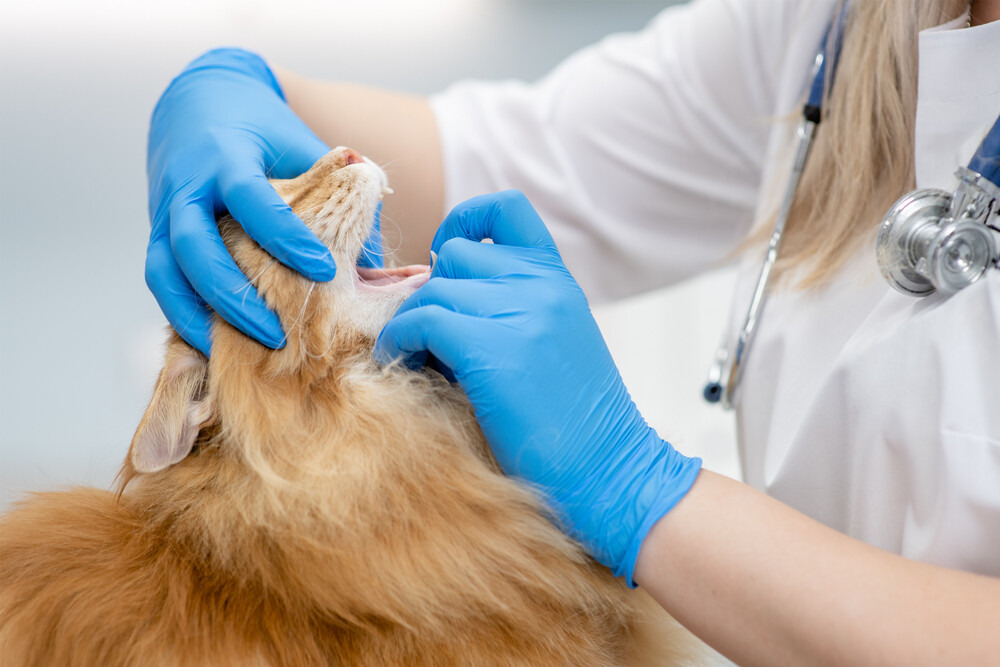
Veterinarian checks teeth to a big maine coon cat at vet clinic
Image By: Ermolaev Alexander, Shutterstock

There are five stages of tooth resorption.

  • Stage 1-Mild dental hard tissue loss
  • Stage 2-Moderated dental hard tissue loss
  • Stage 3-Deep dental hard tissue loss
  • Stage 4-Extensive dental hard tissue loss and tooth has lost its integrity
  • Stage 5-Only remnants of the hard tissue are seen; gum has covered the surface

The exact cause of tooth resorption is not known and is still under investigation. What researchers have learned is that tooth resorption is more common in older cats.

divider 2 cats

Symptoms of Tooth Resorption

Symptoms of tooth resorption include:

  • Jaw champing
  • Jaw trembling
  • Difficulty eating (dropping food, etc.)
  • Lack of appetite
  • Weight loss
  • Being less playful than usual
  • Irritability
  • Lethargy
  • Bleeding gums
  • Drooling
  • A dark pink stain on the tooth

divider 2 cats

How Is Tooth Resorption Treated?

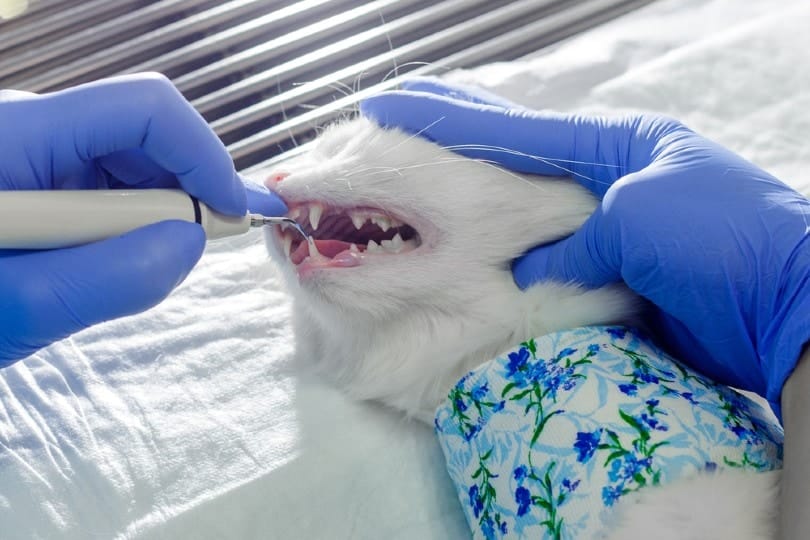
Tooth resorption treatment depends on which of the 5 categories it falls into. This will be determined by a veterinarian and will require examination under anesthesia. The affected teeth and roots usually require removal. You may be referred to a specialist veterinary dentist if several teeth are affected.

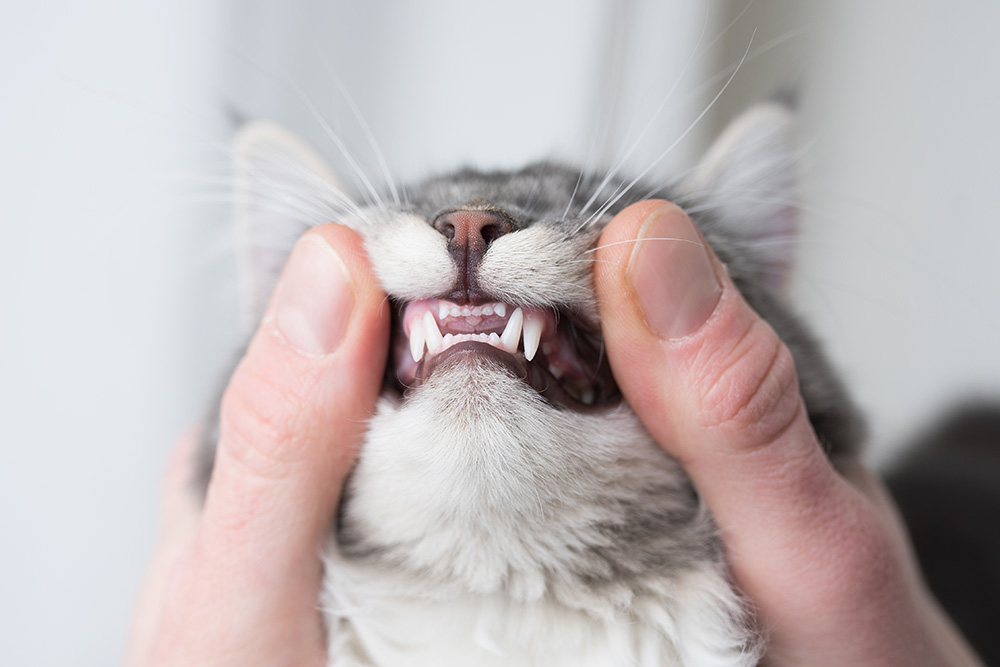
administering a disinfectant toothpaste on cats teeth
Image Credit: Yaya Photos, Shutterstock

divider 2 cats

How Long Until My Cat Recovers from Tooth Extraction?

Once the vet has performed the surgery, your cat can begin the process of healing and having a much better quality of life. After tooth extraction, cats typically recover within a week, but this process may be longer if your cat has had multiple teeth removed.

The vet may prescribe antibiotics and/or pain medication and a soft food diet to make your cat more comfortable while they get better. The vet may also want to schedule a checkup at some point over the next few weeks to make sure everything is going well. Keep an eye on your cat at home and if they seem unwell or in pain even though you’re giving them the prescribed pain medication, contact a vet.

If you need to speak with a vet but can't get to one, head over to PangoVet. It's an online service where you can talk to a vet online and get the advice you need for your pet — all at an affordable price!

PangoVet_Mention-in-Content for PangoVet2 save money

divider 2 cats

Can Tooth Resorption Be Prevented?

No, this is not a disease that can be prevented. You may, however, be able to slow down the potential development of dental diseases with daily tooth brushing. It’s also important to make sure your cat gets a wellness exam at least once per year so a vet can spot any developing problems quickly.

divider 2 cats

Conclusion

So, tooth resorption doesn’t kill cats, but it is nevertheless a very painful condition and treatment should be sought as soon as possible. Treatment involves surgically removing the affected tooth/teeth and, once this has been carried out, your cat will start to feel better. If you are concerned about your cat’s dental health in any way, please contact a vet to find out what your next move should be.


Featured Image Credit: Yaya Photos, Shutterstock

Want content like this delivered to you?

Sign Up For Our Newsletter

News, insights, expert advice, and everything cat

* By submitting, you agree to our Terms & Conditions and Privacy & Cookies Policy.


How useful was this post?

Click on a star to rate (you can leave written feedback after clicking submit)

Help us improve Catster for pet parents!

Your feedback really matters.

What did you like about this post? Also how can we improve it?

Join the conversation

Leave a Reply

You’re very welcome to leave a comment or question. Please know that all comments must meet our community guidelines, and your email address will NOT be published. Let’s have a positive and constructive conversation.


Catster's Digital Magazine is Back!

Vet-approved health & behavior advice

Real cat stories & community features

Chatting About the Rainbow Bridge, Euthanasia, and Laughter During Grief | Chatty Cattys, Episode 24

If you’ve ever felt the loss of a beloved cat, or are dreading the day when your pet crosses the rainbow bridge, you’ll...

The Simple Reasons Cats Refuse to Let Anyone Use the Bathroom Alone

Cats have an extraordinary talent for making themselves present in the most inconvenient places, and the bathroom ranks near the top of the...

A Paw-sitive Milestone: Canada Officially Becomes a Declaw-Free Nation

Canada has officially become a declaw-free nation. On May 25, 2026, a new regulation was filed in Ontario under the Provincial Animal Welfare...

The Surprisingly Simple Ways to Help a Cat With Hairballs

Cats spend an astonishing amount of time grooming. It is part hygiene routine, part comfort ritual, and part instinct that traces back generations....

More related

Sphynx Cat Breed: Info, Pictures, Temperament & More

It’s hard not to instantly recognize the Sphynx cat, with their sleek bare bodies and their mesmerizing eyes. These kitties are cute, cuddly,...

10 Best Probiotics for Cats in 2026 – Reviews & Top Picks

There are few things more terrible than a cat suffering from an unchecked gut. If you don’t believe us, ask any cat owner...

5 Health Benefits of Grain-Free Cat Food: Vet-Approved Facts

These days, you can find all kinds of diets and meals for cats. While not all cats need to eat a grain-free diet,...

Can Cats Be Allergic to Litter? Vet-Approved Facts & Safety Guide

Humans aren’t the only ones unlucky enough to be affected by allergies. Cats can also be allergic to various items, like pollen, food,...

Keep reading

Why Do I Need to Clean My Cat’s Litter Box? 10 Vet Reviewed Reasons & Cleaning Tips

As a cat owner, you know that cleaning the litter box is definitely the least pleasant chore associated with caring for your feline friend. However, keeping your cat’s litter box clean is also one of the most important things you...

cat-pooping-outside-the-litter-box

Do I Need to Expose My Cat to Sunlight for Them To Stay Healthy?

You’ve probably read more than a few stories about the importance of getting enough vitamin D, “the sunshine” vitamin. It plays a critical role in muscle and bone development, nervous system functions, and immune health for humans. But do domestic...

American Polydactyl cat walking outside

Can Cats Drink Distilled Water? Vet-Reviewed Facts & FAQs

If you’re unsure about the quality of your tap water, you may be concerned about drinking it yourself or offering it to your cat. Distilled water is an alternative to tap water, but can cats drink distilled water, and is...

Can Cats Drink Distilled Water

Are Heated Cat Beds Safe? Can They Be On All the Time?

Heated cat beds are becoming increasingly popular, but are they safe for cats? The short answer is yes; heated beds are safe, and there is a wide range of options available on the market. But before you run out and...

sphynx cat on heating pad

Is Patchouli Safe for Cats? Vet-Reviewed Health Facts

Humans have used essential oils for eons—as long ago as 4500 B.C. in Ancient Egypt, where they were used in ointments and cosmetics. Today, essential oils are used as part of aromatherapy and to help with minor health conditions. But...

Patchouli Flowers

Signs a Cat is Dying: 11 Vet-Verified Changes to Look For

It’s the moment that no cat owner wants to contemplate, but as our feline friends get older or maybe develop an illness, their deteriorating health can begin to show signs your cat is dying. As difficult as this time can...

tired or sick cat

Can Cats Eat Chia Grass? Vet-Reviewed Nutritional Information & Facts

It is natural and instinctive behavior for cats to eat grass, and it has many benefits for your feline. Some of the claimed reasons why cats indulge in this behavior remain unknown, while others have now been proven by science....

Can Cats Eat Chia Grass

I Found a Stray Kitten, What Do I Do? Vet-Reviewed Care & Feeding Tips

Deciding what to do when you find a stray kitten requires fast thinking and a cool head, and the first order of business is determining if they’ve been abandoned or not. Young kittens are always better off being raised by...

little stray kitten beside the car wheel

Love Cats? So Do We! Join the Catster Community

Stay informed with expert pet care insights delivered straight to your inbox! Discover professional guidance on animal behavior, feeding tips, trusted product picks, and much more.


Sign up for the Catster Email Newsletter

Stay informed with expert pet care insights delivered straight to your inbox! Discover professional guidance on animal behavior, feeding tips, trusted product picks, and much more.