Get

In Your Inbox

Catster is reader-supported. When you buy via links on our site, we may earn an affiliate commission at no cost to you. Learn more.

At What Age Do Kittens Start Eating Food & Drinking Water? Vet-Reviewed Facts

Share

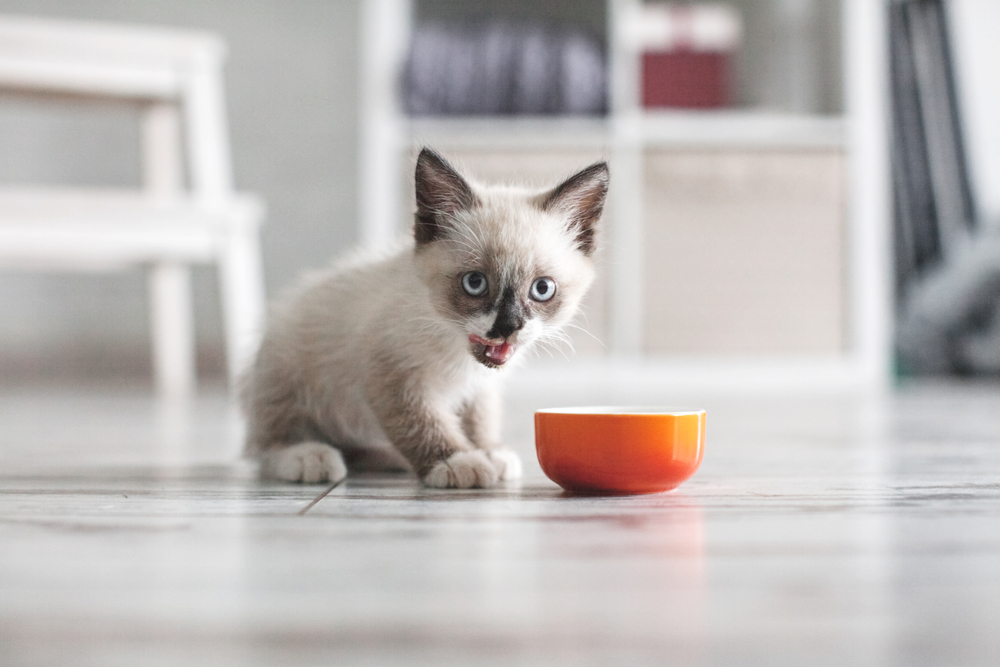
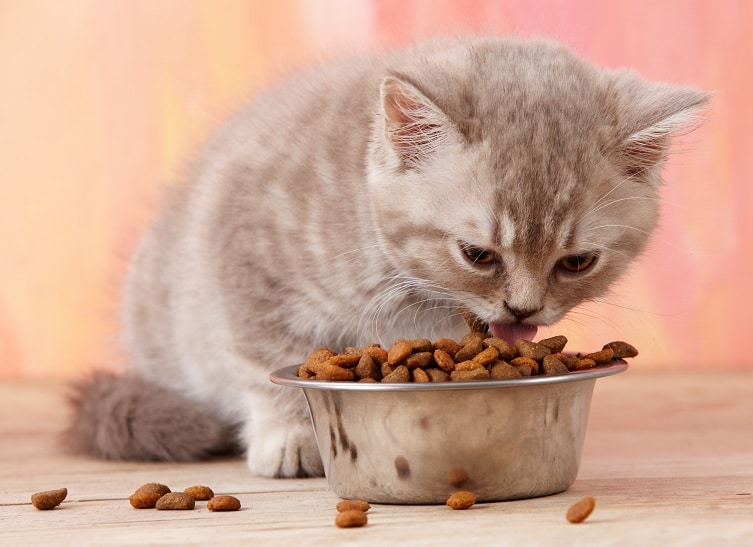
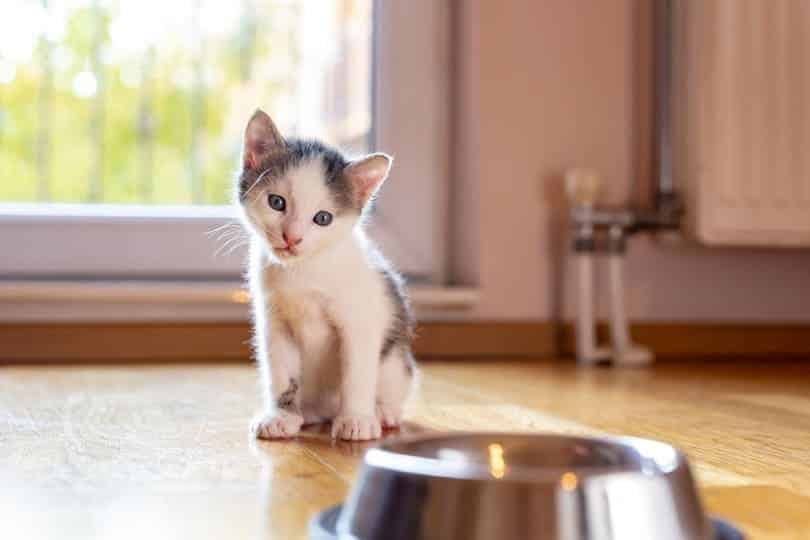
Kitten eating food from bowl

If your cat is pregnant, you are probably worried about how you will care for her newborn kittens. There are so many things to know and learn, especially when feeding newborns and growing kittens. If your biggest question is when you can start to offer your kittens food and water, you’ve come to the right place.

When your kittens become 4 weeks old, you can slowly begin the weaning process with them, which is when you will gradually introduce food and water. In this article, we will explain when exactly kittens should start eating solid foods and drinking water and why this is a critical time for them.

divider 2 cats

What Do Newborn Kittens Eat and Drink?

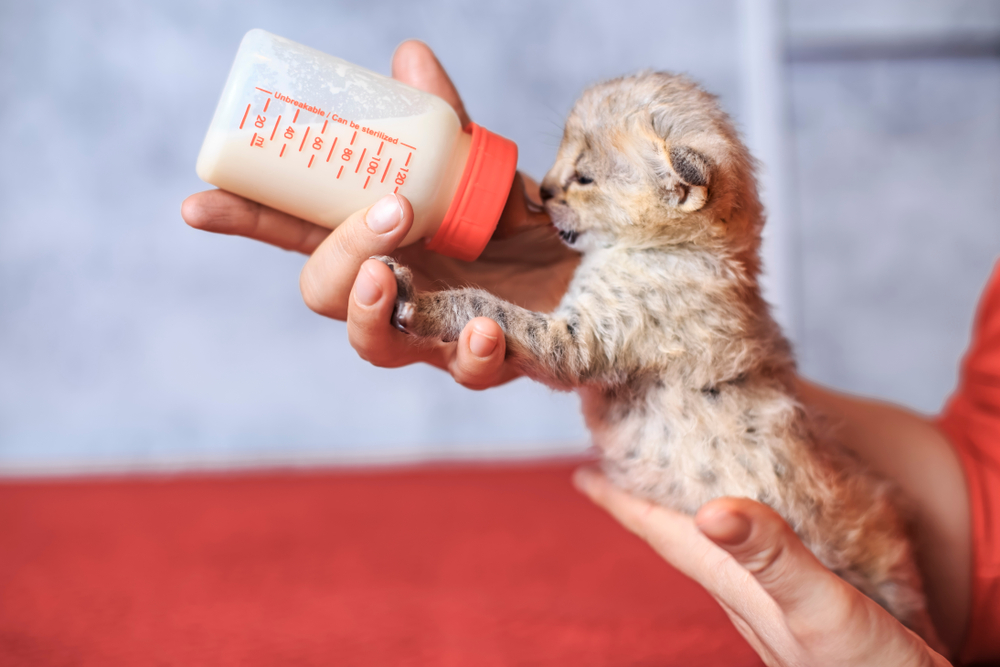
Kittens need to have access to the mother’s milk whenever possible. Drinking the mother’s milk is crucial, especially in the first 12 to 24 hours of birth. The first milk contains colostrum, which contains essential antibodies that the newborn kitten will absorb at this time. It is also imperative that each kitten in the litter gets to drink some of this milk, even if the litter is large. If your kittens don’t have access to a nursing cat for some reason, you can feed them kitten milk replacement formula.

In an emergency, you can create a temporary formula 1 to feed the newborn kittens but you must get hold of kitten formula as soon as you can.

If no mother’s milk is available, you will need to feed the kittens milk replacement formula for 3 to 4 weeks. It would be best to feed them frequently, every 2 to 3 hours during the day. Contact your local shelter or consult a veterinarian for advice.

Need veterinary advice but can't get to the clinic? Catster recommends PangoVet, our online veterinary service. Talk to a vet online and get the answers and advice you need for your cat without having to leave your living room — all at an affordable price!

PangoVet_Mention-in-Content for PangoVet2 save money

The Weaning Process

The weaning process usually begins when the kittens are 4 weeks old and a bit earlier if they are orphaned. The kittens may try eating the mother’s food, and she will push them away. If they are on the bottle, you’ll know they are ready for solid foods if they start chewing and biting on it. They may also not seem satisfied with their bottle feeds.

To begin the weaning process, mix wet kitten food with formula. This will allow the kitten to recognize the taste and get used to it. Put a little on their lips and let them lick it off, making it easier for kittens to search for the food. You can slowly introduce them to the bowl, but make sure they don’t lap too fast.

Around 4–6 weeks old is the perfect time for slowly transitioning entirely to solid foods, supplementing the food with formula if needed. When the kittens transition to solid food entirely, it is important to initially soak the dry food in water. As the kittens mature, you can slowly reduce the water in the dry food.

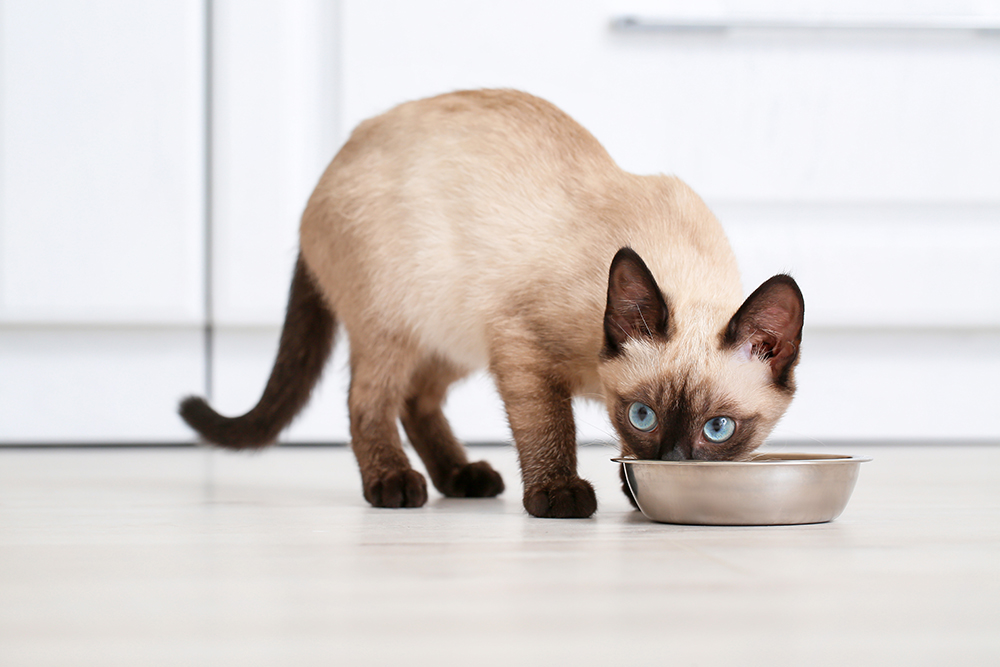
Cat and kitten together eating cat food
Image Credit: Irina Kozorog, Shutterstock

divider cat faces oct 2024

How Old Are Kittens When They Start to Drink Water?

When kittens stop nursing at around 4 weeks old, they should start eating solid food and drinking water. Kittens must start drinking water once eating solid foods because when weaned, they need more hydration. Kittens usually begin exploring and playing with water before weaning off their mothers.

By the time they are 5–6 weeks old, their primary source of water will be from the soaked kibble. Kittens aged 7–8 weeks should already have switched to eating solid foods and drinking water.

Get Free Cat Food Recall Alerts!

Have a cat? Stay on top of cat food recalls here


How Much Water Should Kittens Drink?

Kittens up to 3 months old should drink around 2.3 ounces of water daily. When kittens are 6 months old, they should drink half a cup of water daily. Kittens will get a lot of water through soaked kibble or wet food, so these measurements will vary a lot. The amount of water will also vary depending on the kitten’s body weight.

As the kittens become mature cats, they will slowly start drinking more water, with the recommended one cup daily for a 10-pound cat.

Kitten drinking from a water bowl
Image Credit: PicksArt, Shutterstock

divider 2 cats

Final Thoughts

After your kitten is done with the weaning process at around 8 weeks, you can expect them to drink water and eat solid foods regularly. Firstly, they will mostly get hydration from the soaked kibble, but after they are entirely off the milk formula, they should have access to fresh water at all times.

When kittens stop drinking their mother’s milk, they will need to get proper hydration from water or they’ll become dehydrated.


Featured Image Credit: Marian Weyo, Shutterstock

Want content like this delivered to you?

Sign Up For Our Newsletter

News, insights, expert advice, and everything cat

* By submitting, you agree to our Terms & Conditions and Privacy & Cookies Policy.


How useful was this post?

Click on a star to rate (you can leave written feedback after clicking submit)

Help us improve Catster for pet parents!

Your feedback really matters.

What did you like about this post? Also how can we improve it?

Join the conversation

Leave a Reply

You’re very welcome to leave a comment or question. Please know that all comments must meet our community guidelines, and your email address will NOT be published. Let’s have a positive and constructive conversation.


Catster's Digital Magazine is Back!

Vet-approved health & behavior advice

Real cat stories & community features

The Surprisingly Simple Ways to Help a Cat With Hairballs

Cats spend an astonishing amount of time grooming. It is part hygiene routine, part comfort ritual, and part instinct that traces back generations....

What a CATastrophe! A Tire-ing Ordeal For a Pony in the UK

As you would expect, our weekly news updates are usually centered around feline topics – we are a cat care website after all...

Ask Dr. Paola – Help! My Cat Has Stopped Eat His Wet Food! (June 1, 2026)

Welcome to our “Ask Dr. Paola” series, where every Monday we bring expert advice straight from Dr. Paola Cuevas (MVZ) to help our...

Chatting About Fake News in the Pet World, AI Again, and New Age Journalism | Chatty Cattys, Episode 23

Navigating the modern digital landscape requires a sharp eye to distinguish fact from fiction. In this episode of Catster’s podcast, Chatty Cattys, Nicole...

More related

Why Do Cats Stretch Their Claws? 7 Vet Reviewed Reasons & Tips

If you’ve been around cats, it’s evident they’re closer to their wild roots than dogs. While humans welcomed canines into their lives up...

Do Cats’ Weights Fluctuate With the Seasons? Vet Approved Facts & Care Tips

If you have been a cat owner for several years, you may have noticed your pet occasionally but regularly looking heavier or thinner,...

Most Popular Cat Names That Start with Z: Popular Male & Female Ideas

With so many options to name your cat, it helps to narrow down your list. Instead of starting at the beginning of the...

When Do Kittens Calm Down and Begin to Mature? Vet-Reviewed FAQ & Tips

Kittens can be downright crazy, and any cat lover knows it is true, regardless of how cute their little faces are. It seems...

Keep reading

Hemp Oil vs CBD Oil for Cats: Is There a Difference? Our 2026 Vet-Reviewed Comparison

Making sure their feline is safe, happy, and healthy is the priority of every cat owner. Providing healthy food, a clean litter box, a safe home to play and sleep in, and regular veterinarian visits are all part of being...

Hemp vs CBD oil

Do Cats Shed More in Summer? Vet-Reviewed Facts & Maintaining Tips

It’s no secret that our feline friends shed. No matter if you have a short-haired or long-haired variation, they require frequent brushing and maintenance to keep their shedding at manageable levels, and even then, they’ll still shed! Cats are avid...

Adult-ragdoll-cat-lying-relaxed-in-the-garden

Hypertension In Cats: Vet Reviewed Signs, Causes & Care

Cats are beloved family members that rely on their humans for love, companionship, and care. However, cats that receive love, high-quality food, and plenty of exercise sometimes have medical conditions, including high blood pressure or hypertension. Left untreated, hypertension can...

checking blood pressure of cat

6 Best Cat Foods for Kidney Disease in Canada of 2026: Reviews & Top Picks

Learning that your cat has a chronic condition, such as chronic kidney disease (CKD), can feel scary. Though this condition is not curable or reversible, support and treatment can improve your kitty’s quality of life and help it live longer....

top view of a cream maine coon cat eating dry and wet pet food from feeding dish

Do Cats Gain Weight in the Winter? Vet Approved Advice

Humans tend to gain weight in the winter because it’s much harder to get your daily exercise when stepping outside might cause you to slip, fall, and eat the icy pavement. Cats also tend to gain weight during the winter,...

Neva Masquerade cat in the snow

Can Cats Eat French Fries? Vet-Verified Nutritional Facts & Health Concerns

Does your cat love sneaking the occasional French fry from your plate when you’ve finished a meal? Perhaps you’ve seen a street cat gobbling up leftovers and wondered if it’s safe for them to do so. Most of us with...

Can Cats Eat French Fries

Do Feral Cats Know How to Purr? Vet-Approved Facts & FAQ

Hearing your cat purr is usually a sign you’re doing something right. Whether they have a full belly and are thanking you, or they are simply enjoying the affection you’re providing, their contentment is heartwarming. But have you ever wondered...

Stray cats eating on the street

Why Is My Cat Drinking a Lot of Water Suddenly? 6 Vet-Reviewed Reasons

Cats, due to their nature and small size, don’t drink large amounts of water. The typical, healthy house cat will drink about 5 ounces of water daily, just over half a cup. Many cats drink less water, however, depending on...

cat drinking water

Love Cats? So Do We! Join the Catster Community

Stay informed with expert pet care insights delivered straight to your inbox! Discover professional guidance on animal behavior, feeding tips, trusted product picks, and much more.


Sign up for the Catster Email Newsletter

Stay informed with expert pet care insights delivered straight to your inbox! Discover professional guidance on animal behavior, feeding tips, trusted product picks, and much more.