How Aggressive Are Bombay Cats? Tendencies & Behavior Tips
In this article
The Bombay cat is a beloved house cat in many households because of its sweet disposition. They enjoy snuggling up to their owners; they are even considered Velcro cat species. However, they feature some rather strong behavioral traits, such as fearlessness and aggression to some level.
Sure, all cats are known to get aggressive when threatened, but the aggression levels are lower in this breed.
In this article, we will discuss aggression tendencies in this unique breed, how their aggression is displayed, the reasons behind the behavior, and tips to reduce aggression in your Bombay. Read on to learn more.

Aggressive Tendencies in Bombay Cats
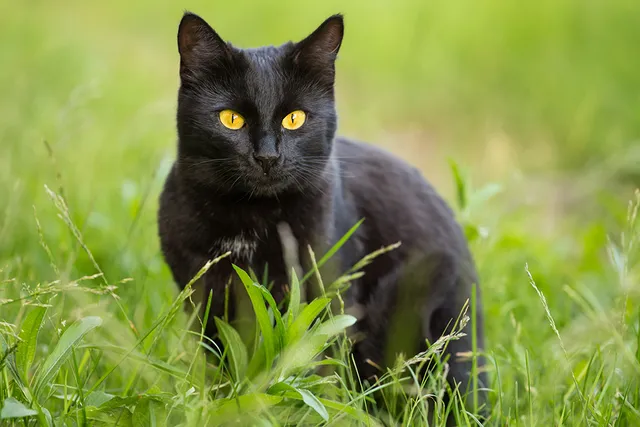
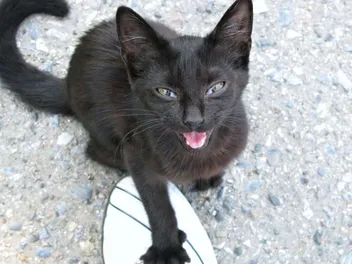
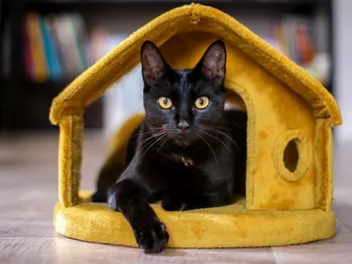
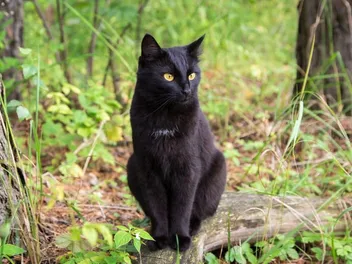
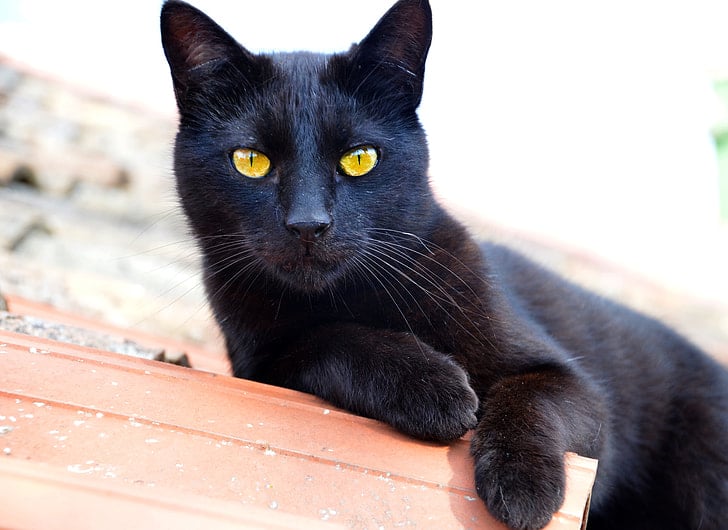
A hybrid of the Burmese and American Shorthair cat breeds, the Bombay Cat is one of the most misunderstood cat breeds in the world. Most people take them to be prone to feisty temperaments due to their wild appearance.
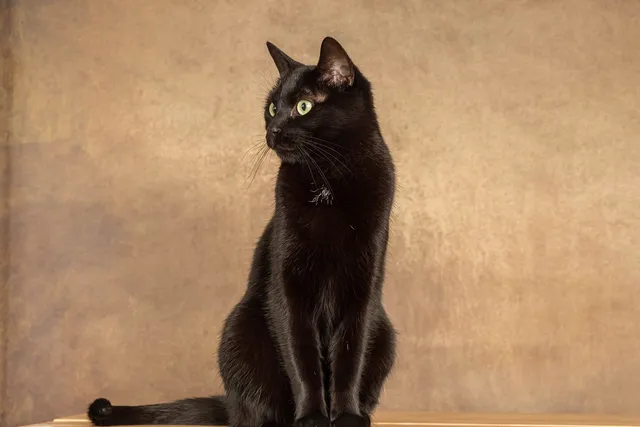
While they may resemble a miniature panther due to their rounded head, jet-black coat, and golden eyes, that’s as far as their similarities go. You wouldn’t compare their aggression to that of the panther!
However, they are likely to display aggression towards other cats or animals when guarding their territory, to protect themselves from an attack and even to defend their kittens. When they feel threatened, they are more than happy to vocalize their displeasure.

Why People Consider Bombay Cats to be Aggressive
Most people consider Bombay Cats to be aggressive breeds because they are overly independent. Some Bombay cats do not enjoy being petted, picked up, or even held by their household members. They prefer to live solitary lives doing cat things without supervision or interference from humans and other animals.
Their independent streak can make them seem unapproachable. However, to build trust with your Bombay, you should give them space when you notice signs of aggression. If a Bombay owner respects their cat's independence, they will be rewarded with a loyal and loving feline companion.
Like the Sphynx and the Siamese cats, Bombay’s also require plenty of attention to thrive. This can be attributed to the fact that this breed is susceptible to separation anxiety. If the cat’s playtime and attention needs are not satisfied, it will act out in aggression.
Clearly, not all cats are the same, and with the increase in kitten mills and irresponsible breeding practices, there is always a possibility for aggression in your Bombay cat. If your Bombay cat starts displaying overly aggressive behavior, you should keep a closer eye on them and even seek professional help if need be.
How Bombay Cats Display Aggression
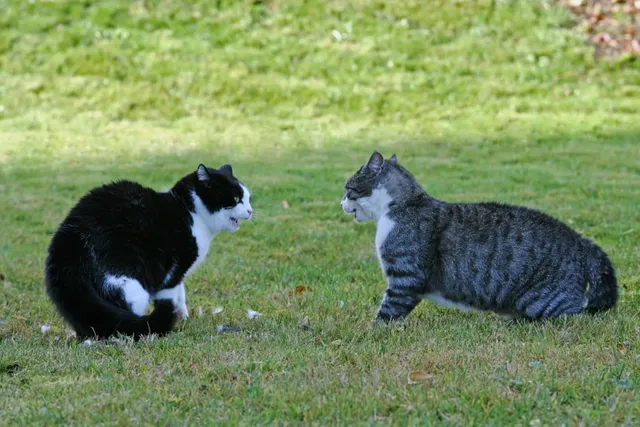
In terms of aggression display, the Bombay cat will either show active or passive aggression. Active aggression is essentially displayed through scratching and biting, while passive aggression typically entails growling and hissing.
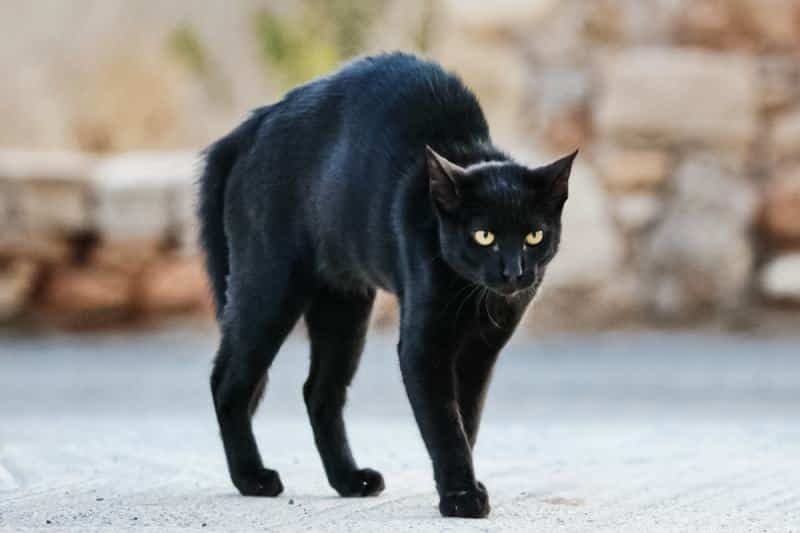
Moreover, aggression and threats can either be defensive or offensive. An offensively aggressive Bombay will try to puff its body to look larger and more intimidating. A defensively aggressive cat will assume a self-protective stance to make themselves small and non-threatening.
Below are some common postures that aggressive Bombay’s are likely to display:
Even though they might take the above-mentioned postures in a show of aggression, these cats are not particularly aggressive when compared to other domesticated cat breeds. However, as a general rule, never attempt to comfort, touch, or even punish a cat for displaying the postures.

The 5 Tips for Handling Aggression Issues in Your Bombay Cat
If your Bombay cat is showing excessive signs of aggression, there are a few things you can do to counter the behavior.
They include:
Conclusion
Bombay cats are a unique and beautiful breed that can make a lovely addition to a home. It is especially ideal for cat enthusiasts who would want the experience of living with a “wild-looking” cat without all the unpleasantness of a wild cat. However, despite its wild physical appearance, this breed is generally good-natured, affectionate, and gets along with humans and children alike.
But just like most cat breeds, it is also prone to some degree of aggression. They might hiss or growl when feeling anxious and scratch or bite when feeling threatened. But compared to other breeds, the aggression index is significantly lower.
Sources
Featured Image Credit: NZ3, Shutterstock
Expert cat care, straight to your inbox
News, insights, and useful advice, delivered to you.

No spam — unsubscribe anytime.
By signing up, you agree to our Terms & Conditions and Privacy & Cookies Policy.
How useful was this post?
Click a star to rate. You can leave written feedback afterwards. (We read all feedback.)

Christian started writing for a local newspaper as a teenager, and he's been involved in the publishing industry for most of his adult life. Combining his love of writing with a passion for animals, he is currently the Director of Editorial at Pangolia and the Editor-in-Chief at Catster.
Christian lives in the Philippines with his wife, son, and four rescue cats: Trixie, Chloe, Sparky, and Chopper.