Can Cats Eat Tapioca? Vet-Approved Nutrition Facts


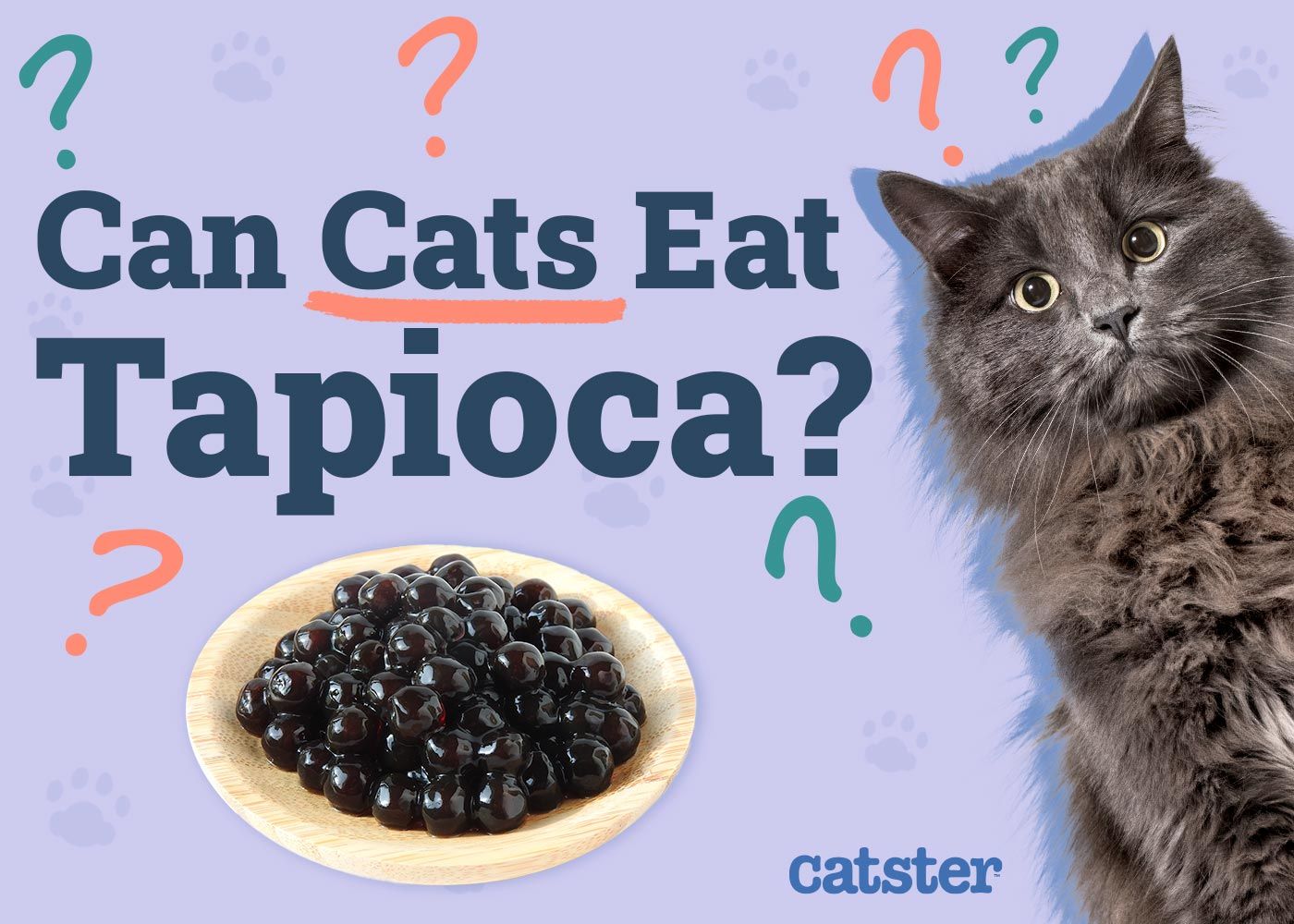
If you're wondering if your kitty can lap up a bit of your tapioca pudding without getting sick or poisoned, you've come to the right place. Tapioca is not toxic to cats, and in fact, it is found in the ingredient lists of many reputable dry kibble brands. But if you made a tapioca pudding and served a big bowl to your feline friend, they would suffer from gastrointestinal issues afterward. However, this would be mainly due to the large amount of sugar and milk used in the recipe, not the tapioca.

Is Tapioca Healthy for Cats?
Tapioca is a starch from cassava, a tuberous edible plant of the spurge family (Euphorbiaceae) from the American tropics. It is also called manioc, mandioca, or yuca. It is widely used in Asian countries and South America. Since the flavor of tapioca is very neutral, it is suitable for both savory and sweet dishes. However, it should not be confused with yucca, a perennial shrub in the Agavaceae family that is toxic to cats, dogs, and horses.
Here are the main characteristics of tapioca and its health benefits for humans:

However, cats don’t digest carbs and starch the same way as humans (or even dogs!), which limits the nutritional benefits of tapioca for felines. Nevertheless, since tapioca is gluten free, it can be considered a good source of energy for cats with gluten allergies or intolerances. But unlike humans, it is extremely rare for cats to suffer from gluten intolerance. In the event they do have a food allergy, it is most likely the protein source in their food.
In short, tapioca does not really provide any interesting nutritional benefits for your cat. But if your kitty has taken a liking to your favorite tapioca dessert, you could prepare them a small portion, without adding sugar or milk in order to avoid certain gastrointestinal problems (diarrhea, vomiting, gas) that can be caused by the ingestion of these foods.
Why Does Cat Food Contain Tapioca Starch?
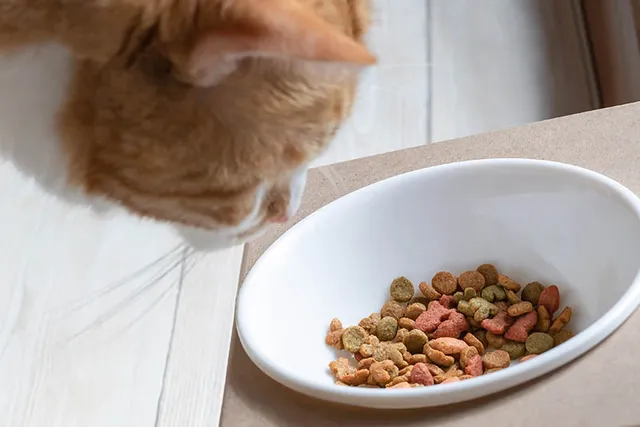
Grains, such as barley, wheat, and corn, are ingredients found in most commercial brands of cat food. There are also grain by-products, which include bran, flour, and starch. Tapioca, being composed mainly of starch, is also frequently found in the list of ingredients for dry kibble. Let's demystify carbs' (often) demonized role in pet food.
Carbohydrates, such as grains, potatoes, legumes, and tapioca, are composed primarily of starches. These are ingredients that have an important role in pet food processing. Indeed, dry food for cats and dogs must contain a certain level of starch for the final product to be adequate.
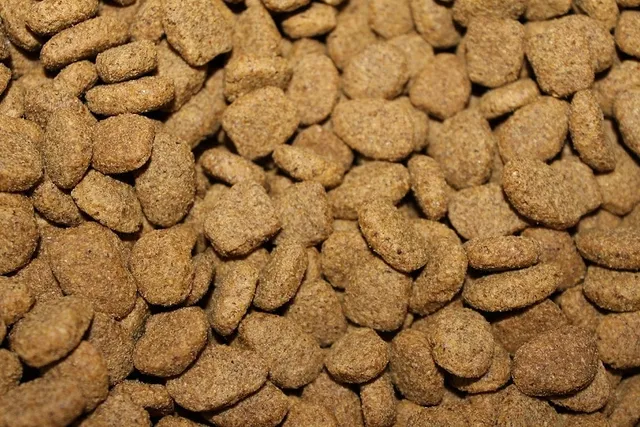
Their main function is to provide structural integrity to the kibble. Indeed, dry kibbles cannot retain their shape or structure without the binding capacities of carbohydrates. It is cooked and gelatinized starch that binds the kibbles and prevents them from crumbling. Additionally, the carbohydrate-protein interactions that occur contribute to texture and flavor.
In other words, the starch ensures that the kibble is appetizing for your beloved little feline while preventing you from ending up with a bag full of crumbs.

Don’t Cats Need Grain-Free Food to Be Healthy?
Not really. The wild ancestors of the domestic cat (Felis silvestris) are known to be obligate carnivores. This means that in their natural habitat, cats consume prey that is high in protein, moderate in fat, and contains only a minimum of carbohydrates.
These eating habits have led to specific and unique nutritional needs. Therefore, in cats, the dietary requirements of protein, arginine, taurine, and vitamins A and D, among others, are greater than in omnivores due to metabolic differences. However, this ancestral diet has fueled several myths about cat nutrition.
For example, the fact that cats are strict carnivores is sometimes interpreted as cats can only meet their nutritional needs by consuming animal protein. But cats are also able to digest grains, though they are naturally inclined to consume animal prey.
The fact that cats have evolved to consume high-protein, low-carb prey has led to a myth that diets containing carbs may be detrimental to feline health. Indeed, the most commonly expressed concern is that cats are not able to metabolize carbohydrates.
But the truth is that while wild cats are not generally prone to ingest starch, dietary studies show that domestic cats can still digest over 95% of starches.

How Many Carbs Do Cats Need in Their Diet?
There is no scientific consensus on the appropriate amount of carbohydrates that commercial cat foods should contain. It is true that many brands of dry kibble for cats contain more carbohydrates than a wild cat would consume or domestic cats would prefer when given the choice. This data, however, does not show what carbohydrate level is optimal for feline health. Additionally, lifestyle differences (e.g., whether the cat is neutered, if they go outside or not, if they regularly consume table scraps, etc.) between domestic and feral cats affect also their optimal nutritional needs.
Furthermore, grains and grain by-products that are added to cat foods are not used as fillers but as cost-effective and easily digestible sources of vitamins and energy. So, contrary to popular belief, grains added to commercial cat food will have no noticeable harmful effects and no reduction in the quality or length of a cat's life. Reach out to a veterinarian and discuss your cat's nutrition with them. They will make it easier to navigate all feline dietary requirements.

Bottom Line
If your cat ingests tapioca, they will not get sick. However, although tapioca is an ingredient in the majority of commercial brands of dry cat food, it does not have any real health benefits for your feline. This gluten-free starch is mainly used to bind the kibbles to prevent them from crumbling and add a little flavor to your kitty's dry food. So, keep your tapioca pudding to yourself and offer your cat another treat with more nutritional benefits.
Featured Image Credit: Romix Image, Shutterstock
Expert cat care, straight to your inbox
News, insights, and useful advice, delivered to you.

No spam — unsubscribe anytime.
By signing up, you agree to our Terms & Conditions and Privacy & Cookies Policy.
How useful was this post?
Click a star to rate. You can leave written feedback afterwards. (We read all feedback.)
Genevieve is both a biologist and a science writer, driven by her deep love for capuchin monkeys, pumas, and kangaroos. Her dedication to wildlife has taken her across the globe, from Bolivia and Guatemala to Canada and Australia, working and volunteering at various rehabilitation centers. As a Canadian living in Argentina, Genevieve starts her days with horses and cows greeting her from the plains outside her home office. She is the proud parent of three rescued dogs—Lemmy, Nala, and Pochi—and an energetic kitten named Furiosa. The opportunity to share her passion and expertise in animal care brings her great satisfaction.