Why Do Cats Sometimes Drink Dirty Water? Vet-Verified Reasons, Risks & Prevention Tips


In this article
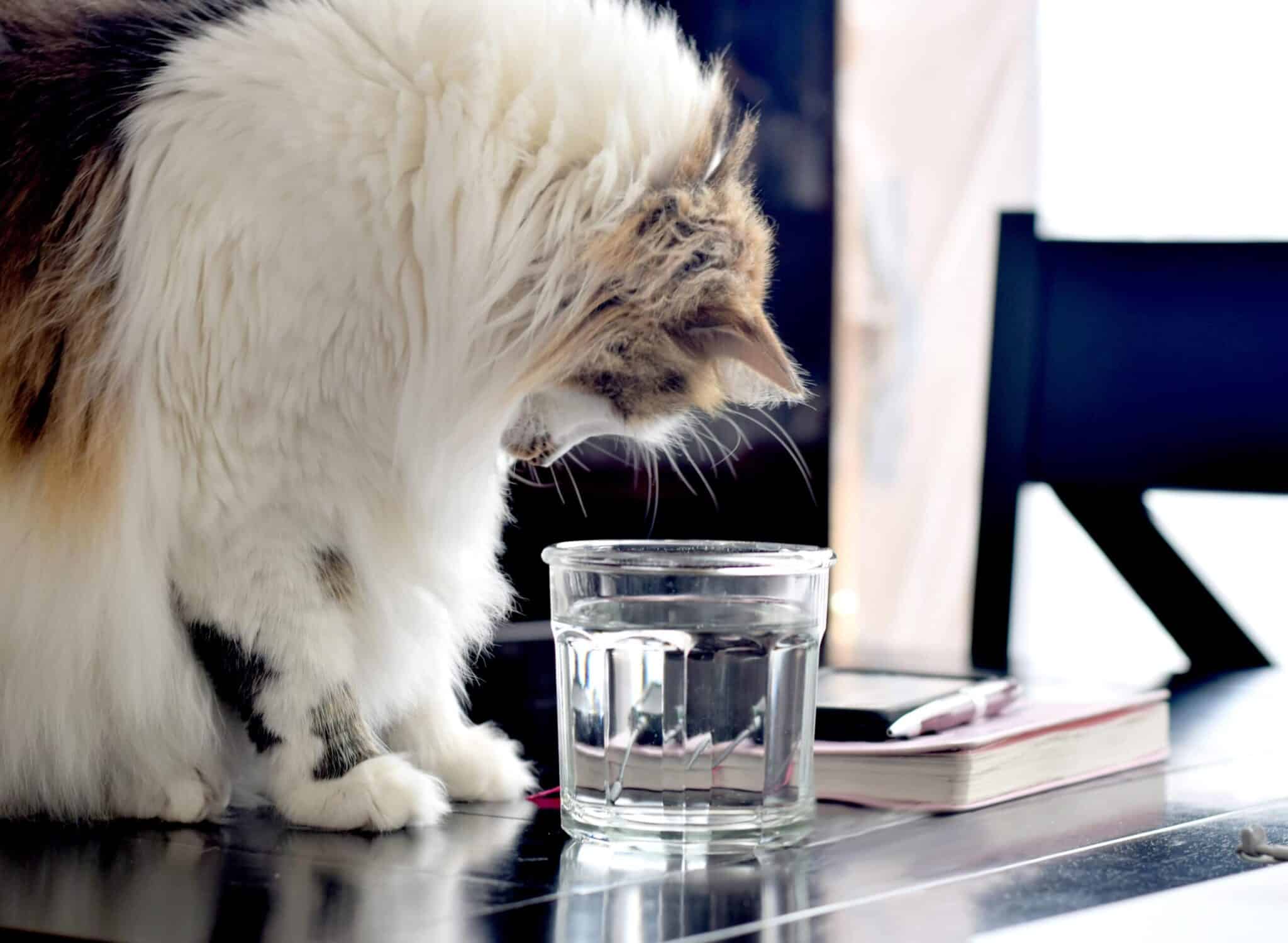
Some of the habits of our feline friends can perplex us as cat parents, which raises questions about their eating, sleeping, or grooming habits. For instance, even though your cat has a full and accessible water bowl, you’ll sometimes catch your cat drinking from the outside pond, the toilet bowl, or the water left in the sink.
When you quickly go to refill their water bowl and discover that it is already full, you are left wondering why cats sometimes drink dirty water. It is not uncommon, and there are a few practical reasons why your cat may do it, which we’ll discuss in further detail below.

Why Do Cats Drink Dirty Water? The 4 Possible Reasons
Your cat’s dirty water habit may be passed down from their wild ancestors that drink water from multiple available sources. There are a few reasons why your cat sometimes prefers to drink from other sources other than the water bowl you provided. It can mean that they prefer running water or that they are unsatisfied with the water you provided, the bowl itself, or the location of the drinking bowl.
1. The Size and Shape of Their Water Bowl
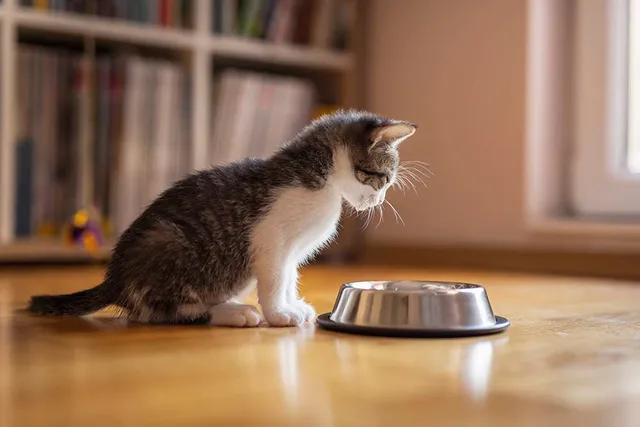
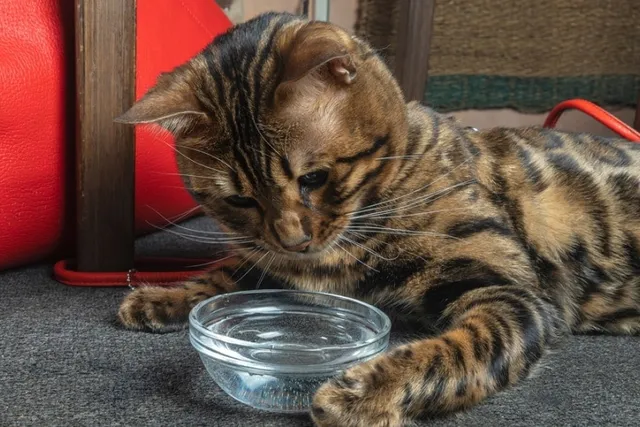
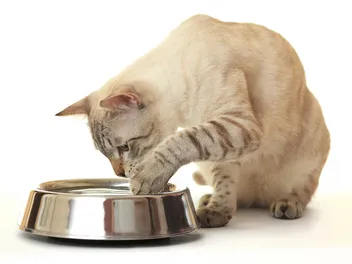
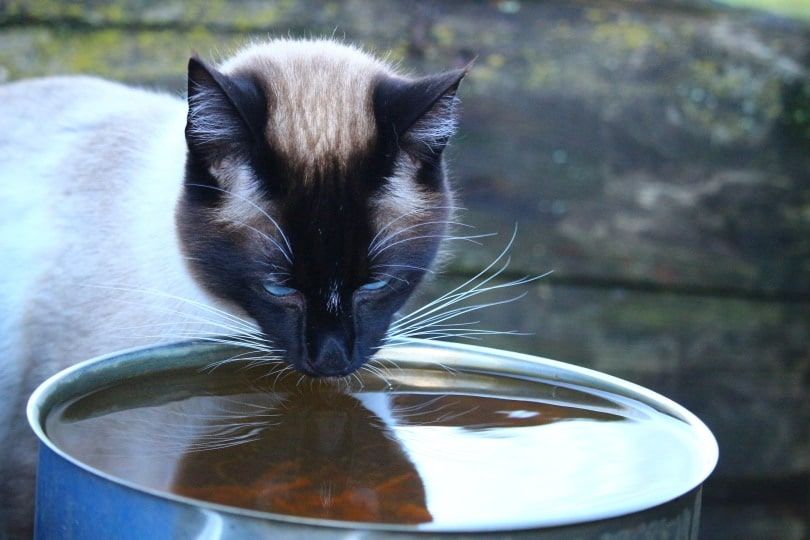
Some cats are picky with the size and shape of their bowl since they typically don’t enjoy it when their whiskers rub up against it or get wet. If you have just bought a new bowl that your cat isn't enjoying, it could be because it is too narrow or too deep, and your cat would rather find another water source than be tickled or irritated every time they drink.
2. The Bowl May Be Too Close to Their Food
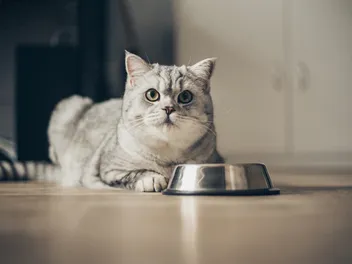
Cats don't always enjoy drinking their water too close to where they eat, and you should try to separate their food and water bowls. In the wild, cats won't drink from a water source close to their kill since it could contaminate the water. Therefore, your cat may refuse their water if it’s too close to their food bowl.

3. Water Has Been Sitting in the Bowl for Too Long
As you know, cats can be picky and fussy, and they have a nose for things that have gone bad, so if their water has been sitting in the bowl for too long, it may have accumulated dust particles or absorbed a smell from something around it.
4. Cats Like Multiple Drinking Sources
Cats won’t always drink from the same water source and naturally avoid their water source if there are predators nearby. If your cat's bowl is not easily accessible and is the only water source, they may choose the muddy puddle instead. Another cat or dog in your house may prevent your pet from using the bowl if there are few options. You should provide your cat with multiple water bowls in different areas of the house, so they always have easy access to the water.

Can Cats Get Sick from Drinking Dirty Water?
Yes, cats can get sick from dirty water, but it depends on how contaminated it is. Outdoor cats are also typically more likely to get sick than indoor cats.
1. Worms and Protozoa
Cats can get worms and protozoa from dirty water, such as roundworms, giardia, and tritrichomonas. They often come from stagnant water in warmer climates, which is an excellent breeding ground for certain parasites.
2. Leptospirosis
Cats can get infected by bacteria in the genus Leptospira, and this possibility should not be taken lightly because Leptospira can be transmitted to humans (zoonosis). There is no vaccine available for cats, as opposed to dogs. Stagnant surface water and marshy/muddy terrain are where the Leptospira spirochete infection is most common. These bacteria can survive in water for several months. Cats can also get infected by eating rodents. Cats that live near farms or wooded areas are more likely to become infected with the bacteria than other cats.
3. Toilets
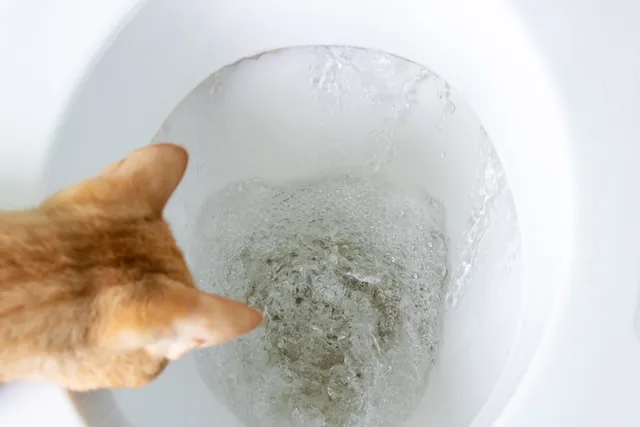
If the toilet is a popular choice for your cat to drink from, don't be fooled by how clean it may be. Toilets are a breeding ground for germs and bacteria that can harm your cat and potentially cause gastrointestinal upset. Furthermore, toilets contain cleaning agents such as bleach, which can also be harmful.
4. Ponds
If you have an outdoor pond with blue-green algae, your cat can get poisoned from the cyanobacteria present in it. Signs of algae toxicity include vomiting, diarrhea, disorientation, trouble breathing, liver failure, seizures, and death.

Cats Enjoy Running Water
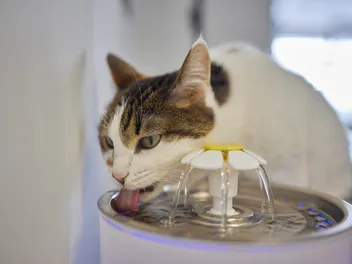
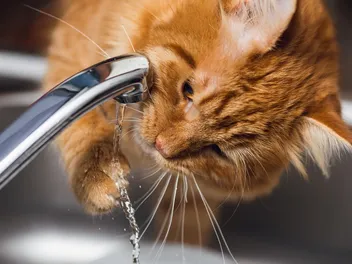
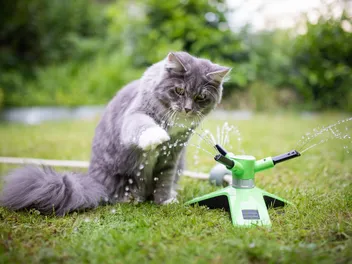
Some cats instinctively have a preference for running water. This is because they know that stagnant water isn’t the safest option. Another reason is that drinking water from a bowl can put them in a vulnerable position, especially in a corner that forces them to face their back to potential predators. Running water is also more oxygenated and has a more appealing taste and smell for cats, which is why cat water fountains have become more popular.
How to Get a Cat to Stop Drinking Dirty Water
Now that we know your cat can potentially become ill from drinking dirty or contaminated water, here are some ways to get your cat to drink from their bowl and to discourage them from consuming dirty water.
Conclusion
While it may seem nonsensical and concerning for an owner who provides their cat with a full bowl of water, there are a few reasons why cats sometimes choose to drink dirty water. It could be the size and shape of their bowl, the position of their bowl, or the quality of their water. Some outside water sources are perfectly safe for your cat, but it’s best to avoid them since the water could be toxic or contaminated. You should encourage your cat to drink from their designated water source by providing clean, fresh water every day and following the guidelines we provided above.
Sources
Featured Image Credit: Piqsels
Expert cat care, straight to your inbox
News, insights, and useful advice, delivered to you.

No spam — unsubscribe anytime.
By signing up, you agree to our Terms & Conditions and Privacy & Cookies Policy.
How useful was this post?
Click a star to rate. You can leave written feedback afterwards. (We read all feedback.)
Christian started writing for a local newspaper as a teenager, and he's been involved in the publishing industry for most of his adult life. Combining his love of writing with a passion for animals, he is currently the Director of Editorial at Pangolia and the Editor-in-Chief at Catster.
Christian lives in the Philippines with his wife, son, and four rescue cats: Trixie, Chloe, Sparky, and Chopper.