Get

In Your Inbox

Catster is reader-supported. When you buy via links on our site, we may earn an affiliate commission at no cost to you. Learn more.

Skin Ulcers in Cats: Our Vet Explains the Causes, Treatment & FAQ

Share

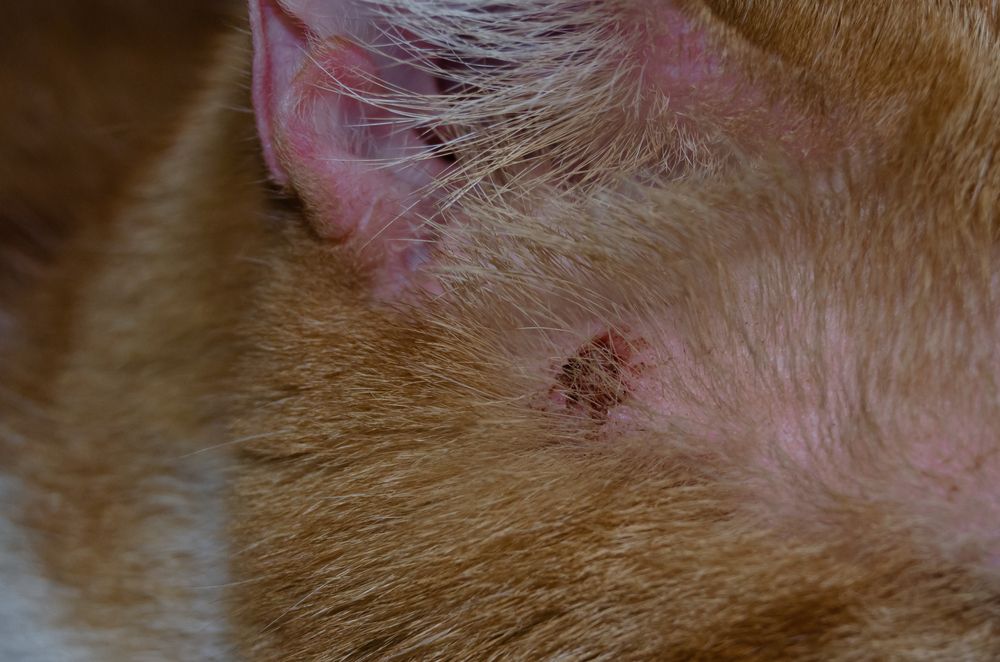
close up on skin ulcers on the bottom of the cat's ear

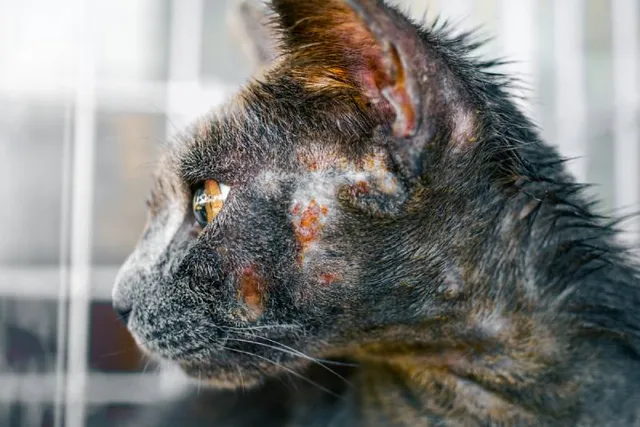
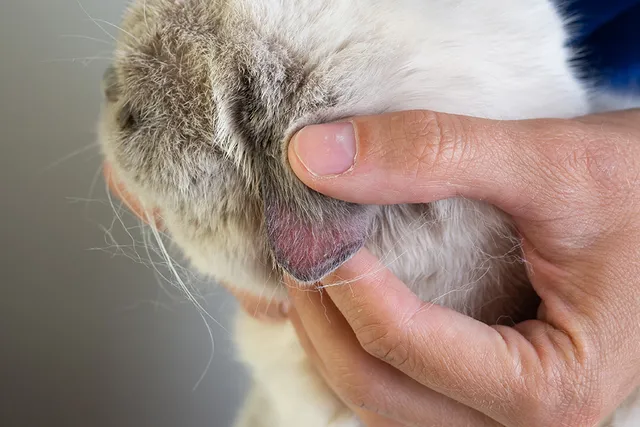
Some feline diseases are quite subtle, but skin ulcers are not. Skin ulcers look like sores or open wounds on your cat. They are painful because the skin is very sensitive. Your cat might have the urge to lick or scratch the wounds, which will make things worse.

Skin ulcers are just a sign of an illness, not a diagnosis. Your cat’s skin ulcers could be from something as benign as an insect bite or as severe as cancer. You should visit a vet so that they can diagnose your cat and prescribe medication as needed to get them back on track.

divider 2 cats

What Are Skin Ulcers?

The skin acts as a waterproof barrier between your cat’s body and the environment, and it has three layers. The outer epidermis is a layer of skin cells that move to the surface to form a barrier of dead skin cells.

The dermis is the middle layer that provides structural support and houses blood vessels. The deepest layer is the subcutaneous layer, which is made of fat and muscles. Skin ulcers are breaks in the skin that typically go through the whole epidermis or deeper. They look like sores or open wounds.

vet examining a skin disease of a cat
Image Credit: Wirestock Creators, Shutterstock

What Are the Signs of Skin Ulcers?

Skin ulcers can be very painful for cats. These open wounds are also prone to infection as the body’s normal defense (the skin barrier) has been breached. This means that opportunistic bacteria move to the wounds and begin multiplying there.

If your cat has skin ulcers, you may notice signs like:
  • Sores or open wounds
  • Skin discharge
  • Hair loss
  • Licking
  • Limping
  • Scratching
  • Hiding
  • Lethargy

If you are concerned about the health and well-being of your pet, we recommend getting in touch with a vet for guidance.

If you need to speak with a vet but can't get to one, head over to PangoVet. It's an online service where you can talk to a vet online and get the advice you need for your pet — all at an affordable price!

PangoVet_Mention-in-Content for PangoVet2 save money

What Are the Causes of Skin Ulcers?

There are several causes of skin ulcers. Most of the time, it’s hard for cat owners to identify the cause of skin ulcers in their cats. Some problems are easily fixed, while others require life-long treatment.

Causes of skin ulcers in cats include:
  • Trauma: Burns, frostbite, bite wounds, falls, and being hit by a car or dragged can damage the skin layer. If your cat goes outside, it can be injured without you knowing about it.
  • Allergic reactions: Allergies can cause itchy skin, making the cat lick, bite, and scratch, which damages their skin. Cats can have chronic allergies if they’re allergic to something in their food or the environment. They can also have acutely itchy skin from insect bites, especially if they have a strong reaction to mosquito bites.
  • Stress: Stressed cats sometimes cope by spending more time grooming themselves. This can lead to patches of hair loss and even skin ulcers from licking all the time.
  • Parasites: Cats often pick up fleas, which make the skin very itchy, and skin ulcers are the consequence of licking, biting, and scratching. Mites have a similar effect, but unlike fleas, they are microscopic, so you can’t see them. Luckily, routine parasite control can help treat and prevent these infestations.
  • Infection: Bacterial skin infections are usually secondary to something else. Ringworm is a fungal infection that occurs in the skin, leading to patchy hair loss and small ulcers that mainly occur around the face, ears, tail, and feet. Kittens and immune-suppressed individuals are more prone to it. Feline Immunodeficiency Virus (FIV) is a viral infection that causes lifelong immune suppression in cats. These cats are susceptible to other infections and struggle to heal normally.
  • Nutritional deficiency: If your cat is eating quality, nutritionally complete cat food, this is not usually an issue. However, zinc, vitamin A, and essential fatty acid deficiency can cause skin problems.
  • Cancer: Skin cancers can look like open sores that don’t heal. Squamous cell carcinoma, basal cell carcinomas, hemangiomas, cutaneous lymphosarcoma, mast cell tumors, and melanomas are examples of these cancers.
  • Autoimmune disease: Autoimmune diseases occur when the immune system starts attacking the body. Genetics, environmental triggers, and drugs could play a role in developing an auto-immune condition. In cats, pemphigus foliaceous is an autoimmune condition that causes ulcers around the face, footpads, and groin. Discoid lupus erythematosus is rare but causes loss of pigment and ulcers, especially around the lips, eyes, and nose.
  • Congenital issues: Rarely, cats can be born with missing or absent skin and are born with ulcers. This is known as aplasia cutis or epitheliogenesis imperfecta. In Siamese, Persian, and Domestic Shorthair cats, epidermolysis bullosa syndromes cause blisters and ulcers in response to minor trauma, as the skin is more fragile.
  • Metabolic disease: Other diseases in the body, like liver disease, kidney disease, diabetes, and Cushing’s disease, can sometimes cause skin ulcers.
Cat scratching fleas
Image Credit: Maja Marjanovic, Shutterstock

Diagnosing Skin Ulcers in Your Cat

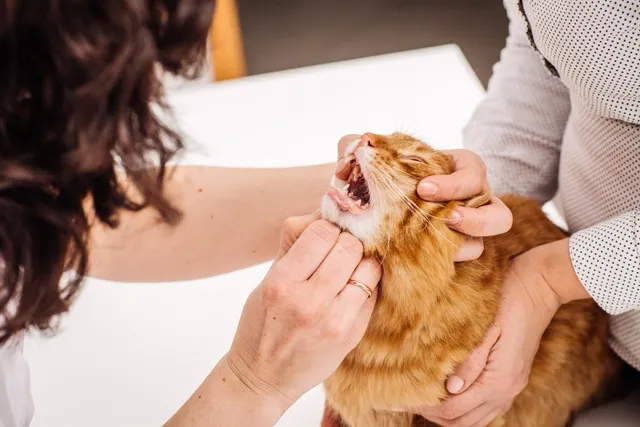
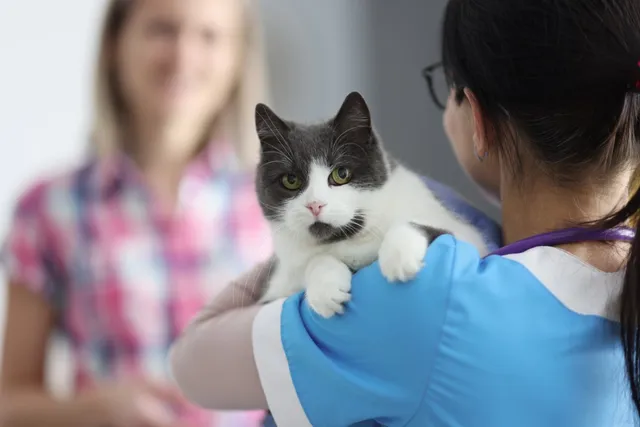
Your vet can diagnose and treat skin ulcers. The first step is a consultation, during which they will gather a history of your cat’s condition and examine the skin. Sometimes, additional tests may be needed to diagnose your cat.

Your vet may take skin samples with a needle, swab, or piece of sticky tape. They can then look at the skin cytology in the veterinary clinic. In some cases, they may want to send samples to a laboratory for a specialist veterinary pathologist to either examine the cells or perform a bacterial/fungal culture.

Blood tests can also be helpful in ruling out underlying illnesses, and sometimes, a treatment trial of a particular medication or change in diet can help attain a diagnosis. In some cases, where cancer or an auto-immune condition is suspected, a biopsy can be the only way to get an accurate diagnosis.

This involves your cat going under anesthetic and having surgery. The vet will either take a small section of the ulcer (incisional biopsy) or remove the whole thing (excisional biopsy) and send the tissue away for further analysis.

How Do I Care for a Cat With Skin Ulcers?

If your cat has skin ulcers you should make an appointment with your veterinarian. Once that’s done, there are a few things you can do at home while you wait for your cat to be seen. First, you should fit your cat with a comfortable Elizabethan collar and keep it on at all times to stop your cat from making things worse by licking their ulcers. It will also protect any ulcers on the head from getting scratched.

You should check your cat and other pets for fleas. If your cat isn’t on a flea preventative, get them up to date. If you notice fleas, there will be eggs in the environment, which means it can take a few weeks to months to get on top of the infestation completely.

Vacuuming, washing bedding, and potentially flea-bombing your house can help; just make sure you don’t expose your pets to the harmful chemicals. All your pets should have flea medication to ensure there is nowhere for fleas to live and reproduce in your home.

Finally, you can clean the ulcers to prevent them from being infected. A gentle flush with sterile saline is a good choice, or you can clean them with a dilute chlorhexidine solution. Cleaning them two to three times a day is a good start, but your vet may still need to prescribe antibiotics.

After you visit the vet, a plan should be in place to help your cat. Sometimes, medications like antibiotics or steroids are prescribed. Your cat may also recommend a plan to combat allergies, like a change in diet or skin supplements. Omega-3 fatty acids can help with some skin complaints.

divider 2 cats

Frequently Asked Questions

Do Cat Ulcers Heal on Their Own?

Typically, the cat’s body wants to repair the skin ulcers. Blood cells form scabs to protect the wound. The wound then becomes inflamed to draw more blood, carrying oxygen and white blood cells, into the area. These cells will help the wound heal by keeping it clean and forming a structure of healthy connective tissue for the skin to grow on.

The final stage of healing is when live skin cells start to move from the wound edges to form a new layer of skin over the wound. The smaller the ulcer, the more quickly the skin will close. Despite that, certain complications can impair the body’s healing process.

Infections, immunosuppression, and further trauma, for example, your cat licking and scratching, will delay healing. Additionally, cancer and autoimmune conditions disrupt natural healing. So, depending on why the ulcer occurred in the first place, your cat probably needs some help to recover.

wound on the skin of an orange cat
Image Credit: Drnooker, Shutterstock

Can I Put Betadine on My Cat?

Betadine contains povidone-iodine, which is an effective antiseptic used to clean the skin before surgery in some veterinary clinics. Betadine is safe for cats as long as they don’t ingest too much.

Some sensitive cats may have an allergic reaction to betadine, and you also need to follow the instructions on the bottle to ensure the correct dilution is used for it to be effective. Ingestion of large amounts of Betadine can be harmful, especially for cats sensitive to dietary iodine, like those with hyperthyroidism.

divider 2 cats

Conclusion

You’re probably at a loss for what to do when your cat has skin ulcers. The good news is that skin ulcers aren’t an emergency in themselves. However, some skin ulcers can be caused by cancer and other severe conditions that should be treated sooner rather than later. You should book an appointment with your vet if your cat has skin ulcers.

While waiting for your vet visit, attach an E-collar and bathe the ulcers with a pet-safe antiseptic like dilute chlorhexidine or sterile saline. Ensure their parasite prevention is up to date. Your vet will take it from there.


Featured Image Credit: Selsk’n’Stanta, Shutterstock

Want content like this delivered to you?

Sign Up For Our Newsletter

News, insights, expert advice, and everything cat

* By submitting, you agree to our Terms & Conditions and Privacy & Cookies Policy.


How useful was this post?

Click on a star to rate (you can leave written feedback after clicking submit)

Help us improve Catster for pet parents!

Your feedback really matters.

What did you like about this post? Also how can we improve it?

Join the conversation

Leave a Reply

You’re very welcome to leave a comment or question. Please know that all comments must meet our community guidelines, and your email address will NOT be published. Let’s have a positive and constructive conversation.


Talk With A Vet Online

Peace of mind,
anywhere, anytime

Affordable vet advice

Do Cats Cause Schizophrenia? Scientists Find a Link – Here’s What It Means

Being a fierce advocate (and occasional recipient of) mental health support and awareness, the term ‘crazy’ is not one I like to fling...

One in 100 Cats Gets Diabetes – Here’s How to Catch It Early

One in every 100 cats develops diabetes.1 That’s not a rare, unlucky condition reserved for cats with obvious health problems. It’s common enough...

Dramatic Rescue Turns Into Dramatic Reunion

What started as a routine call for the RSPCA became a heroic, five-hour rescue featuring one trapped and traumatized cat, an emotional family...

Ask Dr. Paola – Help! How Do I Know if it’s Ear Mites! (May 4, 2026)

Welcome to our “Ask Dr. Paola” series, where every Monday we bring expert advice straight from Dr. Paola Cuevas (MVZ) to help our...

More related

Bebe Neuwirth Talks About Her Love of Cats and Animal Rescue

It is difficult to say what actress Bebe Neuwirth is best known for. I guess it depends on who you ask, as some...

My Cat Has Sores Behind Their Ears, What’s Wrong? Our Vet Explains

There are several different reasons that small sores or scabs may be found around our feline companion’s ears. This can be troublesome to...

10 Styles of Cat Scratchers: The Perfect Fit for Your Kitty (With Pictures)

Scratching is a normal cat behavior. Cats scratch for various reasons, such as to express certain emotions, maintain their claws, or mark objects...

200 Maine Coon Cat Names: Great Ideas for Your Big Cat

If you are a soon-to-be owner of a majestic, loving, and stunningly beautiful Maine Coon cat but are still tossing around name ideas,...

Keep reading

Can Cats Eat Sunflower Seeds? Vet-Verified Nutrition Facts & Considerations

Sunflower seeds are the edible gifts of the sunflower. Not only are they tasty, but they are nutritious and considered to be one of the healthiest snacks around. But can your beloved feline eat them, too? The quick answer is...

Can Cats Eat Sunflower Seeds

Can Cats Eat Cranberries? Vet-Reviewed Facts & FAQ

Cats are known for loving their meat. But did you know that your feline companion may benefit from consuming some fruits and veggies like cranberries, too? Are cranberries safe for cats? The good news is cranberries can make a great...

Can Cats Eat Cranberries

Are Petunias Poisonous to Cats? Vet Approved Houseplants Examined

Cats are known for being curious and getting into things that may not necessarily be great for them. After all, they are animals, right? Not too different from curious pups, rabbits, or even pet guinea pigs. It’s in their nature...

Catster_Are Petunias Poisonous to Cats

Can Cats Eat Feathers? Vet-Reviewed Risks & Precautions

Feathers are included in various enticing cat toys, most likely because they are reminders of favorite prey animals of felines: birds. Whether a poor bird has fallen victim to your cat’s hunting expertise or you are worried about your kitty...

Can Cats Eat Feathers

Why Does My Cat Have Diarrhea? 8 Vet-Reviewed Reasons

Cat owners know how aloof their feline companions can be, and we can sometimes miss signs telling us that something is off, so it is important to pay attention to your cat’s energy levels, eating, and toilet routine. Feline diarrhea...

orange cat pooping on the grass

Is Cat Snoring Normal? Facts & When to Worry

Picture this—your cat is sprawled out beside you, snoozing away, when suddenly you hear the cutest sound from them. What is it? They’re snoring! A snoring cat can be downright adorable (and occasionally a bit annoying if they’re a particularly...

White and orange kitten snoring while sleeping

Are Heated Cat Beds Safe? Can They Be On All the Time?

Heated cat beds are becoming increasingly popular, but are they safe for cats? The short answer is yes; heated beds are safe, and there is a wide range of options available on the market. But before you run out and...

sphynx cat on heating pad

Why Do Cats Lay in the Middle of the Floor? 7 Vet-Verified Reasons

Cat owners everywhere are familiar with the feline antics their furry roommates get up to, but it’s not always obvious why they do the peculiar things they do. For example, why do cats just lie in the middle of the...

cat lying on the floor and looking up

Love Cats? So Do We! Join the Catster Community

Stay informed with expert pet care insights delivered straight to your inbox! Discover professional guidance on animal behavior, feeding tips, trusted product picks, and much more.


Sign up for the Catster Email Newsletter

Stay informed with expert pet care insights delivered straight to your inbox! Discover professional guidance on animal behavior, feeding tips, trusted product picks, and much more.