Omega 3 For Cats: Our Vet Discusses Benefits, Diet & Supplementation

In this article
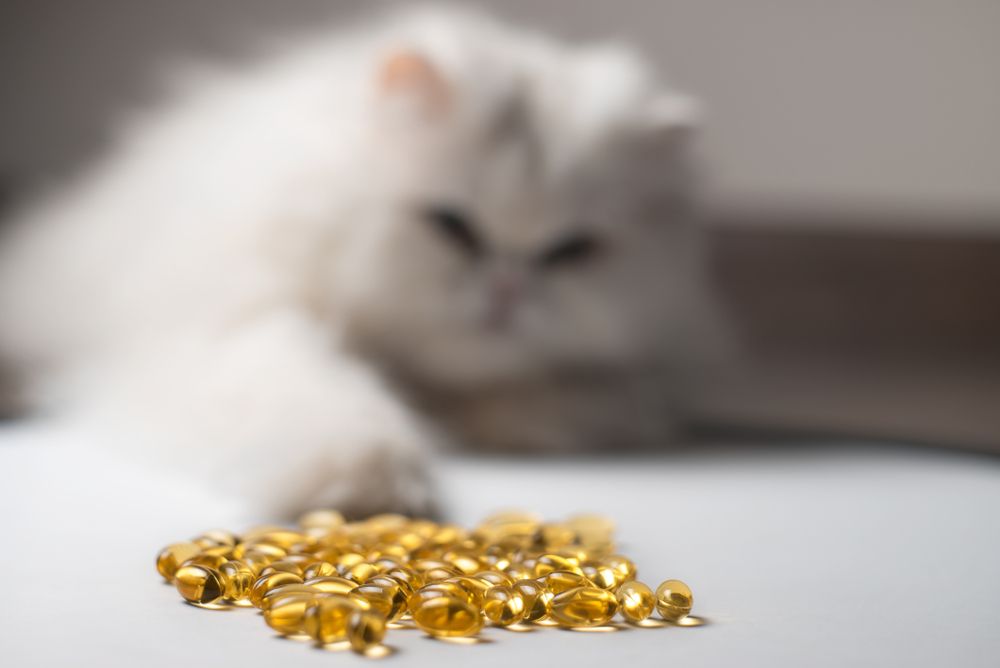
Omega 3s are a type of fatty acid that is a nutritional component of some foods. Omega 3’s can also come in the form of a supplement; they have some benefits for cats and are generally very safe to use. Read on to learn more about omega-3 fatty acids for cats.

What Are Omega 3s?

Chemically, a fatty acid is a molecule made from carbon chains with hydrogen and oxygen groups attached. The omega fatty acids (omega 3s and 6s) are unsaturated fats, meaning there is at least one double bond between carbon atoms on the chain. Unsaturated fats are healthy and essential in feline nutrition for use in the body. Omega 3’s are anti-inflammatory.
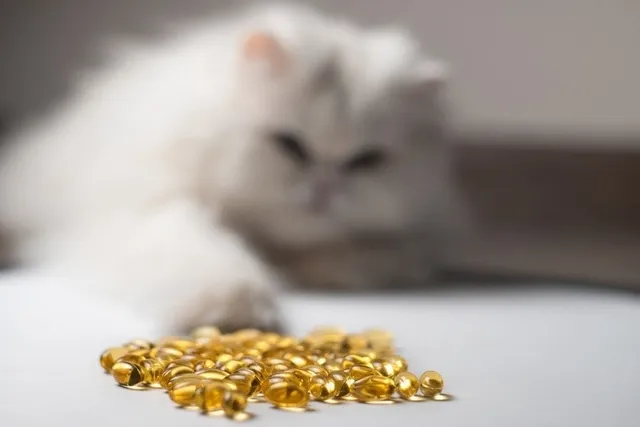
Alpha-linolenic acid (ALA), eicosapentaenoic acid (EPA), and docosahexaenoic acid (DHA) are all omega 3 fatty acids. Cold water fish oils are the best source of DHA and EPA in cats and provide these in concentrated amounts far higher than in pet foods.
DHA is also in microalgae oil. Flaxseed oil contains ALA, but cats cannot effectively convert this to other omega-3s, so it’s less useful for cats. The cats also usually like the fishy taste of fish oils better than flaxseed oil.
Omega 3 supplements and diets are used for:
The ratio of omega 6 to omega 3 in the diet is important. However, there is little evidence about how much of each is recommended, and this ratio is not regulated in cat food. Some experts suggest a 10:1 ratio could be appropriate. The type of omega-3 present is also important, with EPA being the most therapeutic.
Supplementation is also complicated by the amount of these nutrients in the diet, which could lead to an imbalance or even an overdose if not taken into account. Unfortunately, all this information is not readily available on many commercial products.
The Americal Association of Feed Control Officials (AAFCO) requires that kitten diets contain 0.012% EPA and DHA. DHA is an essential nutrient in kitten food as it helps develop healthy brains and eyes in growing kittens. DHA and EPA could be considered essential in adult cats, but as there is no known optimal or minimum value, they are not regulated by AAFCO.
How Are Omega 3’s Given?
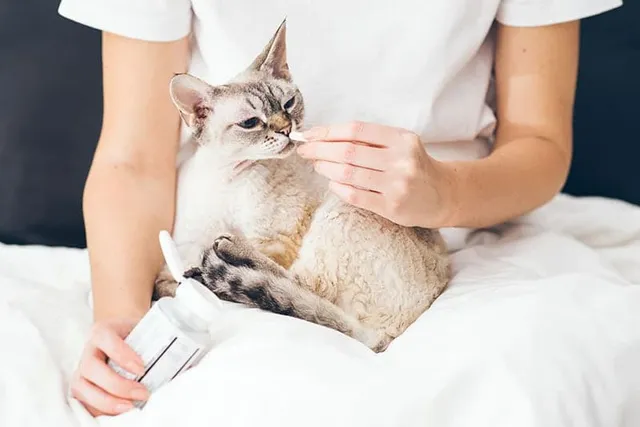
To start your cat on omega-3s, you can change their food to one fortified with them. You can also purchase a supplement and add it to their regular meals. These are generally liquids added as a topper onto their meals or capsules with liquid inside that are either administered as a pill or broken open and mixed into their meal.
You can purchase a supplement designed for cats and follow the dosage and storage instructions on the bottle. If your cat food already contains additional omega-3s, we would recommend talking to a vet about any additional supplements.
Ask a vet if one of the following supplements could be appropriate for your cat:
Cat foods enhanced with omega 3’s include:
What Happens if You Miss a Dose?
Don’t worry if you miss a dose of your omega-3 supplement. This is not a medication, and your cat will not be harmed. Simply give the next dose as scheduled. However, if you continually miss doses, the supplement's benefits may be reduced.

Potential Side Effects of Omega 3’s
Omega 3s are generally safe within the doses used in pet foods.
However, some cats, especially those receiving too much, may show signs like:
A single overdose is unlikely to cause serious problems, but it is theoretically possible for blood clotting problems to occur in extreme cases. If you notice abnormal bleeding or bruising on your cat, seek veterinary care urgently.

Frequently Asked Questions (FAQ)
How Do I Fix My Cat’s Itchy Skin?
Itchy skin can result from anything from parasites to allergies. You should visit the veterinarian for a complete treatment plan, which may include medication or a change in diet.
However, while you wait for a vet appointment, making sure your cat is on parasite prevention, supplementing with omega 3s, and washing with a medicated shampoo are excellent steps.

What Other Treatments Are Available For Arthritis?
In addition to joint supplements that include omega-3s, there are medications that can reduce the signs of arthritis. A vet can prescribe medication that provides pain relief in an oral or injectable form. They can also prescribe injections that will improve the quality of the joint, effectively improving your cat’s mobility.
How Do I Look After My Cat With Chronic Kidney Disease?
Chronic kidney disease is progressive, but the cats who live the longest are on a diet high in EPA, so include this in your cat’s diet. Keep up with regular veterinary visits to monitor your cat for signs like high blood pressure, anemia, and electrolyte balances that require additional treatment.
Make sure your cat stays hydrated, and encourage water intake by providing a water fountain.

Conclusion
Unsaturated fatty acids like omega-3s can be a helpful addition to the treatment of many feline health problems. Over-the-counter formulations designed for cats are safe and inexpensive, and you can add them to your cat’s diet. Alternatively, you can purchase a formula fortified with omega-3s and gradually transition your cat to the diet.
Sources
https://todaysveterinarypractice.com/nutrition/fish-oil-dosing-in-pet-diets-and-supplements/
https://www.researchgate.net/publication/236002568_Therapeutic_Uses_of_Omega_Fatty_Acids_in_Cats
https://veterinarypartner.vin.com/default.aspx?pid=19239&catId=102902&id=9155186
https://www.veterinary-practice.com/article/dha-supplementation
Featured Image Credit: hpphtns, Shutterstock
Expert cat care, straight to your inbox
News, insights, and useful advice, delivered to you.

No spam — unsubscribe anytime.
By signing up, you agree to our Terms & Conditions and Privacy & Cookies Policy.
How useful was this post?
Click a star to rate. You can leave written feedback afterwards. (We read all feedback.)
Dr. Ashley Darby BVSc (Veterinarian)
Ash has worked in mixed and small animal emergency clinics and general practice ever since 2017 after graduating from Sydney University. She grew up in South Africa and England before moving to Australia, and her passion for animals came from many childhood safaris in the Kruger National Park.
Ash lives with her husband Ben, two energetic Springer Spaniels, and one very tolerant black cat. She also competes in dressage, eventing, and show jumping with her horse, Atlas.