Why Does My Cat Hunt? Vet-Approved Behavior Science & Information


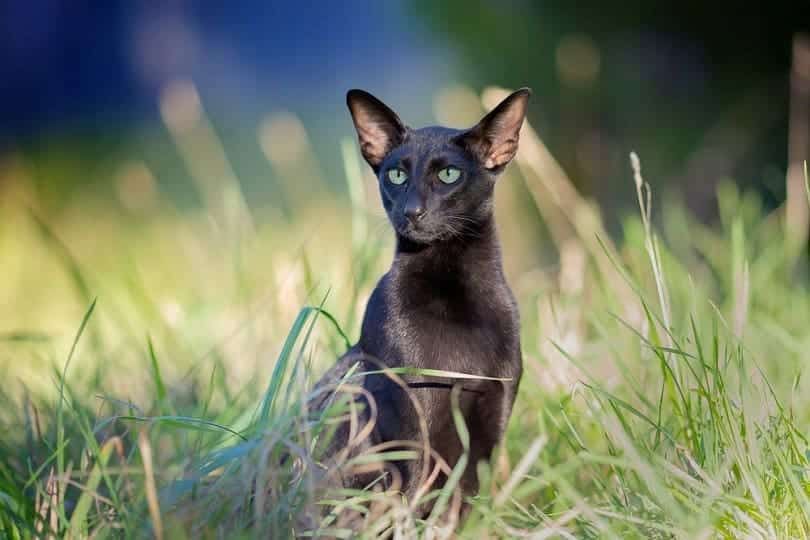
If you make sure your cat is always well-fed and has plenty of toys, it can be frustrating to find that they still want to hunt. Whether that’s catching something in your backyard or stalking the dog, most cats can’t help themselves. If you want to understand more about this behavior, you’re in the right place.

Why Do Cats Hunt?
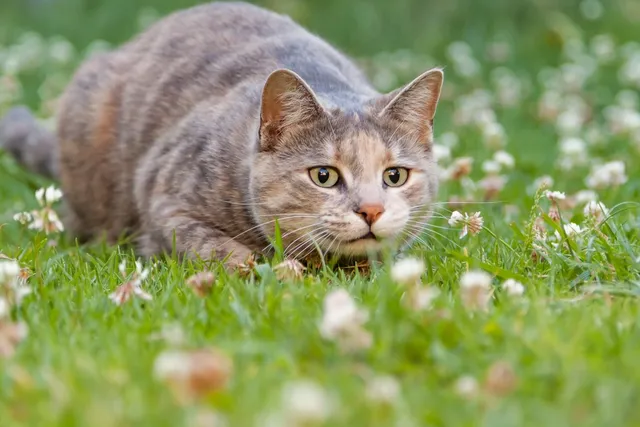
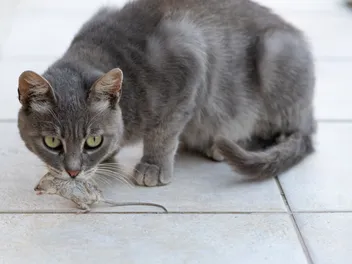
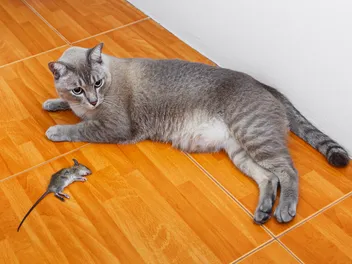
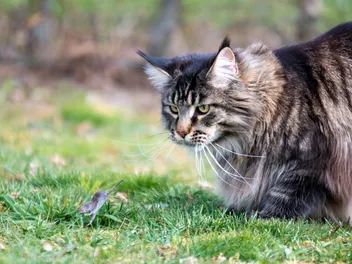
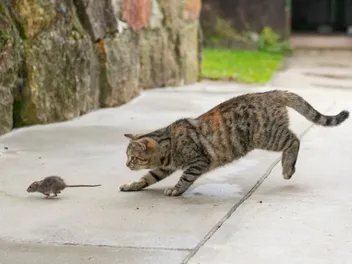
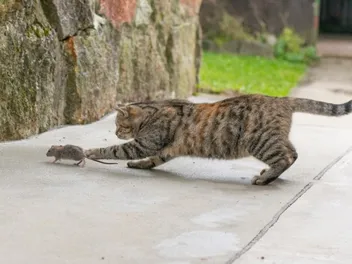
Put simply, hunting is an instinctive behavior for cats. It is one of the main reasons that cats were domesticated in the first place. The best hunting cats were prized for their ability to keep settlements free from vermin, and these cats form the basis of our domestic cat breeds.
Kittens are born already knowing how to hunt instinctively, and you’ll see them practicing their skills on each other! Their mother cats may also help kittens hone their skills.
While you might want to ensure that your cat can’t catch real prey, as owners of tiny tigers, we need to be realistic about the fact that hunting-type behavior is an instinctive behavior for cats. It’s something that keeps them feeling content and satisfied, so we shouldn’t expect them to not chase and hunt. However, we can ensure that they do not harm local fauna while they do so.

Why Does My Cat Hunt Even When I Give Them Plenty of Food?
It might seem odd that some cats still love to hunt even though there’s food available for them, but for cats, hunting isn’t just about finding something to eat.
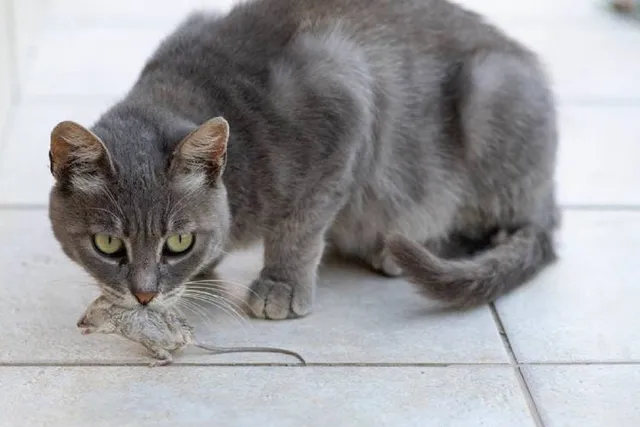
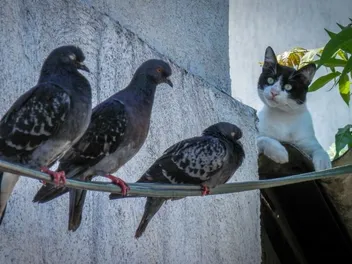
Research has found that hunting behavior generally boils down to cats honing their natural instincts. Felines are also opportunistic hunters, and a cat that’s well-fed may still resort to hunting whenever the opportunity arises.
Can I Stop My Cat Hunting?
The easiest way to stop your cat hunting is to keep them inside. Besides protecting the local wildlife, this can be safer for your cat too. Indoor cats have a higher life expectancy than outdoor cats.
If you still want your cat to spend time outside, it’s best to offer them a catio, which is a safe, enclosed area where they can enjoy the outdoors while being unable to harm local fauna (or get injured themselves). If your cat is leash trained, you can take them for a walk with a harness and leash.
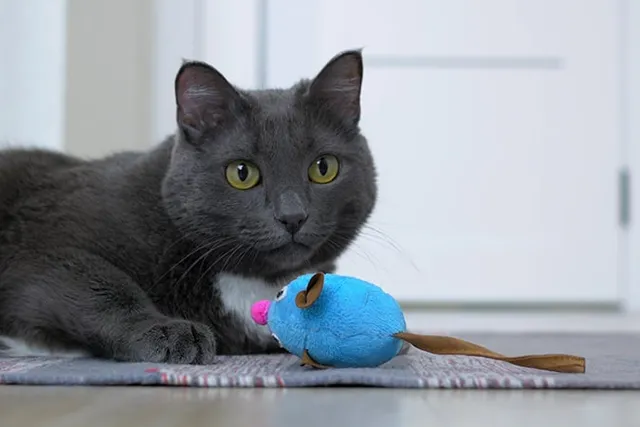
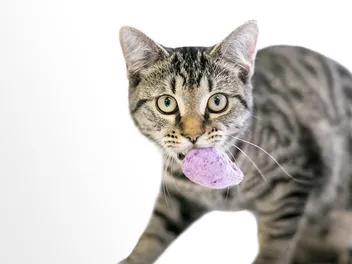
Even if your cat does live indoors, you’ll still see them indulging in hunting behavior. Maybe they chase their toys down the hallway or pounce out at you from behind the door. Remember that hunting is an innate behavior for your cat, so rather than try to stop your cat from doing it at all, think about ways that you can allow them to pretend to hunt within the safety of your home.
One of the most effective ways of reducing a cat’s hunting behavior is to play with them more. A bored cat may look for ways to entertain themselves, and if they don’t have much in the way of enrichment, hunting will often be the first activity that they indulge in. Toys on a fishing rod are often the most effective at encouraging your cat to hunt and play. These allow your cat to stalk, chase, and pounce, just like they would during a real hunt. Even 5–10 minutes per day is enough to help stave off boredom. Interestingly, what humans perceive as cats “playing” is them practicing their hunting.
For most pet cats, hunger isn’t an impetus to hunt, as they’re often fed adequately. However, it is still best to ensure that your cat is being fed a high-quality, species-appropriate diet. This way, there aren’t any nutritional deficiencies that may be negatively impacting their health and forcing them to hunt for food, not fun.
Cats can be taken outdoors for safe walks via a leash, which enables them to explore their environment without harming the animals that live there.
Environmental Enrichment
Besides playing with your cat, make sure they have plenty of environmental enrichment to stave off boredom. You can include things like:
Conclusion
Cats can’t help wanting to hunt, but by adjusting the way that we care for our furry friends, we can reduce the amount of actual prey that they bring home. Make sure you’re offering your cat plenty of opportunities to play and feeding them a high-quality diet. Encourage your cat to hunt their toys, and ensure that you don’t let them outdoors unattended, in order to protect the small animals and birds outside.
Related Reads:
Featured Image Credit: jojosmb, Shutterstock
Expert cat care, straight to your inbox
News, insights, and useful advice, delivered to you.

No spam — unsubscribe anytime.
By signing up, you agree to our Terms & Conditions and Privacy & Cookies Policy.
How useful was this post?
Click a star to rate. You can leave written feedback afterwards. (We read all feedback.)
Emma is a freelance writer, specializing in writing about pets, outdoor pursuits, and the environment. Originally from the UK, she has lived in Costa Rica and New Zealand before moving to a smallholding in Spain with her husband, their 4-year-old daughter, and their dogs, cats, horses, and poultry. When she's not writing, Emma can be found taking her dogs for walks in the rolling fields around their home...and usually, at least some of the cats come along, too! Emma is passionate about rescuing animals and providing them with a new life after being abandoned or abused. As well as their own four rescue dogs, she also fosters dogs for re-homing, providing them with love and training while searching for their forever homes.