What Does the Bird Flu Pet Food Recall Mean For You & Your Cat?
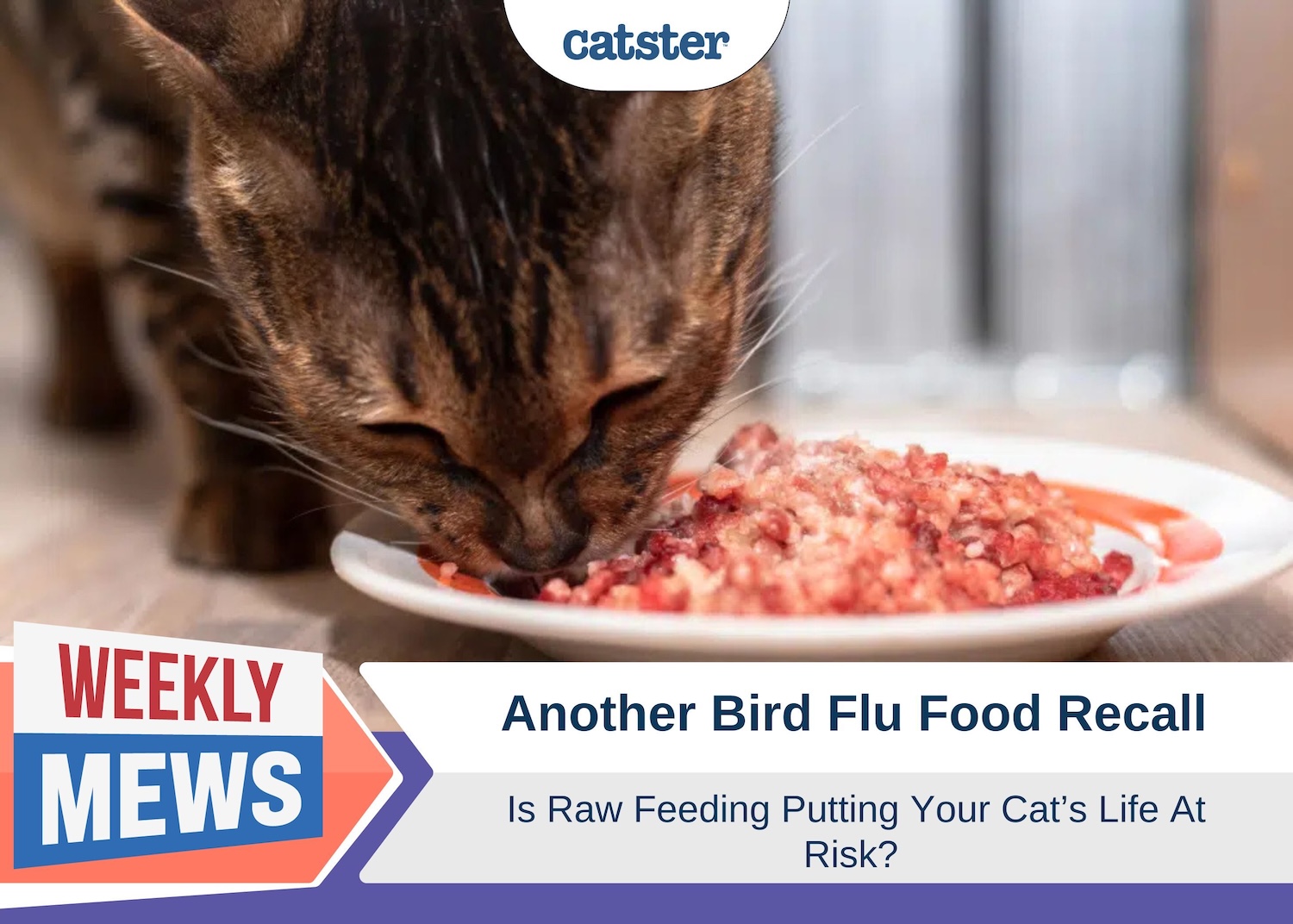
You may have heard about the sad death of at least one cat after eating raw frozen cat food contaminated with the H5N1 virus. While a single fatality might not exactly have you quaking in your boots, it was enough to convince several pet food companies to test their products and issue voluntary recalls. Recalling products can be an extremely costly venture for any company, and not an action taken lightly, so how worried do pet owners need to be?
The Facts About Bird Flu
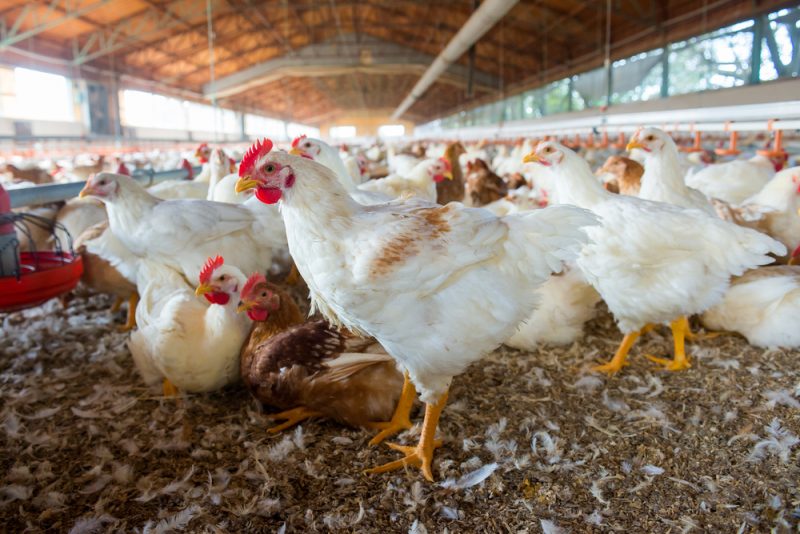
Avian influenza, commonly referred to as ‘bird flu’ or H5N1, is a highly pathogenic form of influenza virus that is devastating to the poultry industry.1 Historically, we have seen the disease spread from bird to bird and occasionally from bird to mammal, including humans, cats, and cattle, but during the most recent outbreak, there have been cases of virus transmission between mammals.2 Why is this a concern? Well, it suggests that this virus is continuing to change and evolve, which could have devastating results.
H5N1 is almost always fatal in birds, which can have a devastating impact on wild bird populations. Additionally, mandatory cullings in poultry farms are often implemented in an attempt to contain the spread of the virus. In cattle, signs of infection are usually mild, with milk production most significantly affected. Humans, who can contract bird flu through direct contact with infected birds or mammals, tend to suffer mild flu-like symptoms of fever, headache, and coughing, with occasional vomiting and diarrhea as well. Over the past 12 months, there have been less than 70 confirmed human cases of H5N1 in the US, with only a single fatality. However, it is how the virus affects cats that is keeping plenty of pet owners up at night.
Cats, Dogs, and Bird Flu
The fact that cats can be infected with avian influenza is not new information, and the majority of cases are seen in farm cats or strays that have caught and eaten wild birds or ingested unpasteurized milk. In fact, sick barn cats have often been used as an early indicator to dairy farmers that bird flu may be in the herd. Unlike in humans and cattle, bird flu is often fatal in cats, with clinical signs including fever, lethargy, reddened or inflamed eyes, discharge from the eyes and nose, difficulty breathing, neurologic signs, like tremors, seizures, incoordination, or blindness.
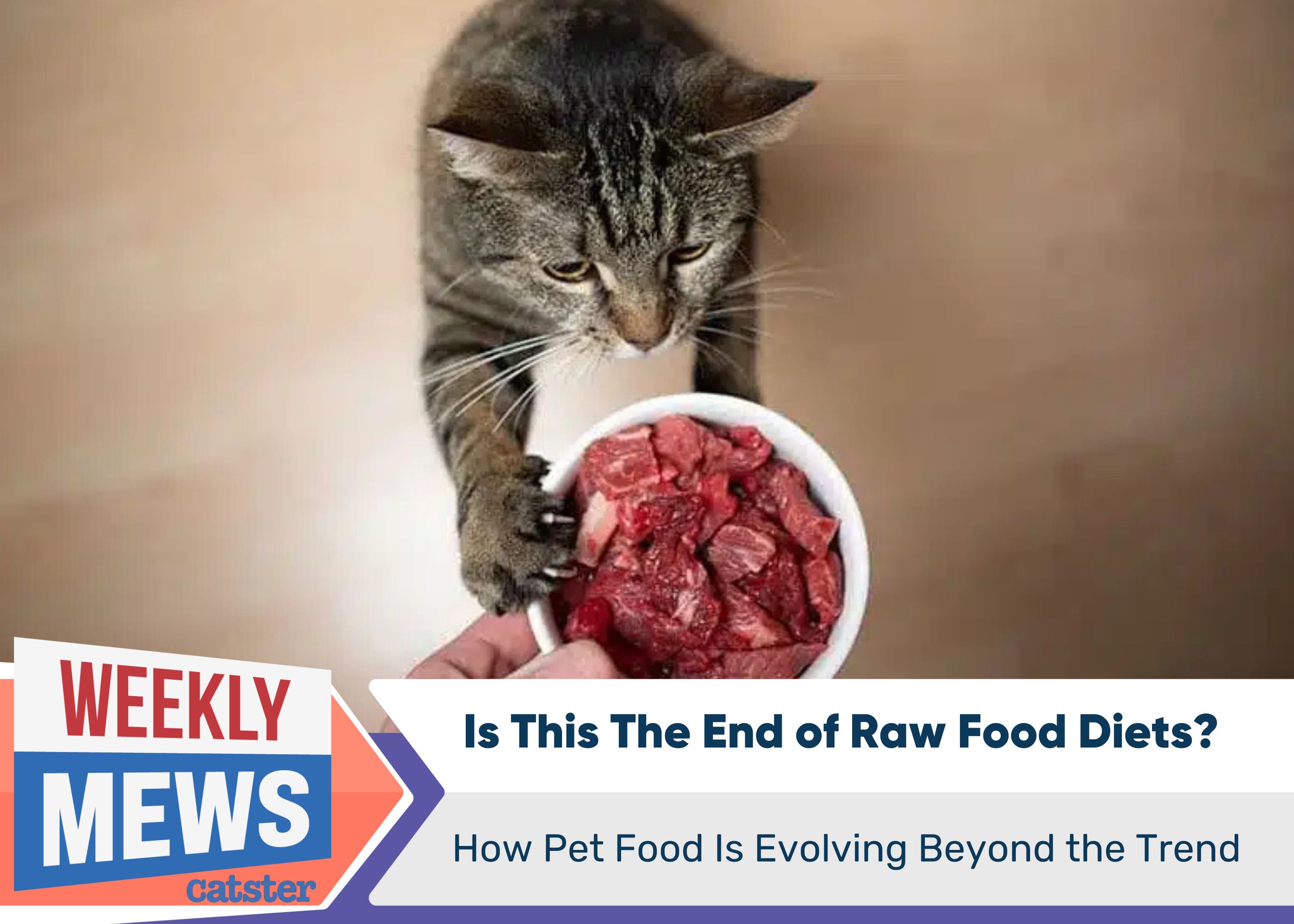
The recent death of a house cat in Washington County has led to widespread testing by pet food companies, with some issuing recalls for certain poultry-based products. While supporters of raw pet food insist that there is no need for alarm, the case does highlight one of the most glaring problems with the raw-feeding trend: pathogen risk.
Although a raw diet has been shown to provide many health benefits to pets, the risk of bacterial, and now viral, contamination is a hazard that can be alleviated with some gentle cooking. There are now a large number of companies creating fresh-frozen meals as a safer alternative to raw, optimizing the nutritional benefits while minimizing the risk of pathogens.
To date, although dogs are able to become infected with bird flu, the only cases found – either through natural or experimental exposure – have been asymptomatic. That’s good news for the dogs, but not so good for the spread of the virus.
The big worry for cats is that we now know that they can become infected with bird flu from direct contact with infected animals, by consuming birds or unpasteurized milk, and through the consumption of contaminated raw meat. Coupled with the fact that this virus is particularly virulent in cats, pet owners are right to be concerned.
How Can I Protect My Cat from Bird Flu?
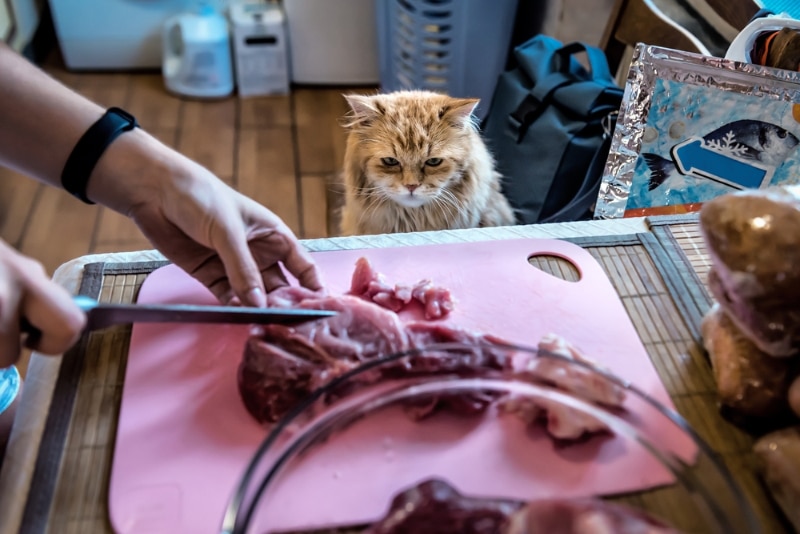
The first thing to know is that statistically, the risk of bird flu infection for your cat is very low, but that doesn’t mean you shouldn’t stay vigilant. The chances that your cat will come into direct contact with an infected animal are extremely low, but if your cat is fed a raw meat diet, particularly one that contains poultry, you may want to rethink their food choice.
The FDA issued the following advice to pet owners:
“H5N1 can be deadly to cats, as well as dogs, so we encourage consumers to carefully consider the risk of this emerging pathogen before feeding their pets uncooked meat or an uncooked pet food product. Both the Centers for Disease Control and Prevention and the American Veterinary Medical Association discourage the feeding of uncooked meat diets to companion animals due to the potential presence of pathogens, including H5N1. Heat treatments have been shown to be effective for inactivating H5N1 in meat, milk, and egg products. We recommend that consumers follow the USDA guidelines for handling and thorough cooking of raw meat before feeding. Animals should also be kept from hunting and consuming wild birds.”
The Take Home Message
Although the risk of bird flu to your cat remains extremely low, the effects of the virus are severe, so it is important to stay up to date with information about this outbreak and how it may affect your pets. There are some simple ways to keep your cat’s risk even lower, and one of those is to ensure you are only feeding food that has undergone some form of heat treatment. If you do use a raw food diet, we would recommend getting in touch with the supplier to make sure they are screening for H5N1, and consider cooking meat products before feeding them to your pet – just remember to remove bones from chicken!
Keep your kitty indoors, or if that isn’t an option, make some changes to reduce their hunting success. To make sure you stay in the loop, subscribe to Catster.com, and if you suspect that your pet has been infected or exposed to avian flu, it is important that you contact your veterinarian immediately for advice and follow the guidelines set out by the CDC.
Did You Know?
- Our breaking news articles are featured in our weekly emails. Don't miss out on the latest and sign up for our newsletter below!

Expert cat care, straight to your inbox
Vet-reviewed advice, behavior tips, and the best of Catster. Free, and you can unsubscribe anytime.
By signing up, you agree to our Terms & Conditions and Privacy & Cookies Policy.
Dr. Karyn Kanowski BVSc MRCVS (Veterinarian)
Dr. Karyn comes from Queensland, Australia, and has lived in the UK for the past 10 years. In 2010, she graduated from The University of Queensland School of Veterinary Science and also has a Bachelor’s degree in Zoology. She is passionate about using evidence, experience, and owner collaboration to provide the best solutions for pets, and believes in making reliable information about animal health accessible to all. Dr. Karyn shares her home with five cats, four dogs, and one husband. When she is not in the scrubs, she spends her time writing, gardening, and cleaning up pet hair!
Join the conversation
Ask a question, share your story, or send private feedback.