Get

In Your Inbox

Catster is reader-supported. When you buy via links on our site, we may earn an affiliate commission at no cost to you. Learn more.

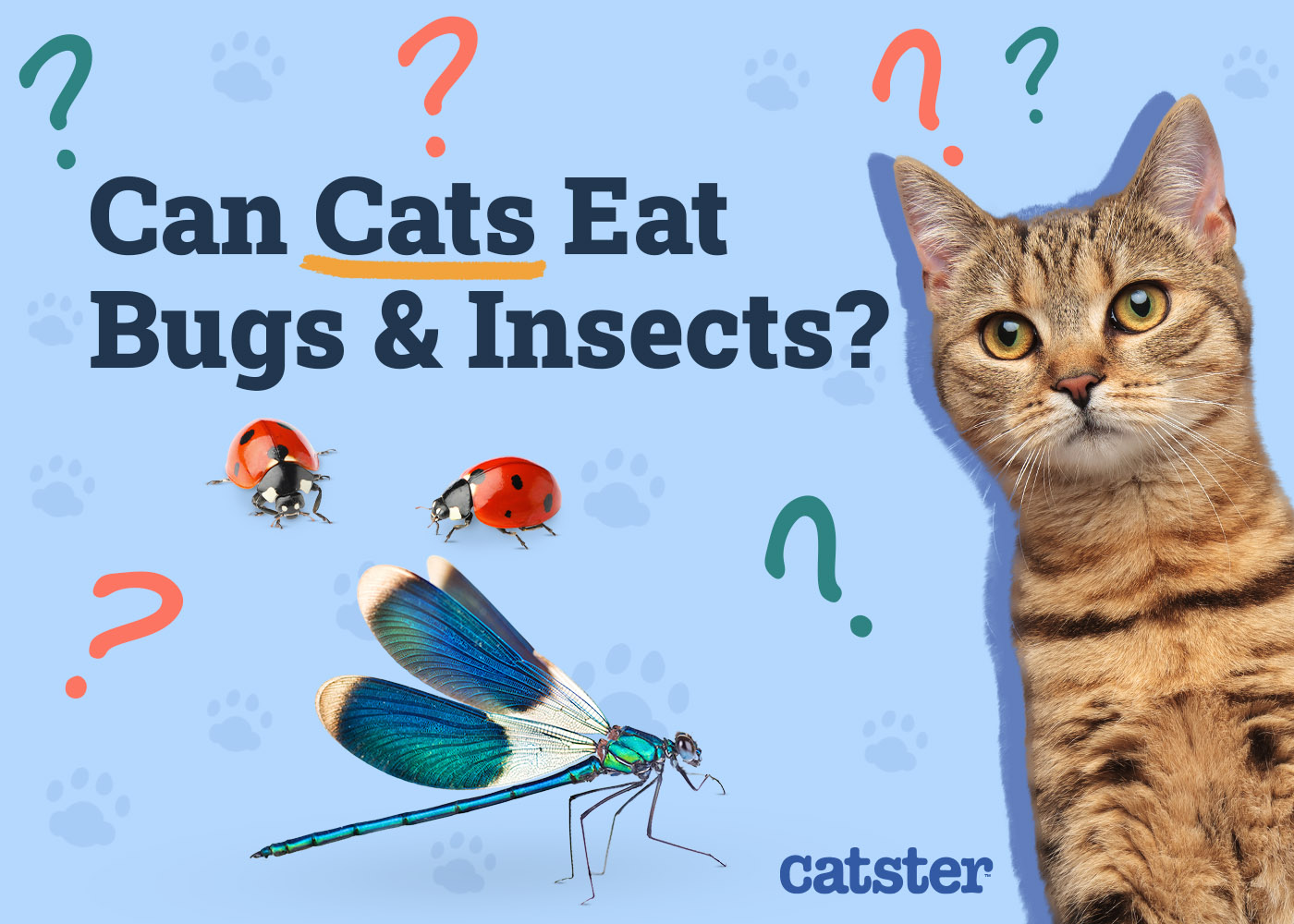
Can Cats Eat Dragonflies? Vet Approved Facts & FAQ


Share

Can Cats Eat Dragonflies

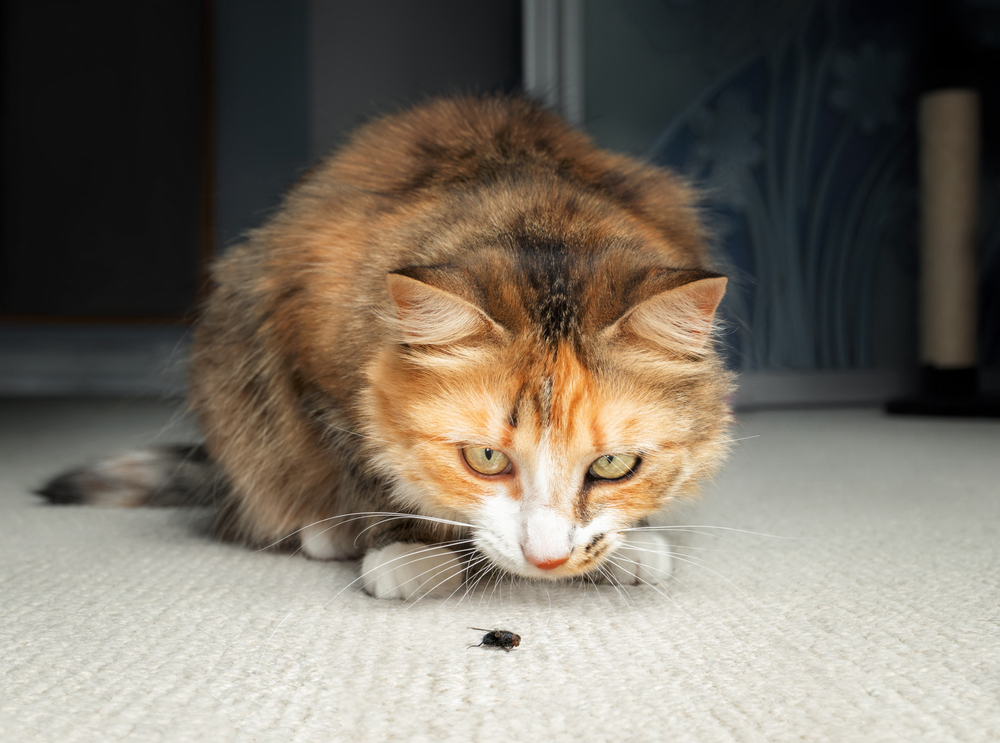
Cats love to chase things, especially things that fly quickly. It is one reason why so many birds die due to domestic cats every year (which can actually become a serious problem in some areas). Dragonflies are another animal that is often the victim of a cat’s playful personality. In fact, many cats may decide to chase and eat dragonflies.

Luckily, there isn’t much of a problem with cats consuming dragonflies. While these bugs don’t have much nutritional content and aren’t going to do much for your feline, they aren’t particularly risky for your cat to eat, either.

There is no reason to prevent your cat from eating a dragonfly. They aren’t common carriers of any parasites that may threaten your cat. They also aren’t toxic. Therefore, they’re completely safe for your feline to eat.

divider 3 paws

Are Dragonflies Poisonous for Cats to Eat?

Dragonflies do not create any toxins. Therefore, cats can eat them without any troublesome consequences. Humans could eat them too if you really wanted to. This counts dragonfly nymphs, as well, which live underwater.

Of course, catching these bugs is often a challenge. Dragonflies move very quickly, so it is challenging for cats to catch them. This game is often the most fun, though. Most cats hunt dragonflies because it is fun, not necessarily because they want to eat them. However, if they catch one, many cats will eat them.

Dragonflies are brightly colored but this has more to do with finding a mate than it does with toxin production. It is true that many toxic bugs are brightly colored, but the dragonfly does not fall into this category.

Do Dragonflies Carry Diseases?

Polydactyl orange tabby cat walking outdoor
Image by: Jenny Margarette, Shutterstock

While just about anything can technically carry some diseases, dragonflies are not particularly known for their ability to carry diseases. In fact, these bugs are pretty much harmless. They don’t spread illnesses, sting, or feed on crops. Therefore, they can be a rather helpful bug to keep around.

Your cat likely enjoys chasing dragonflies because they are large and easier to catch than many other bugs. While dragonflies are extremely fast, a stalking cat may be able to strike one without much of a problem.

Luckily, because dragonflies don’t carry diseases, you don’t have to worry about your cat catching a disease from a dragonfly. In the end, this makes dragonflies one of the better options for cats to chase.

However, to reduce your cat’s impact on the biodiversity of your garden you can give them plenty of opportunities to play with you and toys instead of eating the wildlife.

Can a Dragonfly Hurt a Cat?

Of course, when the dragonfly gets caught by the cat, you may expect them to defend themselves. Despite their large size, though, dragonflies are pretty much harmless. They do not sting and cannot bite. Therefore, they cannot defend themselves against your cat. They also can’t harm you.

Some very large dragonflies can bite, but their mouths are so small that the odds of them breaking skin is low. Furthermore, if a dragonfly bites and then their target suddenly pulls back, the dragonfly’s head will get ripped off. Their jaws are very large, but their neck is not.

Therefore, dragonflies typically only bite as a last resort. After all, the odds of them killing the dragonfly are quite high. For the most part, these bugs only use their mandibles to eat prey items. They aren’t designed for self-defense purposes.

Get Free Cat Food Recall Alerts!

Have a cat? Stay on top of cat food recalls here


divider 2 cats

Conclusion

Dragonflies are not toxic to cats at all. They can’t harm cats in any way, except occasionally biting them. However, dragonflies cannot bite very hard, and this usually leads to their death. They only bite if they are being threatened and are likely to die, anyway.

Dragonflies do not carry toxins or diseases and they don’t have parasites that could be passed to your cat. Therefore, if you see your cat chasing and eating dragonflies, there is no reason to worry.

These bugs can be fun for cats to chase, as they are big, fast, and erratic. However, if your cat does manage to catch one, eating them should not be a problem.

Related Reads:

Want content like this delivered to you?

Sign Up For Our Newsletter

News, insights, expert advice, and everything cat

* By submitting, you agree to our Terms & Conditions and Privacy & Cookies Policy.


How useful was this post?

Click on a star to rate (you can leave written feedback after clicking submit)

Help us improve Catster for pet parents!

Your feedback really matters.

What did you like about this post? Also how can we improve it?

Join the conversation

Leave a Reply

You’re very welcome to leave a comment or question. Please know that all comments must meet our community guidelines, and your email address will NOT be published. Let’s have a positive and constructive conversation.


Catster's Digital Magazine is Back!

Vet-approved health & behavior advice

Real cat stories & community features

Chatting About the Rainbow Bridge, Euthanasia, and Laughter During Grief | Chatty Cattys, Episode 24

If you’ve ever felt the loss of a beloved cat, or are dreading the day when your pet crosses the rainbow bridge, you’ll...

The Simple Reasons Cats Refuse to Let Anyone Use the Bathroom Alone

Cats have an extraordinary talent for making themselves present in the most inconvenient places, and the bathroom ranks near the top of the...

A Paw-sitive Milestone: Canada Officially Becomes a Declaw-Free Nation

Canada has officially become a declaw-free nation. On May 25, 2026, a new regulation was filed in Ontario under the Provincial Animal Welfare...

The Surprisingly Simple Ways to Help a Cat With Hairballs

Cats spend an astonishing amount of time grooming. It is part hygiene routine, part comfort ritual, and part instinct that traces back generations....

More related

National Pet Hydration Awareness Month 2026: When & How to Celebrate It

Summers can be brutal, so staying hydrated is more important than ever. But while we can easily drink more water when it’s hot,...

Can a Cat Smell Human Hormones? Our Vet Explains the Science

A cat’s sense of smell is much better than ours. This can be attributed to the fact that cats are endowed with over...

Why Do Tabby Cats Have an “M” on Their Forehead? Myth Vs Genetics (Vet-Reviewed)

Tabby cats are known for their beautiful and unique coat patterns. One of the most distinctive markings on a tabby cat is an...

8 Amazing DIY Cat Onesies You Can Make Today (With Pictures)

There are many reasons why your cat may need a onesie. For one, onesies are a great way to keep cats from scratching...

Keep reading

7 Best Cat Shampoo in Canada in 2026 — Reviews & Top Picks

Are you thinking about giving your feline friend a makeover? Perhaps you’ve noticed that Fluffy has been leaving an unappealing smell around the house, or maybe your cat simply needs a good cleaning. Either way, you might be wondering what...

cat in bathtub

Can Cats Eat Popcorn? Vet-Reviewed Nutritional Facts & FAQ

If you’ve just sat down to watch your favorite movie with a big bowl of popcorn, what do you do if your cat comes over and starts trying to eat a few fallen kernels? Popcorn is a popular snack for...

Can Cats Eat Popcorn

Why Cats Pee on Furniture (And How to Make Them Stop)

Cats peeing on furniture isn’t a behavior problem. It’s a communication problem. Your cat can’t tell you their litter box hurts to use, or that the new dog is stressing them out, or that the box itself is too small...

White cat standing infront of his pee in the couch

Can Cats Eat Chives? Vet-Reviewed Facts & FAQ

Chives are pretty common in our human food. However, they are not suitable for our furry friends. Chives are toxic to cats and other similar seasonings like garlic, leeks, and onions. Chives belong to the Allium family, which is poisonous...

Can Cats Eat Chives

Are Begonias Poisonous to Cats? Vet-Verified Facts, Risks & Safety Guide

Begonias are flowering plants that many homeowners grow in their flowerbeds and in large pots due to their colorful blooms. If you’re a cat owner who loves begonia plants, you should know that begonias are poisonous to cats if consumed....

Catster_Are Begonias Poisonous to Cats

Do Cats Need Their Paw Fur Trimmed? Vet-Reviewed Tips, Facts & FAQs

Although cats typically do a very good job of grooming themselves, some do require a little help with trimming fur, and all cats need help with other care and maintenance requirements. One area that causes some debate between owners is...

close up paws of orange cat

11 Best Cat Litters in 2026 – Reviews & Top Picks

Cats are truly some of the most unique domesticated animals and are exceptionally clean. They’re always grooming themselves, avoiding dirty situations as much as possible, and taking extraordinary measures to keep their waste out of sight. Despite their best efforts,...

Litter tray and scoop for cat on floor

Why Do Cats Cry at Night? 8 Vet-Reviewed Reasons

Our cats are creatures of the night, so it’s no wonder you hear them howling their song into the echoing chambers of the house when all are sleeping. With as much as you’re getting used to the sound of a...

Ginger tabby young cat sitting on a wooden floor looks up, asks for food, meows

Love Cats? So Do We! Join the Catster Community

Stay informed with expert pet care insights delivered straight to your inbox! Discover professional guidance on animal behavior, feeding tips, trusted product picks, and much more.


Sign up for the Catster Email Newsletter

Stay informed with expert pet care insights delivered straight to your inbox! Discover professional guidance on animal behavior, feeding tips, trusted product picks, and much more.