Get

In Your Inbox

Catster is reader-supported. When you buy via links on our site, we may earn an affiliate commission at no cost to you. Learn more.

Can Cats Get Lyme Disease? Vet Approved Facts, Treatment & Prevention Tips


Share

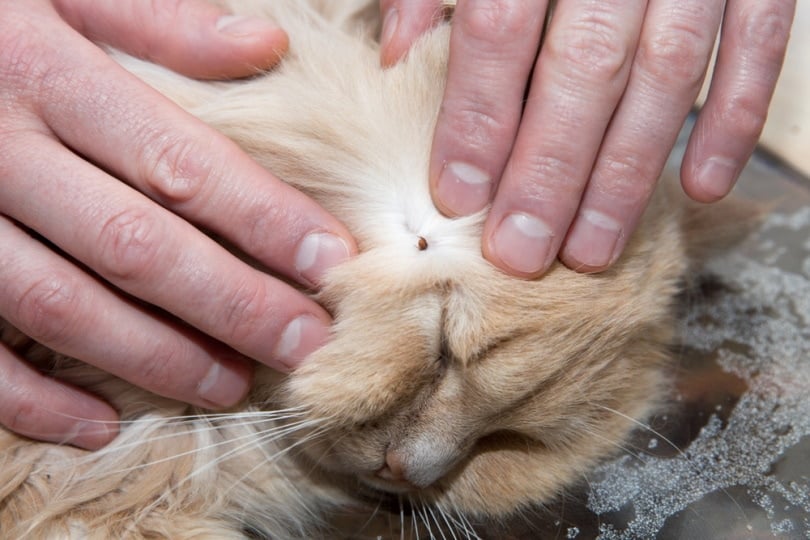
removed tick from cat

Owning a cat, especially one that enjoys roaming outdoors, comes with the concern of seasonal ticks. As a human, finding a tick firmly attached to your skin is concerning, and it evokes immediate worry about tick bite fever and Lyme disease. It is not much different for our cats, but you do not need to be overly concerned as a cat owner.

Even though the bacteria that causes Lyme disease can infect cats, the disease has never been seen in a cat outside of a laboratory setting. Lyme disease in cats is possible but very uncommon. However, it’s best to understand how the disease is transmitted and the signs of infection in your pets.

divider single cat paw oct 2024

How Do Ticks Give Cats Lyme Disease?

Some ticks, including the deer tick, carry the bacteria known as Borrelia burgdorferi, which causes Lyme disease and can affect humans and dogs but rarely cats. Ticks affect cats by biting them and spreading the parasite through their saliva, but some ticks at different stages of their life cycle are more likely to transmit Lyme disease to your cat.

The parasite will transmit the disease through saliva 24 to 48 hours after the tick is attached. The signs usually appear 2–5 months after the tick bites, but most cats don’t present any.

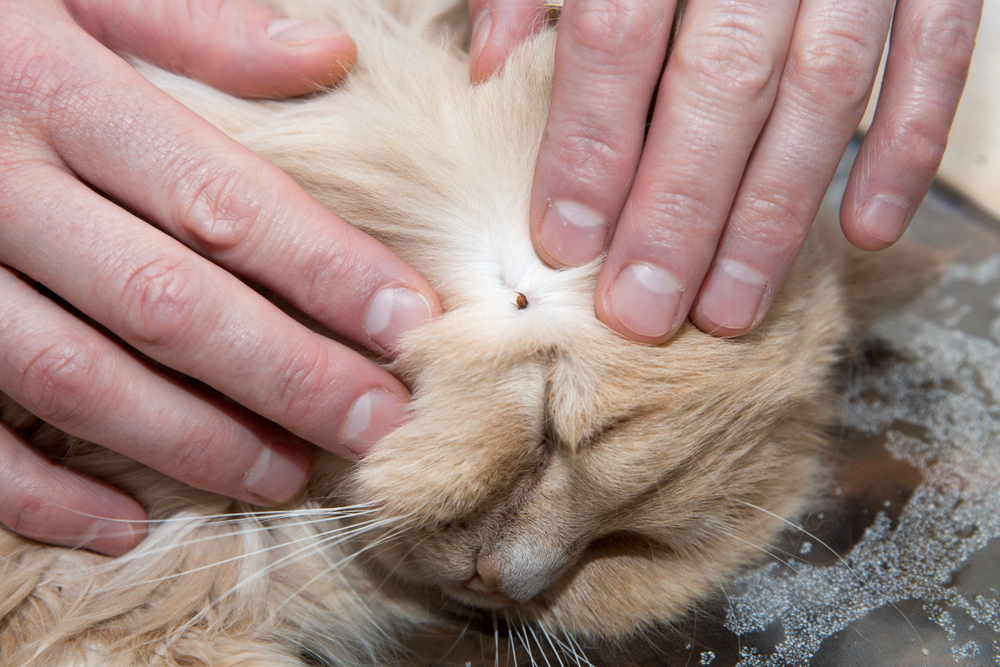
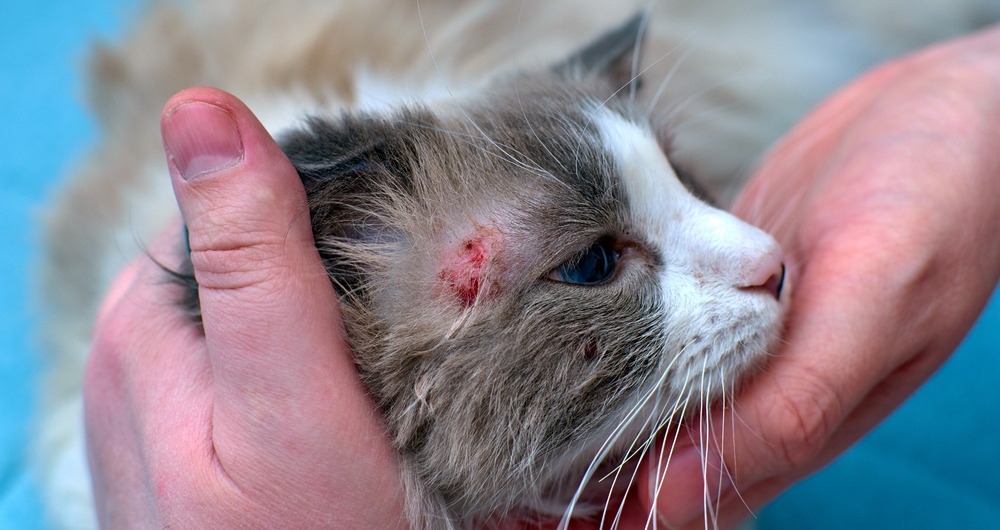
cat with tick
Image By: anastasiya parfenyuk, Shutterstock

Signs of Lyme Disease in Cats

Lyme disease signs in cats are uncommon. A bull’s eye-shaped ring around the bite is typical in humans but unusual in cats and dogs. If your cat has Lyme disease, the most common signs will include:

  • Fever
  • Lameness
  • Fatigue
  • Loss of appetite
  • Difficulty breathing

Animals with a more severe form of Lyme disease that affects their kidneys may display the following:

  • Excess swelling in the limbs
  • Weight Loss
  • Vomiting
  • Extreme lethargy
  • Frequent urination

How Is Lyme Disease Diagnosed?

Lyme disease is diagnosed primarily through the cat’s history, signs, lab tests, and the exclusion of other diseases with similar signs. Other conditions should be considered first because Lyme disease is uncommon in cats.

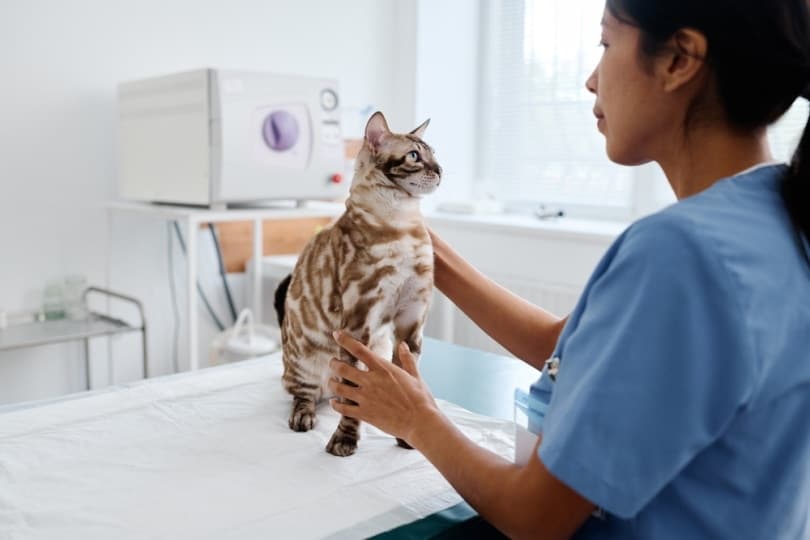
A simple, low-cost blood test can be used to screen for Lyme disease. To rule out or diagnose other conditions that may be causing similar signs, additional tests are used, and if a cat tests positive, more testing will be done to determine how severe the disease is.

Cats exposed to Lyme disease may not test positive for the condition for 2 to 8 weeks. If you find a tick on your cat, your vet can send it for testing to determine if it carries any diseases and can advise you on tests and treatments suitable for your cat.

veterinary-blood-test
Image Credit By: PRESSLAB, Shutterstock

Treatment for Lyme Disease in Cats

According to research, cats treated immediately for tick-borne diseases have a better chance of full recovery than cats treated later. Your veterinarian may recommend an antibiotic for your cat, but it may not suit all felines. They are typically prescribed for 30 days, but some cats require additional courses to prevent flare-ups. Animals usually feel better after one or two doses; even if they are feeling better, they must complete the entire duration of antibiotics.

If they do not improve quickly, other diagnoses should be considered. Some cats benefit from nonsteroidal anti-inflammatories or other pain relievers, and others may require IV fluid therapy, kidney medications, anti-nausea medications, and nutritional support if the cases are more severe.

How do I Keep My Cat Safe from Lyme Disease?

If you live in a tick-infested area, your cat is more vulnerable, and you should take extra precautions to avoid or reduce tick exposure. Tick repellents for cats are the most effective way to avoid and prevent Lyme disease. If your cat is outdoors often, check them regularly for ticks and remove them as soon as possible.

No vaccine is available to protect cats against Lyme disease because it is uncommon. The best prevention is to keep your cat tick-free, especially during the tick season.

There are a few ways you can keep your cat healthy and safe from ticks this tick season:
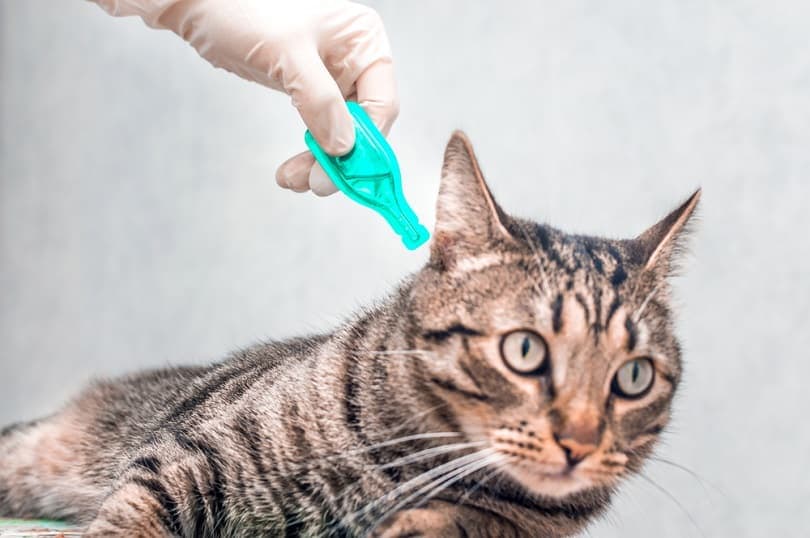
  • Using an over-the-counter spot-on medication to control ticks and fleas can be effective. They can repel parasites for up to a month.
  • Tick powders are an effective way to kill and repel ticks on your cat. During peak season, you must reapply the powder about once a week. Use small amounts and gently massage it into your cat’s skin, keeping it away from the face and eyes.
  • Dips can also kill ticks but are very strong and should not be used on kittens. A dip is a concentrated chemical that is mixed with water. It is poured onto your cat’s back, applied with a sponge, and then rinsed thoroughly.
  • Ticks are generally killed on contact when your cat is bathed with a shampoo containing medicated ingredients. You will need to clean your cat’s fur more often, which can deplete natural oils, and this method won’t be suitable for all cats.
  • Tick-repellent collars are another option, though they are primarily used for protecting the neck and head from ticks. The collar must contact the skin but shouldn’t be too tight and must never include the chemical Amitraz.
  • Tick spray kills ticks quickly and offers long-term protection. Sprays can be used in between shampoos and dips, and they are especially useful if your cat spends time outdoors
  • Trimming your lawn will reduce the number of fleas and ticks in your yard. The most effective way to keep your cat safe from ticks is to keep them from roaming through wooded areas where ticks are abundant.

Ask your vet about the best options for flea prevention.

If you need to speak with a vet but can't get to one, head over to PangoVet. It's an online service where you can talk to a vet online and get the advice you need for your pet — all at an affordable price!

PangoVet_Mention-in-Content for PangoVet2 save money

divider cat paw scratch oct 2024

Conclusion

Cats are capable of contracting Lyme disease, but it is rare. It is so rare that a vaccine hasn’t been developed for it yet. While Lyme disease is not a big concern, it is crucial to be aware of tick-borne bacterial disease if your cat comes into contact with the arachnids. Prevention is better than the cure, and if you can keep ticks from feasting on your cat this summer, you won’t have to worry about Lyme disease or other tick-borne diseases.

Sources
  • https://www.petmd.com/cat/conditions/infectious-parasitic/c_ct_lyme_disease
  • https://pets.webmd.com/cats/what-to-know-about-lyme-disease-in-cats#1

Featured Image Credit: Ivan Popovych, Shutterstock

Want content like this delivered to you?

Sign Up For Our Newsletter

News, insights, expert advice, and everything cat

* By submitting, you agree to our Terms & Conditions and Privacy & Cookies Policy.


How useful was this post?

Click on a star to rate (you can leave written feedback after clicking submit)

Help us improve Catster for pet parents!

Your feedback really matters.

What did you like about this post? Also how can we improve it?

Join the conversation

Leave a Reply

You’re very welcome to leave a comment or question. Please know that all comments must meet our community guidelines, and your email address will NOT be published. Let’s have a positive and constructive conversation.


Catster's Digital Magazine is Back!

Vet-approved health & behavior advice

Real cat stories & community features

Chatting About the Rainbow Bridge, Euthanasia, and Laughter During Grief | Chatty Cattys, Episode 24

If you’ve ever felt the loss of a beloved cat, or are dreading the day when your pet crosses the rainbow bridge, you’ll...

The Simple Reasons Cats Refuse to Let Anyone Use the Bathroom Alone

Cats have an extraordinary talent for making themselves present in the most inconvenient places, and the bathroom ranks near the top of the...

A Paw-sitive Milestone: Canada Officially Becomes a Declaw-Free Nation

Canada has officially become a declaw-free nation. On May 25, 2026, a new regulation was filed in Ontario under the Provincial Animal Welfare...

The Surprisingly Simple Ways to Help a Cat With Hairballs

Cats spend an astonishing amount of time grooming. It is part hygiene routine, part comfort ritual, and part instinct that traces back generations....

More related

Are Morning Glories Toxic to Cats? Vet-Reviewed Houseplants Examined

With its trumpet-shaped flowers, showy leaves, and appealing fragrance, it’s no wonder that the morning glory plant is so popular among gardeners and...

Evolve Cat Food Review of 2026 : Recalls, Pros & Cons

Review Summary Crafted with premium, whole-food ingredients, Evolve cat food contains exactly the nutrition your feline needs to stay in peak health. It’s...

Cats & Stalking: Why Do They Do It? 4 Vet-Reviewed Reasons

It’s happened to all cat parents—you’re walking through the house, minding your own business, when you notice your kitty is stalking you intently...

Can Cats Eat Zucchini? Vet Explained Nutrition & FAQ

If your cat has started developing an interest in what you cook, you may be wondering if the crispy and crunchy zucchini would...

Keep reading

9 Best Vitamins for Cats in 2026 – Reviews & Top Picks

Sometimes cats need extra vitamins, just like people do. However, muddling through the vast array of different supplements and health claims online can be a chore. How can you tell that you are getting a safe and effective product? That...

pet owner feeding blue maine coon cat with treats outdoors in garden

Turkish Angora Cat Grooming – 8 Vet Approved Tips and Tricks

The Turkish Angora is an intelligent cat that also happens to be gorgeous. They originally came from the Ankara region of Turkey centuries ago. In fact, they almost went extinct at one point but made a comeback thanks to the...

turkish-angora-cat-in-the-garden

Why Are Tabby Cats So Vocal? 10 Vet Reviewed Reasons

Figuring out why your cat is meowing is a process of elimination. They meow to communicate with you, and your job is to figure out what they’re trying to tell you by seeing to all their needs and making sure...

cute orange tabby cat

My Cat Is Aggressive Toward Guests: 5 Reasons Why and How to Stop It (Vet-Reviewed)

Cats are often reluctant to interact with visitors. Some hang back and monitor their environments until they become comfortable enough to join the activities. Others make themselves scarce and stay hidden until the coast is clear. Some cats also react...

Aggresive cat scratching a man

How to Stop Your Cat From Chewing on Electric Cords: 10 Vet-Approved Ways

If your cat chews on wires whenever you turn around, you need to do something about it. Not only is it damaging the wires and creating a safety hazard for your home, but it’s dangerous for your cat too! We...

cat-biting-wires

Can I Use Dove Soap On My Cat? Useful Tips & Alternatives

Fortunately for us, cats are pretty good at keeping themselves clean. However, our mischievous cats can find themselves in places where they get a lot dirtier than they can handle. If they get something toxic over their coat, such as...

dove soap

How Long Does It Take a Domestic Cat to Go Feral? Vet-Reviewed Facts

If you’ve ever had a pet cat that’s gotten lost or stolen, you may wonder what became of them. Did they find a community of other cats and become feral? Are they living happily with another family somewhere? While we...

feral cat with ear tip clipped

6 Best Fresh Cat Food Delivery Services in the UK in 2026 – Reviews & Top Picks

Most cat foods on supermarket shelves, whether they are dry or wet, tend to be processed and can contain artificial and less-than-ideal ingredients. But preparing fresh food every day for your cat, ensuring that you handle raw ingredients safely, and...

black and white cat eating food from a stainless bowl

Love Cats? So Do We! Join the Catster Community

Stay informed with expert pet care insights delivered straight to your inbox! Discover professional guidance on animal behavior, feeding tips, trusted product picks, and much more.


Sign up for the Catster Email Newsletter

Stay informed with expert pet care insights delivered straight to your inbox! Discover professional guidance on animal behavior, feeding tips, trusted product picks, and much more.