Can Cats Get Concussions? (Vet Answer)

In this article
Concussions are a form of injury to the brain, caused by trauma (such as a fall), or getting hit by a car. A concussion occurs when the trauma includes a blunt force directed to the head.
Cats certainly can get concussions—whether through rough play, falling off stairs or from a tree, missing a jump, or getting struck by a car. They are a species that is prone to getting into trouble!
In species that can talk, such as humans, concussions can be a challenging diagnosis to make. That becomes even more difficult when a cat has a concussion—as not only can they not tell you something is wrong, but they are also really good at hiding illness. Add to that how often they go off on their adventures, when they can experience physical trauma with no one the wiser!
For these reasons, many cats likely recover from a concussion without anyone even knowing it happened. Nonetheless, these tips about concussions in cats will help you to know what to look for if you think your cat may have a concussion and will help guide you on what to do.

Common Concussion Causes in Cats
Concussions can be caused by (but not limited to) the following:
Signs Your Cat May Have a Concussion

Detecting signs can be the difficult part, as cats are great at hiding illness. A sign of concussion may simply be that your cat is not acting like their usual self—such as hiding or sleeping more.
More obvious signs can include:
How to Do a Quick Check for a Concussion at Home
Here are some quick tips on easy things to check for with your cat, that will help you provide more accurate information to the vet, which can be very helpful in determining how urgently your cat needs to be seen.
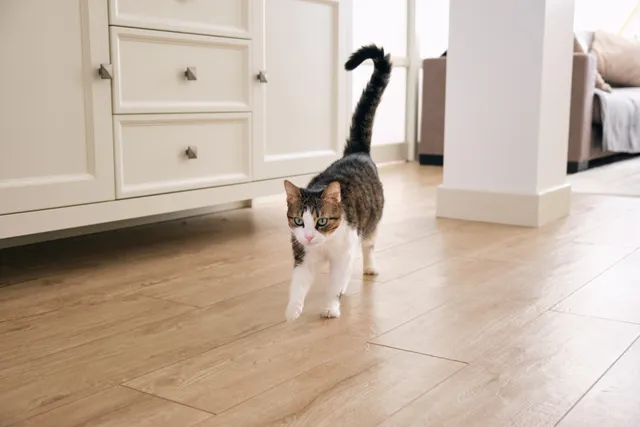
- Watch your cat walk. Is it normal? Or are they stumbling and/or falling over? Do they show any other difficulties in walking?
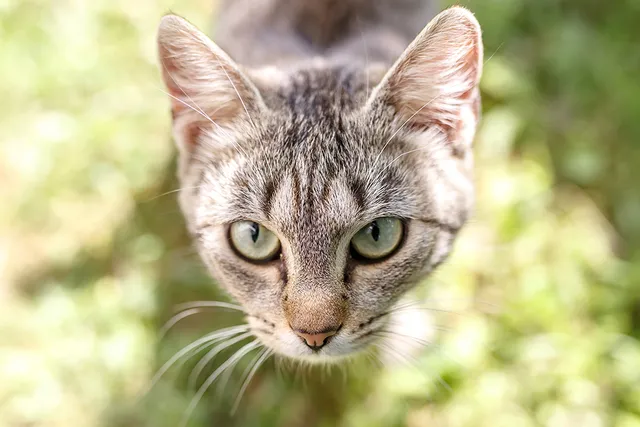
- Look at your cat head-on. Check for symmetry of their facial features—ears, eyelids, whiskers. Are their pupils both the same size and shape? If changes are present, this could indicate head or facial trauma.
- Especially check their eyes and pupils for any movement. Is there any new movement in the pupils, especially back and forth or up and down? There should be no movement in their eyes or pupils—the only exception being if your cat was born with a condition called nystagmus (common in Siamese cats).
- Look inside both ears and the mouth. Check for bleeding, bruising, or broken teeth—all of which could also indicate head trauma.
- Check their claws on all four feet. Scuffed or torn nails may indicate recent trauma.
What to Do if You Think Your Cat May Have a Concussion

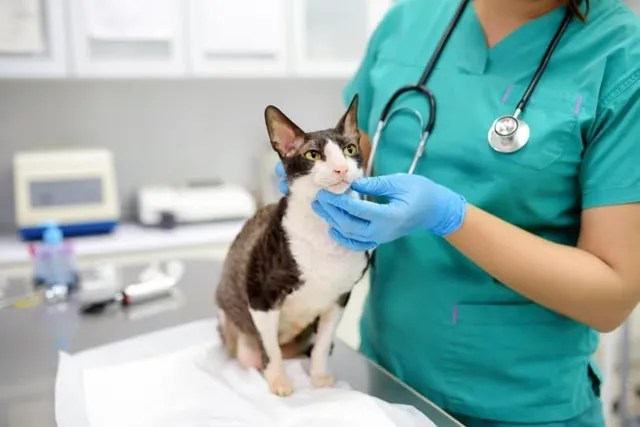
If you think your cat may have a concussion, your cat should be seen by a vet for a full physical exam. If the vet is not open, your cat should probably be seen at an emergency clinic. Start by calling and letting the clinic know what you suspect, and why. They can then advise you about the next steps to take before bringing your cat in.
Your Cat May Look Normal, But Healing Still Takes Time
If you see your cat involved in any event that might lead to a concussion, definitely contact a vet. Do a quick once-over of your cat, paying especially close attention to the checklist items above. Let the vet know what you find.
If, in the rare case, you are instructed to watch your cat at home, continue to check on them every hour or so, for the first few hours after the event. Brain injuries can have a delay from the time the actual trauma occurred, so the changes might take up to a day to develop.
Similarly, if your cat is recovering from a concussion, don’t assume everything is normal just because they look ok! Brain trauma and concussions can take weeks to fully recover from. So give your cat time, keep a close eye on them, and promptly report any concerns to avet.
Can You Concussion Proof Your Home?
It would be pretty hard to remove all chances of your cat developing a concussion at home. Cats are great athletes, or they are at least great at getting into some tough situations (maybe the athlete part is a bit of a stretch for some cats!). So, it’s not practical to expect that a house could be completely “cat-proofed”.
However, you can consider limiting access to areas with high furniture that your cat might fall off of, or to stairs, especially when no one is home. Similarly, keeping cats inside, especially at night, reduces their risk of being struck by a passing car, or fighting with another animal outside.
Other Things to Know
Other neurological issues in cats can have some overlapping signs. For instance, high blood pressure can cause neurological issues, as can brain infections, ear infections, and spinal cord injuries. These may all present with similar signs as a concussion, as well as with far more obvious signs than a typical concussion.
Generally, there is no treatment prescribed at home to help with a concussion. It is truly time that is needed. However, there can be secondary issues, such as swelling of the brain, that can occur after a concussion happens that may require medication at home or even temporary hospitalization.
Many cats will fully recover from a concussion. However, more serious trauma can take longer, or may not allow for full recovery.
Conclusion
So, yes, while cats can get concussions, they can be tricky to spot. Learn to check your cat over when they are normal, and it will make spotting abnormal changes to their face and eyes easier when you suspect something isn’t right. Remember, your instinct is very important. So if you feel something isn’t right with your cat, never hesitate to reach out to your vet and ask the question!
Featured Image Credit: JoannaReichert, Pixabay
Expert cat care, straight to your inbox
News, insights, and useful advice, delivered to you.

No spam — unsubscribe anytime.
By signing up, you agree to our Terms & Conditions and Privacy & Cookies Policy.
How useful was this post?
Click a star to rate. You can leave written feedback afterwards. (We read all feedback.)
Dr. Lauren Demos DVM (Veterinarian)
As a veterinarian, Lauren is eager to share her experience in emergency medicine and cats, with our readers. She loves sharing helpful, real life tips for having cats as part of your life, and what to do in critical situations with your pets.
Lauren is a vet with over a ten years of experience in cats and dogs, along with infectious diseases. She enjoys teaching, and lectures for students, pet owners, and clinicians, on various topics.
Lauren received her degrees from Murdoch University, in Perth.