Why Doesn't My Cat Like Me Anymore? Vet-Verified Tips to Fix It


In this article
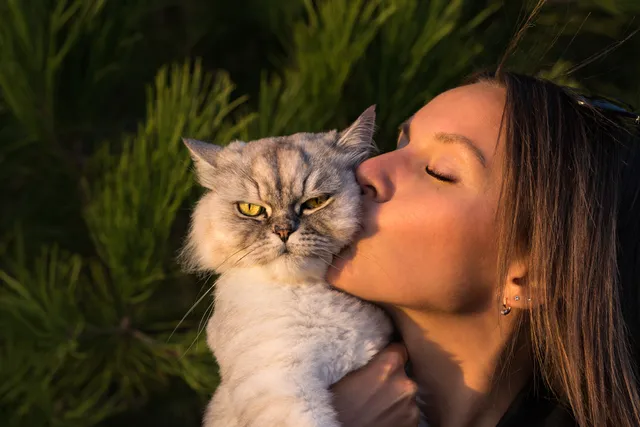
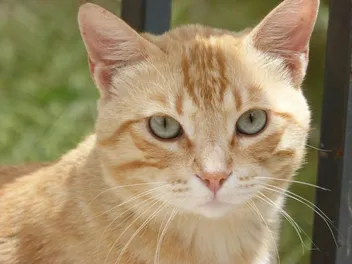
Have you ever caught yourself wondering “Why doesn’t my cat like me anymore?” We all know that our beloved felines can sometimes behave in a way we would call “moody”, but is their newfound dislike actually based on what you think it is?
If it’s looking like your cat doesn’t like you all of a sudden, you're probably scrambling to find a solution, but the answer is not always so clear and varies from pet to pet. Sometimes, it can seem like they dislike someone, but it's simply their personality. Each cat is an individual with their own quirks and preferences and as such, you shouldn’t look at your pet through the lens of a human moral compass. That said, here are a few explanations that might make things a bit clearer.

What's Really Going On With Your Cat?
Chances are that your cat's new mood didn't start without reason—something triggered the response. Honestly, it's probably not that they don't like you anymore. It could be an external cause that they are projecting onto your relationship.
Even though it might feel like they're vindictive or stubborn, it could be something that they can't help. It's essential to look at all of the different factors in your everyday life to give you more clues.

Feline Body Language
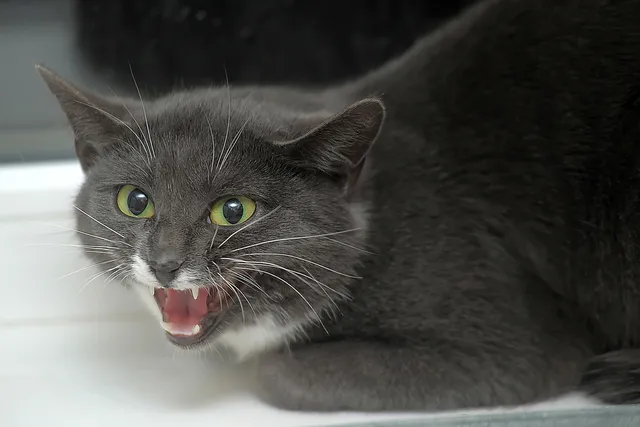
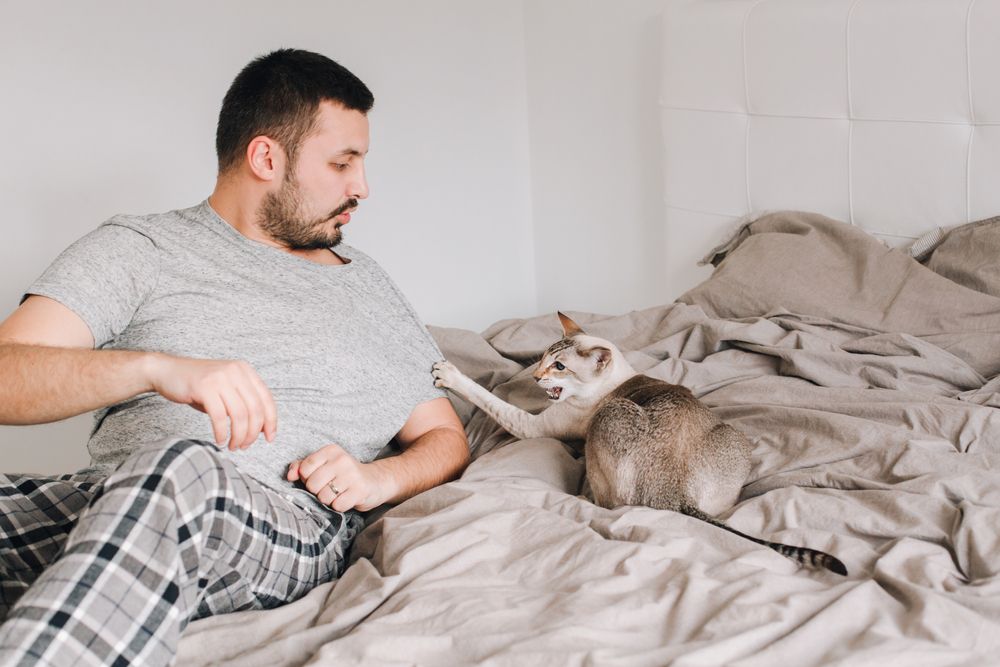
Unfortunately, our felines can't speak to us to explain their sudden change. However, if you can look at their basic body language, it can tell you a little bit about what’s happening.
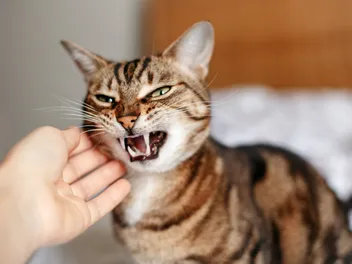
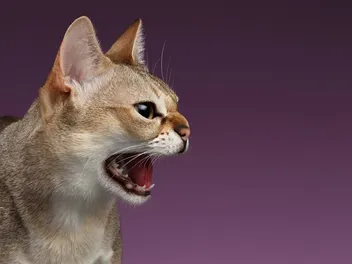
If your cat is feeling upset, you might notice behaviors such as:

Additional Factors to Look Out For
All of these behaviors indicate that your cat isn't happy, regardless of whether it’s stemming from something that’s in your control or not. Now, the reasons are left for you to decipher since you know your cat better than anyone. But before you start thinking your cat doesn’t like you anymore, ask yourself if any of these factors play a role.
1. Personality
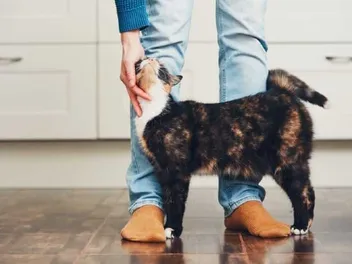
Just like human beings, cats have all sorts of different personalities. Some cats will be more affectionate than others. That doesn't always indicate that they don't like you, but rather that they prefer different levels of interaction.
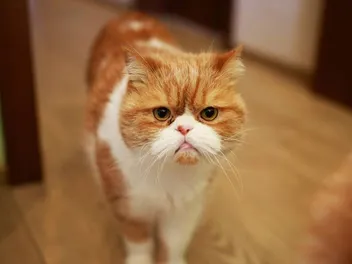
If your cat has a cantankerous personality, it might very well be nothing personal. Some cats prefer having their own space without too much interference. If you are the cuddling type who wants to snuggle with your cat, they might not desire the same things you do.
Understanding and respecting your cat's boundaries can lead to improvement. You have to get to know your cat and how they interact and respond to their desires, including personal space.
2. Connection
Connection is critical when you interact with your pets. That can mean different things depending on how your cat responds to your affections. Bonding is a necessary aspect of overall care. You just have to find what works best for your cats and try to meet them where they are.
Once you learn about your cat, you can develop a special connection that is equally beneficial to you both.

3. Negative Experience
If your cat has had any negative experience with humans, it can severely impact your relationship. For example, if your cat once liked you, but you scolded them for doing something wrong, they might hold what you would describe as a "grudge" against you for a bit.
Also, just like children, animals can react based on trauma. So, if they previously lived in a lousy home situation, it can take them quite a while before they learn to build trust with their new owners. Just remember that you might not know the whole story.
4. Underlying Illness
If this behavior is sudden, it could be likely that there is an underlying illness that is causing the behavior to happen. If your cat has an underlying illness, it can severely impact their typical actions. As a rule, it’s important to keep in mind that if your cat shows an undesired or changing behavior, you should rule out medical issues (with the help of your veterinarian, of course) before assuming it’s a personality quirk or a behavior issue that you’re dealing with.
5. Environmental Changes
Some cats don't like it when their normalcy is disrupted. If you have recently moved homes, brought home a new baby, or welcomed a new pet, your cat may be showing signs of disapproval. The same may be true if you left them for a quick getaway over the weekend. They may feel slighted by abandonment and want to retreat in isolation.
If this is the case, it can take a bit for them to warm up. But before too long, the dust will (hopefully) settle. However, do keep in mind that sudden changes that trigger stress in a cat can not only lead to undesirable behavior but can also lead to medical complications, including potential emergencies, such as a blocked urinary system.
Please Note
6. Your Own Emotional State
Interestingly, research highlights that cats are able to pick up on the emotional state of their owners and this can sometimes change the way they act towards you1. Sometimes, the root cause of your cat’s grumpy disposition might be associated with changes in your mood or disposition.

Potential Solutions
Don't give up on your kitty just yet. Before you start taking it personally, make sure that you look at surrounding environmental factors to gauge what is going on. Even if you have done something to upset your cat, you can regain the bond eventually.
A Note From Our Veterinarian
Time
If your kitty is being a little bit frisky, just give them some time to adjust. If a cat appears agitated and wants to isolate themselves while in a heightened state of panic, they shouldn’t be immediately approached – this can result in your cat lashing out at you. Plus, putting a little distance between you and your feline could allow you to observe what's actually going on that could be a potential trigger for your cat.

Space
We all need a little space to recharge our batteries (depending on our personalities), and our cats are no different because they, too, have individual personalities. If they are being overstimulated, they might just feel smothered. Try to put a little more distance between them for a few days, and see if they warm back up to you.
Positive Reinforcement
Maybe, without knowing it, you're putting a lot of negativity toward your cat. You might shout, the house could be chaotic, or some other negative thing could be causing them to want to steer clear of you. Every single time your cat starts to misbehave, make sure to use positive reinforcement tactics, such as treats or other means of appeal, after you’ve steered them toward the correct action.

Socialization
In some circumstances, what it could potentially boil down to is that your cat is lonely. Make sure that they have socialization. If your cat is alone a lot during the day and you feel like this might be stemming from that, maybe it's time to adopt a new kitty friend.
Respect
Respect is paramount when you own a cat. Cats can be very particular about things, so showing them that you appreciate them is a critical building block.
If your cat doesn't want to be held, simply don't hold them. If they require more attention, provide them with stimulation. If you understand their likes and dislikes, you can appreciate their wishes.

Environmental Enrichment
A lot of times, the excessive pent-up energy can lead to acting out. If your cat is bored and life seems pretty uneventful, it can cause aggression or other unwanted behaviors.
Like anything else, cats can get down in the dumps or bored if their lives lack activities. Make sure to give your cat lots of toys, places to scratch, and other means to keep them occupied.
Wooing Your Cat Again
Once you uncover why your cat could be giving you the cold shoulder, you can improve the relationship and make the adjustments where you see fit.
Remember, if your cat suddenly starts acting out and shows other accompanying signs, it could very well be an illness which is causing a behavioral change. If you think it could be medically related, always consult your veterinarian to get to the bottom of it.
However, if your cat’s behavior change or mood swing is not medical in nature, there might be steps you can do to try and win them back. Remember, though, that at the end of the day, the notion that your cat doesn’t like you is likely entirely a figment of your imagination and not factual at all!
Featured Image Credit: Anna Kraynova, Shutterstock
Expert cat care, straight to your inbox
News, insights, and useful advice, delivered to you.

No spam — unsubscribe anytime.
By signing up, you agree to our Terms & Conditions and Privacy & Cookies Policy.
How useful was this post?
Click a star to rate. You can leave written feedback afterwards. (We read all feedback.)
As a freelance dog writer and passionate pet enthusiast, Ashley Bates is pursuing studies in animal therapy. A mother to four human children and 23 animal companions, Ashley is dedicated to volunteering at shelters, advocating for animal rights, and rescuing animals in need. Her goal is to spread awareness, provide education, and offer entertainment about pets to reduce homelessness. Ashley's specialties include dogs and cats.