7 Possible Signs Your Cat May Need a Feline Friend: Vet-Reviewed Introduction Tips & More


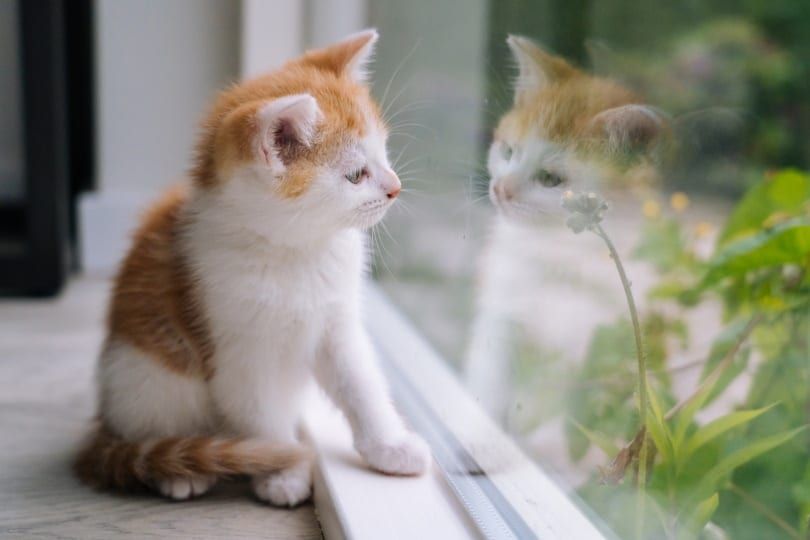
If only our pets could talk, we’d have a much easier time understanding their needs. Cats can be even more difficult to decipher than dogs. Their natural aloofness means we have to work twice as hard to figure out if something is wrong.
This is especially true when we want to know if our cats are lonely and need a feline friend. Some of the signs of loneliness in cats are tough to interpret. Then there’s the uncertainty of how they’ll react if you bring another cat into your home.
We’ve put together this short guide to first help you determine if your cat is sending out signals that they’d like a companion. Then, we’ve added some tips to make the introduction and maintenance of housing two cats go smoothly for you and your cats.

The 7 Possible Signs Your Cat Needs a Feline Pal
It’s important to note that some of the possible signs your cat needs a buddy can mirror signs that your cat isn’t feeling well. Any time your pet is acting strangely, you should bring them in for a visit with your veterinarian to rule out health problems. This would also allow you to discuss adding a second cat to your family.
1. Changes in Sleeping Patterns
We know cats sleep a lot. It’s what they’re known for. However, if your cat is sleeping even more than usual there might be a problem. If your cat is sleeping excessively and seems less interested in you, it’s a good idea to take them to the vet to check for health issues. If there aren’t health-related problems, it may just be that your cat is lonely and depressed.
2. Changes in Energy Levels
Changes in energy levels can include lethargic behavior or suddenly running around the house all day when they’re usually calmer. These could both be indicators that your cat would benefit from a kitty pal to spark their playful side or to burn off some of that extra energy and beat boredom.
3. Eating More (or Less) Than Usual
Cats are like people in that they tend to turn to food when they’re bored and have nothing else to do with their time. They can also lose their appetites when they are depressed. If you’ve ruled out a medical cause of changes in your cat’s appetite, loneliness might be to blame. It’s important to address eating issues quickly, as obese cats are prone to many health issues. Undereating can also cause serious problems for cats.

4. Grooming Changes
If your cat suddenly stops grooming, this is usually a clear sign that something is wrong. The opposite situation is also a sign of potential problems. If your cat is grooming excessively, it usually indicates that they’re stressed. Loneliness can be a trigger for stress in cats that can cause changes in their grooming habits.
5. Litter Box Problems
The most common cat behavioral problem reported by cat owners is failure to use the litter box. While there can be many causes behind a cat’s sudden refusal to use their litter box, including cleanliness, location, and litter type, stress is a common trigger. While cats are not naturally gregarious creatures, extreme loneliness can cause fear, anxiety, and boredom, which could result in a stressed cat not using the litter box.

6. Destructiveness
All cats scratch things. This is why it’s important to have plenty of scratching posts and pads around your house. These give your cat an outlet for their natural urge to scratch. However, if your cat is suddenly tearing up your furniture and getting into other mischief by knocking things over and chewing on things, they may be trying to tell you that they’re bored and don’t have any other ways to keep busy.
7. Shadowing You
If your cat is usually friendly but lately has stepped up the attention-seeking to higher levels, they may require more attention and social interaction. The constant meowing and following you around are signals that your cat needs some company.

Introducing a Second Cat to Your Home
If you’ve ruled out potential medical causes of your cat’s odd behaviors and have decided to add a second cat to your home, there are some steps you should take to ensure it goes smoothly for all involved.
- First, ask yourself if you have time for two cats. If one of the reasons your cat was acting out was because you didn’t give them enough attention, adding a second cat won’t fix that problem. Two cats will need attention as well.
- When you select the right second cat for your family, consider the age and temperament of both cats. If your current cat is older and quiet, a boisterous kitten might not be the best choice. If you have an active younger cat, they’ll likely get along best with another energetic cat that can match their playfulness and energy.
- After you bring your new kitty home, it’ll be tempting to introduce them to your existing cat right away. However, you need to take the introductions very slowly. Generally, it’s recommended that you keep your cats separated for 2 weeks. This serves two purposes: It prevents the spread of infections or parasites and gives them a chance to get used to the smell of one another.
- During the separation period, make sure both cats have their own food dishes, toys, and litter boxes. Slowly introduce them to one another's scent by rubbing the back of the new cat with a towel and letting your existing cat smell it. Do the same with your existing cat and let the new cat smell it. Don’t be surprised if there’s some hissing or growling involved the first few times you try this.
- Once 2 weeks have passed, you can slowly introduce them to one another's scent by rubbing the back of the new cat with a towel and letting your existing cat smell it. Do the same with your existing cat, and let the new cat smell it. Don’t be surprised if there’s some hissing or growling involved the first few times you try this. But if the response is calm and positive, give them a few treats, to help create a positive association with each other’s smell.
- The next thing you want to do is let them see each other. If you have two baby gates, you can stack them on top of one another so they can safely see each other through a doorway without being able to have direct physical contact. Again, toss in treats if you see them positively interacting with each other from this distance.
- Once it’s time to fully introduce the cats, you should be prepared. Treats, food, and maybe even a cat leash can help keep everyone safe. If you successfully worked to create a positive association, it is unlikely that you will have to step in to separate them because they started to fight. However, be prepared in case this happens. If it does, don’t give up. It often takes several months for two cats to happily coexist. Likewise, if your cats interact with each other positively, make sure they both get a great reward at the exact same time.

Tips for Multiple-Cat Homes
Once your cats can peacefully live together, you’ll want to maintain a harmonious atmosphere. A few things that can help include:
- You should have one litter box per cat plus one extra, so in a two-cat household, you’ll need three litter boxes.
- Each cat should have their own food and water dish. If one cat is more timid, feed them in different rooms to prevent bullying.
- Give them plenty of toys and scratching posts to prevent boredom.
- A lot of perches, sunny spots, and hiding places are necessary for your cats to feel secure and comfortable in their surroundings.

Final Thoughts
If your cat is sending out signals that they need a partner, you’ll need to be prepared for a slow introduction period. Taking it step by step will ensure a peaceful transition and hopefully will give your cat a new feline best friend. Once you have your new cat established, maintain a harmonious existence with the right number of litter boxes, separate food dishes, entertainment, and safe spaces.
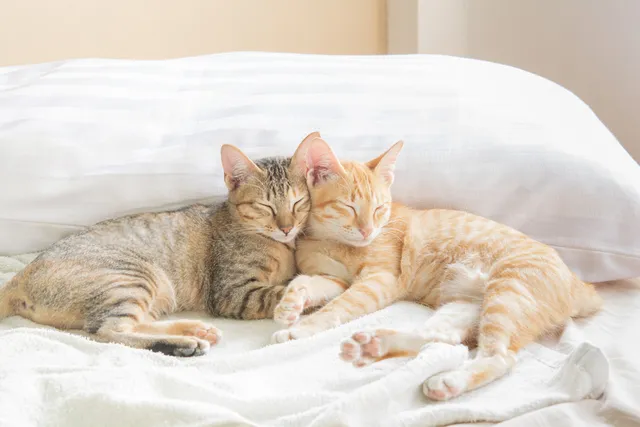
Featured Image Credit: OlenaPalaguta, Shutterstock
Expert cat care, straight to your inbox
News, insights, and useful advice, delivered to you.

No spam — unsubscribe anytime.
By signing up, you agree to our Terms & Conditions and Privacy & Cookies Policy.
How useful was this post?
Click a star to rate. You can leave written feedback afterwards. (We read all feedback.)
Christian started writing for a local newspaper as a teenager, and he's been involved in the publishing industry for most of his adult life. Combining his love of writing with a passion for animals, he is currently the Director of Editorial at Pangolia and the Editor-in-Chief at Catster.
Christian lives in the Philippines with his wife, son, and four rescue cats: Trixie, Chloe, Sparky, and Chopper.