Can My Stress Affect My Cat? 5 Vet-Verified Tips on How to Help Your Cat in This Situation


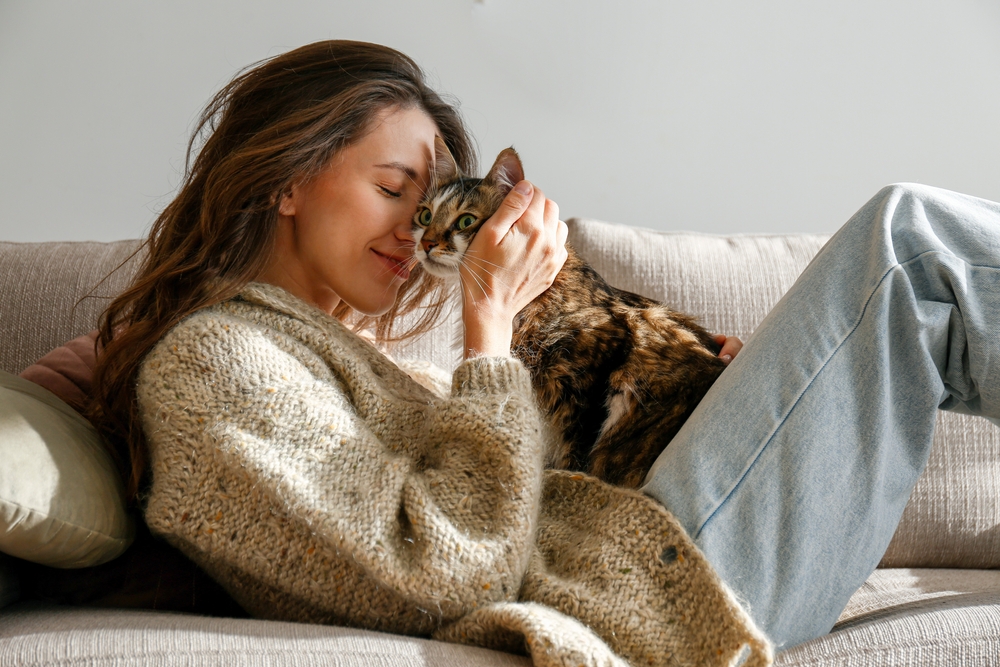
Everyone feels stressed from time to time, but did you know that your stress could affect your cat, too? We usually change our behaviors and routines when stressed, and your cat can pick this up. Cats are very observant, so these changes can have an impact on your cat, even if they do not know why it is happening. Some of these common stressful situations that may impact some cats as well include a house move, renovations, a new child, a new pet, the loss of a family member, a break-up, or others.
If you are worried your stress could affect your cat, this article has tips for you.

The 5 Tips on How to Help Your Cat With Stress
1. Try to Maintain a Routine
Cats thrive with routine because it is predictable and makes them feel safe. Disruptions to your cat's routine can be stressful for them, even if it seems insignificant to us. When you feel stressed, you probably struggle to maintain the same routine as your cat. The changes could be subtle, such as feeding your cat at a later time or skipping playtime.
Although you might struggle to maintain a normal routine for yourself when you are stressed, try to keep your cat's routine the same as much as possible. Some cats do not deal well with changes in their routine and may end up becoming stressed as a result.
Stick to feeding your cat at the same time and keep up with cleaning the litter box. Try and play with your cat at the usual times, take time to give your cat affection, and do your best not to spend too many hours away from home. Keep your cat's routine as normal as possible to avoid stressing them out too.

2. Do Not Take Your Stress Out on Your Cat
Understandably, you won’t be in the best mood while stressed. However, it's important not to take your stress out on your cat. You might find yourself getting frustrated more easily when stressed, which could cause you to be annoyed at your cat for things you otherwise wouldn’t think much about.
For example, your cat could be meowing at you for food like they usually do. You might get frustrated by this and use a tone of voice or facial expressions to indicate it. Your cat may recognize and interpret your frustration, which can make them feel fearful or confused.
You might have always responded positively to their vocalizations for food, but your stress has changed that. As difficult as it might be, try to understand that your stress does not need to be directed at your cat and might have an effect on them.
3. Spend Time With Them
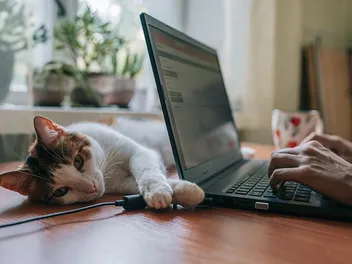
It's easy to get caught up in our stress and spend less time with our cats. The time you spent together could have been their daily form of exercise or playtime, so stopping it affects your cat's daily routine. Furthermore, exercise and playtime are important for your cat's well-being. Spending time with your cat also allows you to bond with them and give them any attention they want.
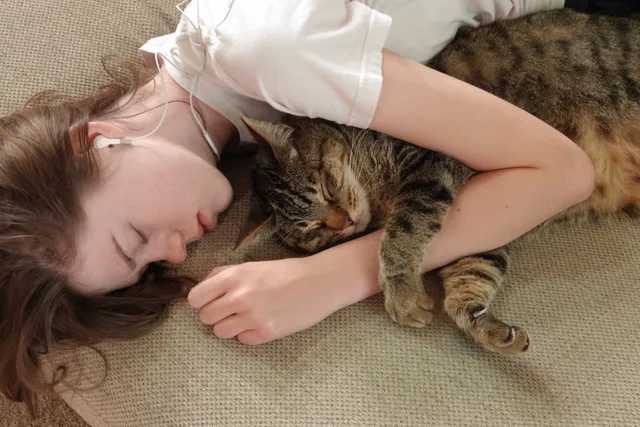
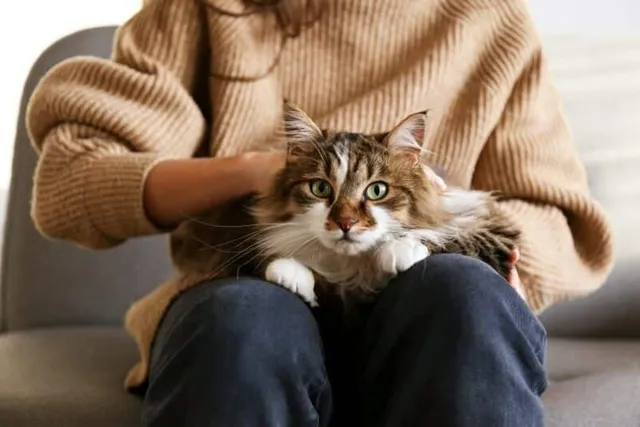
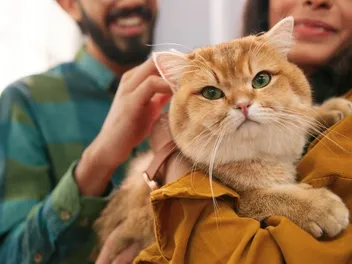
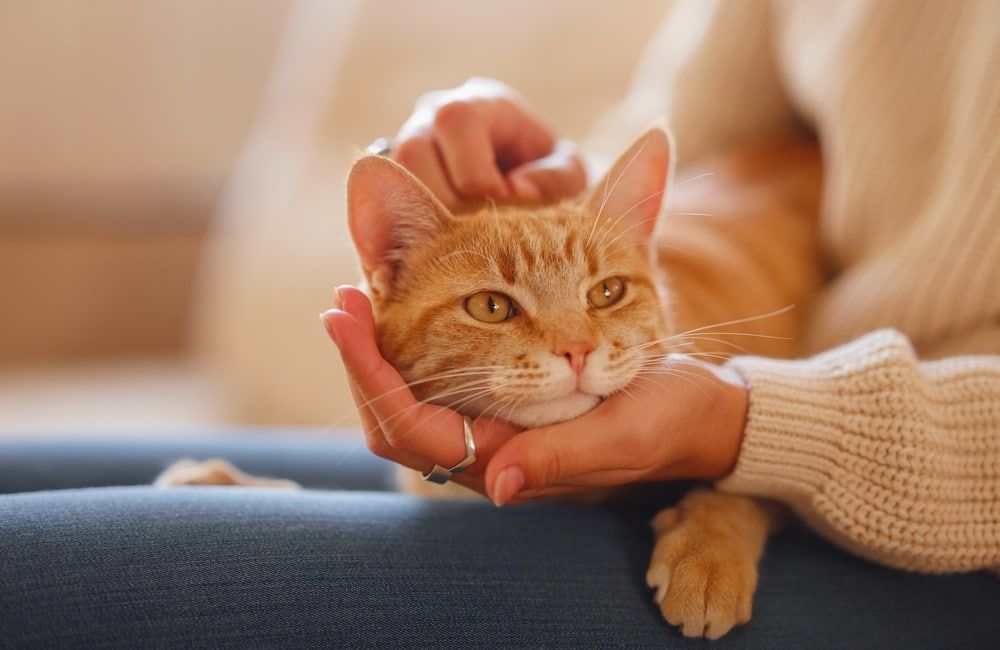
Also, spending time with your cat might help you manage your stress better. It can be therapeutic, whether you are playing with them or sitting with them on a couch.

4. Keep Them Entertained
A great way to keep your cat engaged and happy is to provide them with entertainment. Cats need physical and mental stimulation to thrive, and it keeps them occupied while you are dealing with stressful situations.
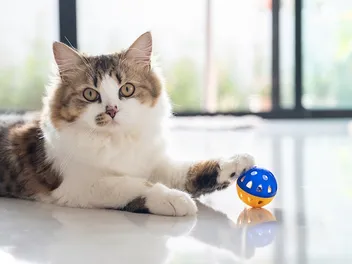
There are many ways to entertain your cat, from buying them new toys or giving them fun activities to do. Try having an interactive play session with your cat using toys that engage their natural hunting instincts.
You could also try hiding their kibble or treats around the home, so they actively have to search for it. If you are on a budget or have a cat that isn’t fond of toys, you could try creating hideouts or DIY toys using boxes around your home.
5. Monitor Behavior Changes
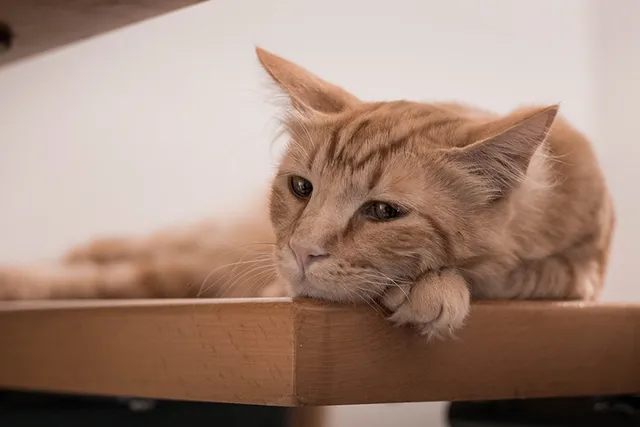
Cats can be sufferers of stress, too, which is reflected in their behavior. Stress can have serious consequences on a cat's health and behavior. In fact, it could affect our cats in a similar way to us. This makes it important to monitor your cat for behavioral changes that could indicate they are feeling stressed. If you are stressed or stressful things are happening in your cat's environment, your cat might start feeling stressed too.
Signs your cat could be feeling stressed:
- Acting withdrawn
- Less interest in activities
- Overgrooming
- Appetite changes
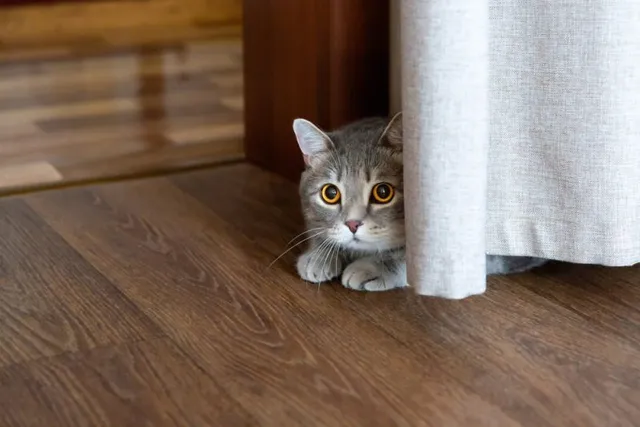
- Hiding or avoidant behavior
- Changes in litter box habits
- Excessive vocalization
- Changes in sleeping schedule
- Abnormal behaviors
Changes in your cat's behavior should not be overlooked, so you should consult with a veterinarian when you notice them. You should find ways to manage your cat's stress with the help of a veterinarian.
Conclusion
Knowing that your stress could affect your cat might make you feel even more stressed. Fortunately, there are ways to ensure your stress does not affect your cat too much. It's important to maintain the same routine your cat is used to, as sudden changes in it can be stressful for them.
You should keep your cat entertained with toys and activities, and spend time with them when possible. As difficult as it might be, you want to avoid taking your stress out on your cat and try to use the same enthusiasm you always did when interacting with your cat.
Lastly, don’t hesitate to contact a veterinarian if you are concerned that your stress is affecting your cat. Keep monitoring for any behavior changes or signs of stress.
Sources
Featured Image Credit: U__Photo, Shutterstock

Expert cat care, straight to your inbox
Vet-reviewed advice, behavior tips, and the best of Catster. Free, and you can unsubscribe anytime.
By signing up, you agree to our Terms & Conditions and Privacy & Cookies Policy.
Sarah Psaradelis is an avid young writer with dual passions for literature and animals. She enjoys sharing knowledge of animal care and helping others. Sarah has over 8 years of writing experience and is currently studying veterinary science. She resides in South Africa where she takes care of fish, aquarium snails, dogs, and rodents. Sarah is a passionate vegan activist and animal rescuer pursuing her path to make the world a better place for humans and animals alike.
Join the conversation
Ask a question, share your story, or send private feedback.