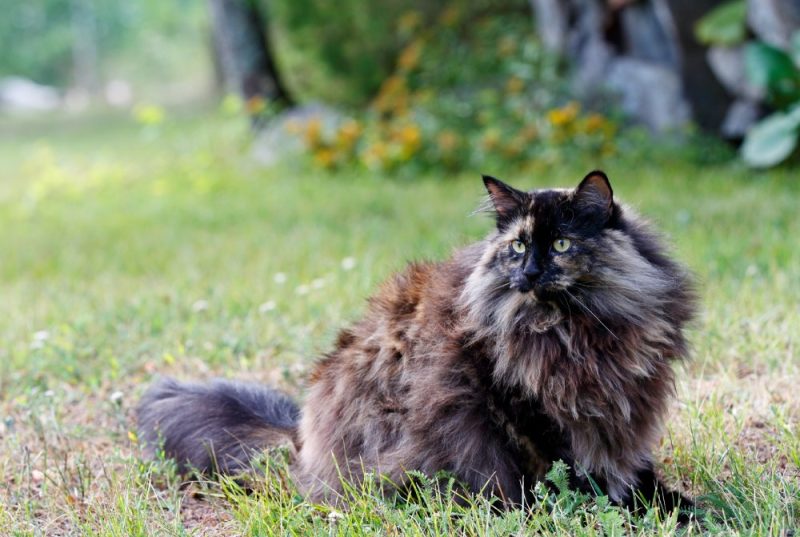
Norwegian Forest Cat vs Domestic Longhair Cat: Main Differences (With Pictures, Vet-Reviewed)


In this article
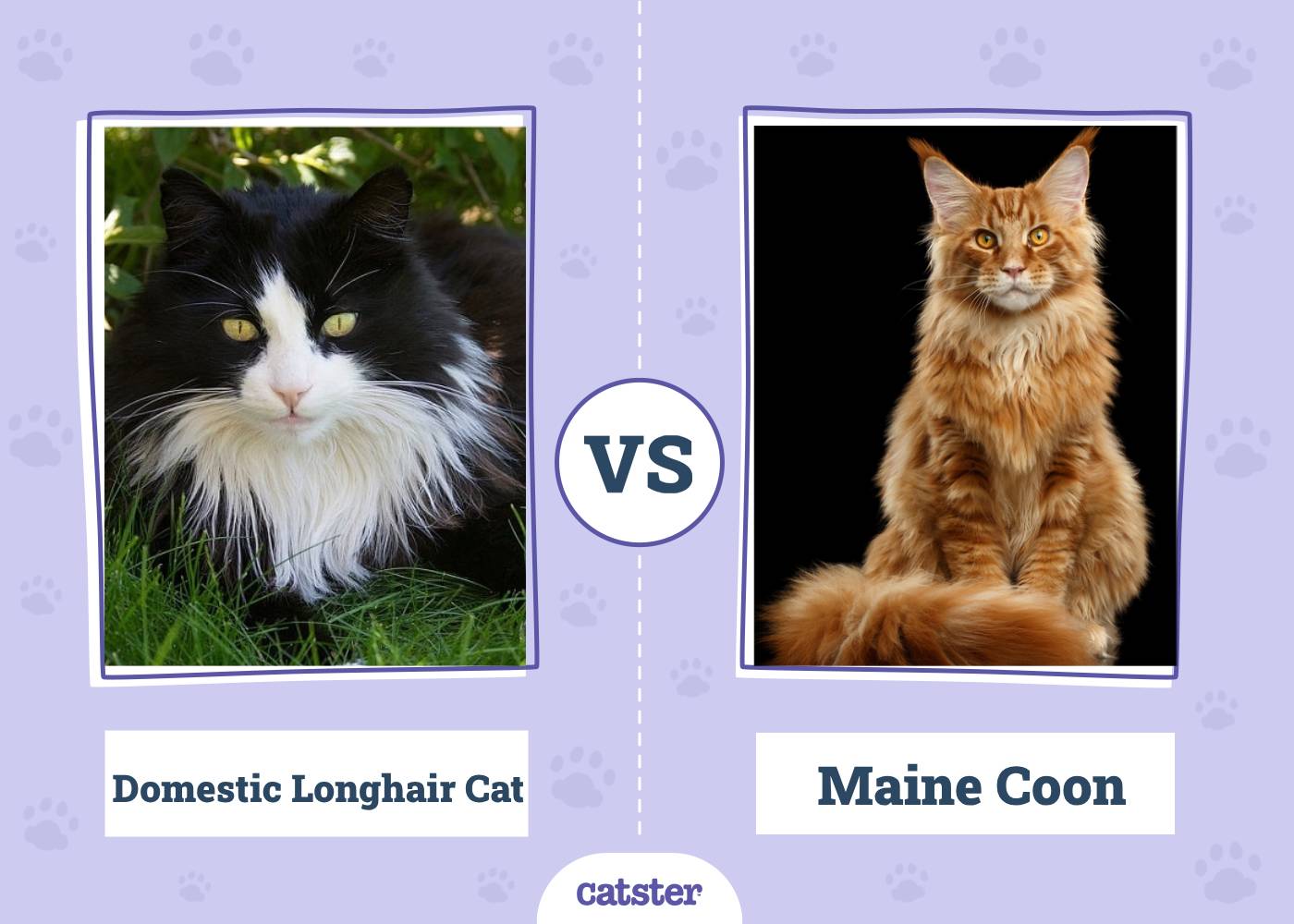
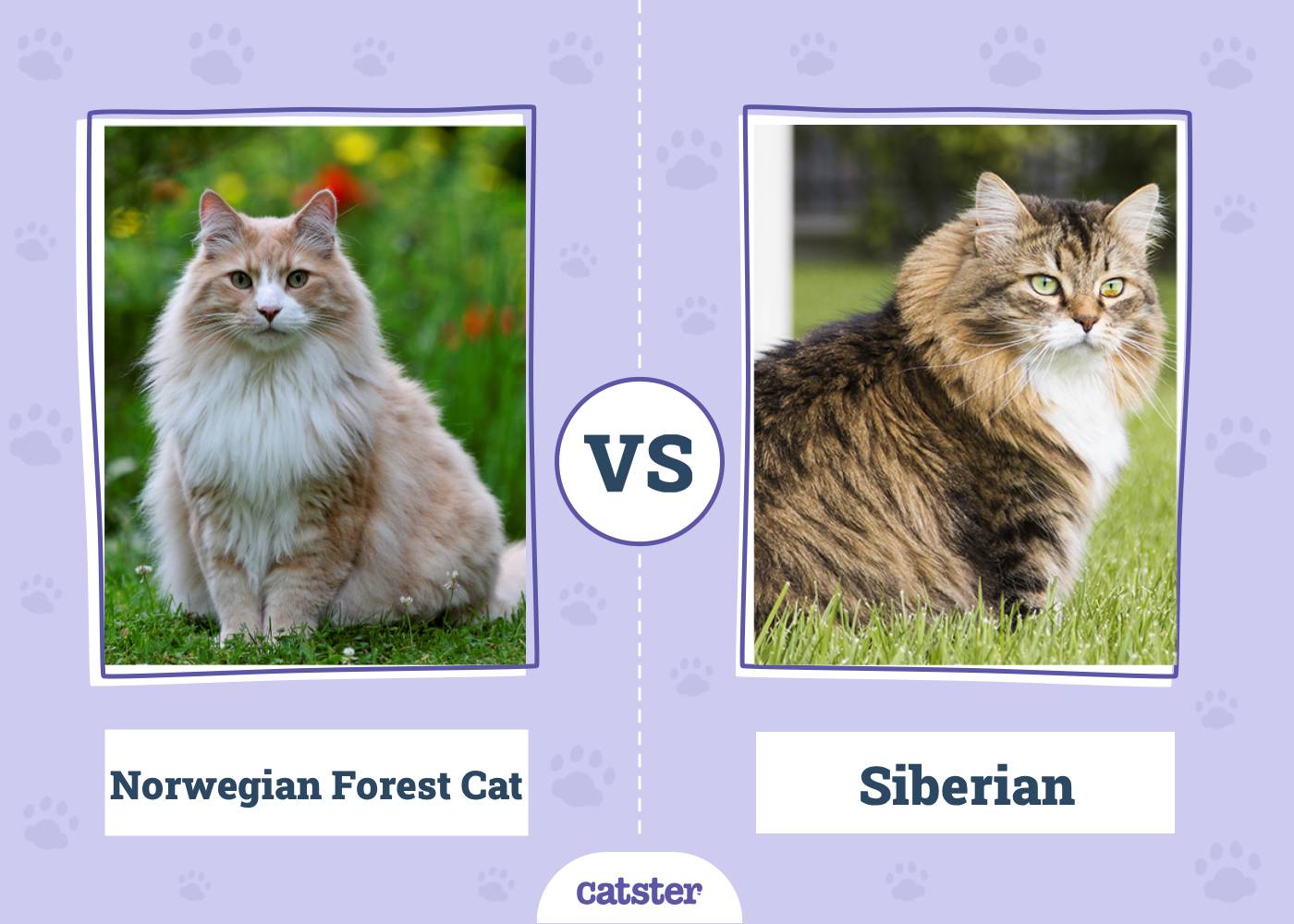
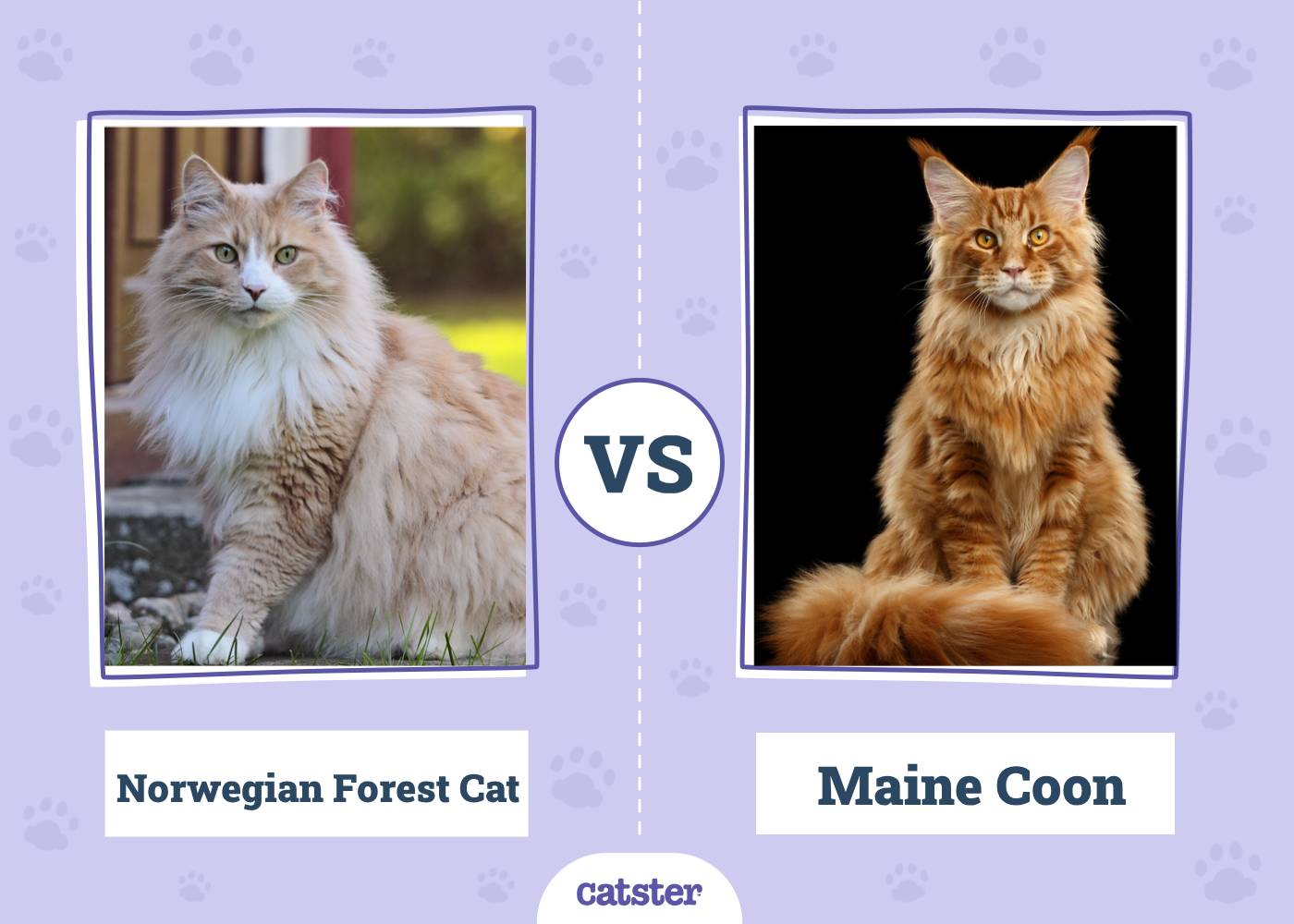
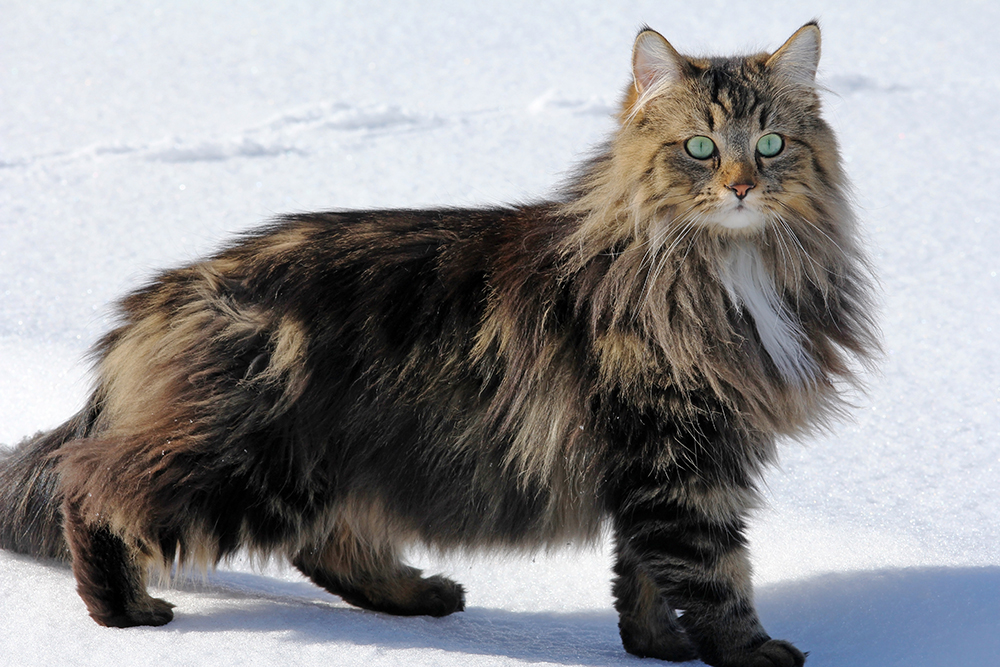
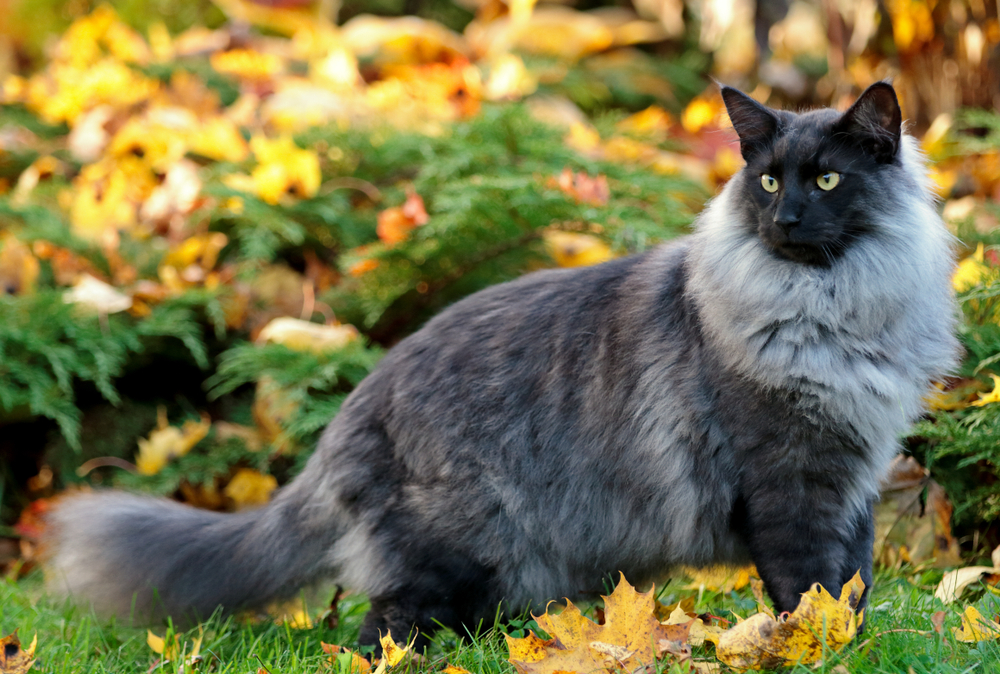
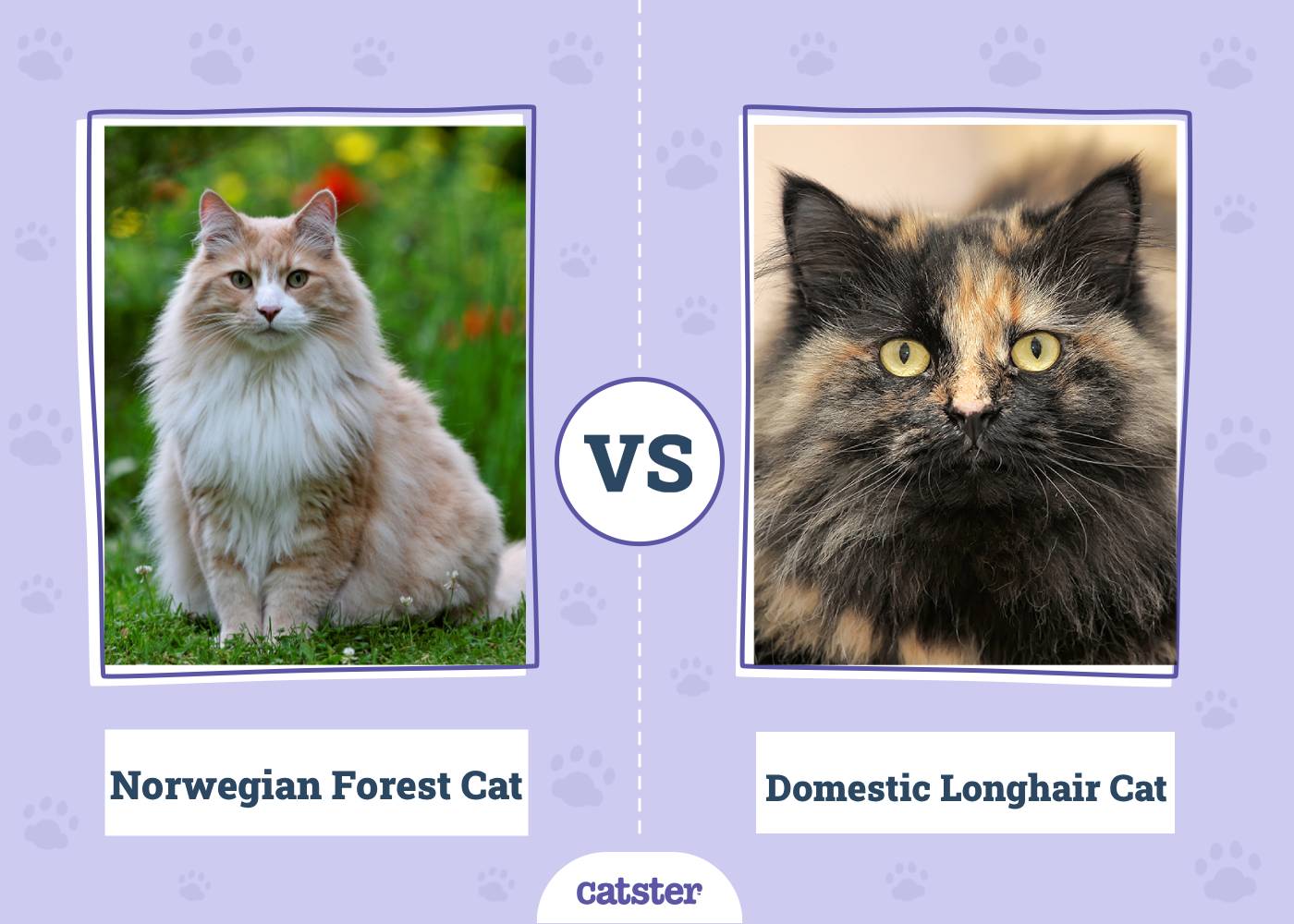
There are few cats more striking in appearance than the Norwegian Forest Cat. It's hard to match the Forest Cat's imposing build and glossy, water-resistant fur. However, one cat that can often be mistaken for the Norwegian Forest Cat is the Domestic Longhair Cat.
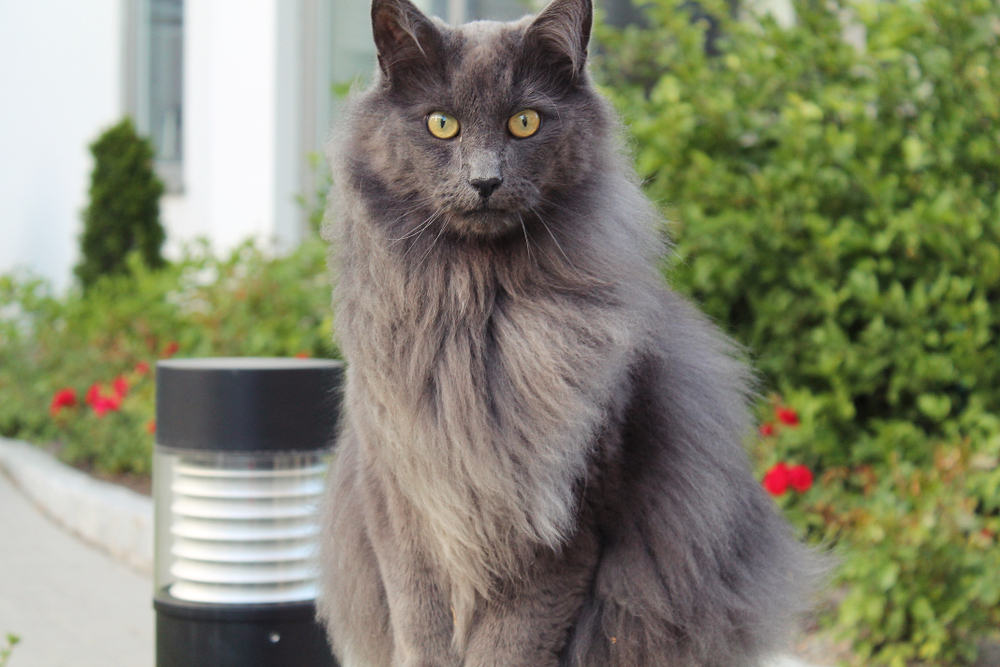
While the Domestic Longhair Cat is not an actual "breed," it is a term for cats of mixed or ambiguous ancestry that present the recessive gene for long fur. They can be mistaken for other, more defined breeds of cats with similar appearances by unscrupulous individuals.
Here are the details on the differences between Norwegian Forest Cats and Domestic Longhair Cats.

Visual Differences

At a Glance
Norwegian Forest Cat Overview

History
The Skogkatt (lit. 'forest cat') is the breed that would one day become recognized worldwide as the Norwegian Forest Cat. Skogkatt hails from Scandinavia. The breed was perfected in Norway, from where they got their name.
The origins of the Skogkatt are murky at best. Since long hair in cats is a recessive gene, it's unlikely that the high prevalence of long-haired cats in Scandinavia is accidental and may be climate dependent.
There is no shortage of theories about the true origin of the Skogkatt. Some believe that the Skogcatt is related to the long-haired cats of Turkey that may have been brought back from the Byzantine Empire by Norse soldiers who served in Byzantium. Others theorize that the Skogkatt is related to the Siberian cat of Russia.
The Skogkatt started to develop into the domestic cat breed that we know today before World War II, and there were plans to show the cats in the Oslo cat show. However, the war halted efforts to show the breed off and breed standardization occurred after World War II.
Thankfully, the Skogkatt and its descendants survived the war and would make a splash in the world of competitive cat shows.
Personality / Character
Prospective parents of a Norwegian Forest Cat should expect their cats to be playful and energetic. Norwegian Forest Cats use their energy to hunt, explore their surroundings and play.
However, despite their high energy thresholds, Norwegian Forest Cats can be entirely reserved around companies with which they aren't familiar. Pet parents shouldn't feel upset if their cat disappears when guests are over.
Norwegian Forest Cats also aren't lap cats. While they aren't entirely opposed to the occasional snuggle, they aren't typically known for their overly affectionate personalities, although it depends on their individual personalities.
They're generally quiet cats that only use their voices when something is significant to them, like a missed meal. If you ignore your cat's pleas, they may become progressively persistent until you acknowledge them and meet their needs!
The Norwegian Forest Cat is also a fast learner with a sharp mind. These cats are brilliant and will undoubtedly capture your heart with their wits. These cats can be trained easily, though they can be pretty stubborn when they don't want to do something because of their high intelligence and independent natures.

Health & Care
The most significant care factor that prospective Norwegian Forest Cat owners should consider is grooming. You'll need to brush your cat several times a week, especially during shedding season, in order to prevent their long, luxurious fur from getting matted.
Norwegian Forest Cats are generally healthy cats but can be predisposed to a few inherited health disorders. Most breeders will screen for these and tell you if your cat is likely to display them or pass them down through breeding.
Glycogen Storage Disease IV is a rare genetic condition that affects the cat's glucose metabolism. Most kittens that inherit this disease are stillborn or die within a few hours of birth, but occasionally a kitten will survive for a few months before they start showing signs and die. Responsible breeders will screen for this disease and can present you with a test ensuring that your cat is not affected or carrying the genes for it.
Hypertrophic cardiomyopathy (HCM) is a form of heart disease. HCM has been reported in the breed, although the genetic component hasn’t yet been definitively identified, it's worth keeping in mind as catching it early ensures the best prognosis.
Polycystic kidney disease is a genetic disease that affects the kidneys. A DNA test for the disease is available and it can also be detected through an ultrasound. Your vet may recommend it if you have a Norwegian Forest Cat.
Retinal dysplasia is an eye defect that doesn't worsen the cat's vision but causes spots on the retinas.
Suitable For:
Norwegian Forest Cats best suit active pet parents who have experience owning cats. They can be challenging for inexperienced cat parents, as these intelligent and strong-willed cats require a lot of enrichment and stimulation to stay happy.
Domestic Longhair Cat Overview

History
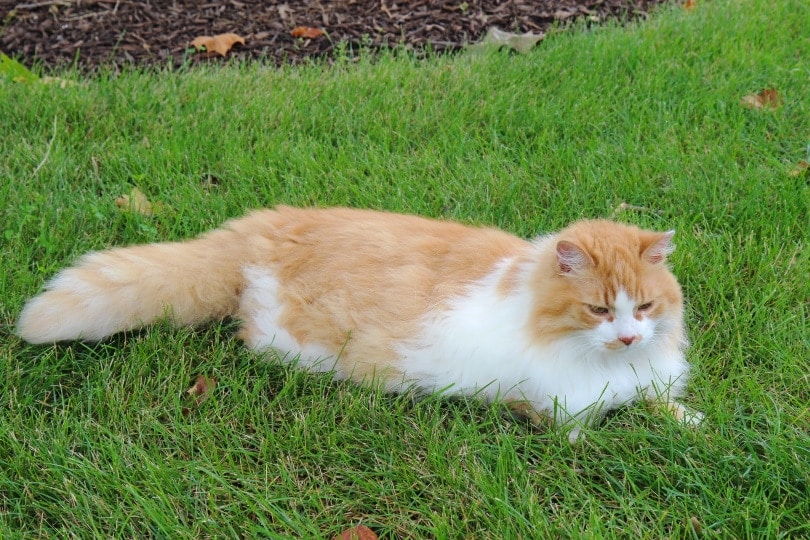
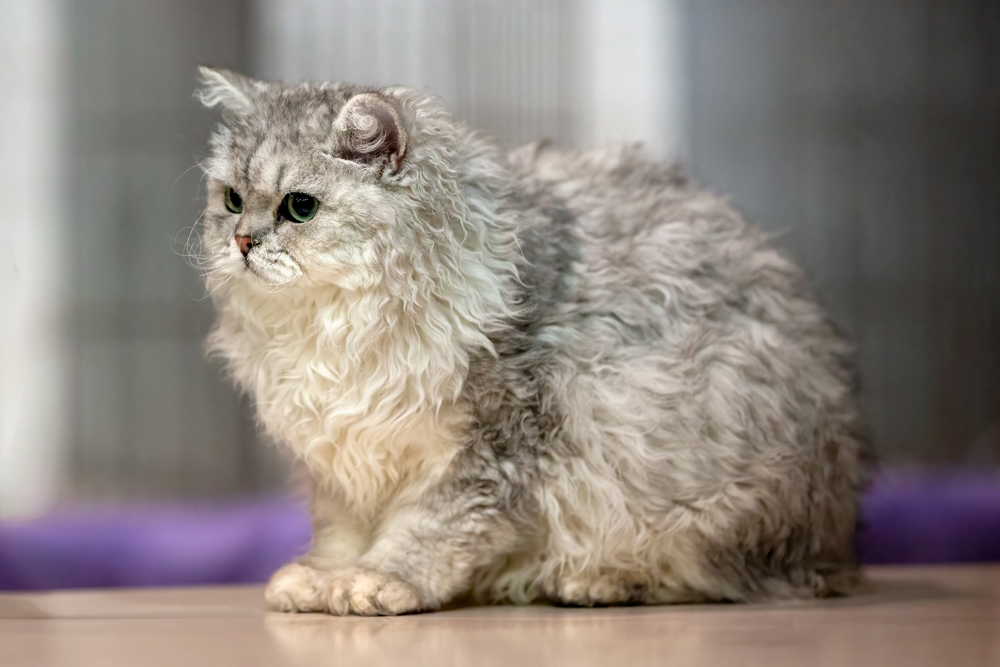
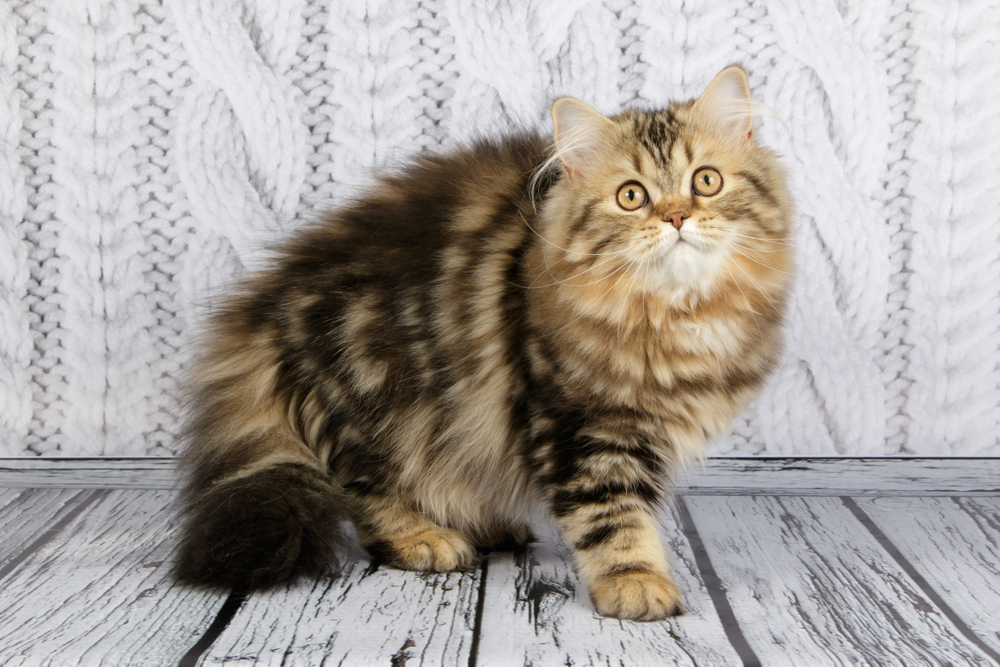
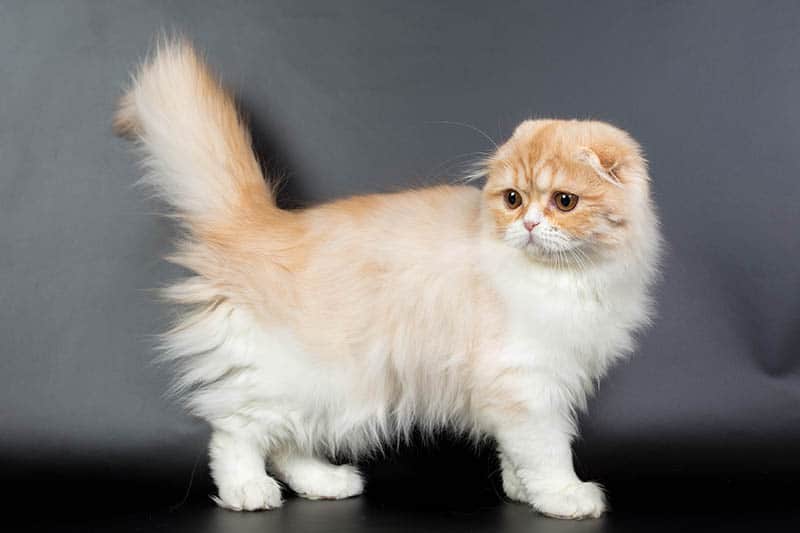
The Domestic Longhair Cat is not an actual cat breed. Instead, the term refers to cats of mixed, unknown, or ambiguous ancestry that display the recessive genetic trait for long hair in cats. While many Domestic Longhair Cats display distinct attributes of more prominent long-haired breeds like the Maine Coon or Norwegian Forest Cat, they don't have enough genetic heritage to be considered part of the breed.
The only defining trait of the Domestic Longhair Cat is their long hair. This is a recessive trait, meaning cats that display the characteristic have two gene alleles for long hair.
A Punnett Square can explain the presence of genetic traits and pass them down. When a genetic allele is recessive, it won't display physically unless the animal gets the allele from both parents. If the animal receives one recessive and one dominant allele, the dominant allele will display even though there's only one of them.
While a cat with short hair can still carry the gene for long hair, only cats with two long hair alleles will grow long hair. Succinctly, two cats with long hair will always produce kittens that grow long hair. But two cats with short hair may have some number of kittens with long hair!
The origin of the long hair allele in domestic cats is unknown. However, the crossbreeding of cats has produced a high number of cats with long hair and no defined ancestral breed. Thus, they are placed into the Domestic Longhair Cat umbrella!
Appearance
The only defining trait of the Domestic Longhair Cat is their long hair. You may see Domestic Longhair Cats of all colors and fur patterns. Their fur may grow between 2 and 6 inches in length in adulthood.
Depending on their ancestry, they may have traits associated with other longhaired cat breeds. Cats of Persian origin may have a flat snout, while those with Ragdoll ancestry may display the pointed fur pattern of Ragdoll cats.
Domestic Longhair Cats may also have tufts of fur in their ears and between the paw pads. This is a common feature in cats that live in snowy climates.
Because these cats have mixed ancestry, they may look wildly different from their littermates. You may even see a mixed litter of short and longhaired cats.

Health & Care
Like other longhaired cats, Domestic Longhair Cats need regular coat maintenance. Their natural grooming abilities won't be enough to keep their fur from tangling and matting, especially if their hair is nearly 6 inches long.
Domestic Longhair Cats are not associated with any specific health problems because they aren't an actual breed. Since they have no defined ancestry, your cat could inherit issues that affect whatever breeds your cat is made up of.
It's essential to be on the lookout for common health problems that affect all cats. Issues like dental disease, obesity, heart disease, kidney disease, and other common cat health problems should be kept in the back of your mind especially as your cat ages.
Suitable For:
The suitability of a Domestic Longhair Cat as a companion will vary by the cat. Since they don't have a breed standard, no defined temperament is sought after with these cats. You'll have to meet and greet with the cat to make sure they fit into your family's lifestyle, and even then, they may surprise you once you get them home!
Which Breed Is Best for You?

Experienced cat owners with a lot of space and energy will be able to keep up with the needs of the Norwegian Forest Cat best. However, that's not to say that the Domestic Longhair Cat doesn't require intensive care. Both cats require regular and often daily coat maintenance on top of the usual cat care.
Overall, the most important thing is meeting the cat and ensuring that they will gel with your family dynamic!
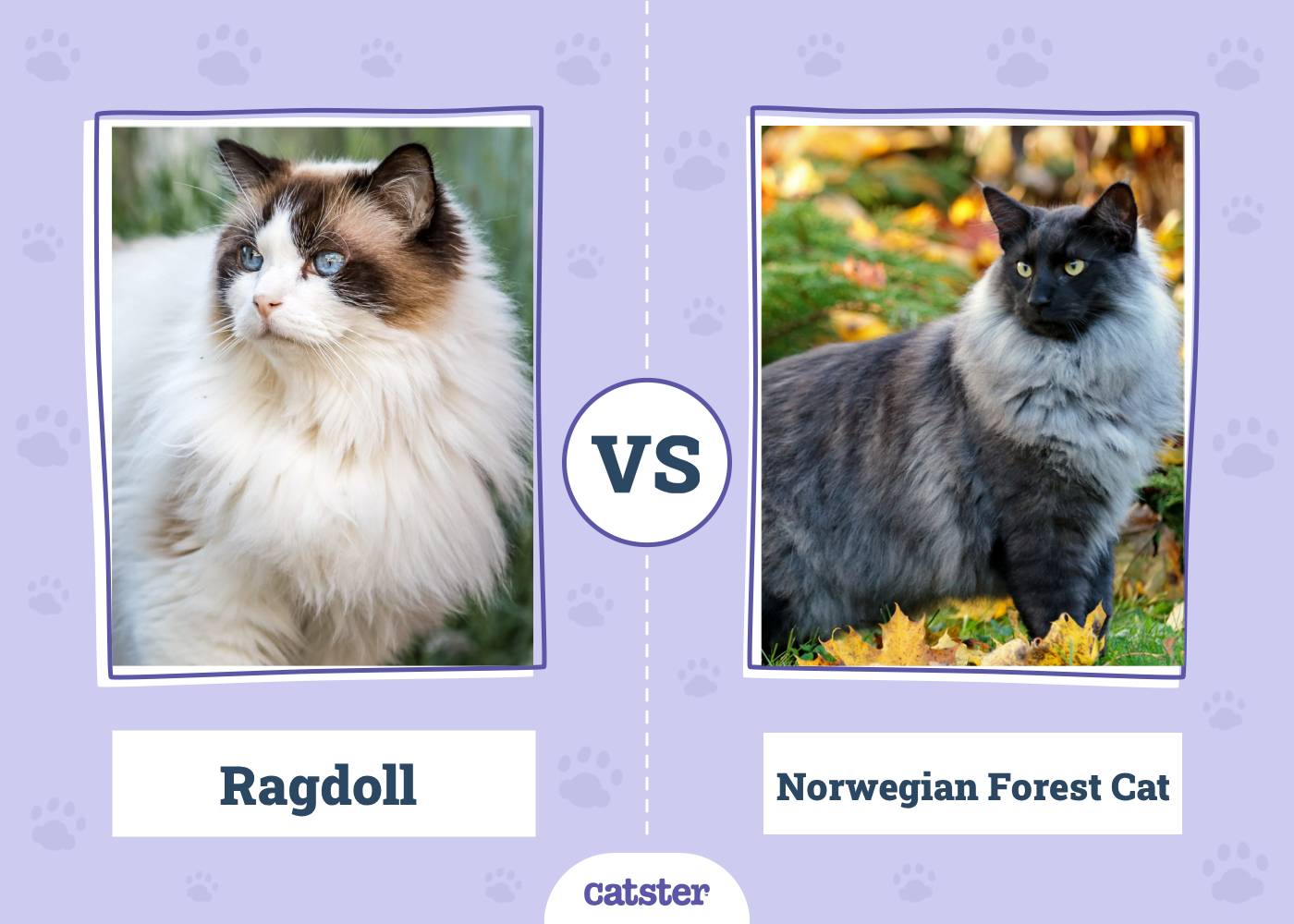
Featured Image Credit: Left - Elisa Putti, Shutterstock | Right - Anna Krivitskaya, Shutterstock

Expert cat care, straight to your inbox
Vet-reviewed advice, behavior tips, and the best of Catster. Free, and you can unsubscribe anytime.
By signing up, you agree to our Terms & Conditions and Privacy & Cookies Policy.
Luxifa is a freelance writer with a passion for animal science and technology. She loves to share the world of animal science with people to help them make informed decisions for themselves and their pets. Luxifa has worked in professional pet care for over six years and strives to help change the world of pet care by bringing the information people need to them in terms they can understand. Knowledge is power, and Luxifa loves to help everyone become the most informed they can be.
Join the conversation
Ask a question, share your story, or send private feedback.