Get

In Your Inbox

Catster is reader-supported. When you buy via links on our site, we may earn an affiliate commission at no cost to you. Learn more.

Are Cats Independent? What Science Tells Us (Vet-Reviewed Info)


Share

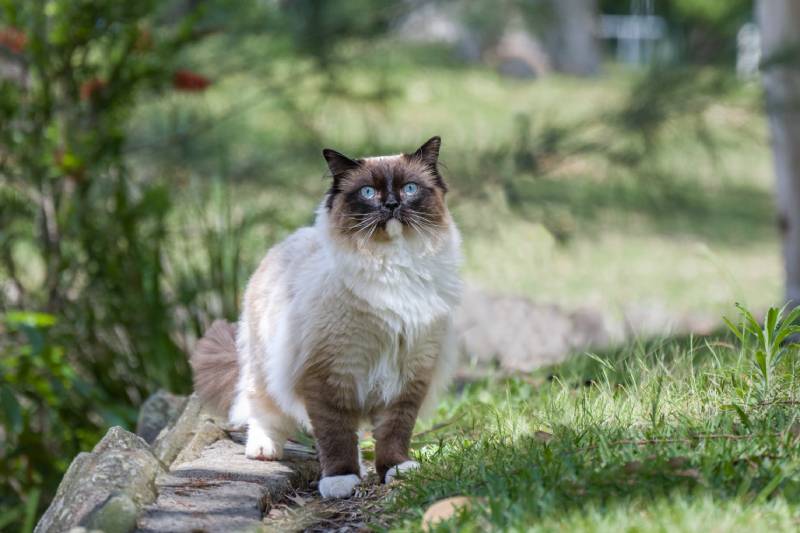
ragdoll cat with blue eyes standing outdoors in nature

Cats are considered the go-to pets for people who work long hours because they’re thought to be more independent than dogs, according to a study by the University of Lincoln.1 They observed whether cats exhibit behavior in which they see you as a caretaker or protector like dogs and young children do, and they generally don’t!

Most cats are seemingly less affected by being left alone than dogs, preferring to seek out safe spaces and rely on their own instincts to keep themselves entertained. They rarely display frustrated behavior that may be some type of attachment to their owners, but the researchers couldn’t decide whether it was just gruntles of discontentment.

Some cats that are particularly bonded with their owners or experience a significant change in their living circumstances may develop separation anxiety. Cats can also get bored due to lack of physical exercise and environmental enrichment, which leads to a different type of frustration and sometimes even undesirable behaviors.

If you’re interested in more about how cats evolved to be so independent, you’ve come to the right place. Read on below for more details on that, as well as tips for bonding with a particularly independent feline.

divider 3 paws

Why Are Cats More Independent Than Dogs?

Cats are natural-born hunters in the wild, preferring to spend time alone or in small groups. They’re not gregarious pack animals like wild dogs, and most wild cats have established safe spaces they can retreat to in emergencies.

Most of the same things they do in our homes are innate survival instincts, and cats learn how to hone those skills from kittenhood. Mother cats teach their kittens how to stalk prey and hunt, as well as show them social behaviors from a very young age. Eventually, the kittens go off on their own and live their best lives.

Cats are unique and unlike dogs in that, they sort of domesticate themselves. Millenia ago, ancient humans noticed that wild cats liked to hang around grain stores to hunt. Small rodents like mice and rats could seriously damage critical food reserves like grain, so the ancients figured cats could hang out if they earned their keep by killing pests.

Even when they were revered in ancient Egypt, cats were seen as royal creatures for their self-sufficiency and lithe grace. Today, they inspire countless funny cat videos and memes while allowing us to take care of them in the form of food, shelter, and so on.

cats in front and behind the cat door
Photo Credit: Monika Wisniewska, Shutterstock

Do Cats Like Affection?

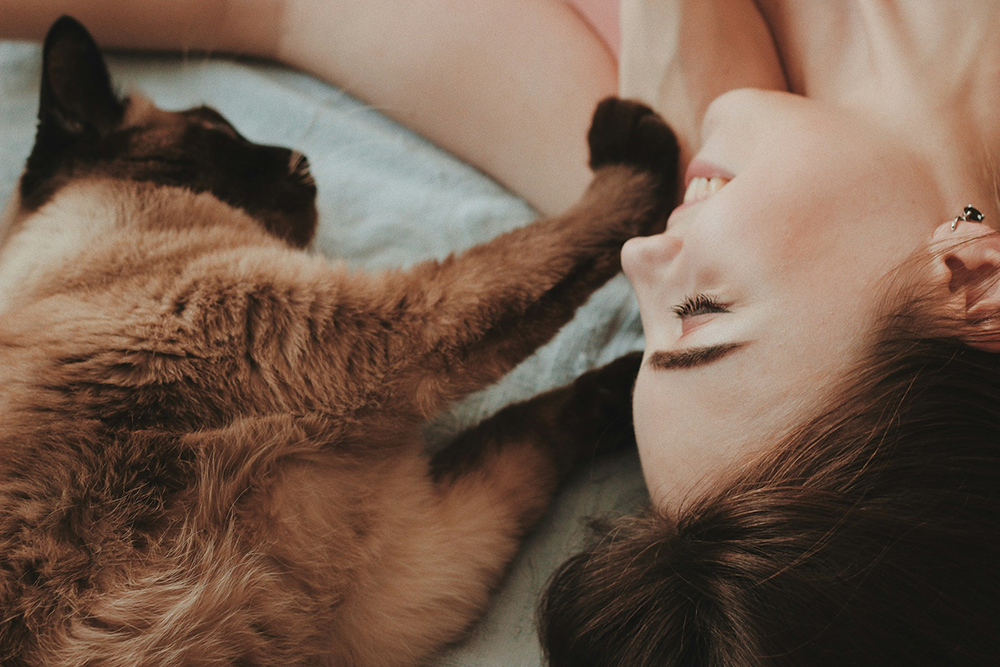
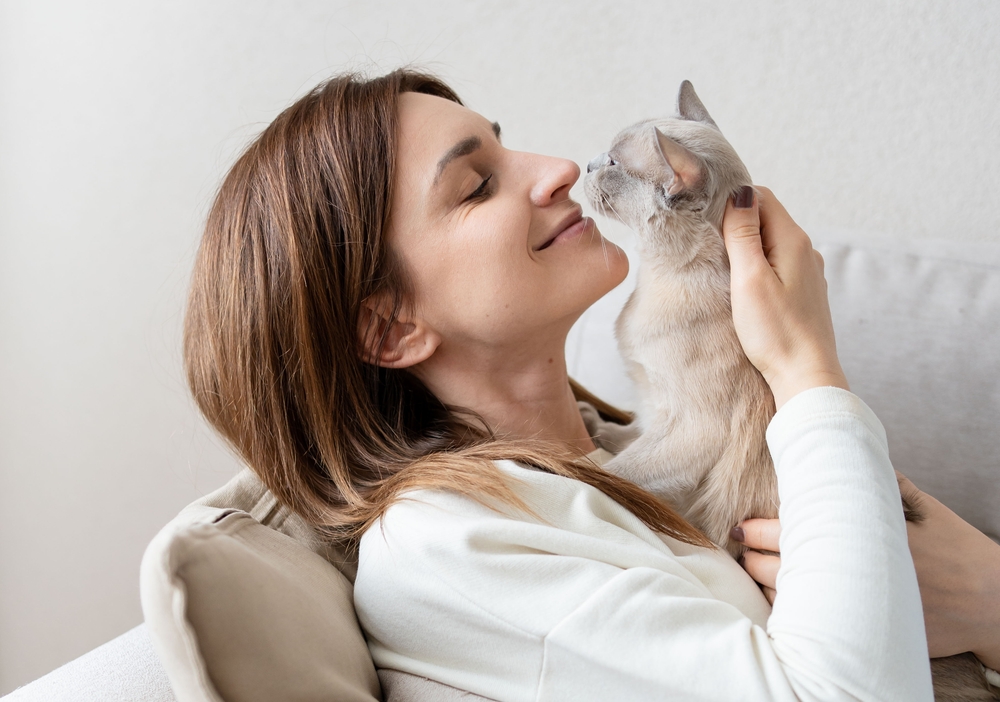
Yes, cats like love and affection, as any cat parent will tell you. They’re usually not as in-your-face about wanting love as dogs, but cats are intelligent creatures that form bonds with their humans. They will make a positive association between your presence and food, treats, toys, playing, and cuddles, which is the basis for positive reinforcement training.

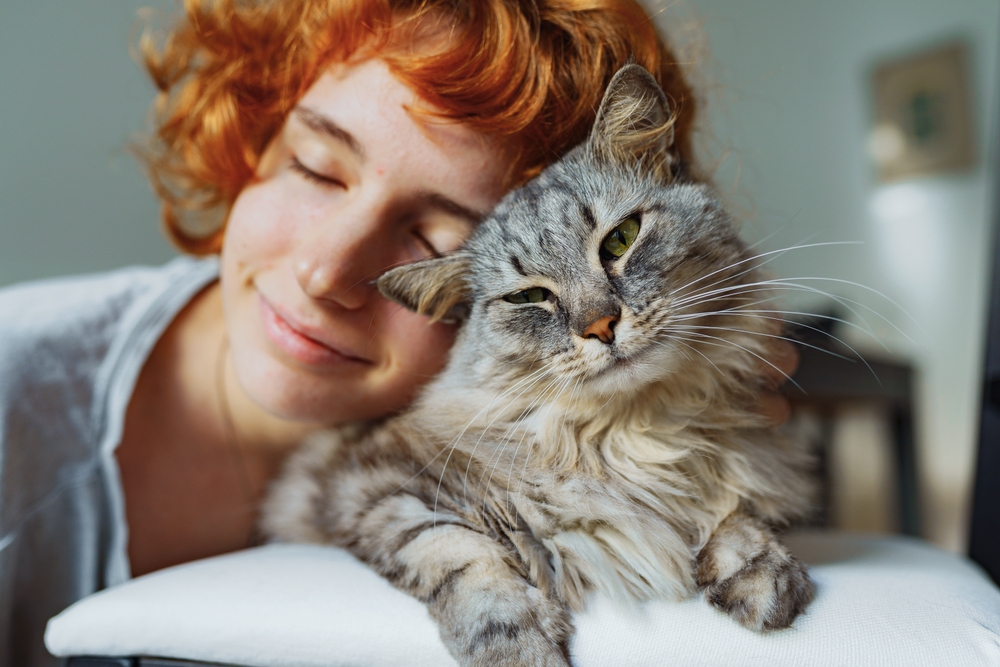
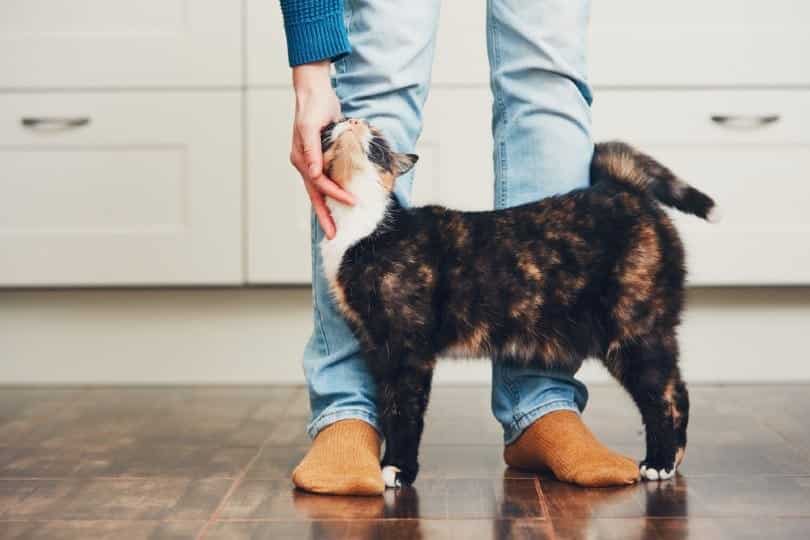
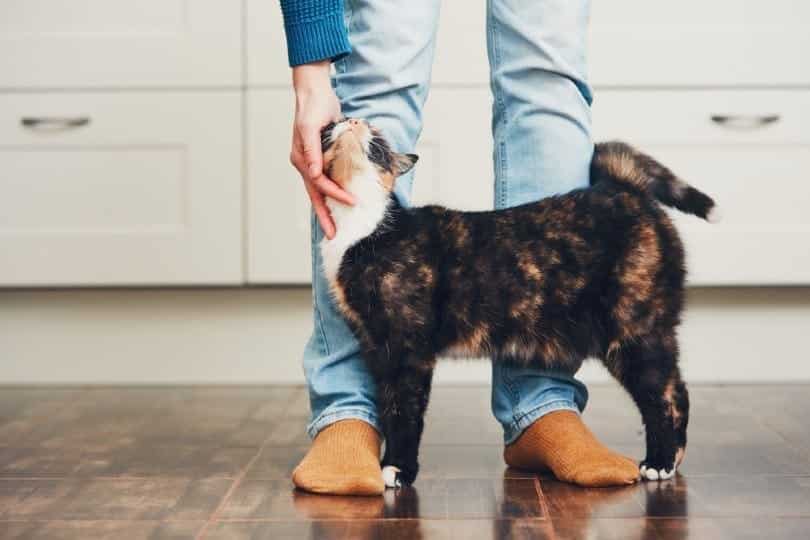
Some cats are more loving than others, and some are even avid cuddlers! Many cat parents are familiar with their furry friends rubbing up against them, nuzzling, or licking them for attention. Other felines are sparser with affection or even seem standoffish. You may see subtler signs of love from them, like the classic half-lidded gaze that signals a cat’s happiness or contentment.

How to Bond With Independent Cats

You don’t get to choose your cat’s personality, and establishing a bond with reclusive or shy kitties can be challenging. Let’s take a brief look at some ways you can help strengthen your connection to your furry friend without scaring or pushing them.

Independent Cat Bonding Tips:
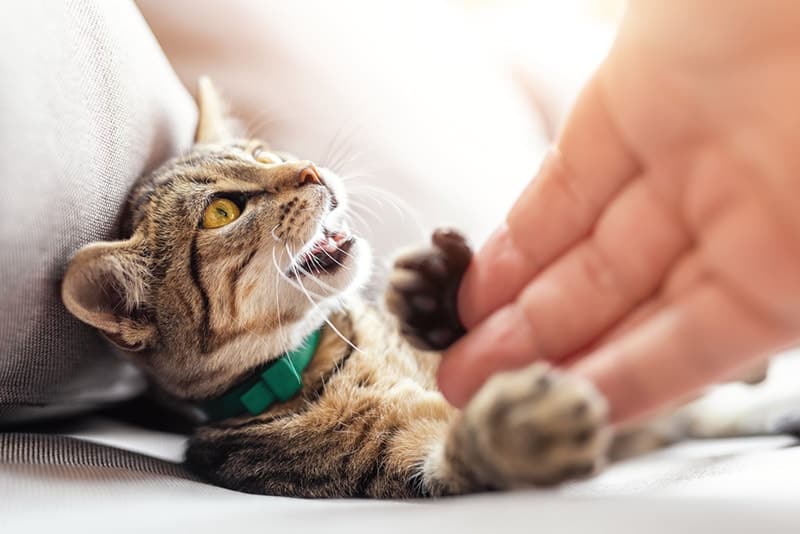
  • Let them make the first move. Cats are cautious and may not respond to repeated overtures of friendship until they feel comfortable.
  • Use positive reinforcement. Create positive associations by giving your cat treats or food when they come to you or show you attention.
  • Establish a routine. All creatures thrive with routine, and a cat that knows what to expect from day to day will be more at ease with you.
  • Enrich their environment. Ensure your cat has all the resources it requires so it can exhibit its natural behavior and feel fulfilled. Cats need items like toys, vertical perches, and scratching posts to relieve stress. Without any way to blow off steam, a cat can get anxious and avoid human contact altogether. 
  • Provide physical exercise. Play with your cat as a way for them to use up any excess energy, particularly in the case of indoor cats, but also to bond and keep in good shape, thus reducing the risk for obesity.

divider 3 paws

Conclusion

Cats are more solitary pets than dogs, and they see us more as companions than someone that takes care of them. Some cats are more private and shyer than others, but consistent attempts to bond will go a long way.


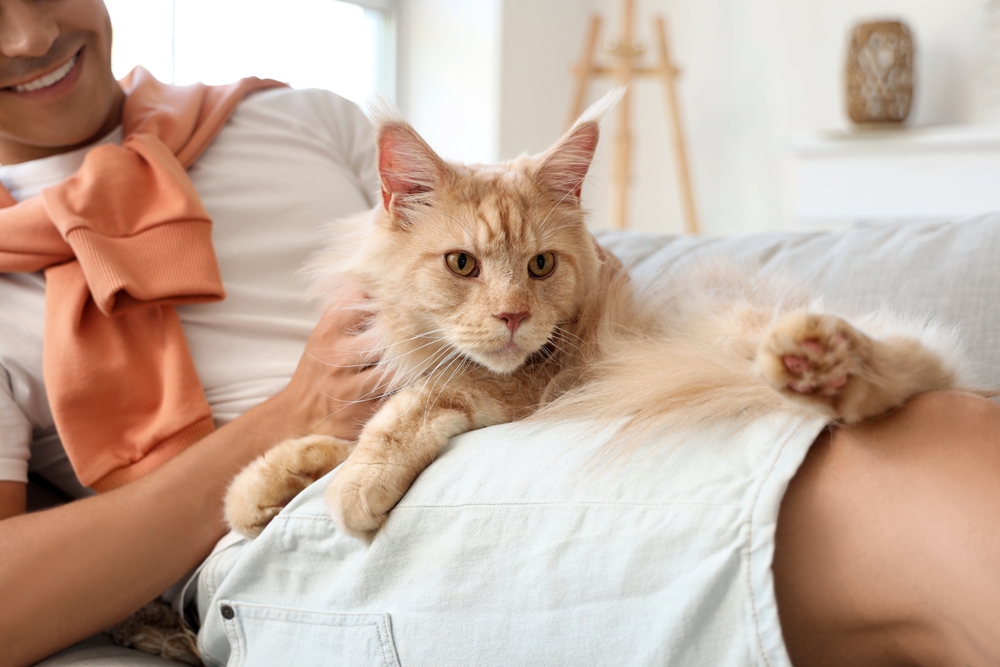
Featured Image Credit: Aaron Zimmermann, Shutterstock

Want content like this delivered to you?

Sign Up For Our Newsletter

News, insights, expert advice, and everything cat

* By submitting, you agree to our Terms & Conditions and Privacy & Cookies Policy.


How useful was this post?

Click on a star to rate (you can leave written feedback after clicking submit)

Help us improve Catster for pet parents!

Your feedback really matters.

What did you like about this post? Also how can we improve it?

Join the conversation

4 Responses

  1. thank you catster for all your help on why cats are more independent than dogs. I needed this for my debating this website was and is an helpful website thank you and I like cats more

    thanks for your fantastic points for me
    kind regards quezon

    1. Thanks for your kind comments Quezon. We are very happy to hear you find our post useful.

Leave a Reply

You’re very welcome to leave a comment or question. Please know that all comments must meet our community guidelines, and your email address will NOT be published. Let’s have a positive and constructive conversation.


Catster's Digital Magazine is Back!

Vet-approved health & behavior advice

Real cat stories & community features

When a Cat Becomes a Water Fountain – Why Cats Vomit After Drinking

Seeing a cat drink water and then promptly bring it back up can be confusing. Sometimes the explanation is fairly simple, particularly if...

Chatting About Sleeping Positions, Loafing & Cats in Tubes | Chatty Cattys, Episode 33

In this episode of Catster’s Chatty Cattys podcast, Dr. Karyn and Nicole dive deep into the fascinating world of feline sleep behaviors. From...

The Bite Stuff: The Truth Behind a Cat’s Sudden Nip

A cat bite that seems to come out of nowhere is one of the more confusing things a cat owner deals with. Everything...

Your Cat’s Purr Proves They’re One of a Kind

There are few sounds more comforting to a cat parent than the familiar rumble of a purring cat. You probably know your own...

More related

Is It True That All Cats Have Henry’s Pocket? Vet-Verified Facts & FAQ

It’s not where we would choose to have a pocket, but Henry’s Pocket isn’t there for cats to keep their keys and change...

10 Natural Home Remedies for Cats With Fleas (Vet-Verified)

Fleas can be a real pest to deal with once your cat picks them up, and if left untreated, fleas can become very...

10 Most Popular Vet Apps for Your Pet (2026 Update)

Pet apps have become all too familiar with the modern pet parent. With more and more people seeking virtual pet care services, we’ve...

Can Cats Recover From Hind Leg Paralysis? (Vet Answer)

If you have a cat with hind limb paralysis, you would do anything to help them get better. But in the face of...

Keep reading

How Many Hours Do Kittens Sleep? Early Habits & Behaviors Explained (Vet-Verified Info)

Cats love to sleep, and no kitty loves to sleep more than a newborn does! New kittens sleep most of the day away, being awake only for brief intervals to nurse. The youngest kittens sleep an average of roughly 22...

Kitten sleeping on a pillow

How to Tell the Sex of a Kitten: Vet-Reviewed Guide (With Infographic)

While it’s exciting to meet a litter of newborn kittens, it can be tricky to tell which of your fluffy new friends are male or female. Despite knowing how to tell the gender of a kitten, even experts can have...

Domestic kittens

Can Cats Smell Other Cats on You? Does This Make Them Jealous?

Last weekend, when you went to that house party, and your friend’s cat curled up in your lap, did your cat give you one sniff when you got home and then shun you for the rest of the night? Are...

cat smelling woman's chin

Do Persian Cats Shed? Vet-Verified Facts & Grooming Tips

If you have had your eye on the beautiful Persian cat, you may wonder a little about the grooming. After all, one of the best qualities about this cat is their long, lustrous fur. With coats like that, they are...

Persian cat and a pile of cat hair

Cat Spraying vs Peeing: Vet-Verified Differences

Dealing with your cat peeing inappropriately in your home can be exceedingly frustrating. Many cat owners don’t realize there’s a difference between your cat peeing and spraying. While it may not seem like it, the distinction is important because several...

Can Cats Eat Macadamia Nuts? Vet-Approved Facts & FAQ

There’s no denying that macadamia nuts are a delicious treat for us humans, and you might even find your cat is interested in them. While these are a good, albeit high-calorie, snack for people, macadamia nuts should not be fed...

Can Cats Eat Macadamia Nuts

How to Stop a Cat From Suckling: 6 Vet-Approved Tips for Prevention

Kittens often engage in suckling for a variety of reasons, including because they were weaned too early or find it comforting. This is a fairly normal behavior in kittens, but sometimes it continues into a feline’s adulthood, and while the...

cat-suckling-blanket

8 Cleaning Products Toxic to Cats: Vet Approved Facts & Toxicity Explained

Many modern cleaners are filled with chemicals that are potentially harmful to cats. People use these products regularly (or even daily) without knowing the risks. If you clean with concentrated disinfectants, you could be putting your favorite feline at risk....

woman-holding-bucket-of-cleaning-products

Love Cats? So Do We! Join the Catster Community

Stay informed with expert pet care insights delivered straight to your inbox! Discover professional guidance on animal behavior, feeding tips, trusted product picks, and much more.


Sign up for the Catster Email Newsletter

Stay informed with expert pet care insights delivered straight to your inbox! Discover professional guidance on animal behavior, feeding tips, trusted product picks, and much more.