Are Cats Social Animals? Vet-Approved Facts


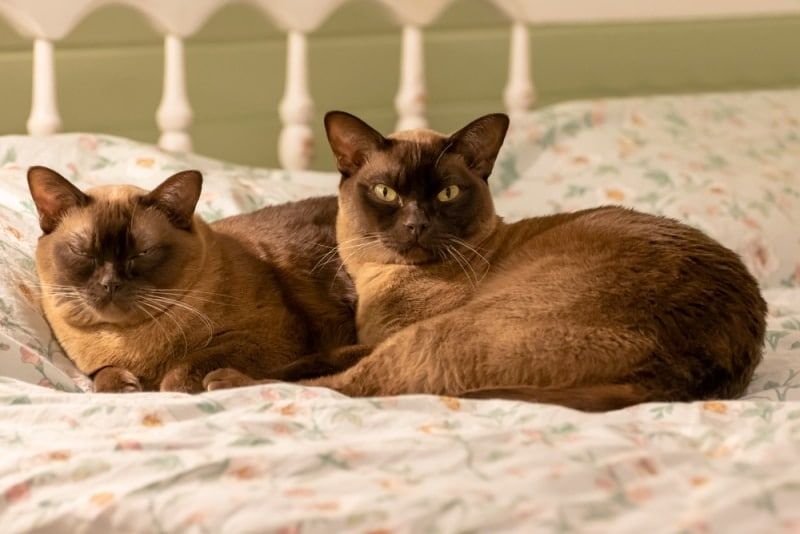
Dogs and cats are the two most popular pets worldwide, but their reputations differ. While dogs are considered friendly pets that want to be part of a pack, cats are considered independent loners that are fine on their own. So, do cats like other cats? In reality, cats are also social animals in the right circumstances.
In this article, you’ll learn more about the social lives of cats, both in the wild and at home, and whether kitties enjoy the company of other felines. If you’re thinking of adding a second cat to your home, we’ll give you some tips on how to make the transition successful.

The (Not-So-Secret) Social Lives of Cats
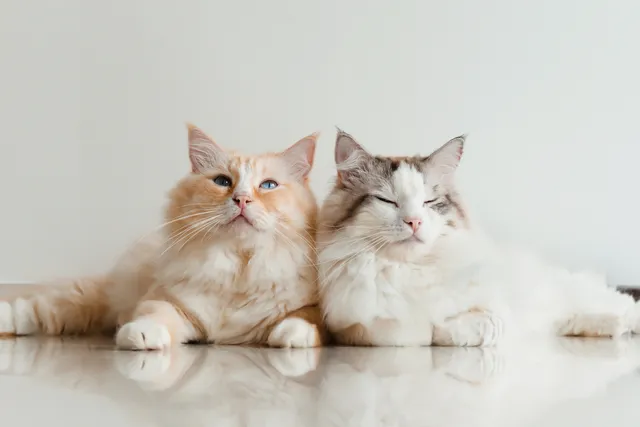
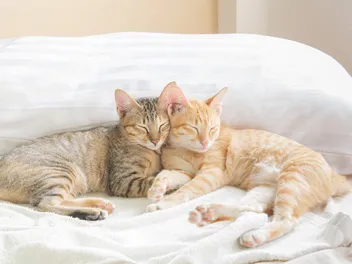
Cats are primarily social with other kitties that are related to them.1 Stray domestic cats and wild felines form family groups based around a mother and her kittens. Kittens may stay with the group for the first 12-18 months of life before leaving the group.
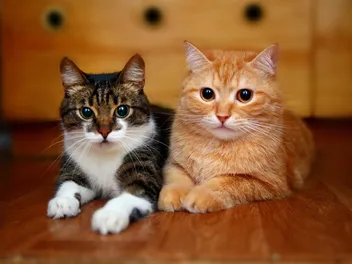
Outdoor cat groups can vary in size based on how much food they can find to survive. When resources are scarce, cats become less social and more focused on finding food. Indoor pet cats can be more unpredictable regarding their social lives. Kittens typically get along, especially if they’re littermates. However, adult cats won’t always like being around other grown cats they aren’t related to. Many pet cats meet their social needs by bonding with their humans or even the family dog.

Does My Cat Need Another Cat?
An adult pet cat may be perfectly content to live as an “only child.” However, some cats may be bored or lonely and would benefit from a companion. Here are some signs that may indicate that your kitty is ready for a friend:
Remember that these signs can indicate various medical and behavioral conditions, so you should talk to a veterinarian if you notice them. A vet can help you rule out any medical problems first and counsel you on managing any behavioral issues. They can also help you decide if getting another cat is the solution to your pet’s problems.
Tips for Adding Another Cat to the Family
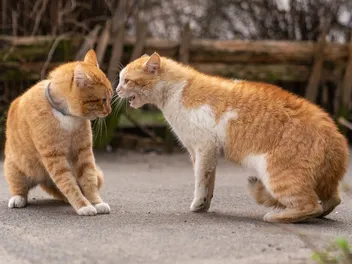
If your cat has previously shown aggression towards other cats, either visitors or outside kitties, it may not be wise to bring home another one. Again, adult cats aren’t naturally inclined to socialize with unfamiliar felines.
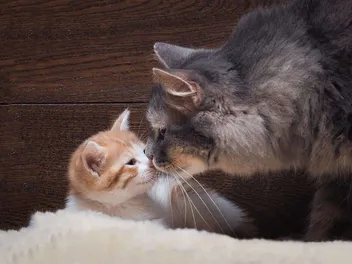
Adult cats are more likely to accept a kitten, so adopting a baby cat may increase your chances of a successful introduction. Making sure both animals are spayed or neutered is also highly recommended.
Cats are territorial animals, so you must have enough space for everyone to retreat to their comfortable corners if needed. Ensure there are enough beds, hiding places, litter boxes, food and water bowls, scratching posts, and toys to go around so the cats don’t need to compete for resources.
Introduce the cats to each other slowly, ideally allowing them to get used to each other’s scent first. For example, keep the new cat separated from your original feline but feed them on either side of a closed door. This lets the cats smell each other and form a positive association with the new scent because they’re enjoying a meal.
Watch for any signs of aggression or stress once the cats are allowed to interact. Despite your best efforts, there’s no good way to predict how two unrelated cats will get along. Ask a veterinarian for help before your home descends into a feline battleground.

Conclusion
Cats aren’t always considered social creatures, but related kitties can form strong family groups. Not all indoor pet cats enjoy the company of others, however, and may experience stress and anxiety if forced to live with other felines. Don’t assume your cat is lonely living alone, especially if you can give them plenty of attention and social interaction. Adding a new pet is a big decision for anyone, so don’t feel pressure to provide a feline friend for your kitty. They might be just fine without one!
Sources
Featured Image Credit: Sergey Neanderthalec, Shutterstock
Expert cat care, straight to your inbox
News, insights, and useful advice, delivered to you.

No spam — unsubscribe anytime.
By signing up, you agree to our Terms & Conditions and Privacy & Cookies Policy.
How useful was this post?
Click a star to rate. You can leave written feedback afterwards. (We read all feedback.)
Elizabeth Gray is a lifelong lover of all creatures great and small. She got her first cat at 5 years old and at 14, she started working for her local veterinarian. Elizabeth spent more than 20 years working as a veterinary nurse before stepping away to become a stay-at-home mom to her daughter. Now, she is excited to share her hard-earned knowledge (literally--she has scars) with our readers. Elizabeth lives in Iowa with her family, including her two fur kids, Linnard, a husky mix and Algernon, the worldʻs most patient cat. When not writing, she enjoys reading, watching all sports, and spending time outdoors with her family.