Maine Coon vs Turkish Angora: The Differences (With Pictures)


In this article
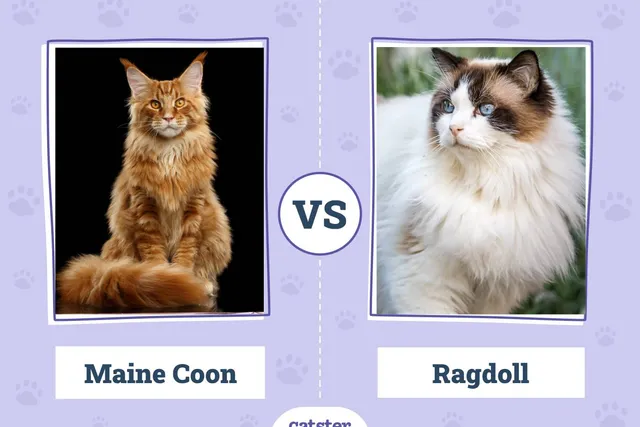
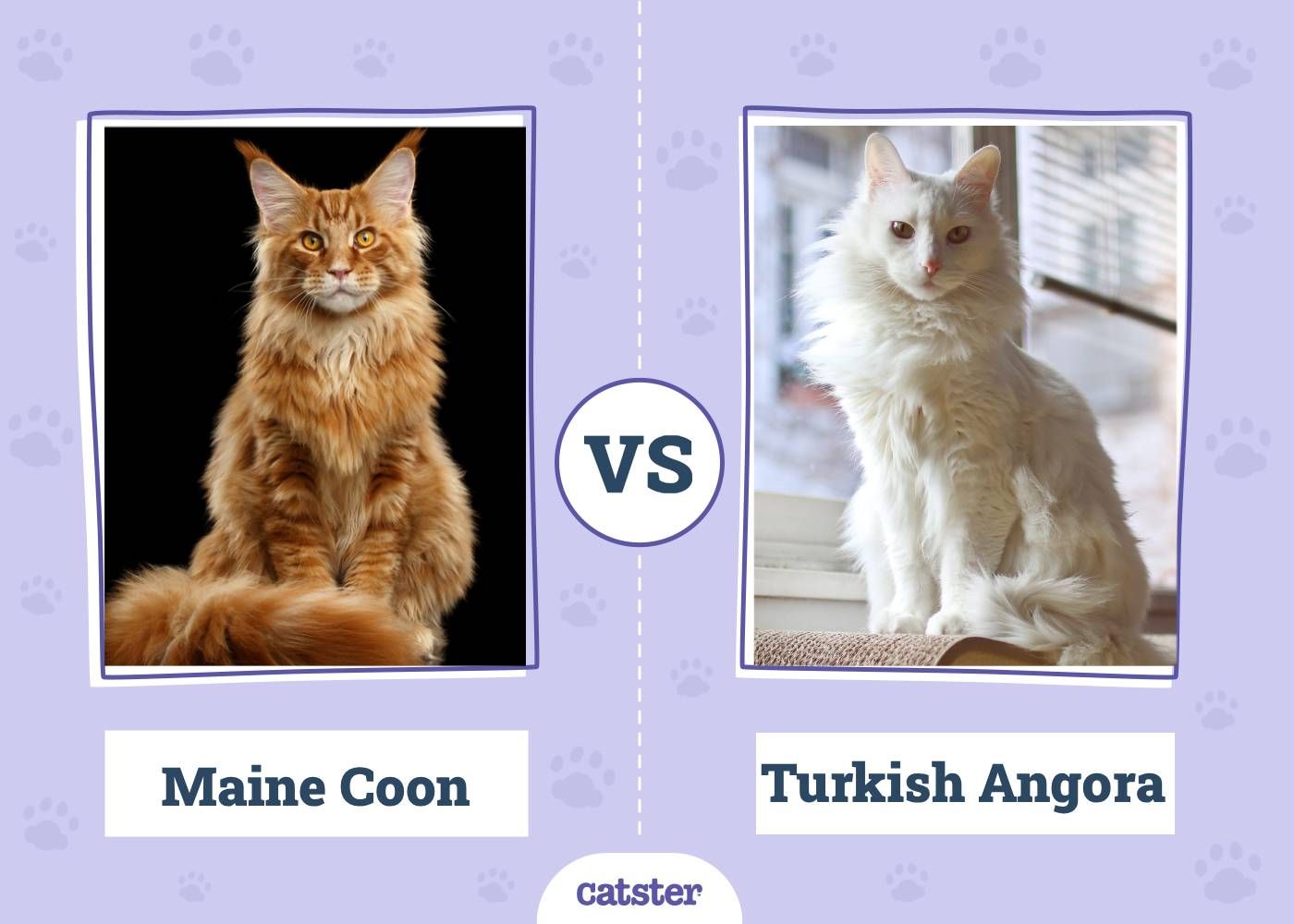
Are you a cat lover looking to bring a new feline friend into your home? With so many breeds to choose from, it can be tough to decide which one is the perfect match for you. Two popular choices are the Maine Coon and the Turkish Angora. Both breeds have unique characteristics that make them great pets, but which one is right for you? The Maine Coon is known for its large size, friendly demeanor, and fluffy coat, while the Turkish Angora is sleek, elegant, and highly intelligent. So, in this guide, we will explore the differences between these two breeds, their personalities, and what lifestyle factors you should consider before making your choice.

Visual Differences

At a Glance

Maine Coon Overview

History
Maine Coon cats are said to be one of the oldest natural breeds in North America. Their origins are shrouded in mystery, but there are several theories as to how they came to be. One theory argues that these cats are actually descendants of six Angora cats that were brought over by English seafarers in the 1700s. Another theory suggests that Maine Coon cats are a cross between domestic cats and wild cats, such as bobcats or lynx, but there is no scientific evidence supporting this theory.
Maine Coon cats were first recognized as a breed in the late 1800s, and they quickly became popular among cat lovers. They were even exhibited at the first cat show in the United States, held in Madison Square Garden in 1895. Maine Coons were also used as working cats on farms and ships, where their hunting skills and friendly personalities made them excellent companions.
Personality / Character
Maine Coon cats are known for their friendly and affectionate personalities. They're often called "gentle giants" because of their large size and gentle nature. Maine Coons are great with children and other pets, and they love to be around people. These large cats are also very intelligent and playful, and they enjoy playing with toys and solving puzzles.
You may be surprised to find that they're also very vocal cats. They have a surprisingly wide range of vocalizations, from chirps and trills to meows and purrs. These cats are known for their distinctive "chirping" sound, which they use to communicate with their owners. Maine Coon cats are also great hunters. They have excellent hunting instincts and love to catch mice, birds, and other small animals.

Appearance
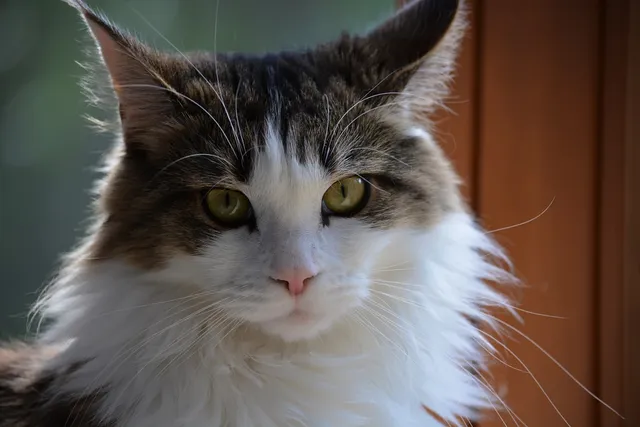
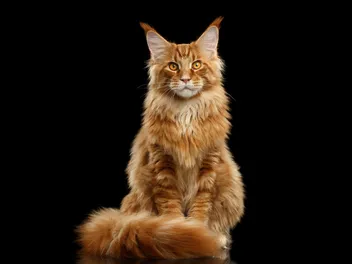
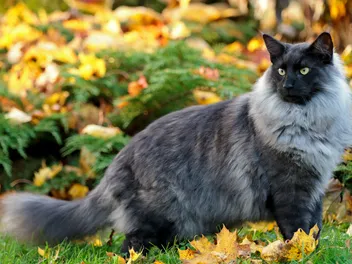
Maine Coon cats are known for their large size and cute, super-fluffy coat. They’re one of the bigger cat breeds. Most males tend to weigh between 13 and 17 pounds, and females can weigh between 8 and 12 pounds. Maine Coons have bushy tails, tufted ears, and a distinctive tuft of fur around their necks.
These cats come in a variety of patterns and colors, including tabby stripes, solid colors, and tortoiseshell. Some even have extra toes, a trait known as polydactylism. One of the most distinctive features of Maine Coon cats is their tufted ears. These tufts of fur are thought to help protect the cat's ears from the cold, but they also give the cat a wild, exotic look.
Training
Maine Coon cats are smart, and as a result, these cats require plenty of mental and physical stimulation to stay healthy and happy. They enjoy playing with toys, solving puzzles, and exploring their surroundings. You can train your Maine Coon cat to do tricks and obey simple commands using positive reinforcement techniques, such as treats, a clicker, and praise. They're also really good at learning how to use a litter box and scratching post. These cats also love to explore their surroundings. You can provide them with plenty of opportunities for exercise and training by setting up a cat tree or providing them with toys that encourage climbing and jumping.

Health & Care
One of the essential aspects of Maine Coon cat care is regular vet check-ups (about every 6–12 months). As these cats are prone to specific health issues such as hip dysplasia, heart disease, and kidney problems, regular visits to the vet can help identify these problems early on and allow for earlier management and monitoring.
Another critical aspect of Maine Coon cat care is maintaining a healthy diet. These cats have a hearty appetite and require a balanced diet that includes high-quality protein, healthy fats, and essential nutrients. Avoid feeding them table scraps (like bread, cheese, and bones) or treats that are high in calories, as it can lead to obesity and other health issues.
In terms of grooming, these cats will require regular grooming to keep their long and silky coats healthy and shiny. Brushing their fur at least once a week (ideally 2–3 times a week) can help prevent matting and hairballs. Additionally, maintaining proper dental hygiene is crucial for their overall health. Regular teeth brushing can help reduce the risk of periodontal disease, which is common in older cats.
Suitable For:
Maine Coon cats are suitable for singles or families looking for easy-going cats that can be trained and get along with other animals.
Turkish Angora Overview

History
The history of Turkish Angoras dates back to the 15th century, when they were first documented in Turkey. These cats were highly valued for their beautiful white fur and were often kept as pets by the wealthy. Turkish Angoras were also used to control rodents in households and ships, making them highly sought after.
In the 16th century, Turkish Angoras were exported to Europe, where they became popular among the wealthy and royalty. However, during the 18th and 19th centuries, their popularity declined, and they almost became extinct due to crossbreeding with other breeds.
Fortunately, a concerted effort was made to preserve the breed, and they were reintroduced to Europe and the United States in the early 20th century. Today, Turkish Angoras are recognized as a distinct breed by cat associations worldwide.
Personality / Character
Turkish Angoras are known for their affectionate and playful nature. They're smart, curious, and love to explore their surroundings. These cats are highly adaptable and can adjust to different environments and people. They are also social and enjoy the company of other cats and humans.
Turkish Angoras are known to be vocal and will often meow to communicate with their owners. They're also active and love to play games, such as fetch and hide-and-seek. These cats are loyal and form strong bonds with their owners, often following them from room to room.
Appearance
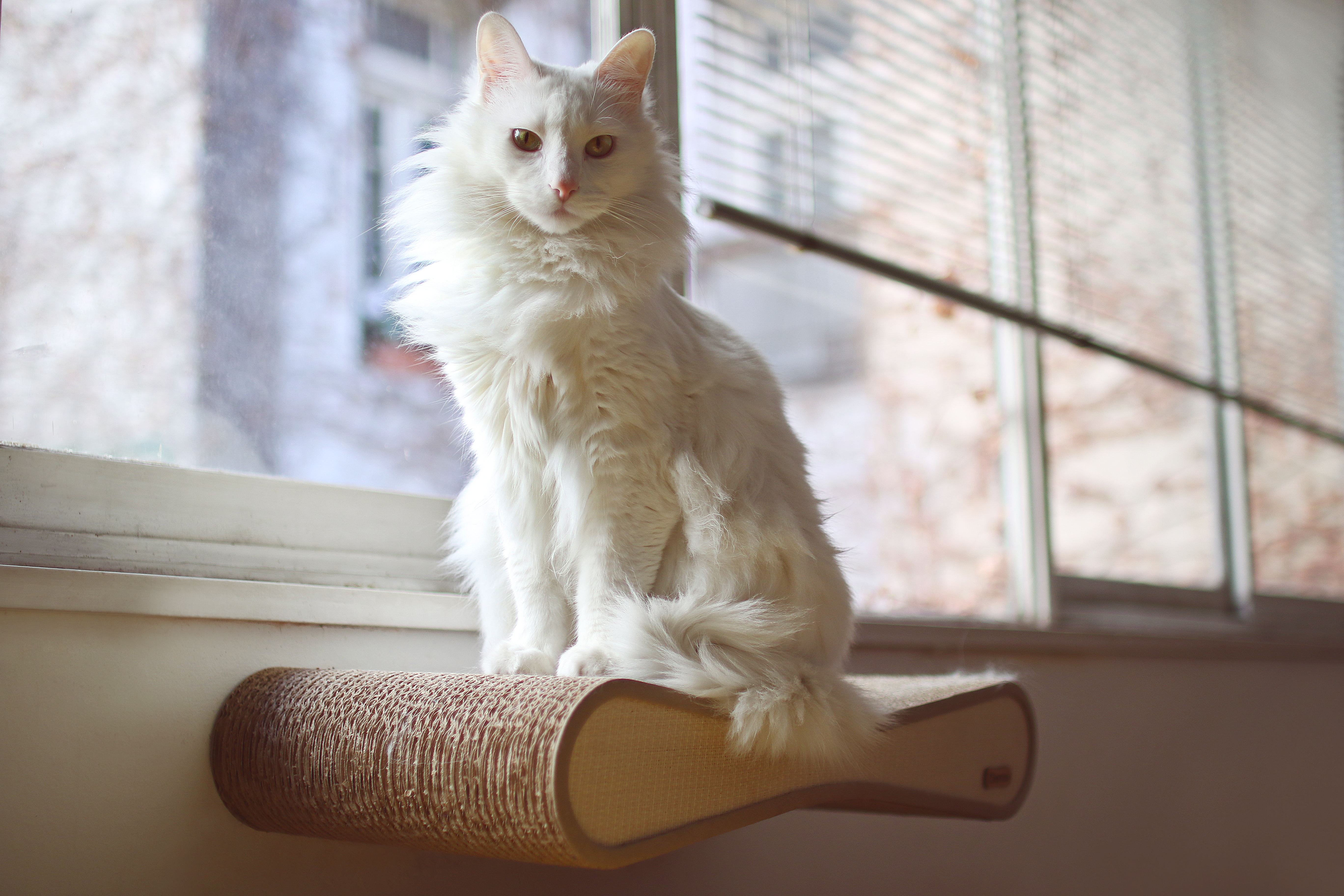
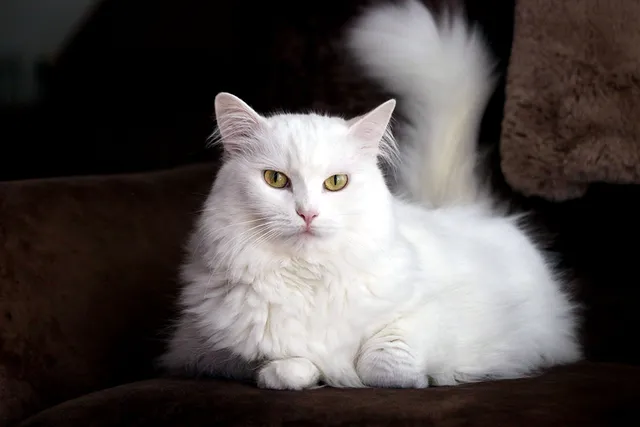
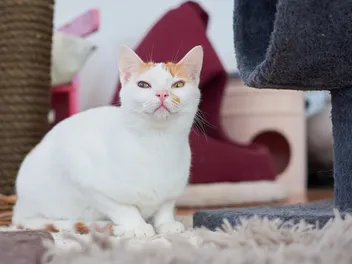
These cats are a medium-sized breed, with males weighing between 8 to 12 pounds and females weighing anywhere from 6 to 9 pounds. They have a rather muscular build and are known for their strong and flexible bodies. But the most distinctive feature of Turkish Angoras is their long, silky, and soft fur. Their fur can be white or any other color, but the white variety is the most famous.
Turkish Angoras are also known for their gorgeous, bright blue, green, or amber eyes, which are almond-shaped and set at a slight angle. These cats have a triangular-shaped head with high cheekbones and a straight profile. Their ears are large and pointed, and their noses are straight and medium in length.

Exercise
Turkish Angoras are a highly active breed of cats and require regular exercise to maintain their health and happiness. They enjoy playing games and exploring their surroundings, so it's essential to provide them with plenty of toys and opportunities to play.
Interactive toys, such as feather wands and laser pointers, are great for stimulating their minds and keeping them active. Puzzle feeders and treat balls are also great for providing mental stimulation for these cats. In addition to indoor play, Turkish Angoras also enjoy outdoor activities. However, it's essential to supervise these curious felines and keep them on a leash or in a secure enclosure to prevent them from wandering off.
Training
Turkish Angoras are intelligent and can be trained to do various tricks and behaviors. However, it's essential to use positive reinforcement techniques and to stay consistent when training them. They can be a bit stubborn, so it's best to do training in small increments, and starting with simple obedience commands can be really helpful. Once they master these commands, you can move on to more complex tricks, such as rolling over, jumping through hoops (literally), and giving a paw.

Health & Care
Turkish Angoras are generally healthy cats, but like all breeds, they are prone to certain health issues. Some of the common health concerns for Turkish Angoras include hypertrophic cardiomyopathy (HCM), polycystic kidney disease (PKD), and deafness (in white Turkish Angoras). But regular visits to the vet can help detect and treat any health issues early on. As far as grooming goes, they will require regular grooming to maintain their beautiful fur and prevent matting and tangles in their medium-length fur. So, try to brush it every 2–3 days to keep it tangle-free.
Suitable For:
Turkish Angoras are suitable for singles or families who are OK with a cat that’s friendly, but that can also be stubborn. They are also ideal for owners looking for active cats that enjoy indoor/outdoor activities.
Which Breed Is Right for You?

To wrap things up, it ultimately comes down to what you are looking for in a feline companion. Deciding on the right cat breed for your household can be a difficult task. The Maine Coon is known for its large size and gentle, friendly personality – they make great family pets. They enjoy human interaction and have a playful nature. On the other hand, the Turkish Angora is a smaller breed with a more independent personality. They're known for their intelligence and can be taught tricks and commands. In terms of grooming, both breeds require regular maintenance. The Maine Coon has long, thick fur that needs to be brushed frequently to prevent matting. The Turkish Angora has a long, silky coat that also requires regular brushing to prevent tangles. Ultimately, the decision between these two breeds comes down to personal preference.
Sources
Featured Image Credit: Left -Seregraff, Shutterstock | Right - Aymara Herrera, Shutterstock
Expert cat care, straight to your inbox
News, insights, and useful advice, delivered to you.

No spam — unsubscribe anytime.
By signing up, you agree to our Terms & Conditions and Privacy & Cookies Policy.
How useful was this post?
Click a star to rate. You can leave written feedback afterwards. (We read all feedback.)
Christian started writing for a local newspaper as a teenager, and he's been involved in the publishing industry for most of his adult life. Combining his love of writing with a passion for animals, he is currently the Director of Editorial at Pangolia and the Editor-in-Chief at Catster.
Christian lives in the Philippines with his wife, son, and four rescue cats: Trixie, Chloe, Sparky, and Chopper.