14 Rarest Cat Breeds in the World (With Info & Pictures)

Along with dogs, cats are one of the most common and popular pets in the world, with the vast majority of pet cats being moggies or mixed breeds. There are, however, dozens of pedigree breeds around the world, including some like the Ragdoll and Maine Coon which are popular pet breeds and are seen in homes in most countries.
Others, like the Sokoke, are very rare and even if you did want one as a pet, they cost a lot of money and it can be very difficult to locate a reputable breeder. Below are 14 of the rarest cat breeds in the world, many of which you may not have even heard of.

The 14 Rarest Cat Breeds in the World
1. American Wirehair

Breed Overview
Height:
Weight:
Lifespan:
Colors:
Suitable for:
Temperament:
The American Shorthair is a well-known breed, but the American Wirehair is considered a rare breed. The breed was developed to hunt rodents including mice and rats and was first bred in New York. Rather than the soft coat of breeds like the Shorthair, it has a wiry coat. These rare cats are becoming more popular, but it remains an unusual breed, especially outside the US.
2. Burmilla Cat

Breed Overview
Height:
Weight:
Lifespan:
Colors:
Suitable for:
Temperament:
The Burmilla was originally bred in the UK, in 1981, as a cross between the Burmese and a Chinchilla Persian cat. Of the parent breeds, the Burmese is confident but demanding while the Persian is more laid back. The resulting Burmilla breed is affectionate but not too demanding of your time and attention—it still retains a little independence.
3. Chartreux Cat

Breed Overview
Height:
Weight:
Lifespan:
Colors:
Suitable for:
Temperament:
While some of the rare cats on this list are relatively new, helping to explain why they're so uncommon, this isn’t true of the Chartreux. This French breed has been used for hunting and has the skills to boost. It is a quiet cat, enabling it to sneak up on its quarry. It is also agile, muscular, and very athletic, so it is well-equipped for any chase that might ensue. In the home, the Chartreux likes to observe but retains its independence. It does show affection but is not usually an overly cuddly cat.
4. Cornish Rex

Breed Overview
Length:
Weight:
Lifespan:
Colors:
Suitable for:
Temperament:
While the Devon Rex has become a popular breed in the US, the Cornish Rex, which comes from one county away from the Devon Rex, has not gained the same popularity. The Cornish has a curly coat and is a very good hunter. Owners need to find new and fun ways to entertain their Cornish Rex, or they can get bored.
5. Egyptian Mau Cat

Breed Overview
Height:
Weight:
Lifespan:
Colors:
Suitable for:
Temperament:
The Egyptian Mau is a fairly slender cat that has a coat consisting of a base color with black spots. It is the perfect mix of lively and loving. It is also one breed that enjoys playing in the water and it is highly intelligent, which means that you may find it playing in the shower and you will need to offer plenty of stimulation and entertainment.
6. Korat

Breed Overview
Height:
Weight:
Lifespan:
Colors:
Suitable for:
Temperament:
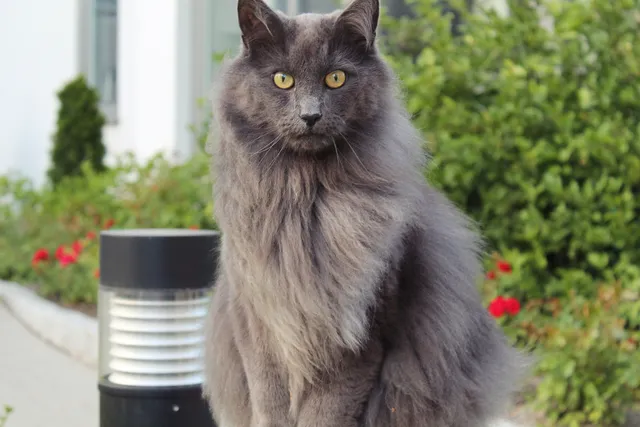
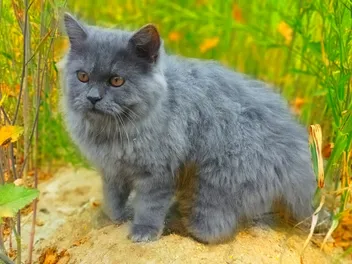
Hailing from Thailand, the Korat is a very rare cat indeed. In their homeland, Korats are considered lucky, but their rarity means that you may have a hunt on your hands. The cat was originally kept as companions in temples, and they have a beautiful blue coat that really does grab attention.
7. Kurilian Bobtail Cat

Breed Overview
Height:
Weight:
Lifespan:
Colors:
Suitable for:
Temperament:
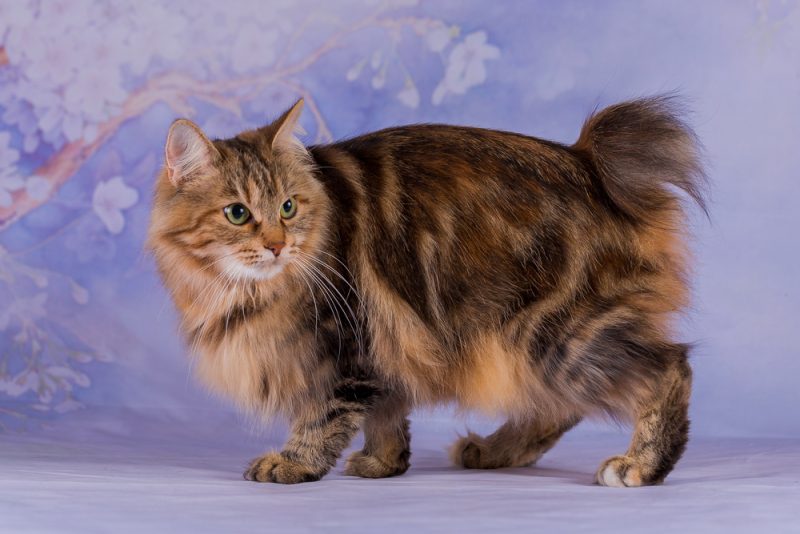
The Kurilian Bobtail Cat is a natural breed, which means that it developed and bred naturally rather than intentionally bred by people. It typically has the short tail that gives it the Bobtail name. This breed is a slow developer, growing and maturing until it reaches 5 years of age. This is because the breed can live as long as 20 years.
And, if you are fortunate enough to find a breeder, a Kurilian Bobtail kitten can cost thousands of dollars.
8. LaPerm Cat

Breed Overview
Length:
Weight:
Lifespan:
Colors:
Suitable for:
Temperament:
The LaPerm cat originates in the US and can be difficult to find in other countries. Its most notable feature is its coat, which looks crimped or like a very loose perm. The breed is small, typically only weighing around 6 pounds, and it is known for being vocal and playful. It may not be the best choice of breed for owners that want a quiet life.
9. Minskin Cat

Breed Overview
Height:
Weight:
Lifespan:
Colors:
Suitable for:
Temperament:
The Minskin is a breed that was based on the short-legged Munchkin cat, combined with the hairless features of the Sphynx. It was developed in Boston, so the US is your best bet to find one of these breeds but there are very few of them in the world so it will be very difficult to find one. This breed may struggle with posture and mobility issues, as well as issues relating to the thin patches of fur and minimal protection offered to the skin.
10. Norwegian Forest Cat

Breed Overview
Height:
Weight:
Lifespan:
Colors:
Suitable for:
Temperament:
The Norwegian Forest Cat may be one of the better-known cats on this list, but it is still very difficult to find. Despite the name, it is believed that this breed does not really have any wild ancestors, and has been bred by humans, but its incredible coat does make it look like it belongs in a forest. That coat will require a lot of care and attention so expect to spend some time brushing and grooming.
11. Peterbald

Breed Overview
Height:
Weight:
Lifespan:
Colors:
Suitable for:
Temperament:
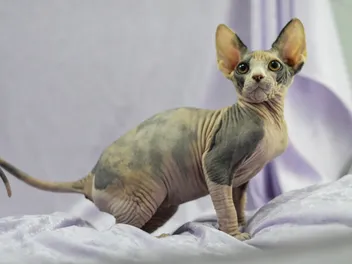
The Peterbald is another breed that is ideal for lovers of hairless cats. The Peterbald can be completely hairless, or it may have a layer of fuzz on its skin. It is also intelligent and athletic, with energy to burn. Other than its coat, or lack thereof, the Peterbald is also known for having big ears.
12. Sokoke Cat

Breed Overview
Height:
Weight:
Lifespan:
Colors:
Suitable for:
Temperament:
The Sokoke is arguably the rarest breed in the world. It hails from the coast of Kenya, where it is known for being a feral breed. As a feral breed, the Sokoke needs lots of exercise and can become bored quickly—if you let it outdoors, it may spend most of its time outside. It has only really started to gain recognition as a breed since 2015 so it may become more popular and widespread as its recognition increases.
13. Tonkinese Cat

Breed Overview
Height:
Weight:
Lifespan:
Colors:
Suitable for:
Temperament:
The Tonkinese is a cross between the Siamese and the Burmese breeds. Although the first occurrence of the Tonkinese was an accident, it was intentionally bred from the 1950s onwards. They are affectionate cats that like a lot of attention and need plenty of exercise. They also have a long lifespan of up to 18 years.
14. Turkish Van

Breed Overview
Height:
Weight:
Lifespan:
Colors:
Suitable for:
Temperament:
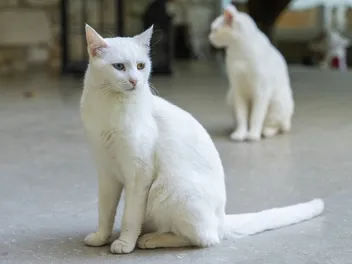
The Turkish Van is a long-haired cat, that hails from Turkey, but despite its long coat, it is not a high-maintenance cat. The coat isn’t prone to matting or knotting and it doesn’t shed heavily, which means it is a suitable breed for those with cat allergies. The Van loves water and is a playful breed. Its almost pure white coat also makes it a popular breed with those who can find it.

Conclusion
While some breeds of cats are quite common, the 14 breeds listed above can be very difficult to find. If you are looking for a rare-breed cat, you still need to be diligent when choosing a breeder. Try to meet the parent cats, ask for documentation of the cat’s breed, and try to look around the premises before you commit to buying.
Sources
Featured Image Credit: everydoghasastory, Shutterstock
Expert cat care, straight to your inbox
News, insights, and useful advice, delivered to you.

No spam — unsubscribe anytime.
By signing up, you agree to our Terms & Conditions and Privacy & Cookies Policy.
How useful was this post?
Click a star to rate. You can leave written feedback afterwards. (We read all feedback.)

Christian started writing for a local newspaper as a teenager, and he's been involved in the publishing industry for most of his adult life. Combining his love of writing with a passion for animals, he is currently the Director of Editorial at Pangolia and the Editor-in-Chief at Catster.
Christian lives in the Philippines with his wife, son, and four rescue cats: Trixie, Chloe, Sparky, and Chopper.