Get

In Your Inbox

Catster is reader-supported. When you buy via links on our site, we may earn an affiliate commission at no cost to you. Learn more.

Do Cornish Rex Cats Shed a Lot? Vet-Verified Facts & Grooming Tips

Share

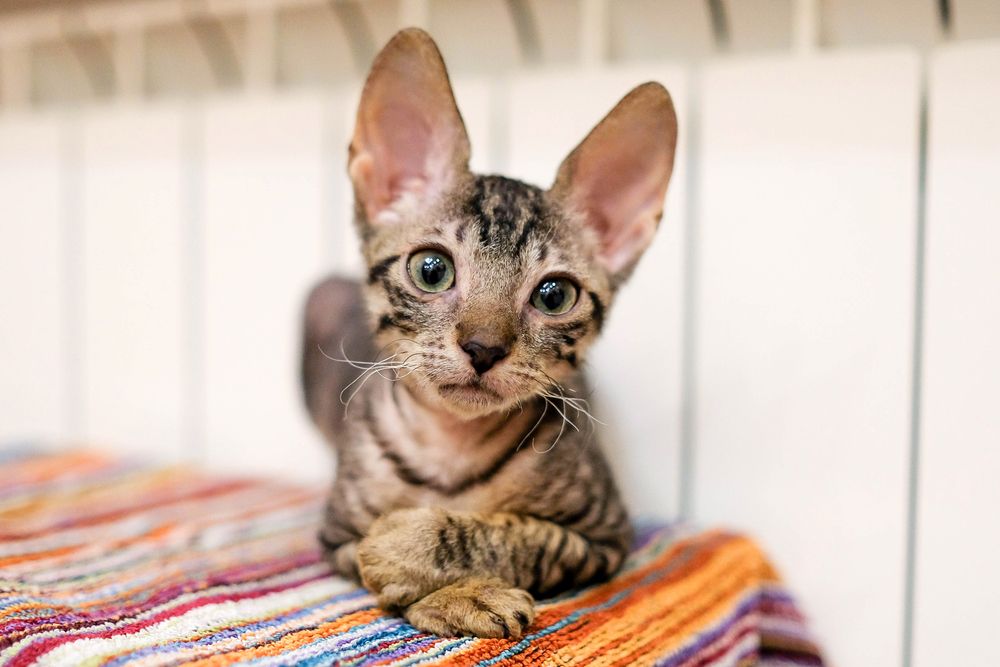
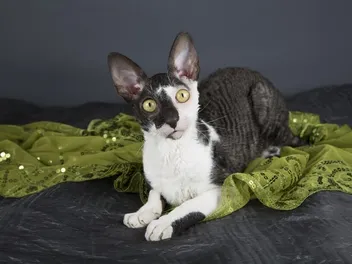
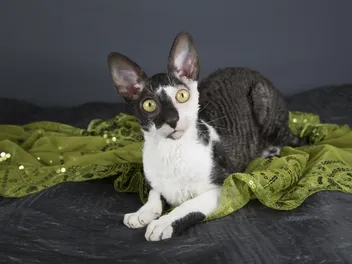
Cornish Rex kitten

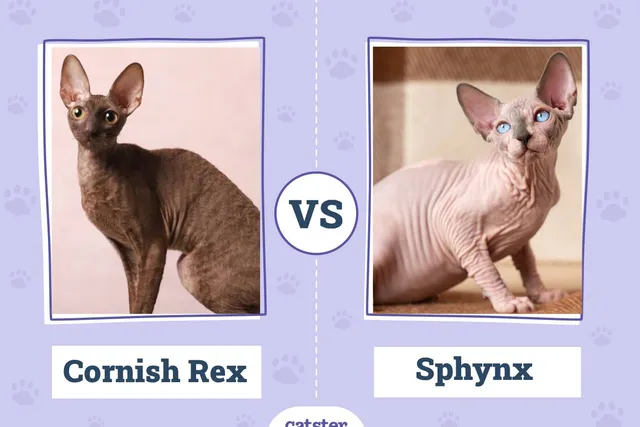
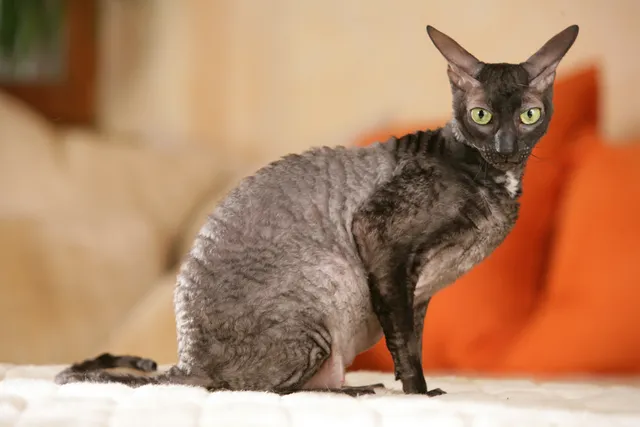
Cornish Rex cats are lovable short-haired kitties known for their playful persona and rippling soft coat that lacks coarse guard hairs. In a certain light, it looks a lot like the texture of a washboard in fur form. This might make you think they’re low-shedding and hypoallergenic, and you’d be half right. Is a Cornish Rex hypoallergenic?

Cornish Rexes shed less than the average cat due to the presence of just one layer of fur. They are not, however, hypoallergenic in the sense that you’re safe from pet allergens like fur and dander. Cornish Rexes still shed minimal amounts of fur and dander that can trigger allergies, but less so if you help them groom on a regular basis.

If you’re curious about welcoming a Cornish Rex into your home but want to learn more about them, learn tips for grooming them, or want to see some other low-shedding cats, we’ve got you covered below.

divider 3 paws

About the Cornish Rex

Cornish Rex cats are a fairly new breed tracing back to an unusual “Rex” mutation that spontaneously occurred in a litter of kittens in Cornwall, England in 1950. This gene made the breed’s fur extremely soft and devoid of guard hairs altogether. A woman named Nina Ennismore discovered this and just so happened to be familiar with the Rex gene but in rabbits! The Cornish Rex’s signature wavy rabbit-like coat sent shockwaves through the cat world, and their zany, social nature sealed the deal.

As a presumed – but not an actual – relative of the Devon Rex, the Cornish Rex is renowned for exhibiting exuberant dog-like behavior, going so far as to gallop like a Greyhound and fetch like a Golden Retriever. This is a cat for active families who can spend lots of quality time together, or else they can become anxious and occasionally destructive. With proper care, though, Cornish Rexes are some of the most fun and interactive cats you can own.

cornish rex cat walking on grass
Image By: Natalia Fedosova, Shutterstock

What Other Cats Shed the Least?

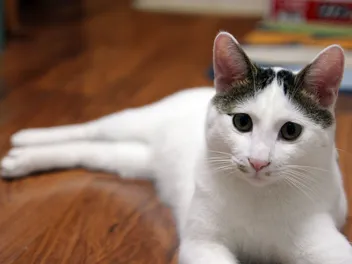
The Cornish Rex is one of a select few cat breeds that evolved to have short, low-shedding fur. They’re not hypoallergenic, but allergy-suffering cat lovers will feel more at ease and literally breathe easier with one of these cat breeds at home.

Low-Shedding Cat Breeds:
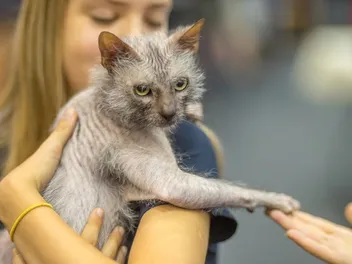
  • Devon Rex: This breed has soft, wavy fur similar to the Cornish Rex, shedding minimally. The Devon Rex only possesses guard hairs, and therefore, will probably shed even less than a Cornish Rex. This is because guard hairs are longer-lasting on average than down and undercoat fur.
  • Abyssinian: A breed with short, dense, and glossy fur that sheds remarkably little compared to other cats.
  • Bengal: This tiger wannabe breed might not look like it, but they’re consistently one of the most popular low-shedding cats you can own.
  • Siberian: The regal Siberian’s coat looks intimidating, but it sheds about the same as a shorter-haired cat.
  • Russian Blue: The plush Russian Blue coat isn’t just beautiful and nice to pet; they shed a lot less than the average cat breed.

Do Cornish Rex Cats Require Special Grooming?

No, Cornish Rexes don’t require any special intensive grooming to stay clean, neat, healthy, and presentable. In fact, they’re one of the best breeds you can get if you don’t want to worry about grooming or allergies. Like all kitties, they’re fastidious about self-grooming and keep their coat very nice. Still, there’s some stuff you could be aware of when it comes to making the most of their low-maintenance coat. Jot down these tips for an easier time later.

Cornish Rex Grooming Tips for a Cleaner Kitty:
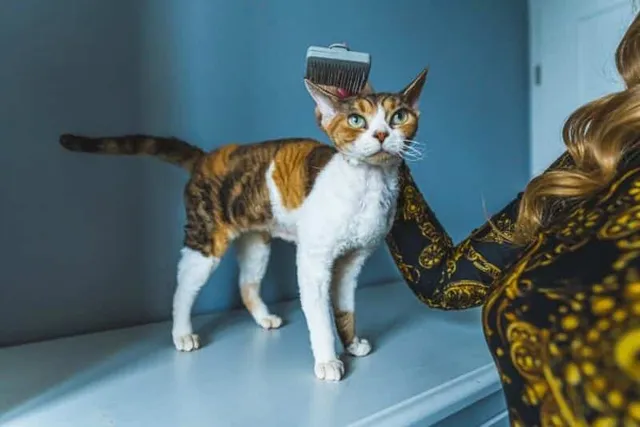
  • For dingy or dull Cornish Rex coats, groom with a soft brush to restore your cat’s natural skin oils throughout their fur, keeping it lusher.
  • Cats skeptical of brushes can be simply rubbed down with your hands, which helps redistribute oils through the fur.
  • The coat might be low maintenance, but you want to keep an eye on your cat’s nails and trim to an appropriate length every 6 weeks or so.
  • To clean dirty or clogged-up ears, never use soap or prod with Q-tips. Instead, simply wipe gently with a clean damp cloth.
  • If your cat gets covered in a liquid of some kind like cooking oil or sugary drinks, wipe down their coat with a warm, damp cloth and running water, dipping the cloth in water frequently to wash the gunk off.

divider 3 paws

Wrapping Up

Cornish Rexes are one of the feline world’s low-shedding genetic miracles, and they all owe it to a random mutation in a British barn! Though you don’t need to do much, running a soft brush over their fur and helping to keep their ears & nails clean will go a long way.


Featured Image Credit: Elena Loginova, Shutterstock

Want content like this delivered to you?

Sign Up For Our Newsletter

News, insights, expert advice, and everything cat

* By submitting, you agree to our Terms & Conditions and Privacy & Cookies Policy.


How useful was this post?

Click on a star to rate (you can leave written feedback after clicking submit)

Help us improve Catster for pet parents!

Your feedback really matters.

What did you like about this post? Also how can we improve it?

Join the conversation

Leave a Reply

You’re very welcome to leave a comment or question. Please know that all comments must meet our community guidelines, and your email address will NOT be published. Let’s have a positive and constructive conversation.


Talk With A Vet Online

Peace of mind,
anywhere, anytime

Affordable vet advice

The Cat Biting Mistakes Most Owners Make (And What Works Instead)

Cat bites sent more than 400,000 people to emergency rooms in the US each year.1 Not scratches. Bites. And the reason they’re so...

Do Cats Cause Schizophrenia? Scientists Find a Link – Here’s What It Means

Being a fierce advocate (and occasional recipient of) mental health support and awareness, the term ‘crazy’ is not one I like to fling...

One in 100 Cats Gets Diabetes – Here’s How to Catch It Early

One in every 100 cats develops diabetes.1 That’s not a rare, unlucky condition reserved for cats with obvious health problems. It’s common enough...

Dramatic Rescue Turns Into Dramatic Reunion

What started as a routine call for the RSPCA became a heroic, five-hour rescue featuring one trapped and traumatized cat, an emotional family...

More related

Male Tortoiseshell Cats: Do They Exist & How Rare Are They? Vet-Approved Facts

Cats differ from dogs in many ways, but one particularly unique way is that people often associate a particular color with the sex...

15 Fascinating Facts About Red Tabby Cats (Vet-Verified)

Plenty of us adore the gorgeous markings and fiery color of a red tabby cat, so whether you already own a red tabby...

200 Maine Coon Cat Names: Great Ideas for Your Big Cat

If you are a soon-to-be owner of a majestic, loving, and stunningly beautiful Maine Coon cat but are still tossing around name ideas,...

We Need to Talk About Juno – The Curious Case of a Klepto Kitty

Ordinarily, perpetrators of breaking & entering, petty theft, and grand larceny eventually find themselves being poked with the pointy end of the law....

Keep reading

When Do Male Cats Start Spraying? Vet-Reviewed Facts & Tips

Male cat pee has a distinct odor, and when your male cat sprays outside the litter box, you know it without a doubt. In fact, both male and female cats spray, but males do it the most. For those with...

Norwegian forest cat male marking its territory

Can Cats Have Tics? Vet-Verified Signs, Causes, Treatment & More

Have you ever noticed your cat twitching uncontrollably or showing some type of repetitive behavior, such as excessive grooming, tail chasing, or frantic biting? Such a display may point to a neurological issue, and to some, these the signs may...

white cat wave his paws

How to Make a Cat Poop When Constipated: 10 Vet-Verified Tips

A constipated kitty is no fun. Usually, constipation is not a sign of something serious, though it can be very uncomfortable for the cat and can lead to secondary problems if it isn’t addressed. However, constipation can be a sign...

constipated cat in the litter box

How To Stop a Cat From Putting Their Paws In Their Water: 3 Tips & Tricks

Cats are often considered incredibly water averse, which probably brings a smile to any cat companion who’s watched their buddy become mesmerized by a flushing toilet or transfixed by water dripping from a faucet. Splashing in water bowls is a...

cat dipping its paw in water bowl

Can Cats Eat Caramel? Vet-Reviewed Facts & FAQ

Let’s face it: cats are weird creatures. They surprise us with all sorts of quirky behaviors every single day. Your cat might ignore a delicious meaty dish of wet cat food, but you’ll find their head stuck in a bag...

Can Cats Eat Caramel

Why Does My Cat Have a Stuffy Nose? 9 Vet Reviewed Reasons

If your cat has suddenly started sneezing and has trouble breathing through their nose, you might be a bit worried. Cats end up with sniffles and stuffy noses, technically known as rhinitis, for various reasons, from allergies to colds. While...

cat nose -pixabay

Why Is My Cat’s Bottom Lip Swollen? 9 Vet Reviewed Reasons & What to Do

Your cat’s health is your responsibility—but sometimes you might not be sure whether anything is wrong. If you notice your cat has a swollen bottom lip, should you be worried about it? Should you call an emergency vet? The truth...

cat opening its mouth

Why Do Cats Use Litter Boxes? Vet-Verified Facts & FAQ

You might be quite impressed with your cat’s ability to check out a tub of litter one time and know exactly what to do with it. Why can’t dogs be like that? Even though we’re super impressed with our felines’...

Ginger cat sitting in a litter box

Love Cats? So Do We! Join the Catster Community

Stay informed with expert pet care insights delivered straight to your inbox! Discover professional guidance on animal behavior, feeding tips, trusted product picks, and much more.


Sign up for the Catster Email Newsletter

Stay informed with expert pet care insights delivered straight to your inbox! Discover professional guidance on animal behavior, feeding tips, trusted product picks, and much more.