Get

In Your Inbox

Catster is reader-supported. When you buy via links on our site, we may earn an affiliate commission at no cost to you. Learn more.

Do Cornish Rex Cats Shed a Lot? Vet-Verified Facts & Grooming Tips

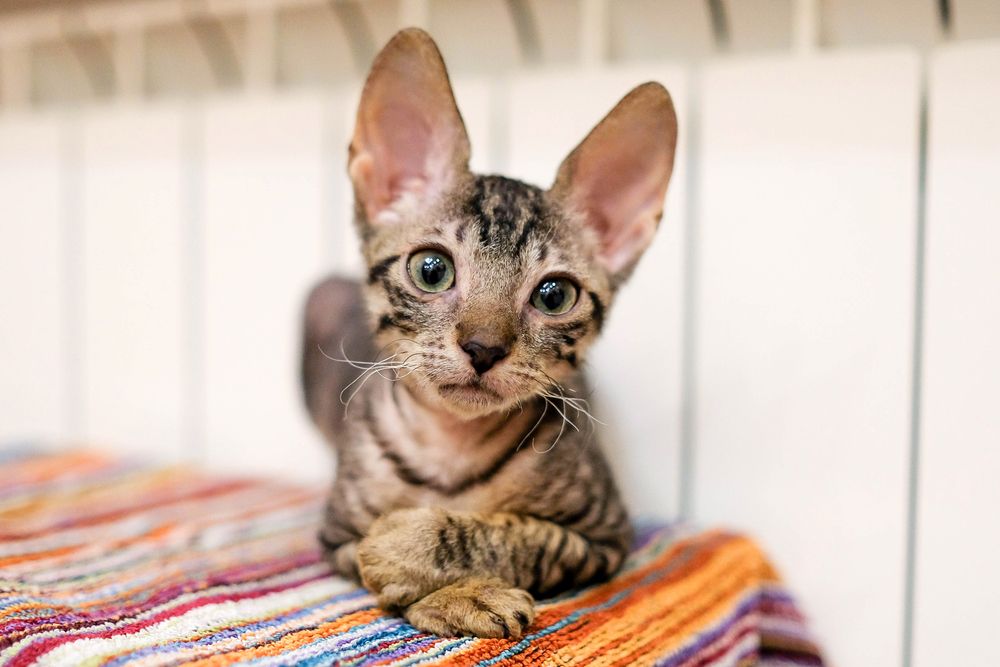
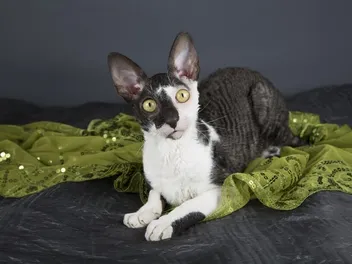
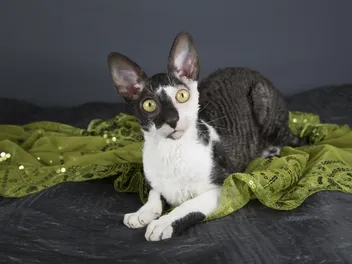
Cornish Rex kitten

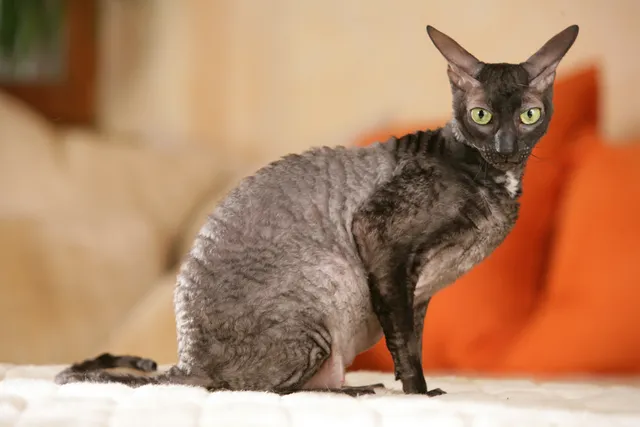
Cornish Rex cats are lovable short-haired kitties known for their playful persona and rippling soft coat that lacks coarse guard hairs. In a certain light, it looks a lot like the texture of a washboard in fur form. This might make you think they’re low-shedding and hypoallergenic, and you’d be half right. Is a Cornish Rex hypoallergenic?

Cornish Rexes shed less than the average cat due to the presence of just one layer of fur. They are not, however, hypoallergenic in the sense that you’re safe from pet allergens like fur and dander. Cornish Rexes still shed minimal amounts of fur and dander that can trigger allergies, but less so if you help them groom on a regular basis.

If you’re curious about welcoming a Cornish Rex into your home but want to learn more about them, learn tips for grooming them, or want to see some other low-shedding cats, we’ve got you covered below.

divider 3 paws

About the Cornish Rex

Cornish Rex cats are a fairly new breed tracing back to an unusual “Rex” mutation that spontaneously occurred in a litter of kittens in Cornwall, England in 1950. This gene made the breed’s fur extremely soft and devoid of guard hairs altogether. A woman named Nina Ennismore discovered this and just so happened to be familiar with the Rex gene but in rabbits! The Cornish Rex’s signature wavy rabbit-like coat sent shockwaves through the cat world, and their zany, social nature sealed the deal.

As a presumed – but not an actual – relative of the Devon Rex, the Cornish Rex is renowned for exhibiting exuberant dog-like behavior, going so far as to gallop like a Greyhound and fetch like a Golden Retriever. This is a cat for active families who can spend lots of quality time together, or else they can become anxious and occasionally destructive. With proper care, though, Cornish Rexes are some of the most fun and interactive cats you can own.

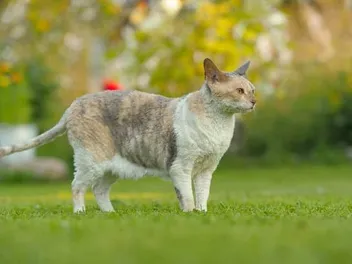
cornish rex cat walking on grass
Image By: Natalia Fedosova, Shutterstock

What Other Cats Shed the Least?

The Cornish Rex is one of a select few cat breeds that evolved to have short, low-shedding fur. They’re not hypoallergenic, but allergy-suffering cat lovers will feel more at ease and literally breathe easier with one of these cat breeds at home.

Low-Shedding Cat Breeds:
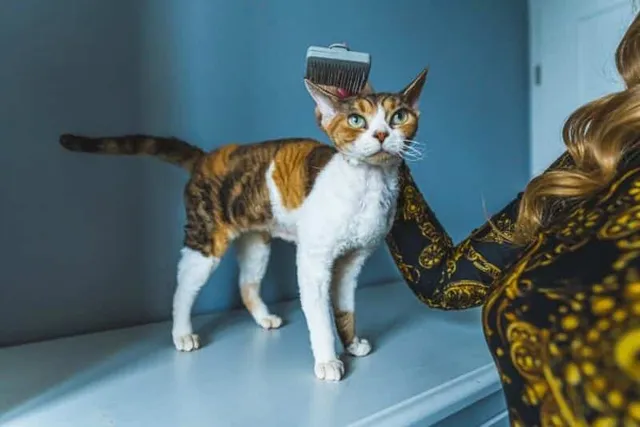
  • Devon Rex: This breed has soft, wavy fur similar to the Cornish Rex, shedding minimally. The Devon Rex only possesses guard hairs, and therefore, will probably shed even less than a Cornish Rex. This is because guard hairs are longer-lasting on average than down and undercoat fur.
  • Abyssinian: A breed with short, dense, and glossy fur that sheds remarkably little compared to other cats.
  • Bengal: This tiger wannabe breed might not look like it, but they’re consistently one of the most popular low-shedding cats you can own.
  • Siberian: The regal Siberian’s coat looks intimidating, but it sheds about the same as a shorter-haired cat.
  • Russian Blue: The plush Russian Blue coat isn’t just beautiful and nice to pet; they shed a lot less than the average cat breed.

Do Cornish Rex Cats Require Special Grooming?

No, Cornish Rexes don’t require any special intensive grooming to stay clean, neat, healthy, and presentable. In fact, they’re one of the best breeds you can get if you don’t want to worry about grooming or allergies. Like all kitties, they’re fastidious about self-grooming and keep their coat very nice. Still, there’s some stuff you could be aware of when it comes to making the most of their low-maintenance coat. Jot down these tips for an easier time later.

Cornish Rex Grooming Tips for a Cleaner Kitty:
  • For dingy or dull Cornish Rex coats, groom with a soft brush to restore your cat’s natural skin oils throughout their fur, keeping it lusher.
  • Cats skeptical of brushes can be simply rubbed down with your hands, which helps redistribute oils through the fur.
  • The coat might be low maintenance, but you want to keep an eye on your cat’s nails and trim to an appropriate length every 6 weeks or so.
  • To clean dirty or clogged-up ears, never use soap or prod with Q-tips. Instead, simply wipe gently with a clean damp cloth.
  • If your cat gets covered in a liquid of some kind like cooking oil or sugary drinks, wipe down their coat with a warm, damp cloth and running water, dipping the cloth in water frequently to wash the gunk off.

divider 3 paws

Wrapping Up

Cornish Rexes are one of the feline world’s low-shedding genetic miracles, and they all owe it to a random mutation in a British barn! Though you don’t need to do much, running a soft brush over their fur and helping to keep their ears & nails clean will go a long way.


Featured Image Credit: Elena Loginova, Shutterstock

Want content like this delivered to you?

Sign Up For Our Newsletter

News, insights, expert advice, and everything cat

* By submitting, you agree to our Terms & Conditions and Privacy & Cookies Policy.


How useful was this post?

Click on a star to rate (you can leave written feedback after clicking submit)

Help us improve Catster for pet parents!

Your feedback really matters.

What did you like about this post? Also how can we improve it?

Join the conversation

Leave a Reply

You’re very welcome to leave a comment or question. Please know that all comments must meet our community guidelines, and your email address will NOT be published. Let’s have a positive and constructive conversation.


Talk With A Vet Online

Peace of mind,
anywhere, anytime

Affordable vet advice

Can Cats Eat Caramel? Vet-Reviewed Facts & FAQ

Let’s face it: cats are weird creatures. They surprise us with all sorts of quirky behaviors every single day. Your cat might ignore...

Litter Genie Cat Litter Disposal System Review 2026: A Detailed Look

Review Summary The Litter Genie Cat Litter Disposal System is a revolutionary way to tackle cat waste and control odors. This system is...

How Do I Give CPR to a Cat? Vet-Verified Step-by-Step Guide

Performing a feline cardiopulmonary resuscitation (CPR) is a procedure every veterinarian and technician master, but likely not every cat companion. CPR is used...

Are Geraniums Poisonous to Cats? Vet-Verified Facts & Info

If you’re a cat lover who also loves plants, you already understand the importance of knowing which plants are toxic to your cat....

More related

Why Do Cats Have a Henry’s Pocket? What Is It For? Vet-Verified Info

Henry’s Pocket is the little flap of flesh you see on the outer part of a cat’s ear. Cats’ outer ears resemble triangles...

10 Thoughtful Ways to Memorialize Your Cat

Once adopted, a pet cat adapts to the household dynamic. It doesn’t take too long to create an initial bond, and the bond...

Hypertrophic Cardiomyopathy in Cats (HCM): Signs, Diagnosis & Treatment (Vet Answer)

Hypertrophic cardiomyopathy (HCM) is the most common type of heart condition witnessed in cats. When hypertrophic cardiomyopathy occurs, the muscle of the heart...

Do I Love My Cat Too Much? Vet-Verified Info & Tips

If you regularly spend days searching for just the right gift to celebrate your cat’s homecoming, every picture on your phone features your...

Keep reading

Why Does My Cat Paw Under The Door? The Reasons For This Behavior (Vet-Verified)

If you are sitting in your room with the door closed and hear a scratching sound, chances are you’ll know what’s causing it if you own a cat. A small furry paw from under your door may be a common...

cat paws under the door

Is It Safe for Cats to Eat Moths? Vet-Reviewed Facts & FAQ

Cats are natural predators that enjoy a good hunt, whether to catch a mouse running by or to chase butterflies in the sun. Typically, if they can catch their prey, they also have the instinctual drive to eat it. Although...

How to Responsibly Rehome a Cat: 9 Vet-Reviewed Considerations & Tips

Giving up an animal may feel bittersweet, like parting ways with a longtime friend. You should only consider rehoming your cat for serious and unpreventable reasons and if both parties benefit. Change is a giant stressor in a feline’s life,...

happy cat with closed eyes hugging owner

Cat Strokes: Signs, Causes, Diagnosis, Care & FAQ (Vet Answer)

Although relatively rare, cats experience strokes. A stroke occurs when there is an abrupt interruption in the blood supply to your cat’s brain. It can be very frightening if your cat experiences a stroke, and it is essential to take...

vet examining the sick cat with stethoscope

Can Cats Eat Jicama? Vet-Verified Nutritional Facts & Advice

Pet cats typically consume a commercial diet that meets all their nutritional requirements. However, cats are natural predators, so they go after small mammals, birds, and even reptiles and insects for sport and food. Cats sometimes also gravitate to plants,...

Can Cats Eat Jicama

Can Cats Eat Licorice Root? Vet Approved Nutrition Advice

As a pet parent, you want everything to be perfect for your feline pal, which includes ensuring there are no plants, herbs, spices, or food that your cat can get into that might hurt them. Many pet parents wonder if...

Can Cats Eat Licorice Root

Why Do Cats Scratch Their Ears? 7 Vet-Verified Reasons, Signs & Treatment

While all cats can have an occasional itch that causes them to scratch their ears, sometimes they seem to be scratching far more than usual. Is this something to worry about? If your cat does seem to be scratching their...

close up cat scratching ear

Hand Sanitizer & Cats: Vet-Reviewed Safety Tips & How to Use It Around Your Pets

In the wake of heightened health awareness, hand sanitizers have become a staple in households worldwide. While they offer a convenient way to eliminate germs from our hands, pet owners, particularly cat owners, face a unique set of challenges. Keep...

Woman Applying Hand Sanitizer