10 Vet-Verified Cornish Rex Facts That Cat Lovers Should Know


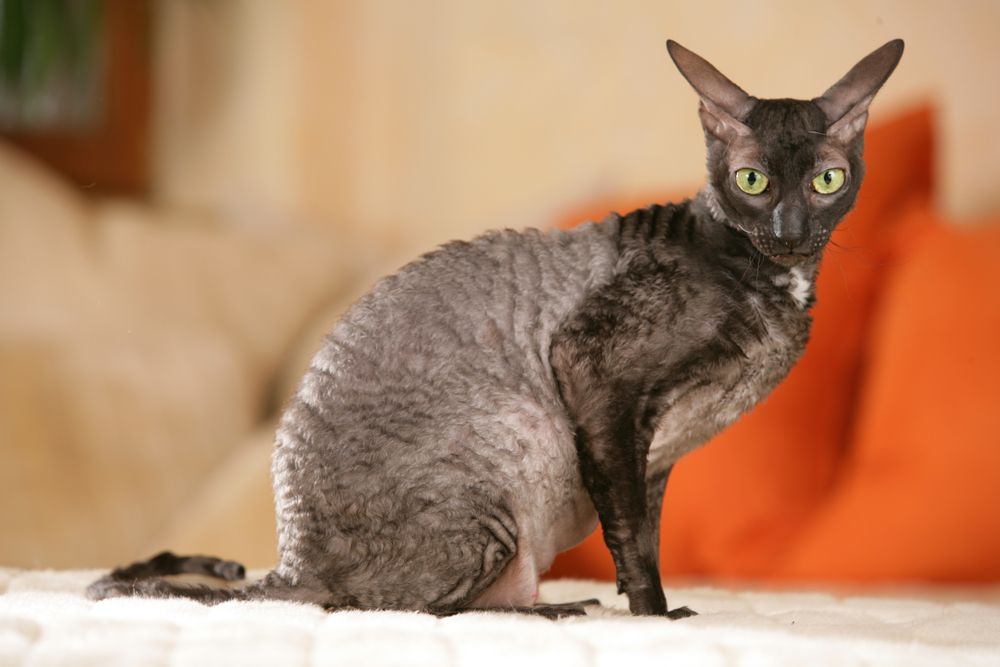
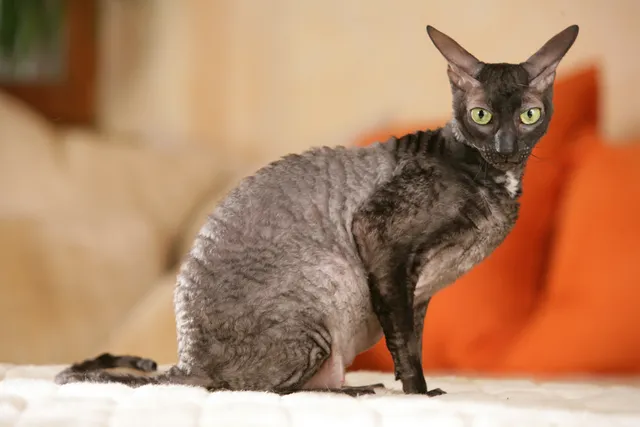
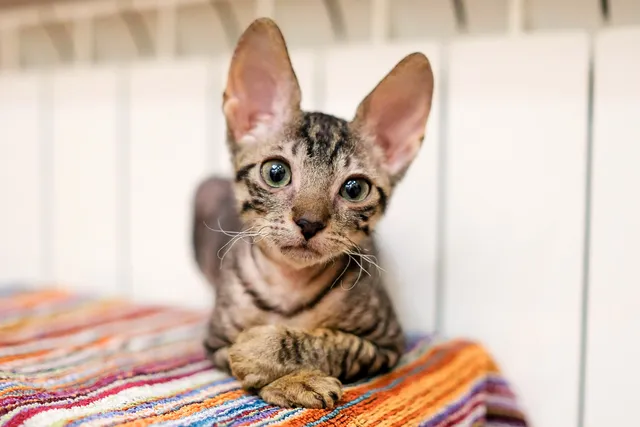
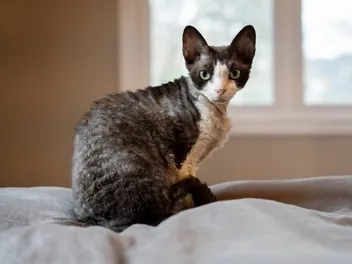
Cornish Rexes are known for their charming appearance and personality. These unique-looking cats are sure to catch one’s eye with their curly coats, bat-like ears, and slender features. People usually end up falling in love with them even more after getting to know them. These cats are playful and social and are known to turn many people into cat lovers.
There are countless wonderful things to say about Cornish Rexes, and it would take forever to name each one. So, we’ve chosen our top 10 favorite facts about them.

The 10 Cornish Rex Facts
1. The Name of the First Cornish Rex Was Kallibunker
The first Cornish Rex wasn’t bred intentionally. The first Cornish Rex was a male kitten named Kallibunker, and he was the first known and documented cat with a curly coat. He was born in 1950 in Cornwall, England. His mother was a regular barn cat and his father was unknown. His mother gave birth to a litter of four kittens. Kallibunker was the only kitten in the litter with curly hair.
Unfortunately, Kallibunker lived a relatively short life and lived only until he was 6 years old. Before he died, Kallibunker helped to produce litters of kittens with curly coats, which all contributed to developing the Cornish Rex breed into what it is today.
2. Their Curly Hair Is a Natural Genetic Mutation
Cornish Rexes get their coats from a genetic mutation through autosomal recessive inheritance. The curly coat is caused by a recessive allele so a cat must inherit two recessive alleles (one from each parent) for them to have a curly coat. However, if they inherit only one of the recessive alleles, they will be a carrier for the curly coat, but will not have a curly coat. Carriers can still produce a litter of cats with curly coats if they are mated with another cat that either has a curly coat i.e. has inherited two copies of the curly coat allele, or a cat that is a carrier of the gene.

3. Cornish Rexes Are the Oldest of the Rex Cat Breeds
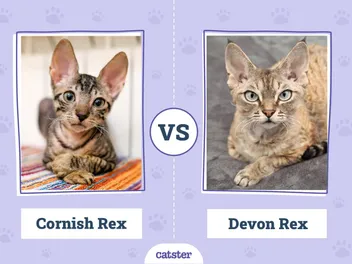
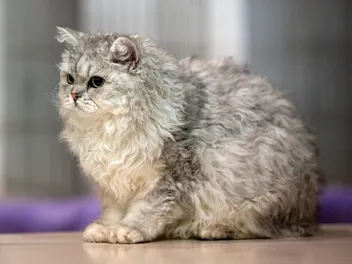
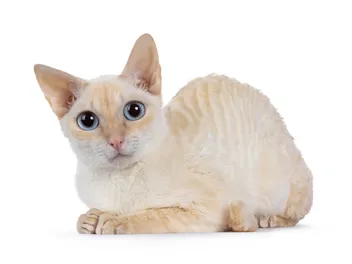
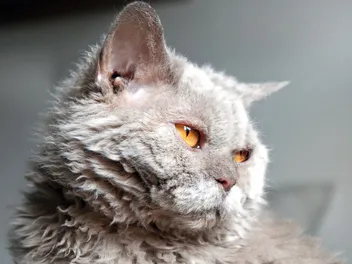
The Cat Fanciers’ Association (CFA) acknowledges three types of Rex cats: Cornish Rex, Devon Rex, and Selkirk Rex. The Rex cats share some similar features, such as having unique coats and playful personalities. However, they’re recognized as three distinct breeds.
The Cornish Rex was first discovered in 1950. The Devon Rex arrived next in 1960 when a curly-coated cat was born in a litter of cats in Devon, England. The Selkirk Rex comes from completely different origins and was first discovered in 1987 in Montana.
4. Cornish Rexes Are Very Playful
Cornish Rexes are very athletic and playful. So, if you’re looking for a calm lap cat, you’ll want to look elsewhere. Since they’re such a high-energy breed, they’ll need plenty of interactive toys that’ll help expend that energy and provide much-needed mental stimulation.
A Cornish Rex will also appreciate being able to climb up high places. So, if you don’t want your Cornish Rex to climb up your kitchen cabinets or bookshelves, you’ll want to make sure to get a cat tree and set up some cat perches throughout your home.

5. Cornish Rexes Are Friendly and Social
Many people say that Cornish Rex cats have dog-like personalities. They’re not known to be shy with strangers and tend to warm up to people fairly quickly. They often love a good game of fetch, too! Because they’re very sociable, they don’t do well being home alone for long hours. They can also get along with young children fairly well, and they can be fun playmates for each other. Cornish Rex cats often adjust well to living with a dog or another cat in the home.
6. Cornish Rexes Are Very Sensitive to Temperatures
Cornish Rex cats have a relatively thin coat, so they often engage in more heat-seeking behavior than your average cat. Their coat type also makes them more sensitive to heat, so it’s important to keep them out of the sun to prevent sunburn.
Some Cornish Rexes won’t mind wearing sweaters to keep warm, but if they don’t like clothes, it’s important to have plenty of warm spots set up throughout their home. They’ll love having extra blankets and pillows laid out for them.

7. Cornish Rexes Have Uniquely Shaped Bodies
Cornish Rexes are often called the greyhounds of the cat world. Both the Cornish Rex and the greyhound share similar slim and athletic features. Cornish Rex cats also look like they’re galloping when they run, and it’s reminiscent of when a greyhound runs.
Along with having social and playful personalities, Cornish Rexes are also known to learn tricks, like fetching balls. They enjoy running around, so it’s not uncommon for them to engage in races with other cats and pets in the home.
8. Cornish Rexes Come in Many Colors and Patterns
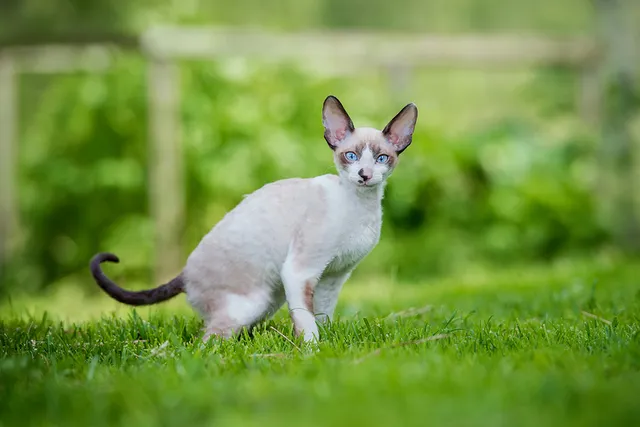
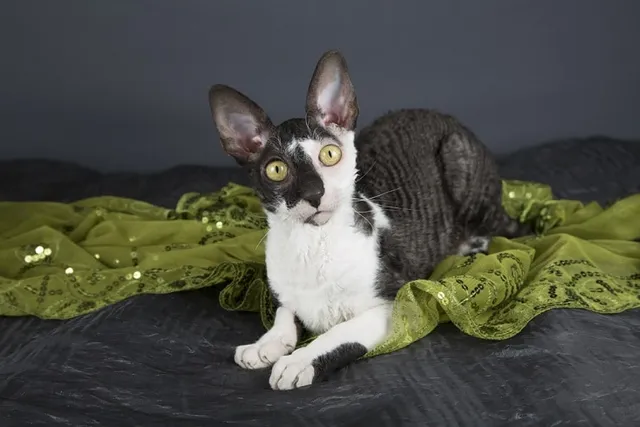
You can find Cornish Rexes in more than 40 colors or patterns. There are plenty of Cornish Rex cats that have common coat colors and patterns, like black, gray, white, bi-color or tabby. Cornish Rexes can also have color-point patterns that are similar to Siamese cats.
The CFA currently recognizes all colors and patterns of Cornish Rexes. So, it’s most likely you’ll come across a wide variety of Cornish Rexes if you’re looking to adopt one.

9. Cornish Rexes Aren’t Hypoallergenic Cats
There’s a myth surrounding Cornish Rexes that they’re hypoallergenic cats due to their unique coat type. Unfortunately, Cornish Rexes aren’t actually that much better for cat allergy sufferers than most other cat breeds. This is because people get allergic reactions from a protein found on a cat's skin, saliva, and urine, not their hair.
Pet dander often sticks to an animal’s hair and can become airborne or stick to furniture when an animal sheds. Low-shedding cat breeds can help a little with allergies because there’s less hair that will spread dander. However, this still doesn’t guarantee that a person with cat allergies can live with low-shedding cats.
10. Cornish Rexes Are Healthy and Have Long Lifespans
Cornish Rexes are generally healthy, long-lived cats. Of course, as a pedigree cat, Cornish Rexes have a smaller gene pool than the domestic short hairs, so are prone to some genetic conditions. Two of the more common genetic health issues that Cornish Rexes can inherit are autosomal dominant polycystic kidney disease (AD-PKD) and progressive retinal atrophy (PRA).
It’s important for anyone looking to care for a Cornish Rex as a pet to be prepared for a long-term commitment. Their average lifespan is about 15 years, but many can live to 20 years old.

Conclusion
Cornish Rexes are a wonderful cat breed that many people fall in love with. It’s no surprise that these friendly and funny cats have such a strong and loyal fanbase. They make excellent pets for many people with different kinds of lifestyles. Since they’re a pretty healthy breed and have longer lifespans, you’ll share many happy days living with these feline companions.
See Also:
Sources
Featured Image Credit: absolutimages, Shutterstock
Expert cat care, straight to your inbox
News, insights, and useful advice, delivered to you.

No spam — unsubscribe anytime.
By signing up, you agree to our Terms & Conditions and Privacy & Cookies Policy.
How useful was this post?
Click a star to rate. You can leave written feedback afterwards. (We read all feedback.)
Jessica is a freelance writer who spends most of her day researching and writing while her fluffy Cavapoo, Nora, naps beside her. She loves and appreciates pets and animals because there’s so much to learn from them, and they do so much for people. As a dog owner, she understands the special connection that pet owners form with their pets. She loves sharing helpful information that people can use to better understand their pets. When she’s not writing, you can find her walking dogs, tending to her plant babies, or drinking her nth cup of coffee.