How to Stop a Cat From Climbing a Tree: 8 Methods & Safety Tips


In this article
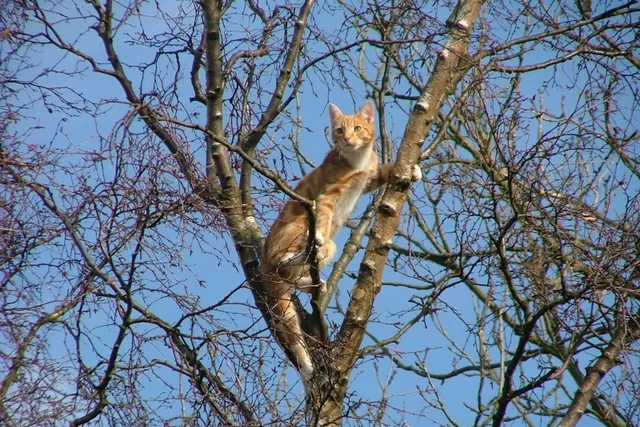
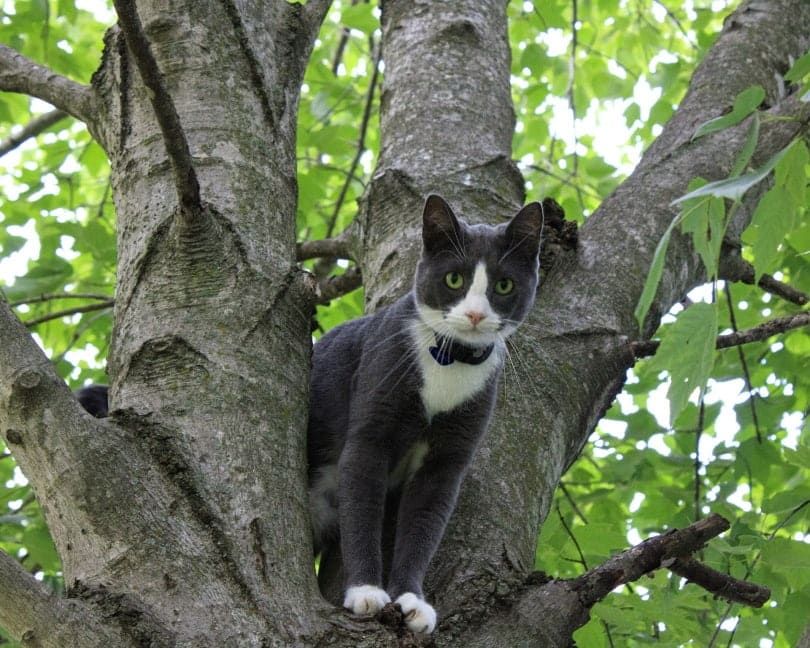
Cats are renowned for their agility. In fact, due to their anatomy adapting to their hunting activities, cats are among the most flexible mammals in the world. They are also natural-born climbers1. While climbing is a favorite activity of domestic felines, it can become a dangerous hobby if they start exploring the huge trees in your backyard. Here are a few helpful tips to discourage your cat from climbing a tree.

The 8 Tips to Stop a Cat From Climbing a Tree
1. Give Your Cat Something Else to Climb
First, know that wanting to prevent cats from climbing is like asking them to stop being felines. Indeed, their instincts push them to place themselves up high. Of course, this behavior becomes problematic if you constantly have to rescue your cats from the big tree that they got stuck in.
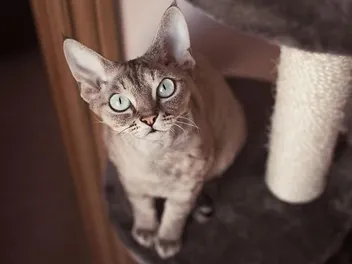
But instead of scolding them every time, it's better to give your cats what they need: a safe place to climb. Invest in a nice cat tree with a heavy and stable base, a large soft platform for your kitties to laze around on, and an area to sharpen their little hunter claws. Explore the possibilities of incorporating vertical spaces specifically for your cat to express their natural behavior while having a cat-exclusive area within their territory.

2. Keep Your Cat Indoors at All Times
This is by far the easiest way to prevent your cat from climbing a tree. This activity can be dangerous for your pet because it can lead to injuries or scratches on your cat's paws and face. Not to mention the possibility of far-from-ideal interactions with wildlife, from disturbing a bird’s nest to getting bitten by spiders. It's also easy to get trapped high up in the tree, and falling from great heights is a real risk.
3. Supervise Your New Kitten
Since climbing is a natural behavior for cats, it often starts with young and curious kittens who aren’t yet housetrained. When they aren’t allowed to go outside yet, they will try to explore their new surroundings in any way that they can. Climbing is a popular activity. Provide the means within your safe environment for them to express their natural behavior. Let them explore your home, but don’t let them go in the backyard. It’s also a good idea to incorporate a catio or keep your new cat under close supervision if you bring them outdoors.

4. Use Cat Repellents
You can also use repellents that will prevent cats from climbing where you do not want them. One smell that most cats hate above all else is lemon. If you regularly add lemon and citrus peels to the base of your cat’s favorite tree, they may avoid it.
5. Keep Shrubbery, But Trim It
You may be able to prevent your cat from climbing a tree by keeping shrubs around it, but we recommend keeping them neatly trimmed. It will be more complicated to climb if the cats do not have a point of support to hold on to. If they do still manage to climb, they are less likely to hurt themselves if no sharp branches are sticking out on all sides.

6. Wrap Aluminum Foil Around the Trees
Wrapping aluminum foil around your trees may not be the most aesthetic solution, but it is quite effective because cats hate this texture. Determine how high your cat can jump on their favorite tree, then wrap the foil around the tree from that spot, going a few feet higher. Wrap a 4–5-foot barrier around the trunk of the tree so your cat can't climb and jump over it, then use a strong wire to anchor the barrier in place.
7. Reward Good Behavior
Praising your cats for good behavior, such as climbing only their designated cat tree, can have a big effect on their future actions.
A clear and firm "No!" the moment you see your cats about to jump on another tree will come in handy as well. However, you have to catch your cat in the act, which is not always possible.
Do ensure that you randomly offer your cat a reward like a tasty treat when they are hanging out in their designated cat tree. This will create a positive association in their brain, increasing the likelihood of this specific behavior being repeated in the future. If you want to take it one step further, get a treat dispensing camera so your cat associates the tree, not just you, as the source of good things.

8. Never Leave Your Cat Unattended in the Yard
If you must leave your cats alone, keep them inside the house or in a catio. If you have a catio, make sure they can stay there safely and not escape. For greater peace of mind, it is best to install a solid fence around it.

Can Cats Climb Down a Tree on Their Own?
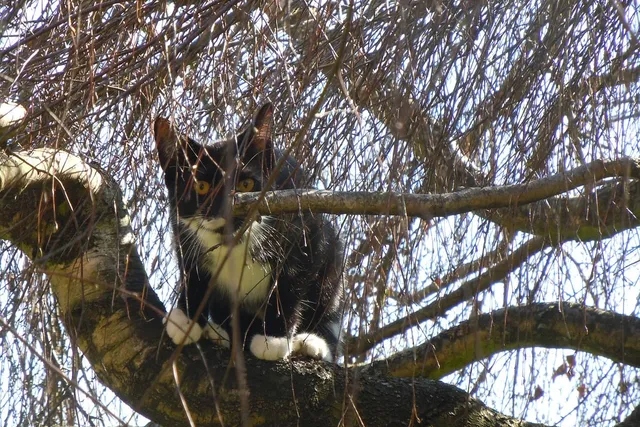
Generally, cats venture into trees when they are hunting a bird or a squirrel or when they want to get away from danger.
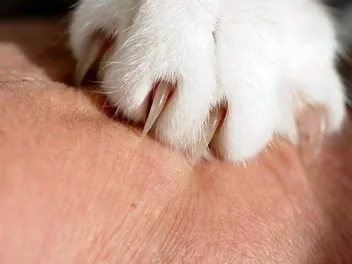
Therefore, cats' claws, which are sharp and curved backward, are tailor-made for easily climbing a tree. However, their claws are of no help to them when they decide to come down. When going down headfirst, cats try to slow their descent by planting the claws of their hind paws in the bark of the tree. Unfortunately, planting their hook-like claws downward is ineffective and an unnatural movement for domestic felines.
However, despite these difficulties, most of the time, cats manage to get down on their own. The shape of the tree, including its height and circumference, as well as the presence of branches along its trunk, could facilitate their descent. If you observe cats getting off vertical spaces jumping is their usual method, and most of the time they will find a successful way to get down their chosen observatories.
But for your own peace of mind, it's far better to prevent your kitty from venturing into the treetops to avoid any potentially dangerous situations.


Conclusion
Climbing a tree is a natural activity for your intrepid cat, but it can be dangerous. Fortunately, you can do several things to prevent this behavior, such as keeping your cats indoors, not leaving them unattended in the garden, wrapping the base of trees with foil, and using cat repellents. You should definitely invest in a cat tree, which will brighten up your living room and enable your felines to have fun in a safe place adapted to their needs.
Featured Image Credit: bookwurmee, Pixabay
Expert cat care, straight to your inbox
News, insights, and useful advice, delivered to you.

No spam — unsubscribe anytime.
By signing up, you agree to our Terms & Conditions and Privacy & Cookies Policy.
How useful was this post?
Click a star to rate. You can leave written feedback afterwards. (We read all feedback.)
Genevieve is both a biologist and a science writer, driven by her deep love for capuchin monkeys, pumas, and kangaroos. Her dedication to wildlife has taken her across the globe, from Bolivia and Guatemala to Canada and Australia, working and volunteering at various rehabilitation centers. As a Canadian living in Argentina, Genevieve starts her days with horses and cows greeting her from the plains outside her home office. She is the proud parent of three rescued dogs—Lemmy, Nala, and Pochi—and an energetic kitten named Furiosa. The opportunity to share her passion and expertise in animal care brings her great satisfaction.