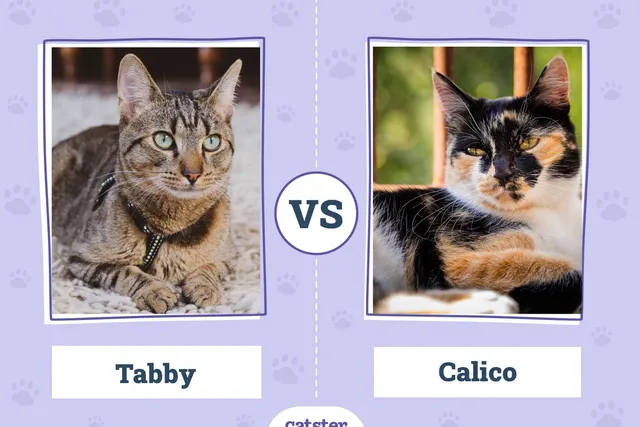
Tortoiseshell Cat vs. Calico: How to Spot the Difference (With Pictures, Vet-Reviewed)


In this article
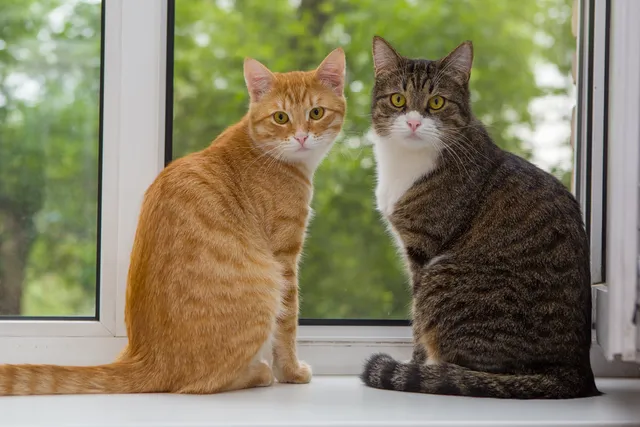
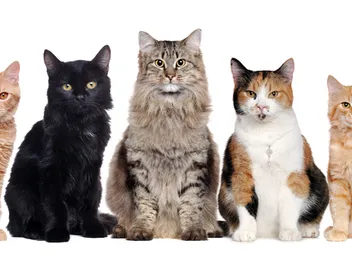
The gorgeous housecat can harbor so many different colors, patterns, and textures when it comes to its fur. Certain coat types can cause some confusion because they look remarkably similar. Among the most distinctive patterns are tabby, solid, tortoiseshell, colorpoint, tricolor, and bicolor.
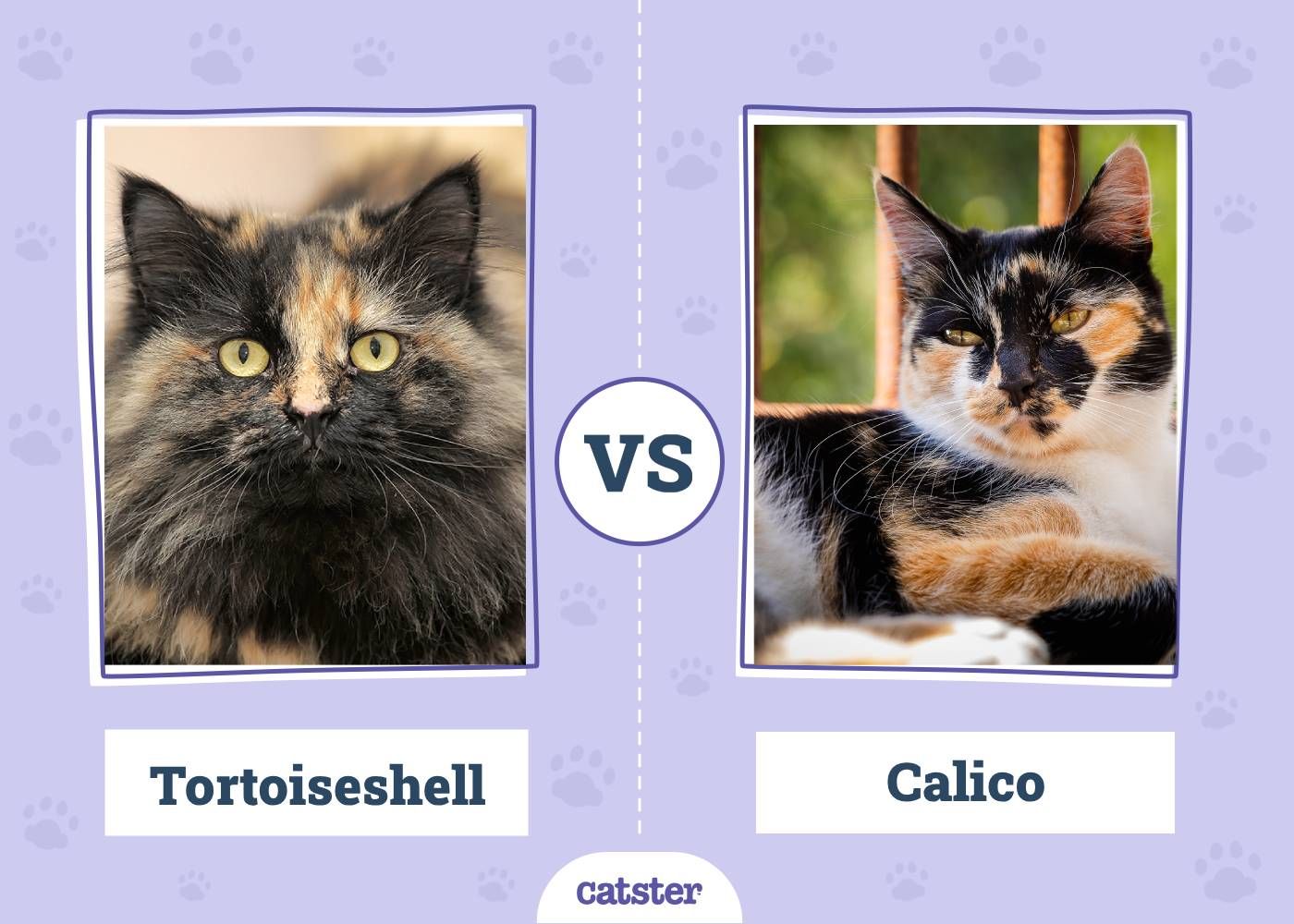
Tortoiseshells and calicos are both beautiful and unique blends of colors, but they’re not the same. Is there a difference? Absolutely. So, what exactly separates these two color patterns that allows you to tell them apart every time? Let’s assess Calico vs Tortie and find out.

Calico vs. Tortie: Visual Differences

Here is a chart to break down the facts between these two fur-tastic felines.

Tortoiseshell Cat Overview

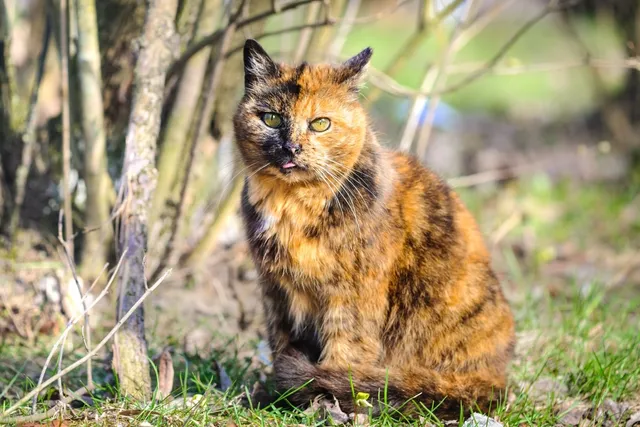
This is an introduction to the lovely, ever-sassy tortoiseshell—better known as “torties”. As you could guess, their name comes from their coat pattern, which looks quite similar to a tortoise’s shell.
The tortie harbors a lot of personality under their unique coat. These felines are anecdotally known for their fiery, spicy attitudes, sporting a diva complex wherever they go—commonly referred to as “tortitude”. These creatures are independent—the epitome of a cat owning you rather than the reverse.
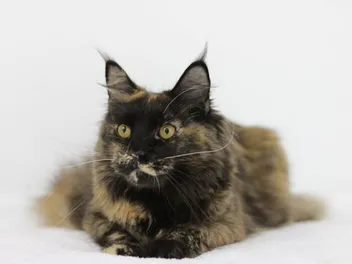
Torties are two shades of color, essentially any color from black to cream, but no white. They are instantly recognizable for their dark swirls and interesting patterns. Many torties have a “chimera-like” face, meaning two colors split nearly perfectly down the middle.
Torties are usually only female. Males are incredibly rare—and almost always sterile. That means you couldn’t use a male tortie in hopes of breeding them. And you may be able to strike a small fortune since male torties are considered a hot commodity—like a four-leaf clover.
Are you superstitious? In Celtic folklore, the tortoiseshell pattern is also attributed to luck. Still, today, when some spot a stray tortie, they believe great things will follow. So, next time you spot a tortie on your path, you may have a spell of good fortune. And if you own one, even better.

Calico Cat Overview

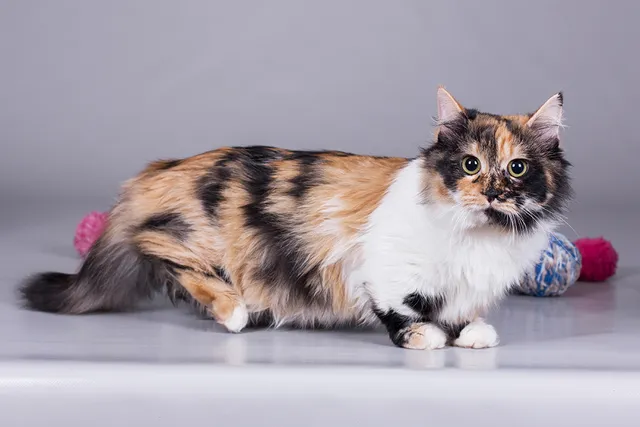
The beautiful calico is a tri-colored cat that always, always, always sports white in the mix. These cats have been the epicenter of scientific studies, trying to figure out what spontaneous genes combine to create this gorgeous feline.
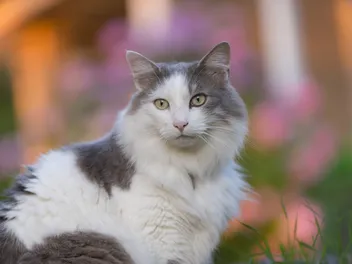
When it comes to the personality you can expect, this varies more than other patterns. Anecdotally, it’s believed to go one of two ways. A calico can share the attitude of a tortie—bold, independent, and mischievous. Or they can be very relaxed, gentle, and loving.
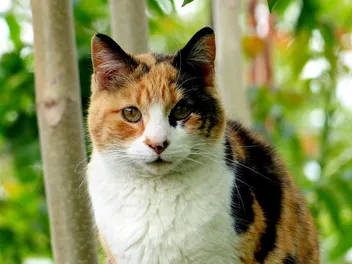
The calico has an exceptionally recognizable color palette. All calicos are 25–75% white. But they have patches of bold color that can be orange, black, tan, grey, chocolate, cream, red, or brown.
Rather than being bred for their particular coat pattern, the calico phenomenon is a spontaneous act of nature. This means you could not breed a calico cat with the hope of an all-calico litter. A calico can produce several colors on the kitty spectrum—there are no guarantees.
Calico is also not a breed—it’s just a pattern. That means many different cat breeds can have calico coats like Persians, Munchkins, and Maine Coons, but no cat is exclusively called “calico” by name.

Difference Between Tortoiseshell and Calico
At first glance, tortoiseshell and calico cats might seem very similar—they’re both vibrant mixes of colors. But there’s a clear difference in both coat and sometimes personality.
The real key is the color white. That’s right—if you spot white patches, you’re dealing with a calico. If you see a mixture of darker colors, this is a tortie. Once you have this concept in mind, it will be easy to tell the difference from now on.
Tortoiseshell vs. Calico: Final Thoughts
So, even though the differences between the calico vs tortoiseshell patterns aren’t extreme, there is definitely plenty to set them apart from each other. Each coat color looks lovely on any cat breed out there. Even though it’s quite easy to mix it up, a simple variance like the color white can clear things up right away. Keep an eye on the anecdotal kitty stereotypes. Are they right for your tortie or calico cat?
You might also like:
Featured Image Credit: Left - Anna Krivitskaya, Shutterstock | Right - loicp90, Shutterstock
Expert cat care, straight to your inbox
News, insights, and useful advice, delivered to you.

No spam — unsubscribe anytime.
By signing up, you agree to our Terms & Conditions and Privacy & Cookies Policy.
How useful was this post?
Click a star to rate. You can leave written feedback afterwards. (We read all feedback.)
Christian started writing for a local newspaper as a teenager, and he's been involved in the publishing industry for most of his adult life. Combining his love of writing with a passion for animals, he is currently the Director of Editorial at Pangolia and the Editor-in-Chief at Catster.
Christian lives in the Philippines with his wife, son, and four rescue cats: Trixie, Chloe, Sparky, and Chopper.